

Antique Server Cabinet
An antique server cabinet brings formal dining storage into the room, uniting solid timbers with the generous proportions of past centuries.
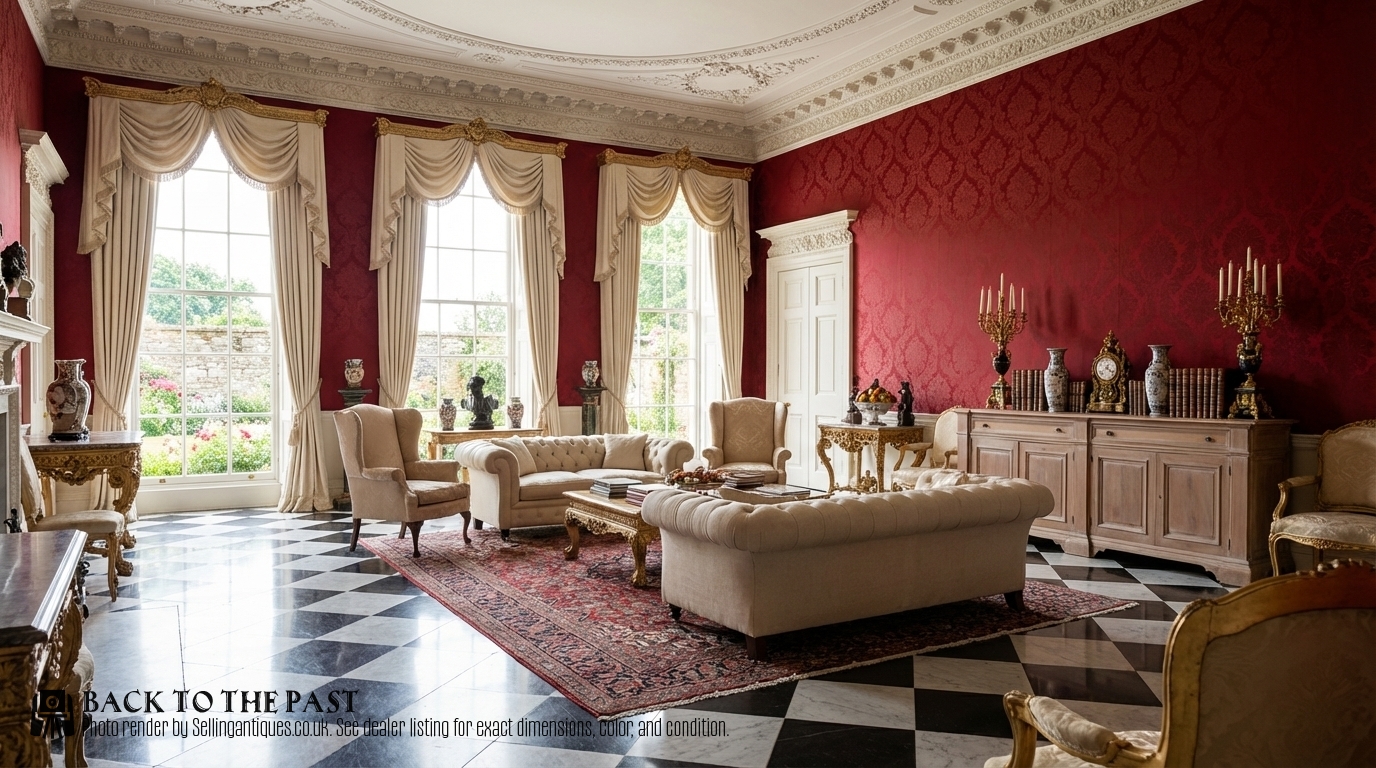
Antique Server Cabinet
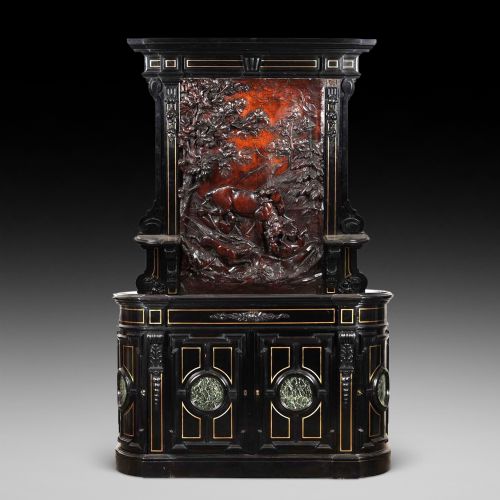
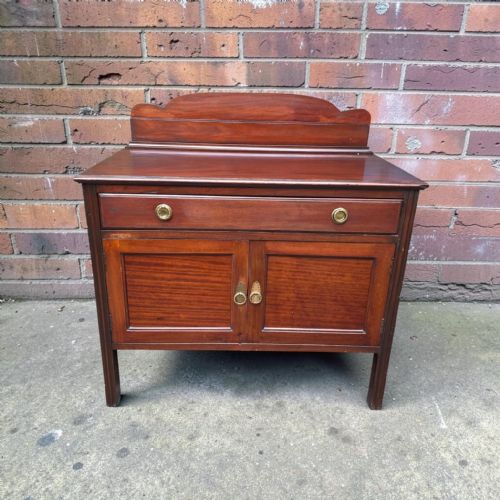
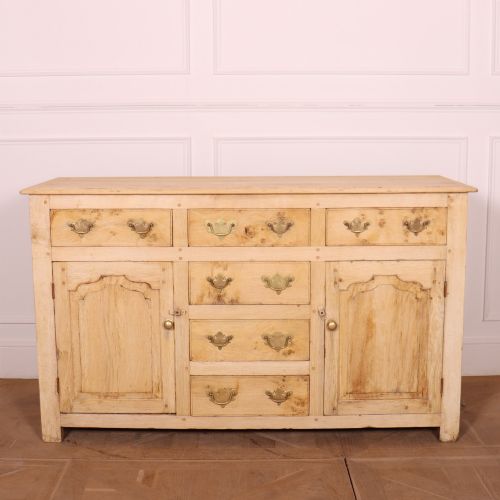
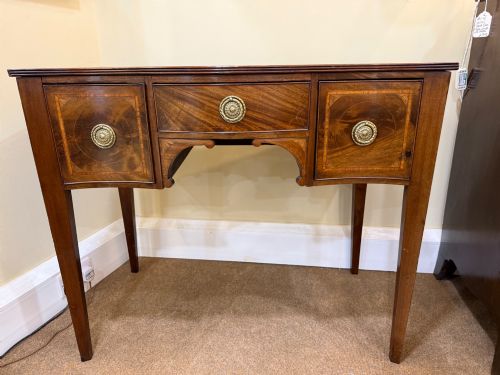
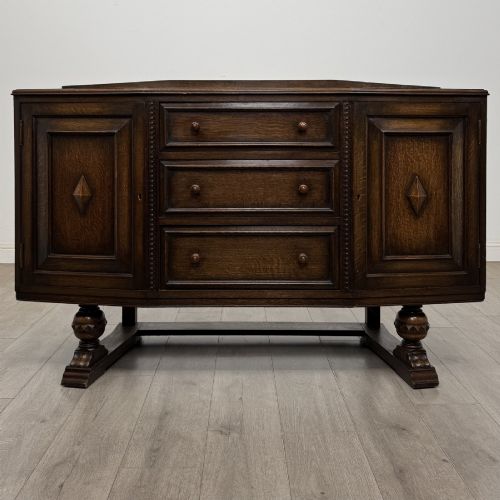
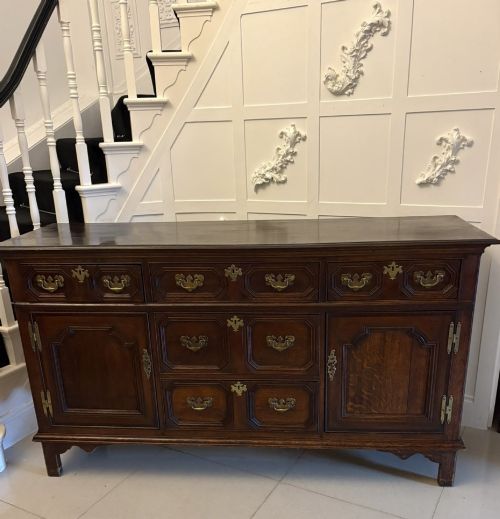
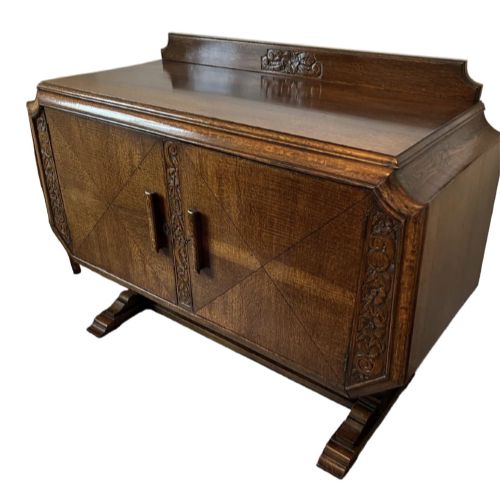
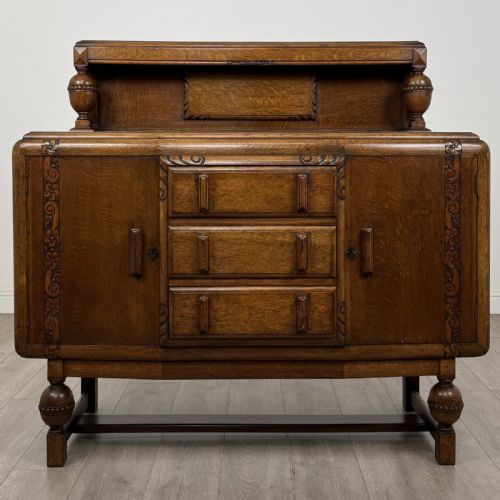
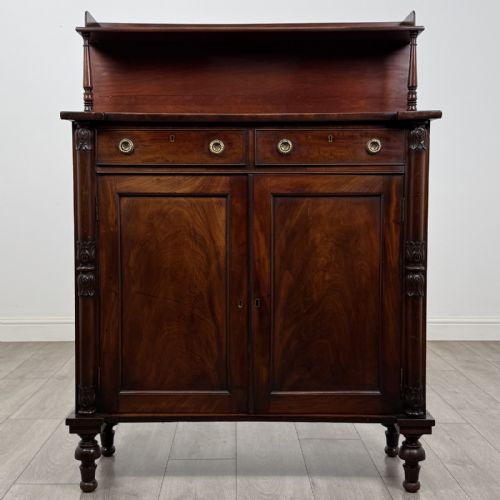
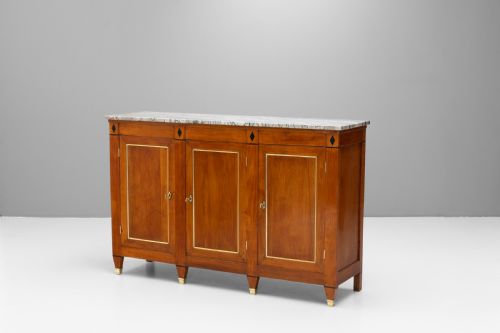
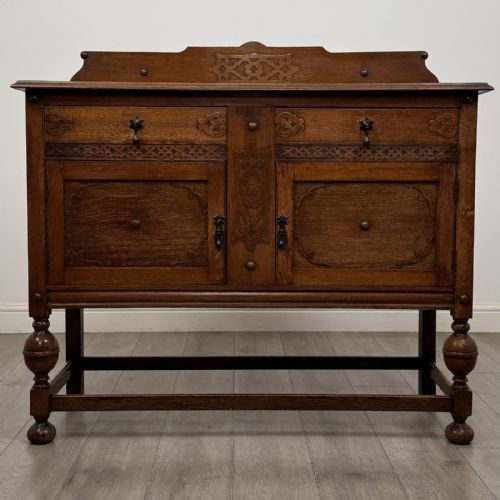
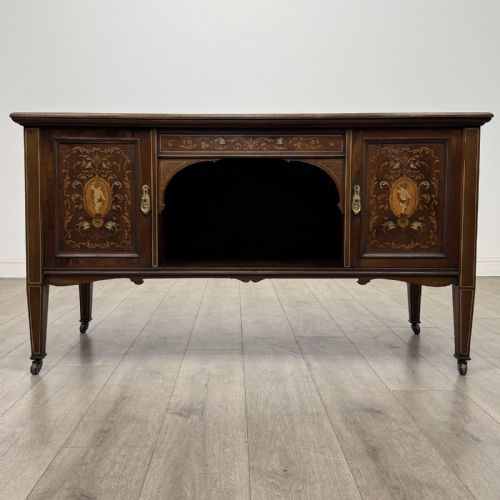
When searching for an antique server cabinet, you encounter heavy serving pieces, credenzas, and sideboards designed to hold dining ware and silver. These versatile items fulfill the role of both storage and display surfaces within domestic interiors.
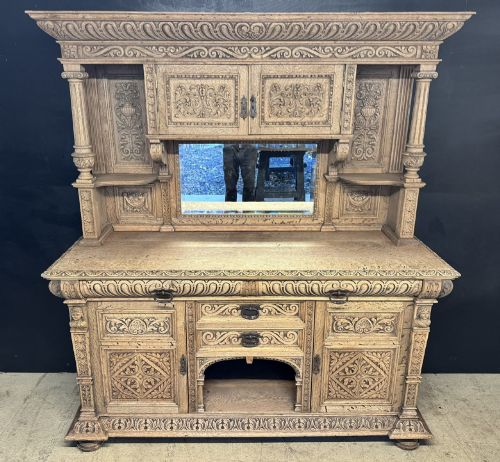
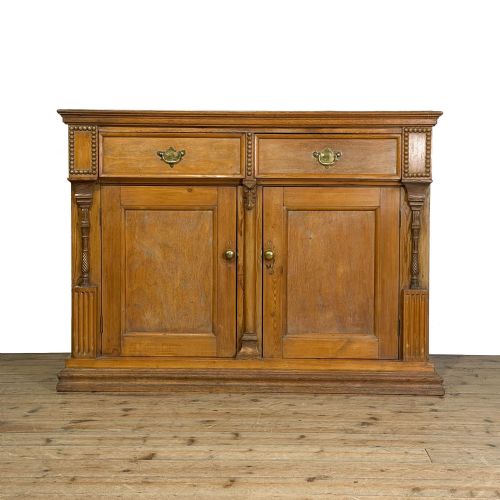
The pieces appearing most frequently span the Victorian era, the nineteenth century, and the Edwardian period, often taking the form of substantial sideboards or smaller server formats. Many incorporate cupboards, drawers, and upper mirrored tiers to maximise both utility and presence.
Origins range widely from regional British workshops to continental makers, encompassing diverse revivals such as Gothic, Jacobean, and Queen Anne styles. Each piece reflects the dining habits and interior fashions of its specific decade of manufacture.
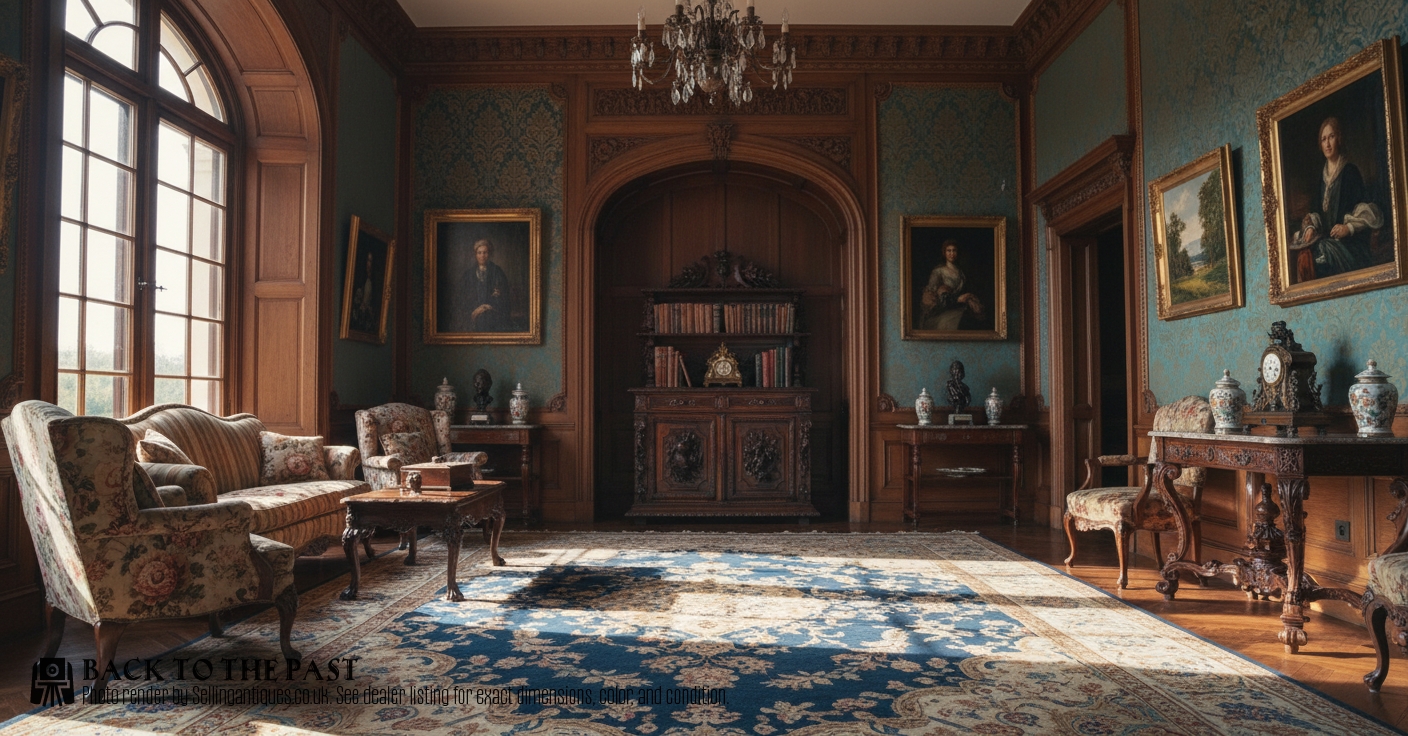
How They Were Made
Cabinet makers relied heavily on timber selection, pairing solid structural carcasses of oak, mahogany, or pine with decorative surface veneers such as burr walnut, flame mahogany, and satinwood. These woods received careful hand-polishing to highlight natural grain patterns and rich colour variations.
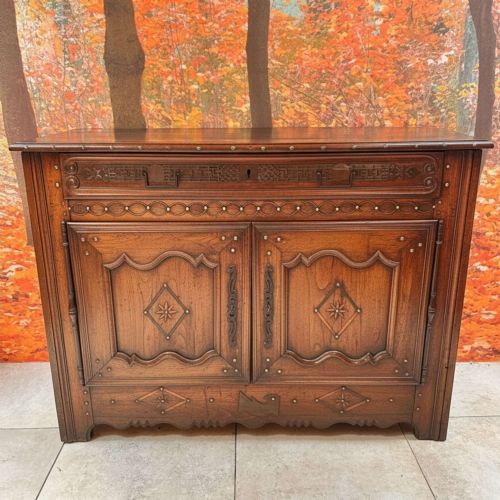
Construction techniques involved traditional joinery, complemented by marquetry inlay, carved mouldings, and applied brass or iron hardware. Surviving examples demonstrate precise hand-carving alongside shaped fronts, whether serpentine, bow-fronted, or breakfront.
Antique Server Cabinet Retail Price Guide 2026
Typical asking prices for server cabinet among the pieces listed under this phrase on Sellingantiques today, from the lower quarter to the upper quarter. They describe what is for sale here now, not the wider market.
Design styles recorded across the archive range from Georgian and Regency through Gothic Revival, Arts and Crafts, and Art Deco.
What Varies in Quality
Superior examples distinguish themselves through the choice of primary timber and the selection of figured veneers matched symmetrically across doors and drawer fronts. Hand-carved detailing shows a higher degree of sculptural depth and precision compared to simpler machine-produced ornamentation.
Internal construction, including solid wood drawer linings, dovetail joints, and original brass or iron fittings, separates standard utility items from masterwork pieces. The integrity of the structural frame and the preservation of original polished surfaces ultimately determine the standing of each item.
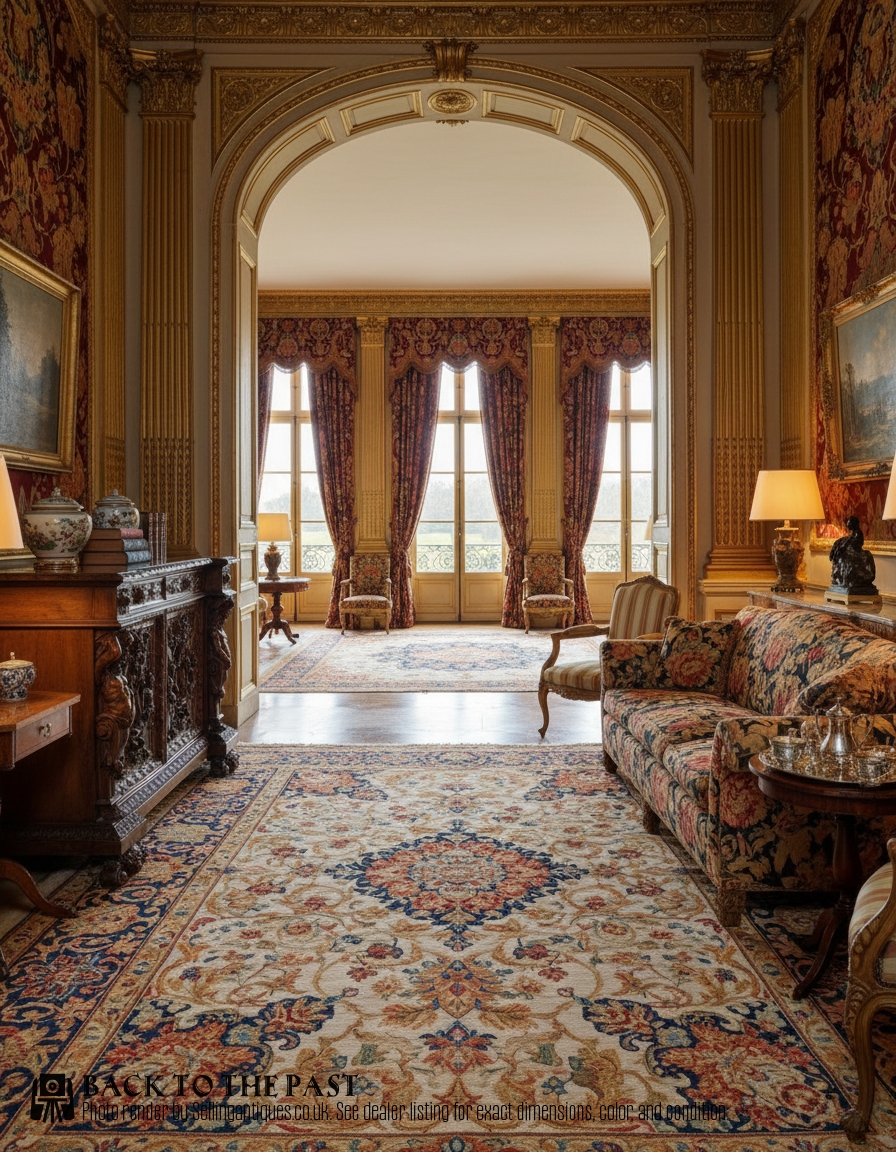
Hewetsons London·Maurice Adams·Ambrose Heal for Heal and Son
The Antique Server Cabinet Glossary
- Credenza
- A dining room storage cabinet originating in Italy, often featuring lower cupboards and frequently accompanied by a carved mirror back in nineteenth-century British interpretations.
- Chiffonier
- A compact sideboard or cabinet type popular during the Victorian period, typically equipped with lower doors and a two-tiered superstructure.
- Marquetry
- The art of applying decorative veneer pieces in geometric or pictorial patterns to a wooden surface, frequently utilising contrasting timbers like satinwood and mahogany.
- Serpentine
- A furniture front shape characterised by a central convex curve flanked by two concave curves, demanding high levels of cabinet-making skill.
- Bow Front
- A convex curved furniture front that projects outward in a smooth arc, commonly found on nineteenth-century sideboards and cabinets.
Antique Server Cabinet: Frequently Asked Questions
What is the difference between a sideboard and a server cabinet?
Sideboards traditionally span greater lengths to accommodate extensive dining room storage, while server cabinets often present slightly more compact proportions intended specifically for passing dishes and holding service items.
Both forms utilise cupboards and drawers, though servers frequently appear with simpler or lower profiles suited to smaller spaces.
How do I care for polished mahogany and walnut surfaces?
Protect wood surfaces from direct sunlight and excessive heat fluctuations to prevent timber movement and veneer lifting. Regular dusting with a soft, dry cloth maintains the finish without chemical buildup.
Occasional application of appropriate traditional wax preserves the lustre of antique polished timber over decades of use.
Which periods are represented in these cabinets?
The available pieces predominantly showcase nineteenth-century Victorian craftsmanship, alongside eighteenth-century works and early twentieth-century Edwardian and Art Deco examples. Each period introduces distinct styling, from heavy Gothic revival carving to clean geometric modernist lines.
Revival styles also appear frequently, echoing earlier Georgian and Jacobean aesthetics through later nineteenth-century interpretations.
Can I use a dining server cabinet in a living room?
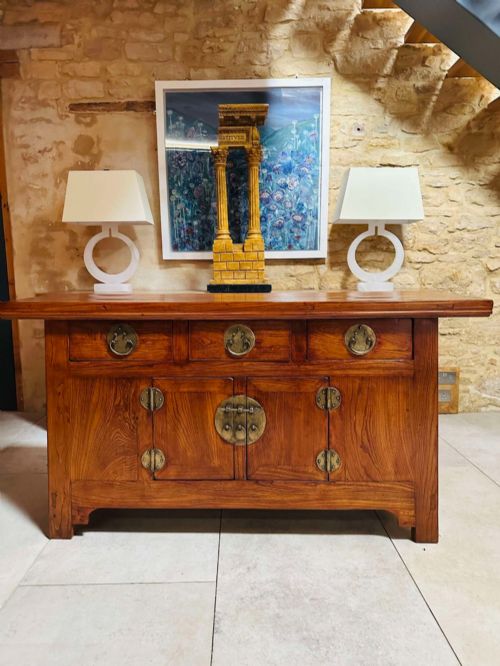
These cabinets adapt readily to modern living spaces, functioning as media units, hallway consoles, or general storage credenzas. Their deep cupboards and generous top surfaces accommodate contemporary lamps and decorative displays.
Selecting a piece with drawers provides convenient storage for smaller household items away from the dining room.