



Antique Servant Bell
These antique servant bell pieces summon the domestic apparatus of past country houses, offering brass mechanisms and pulls designed to summon staff from afar.
Antique Servant Bell
An antique servant bell encompasses a range of domestic signaling equipment, from wall-mounted chimes and desk reception units to intricate wall pulls. Buyers encounter items originating from the Georgian and Victorian periods, alongside early twentieth-century examples.
How they were made
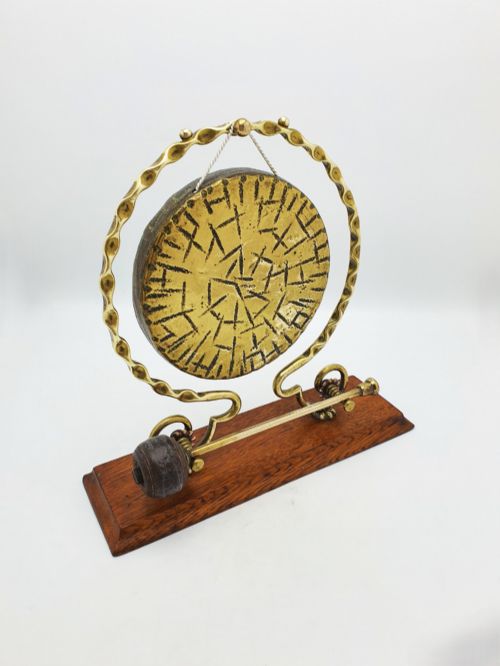
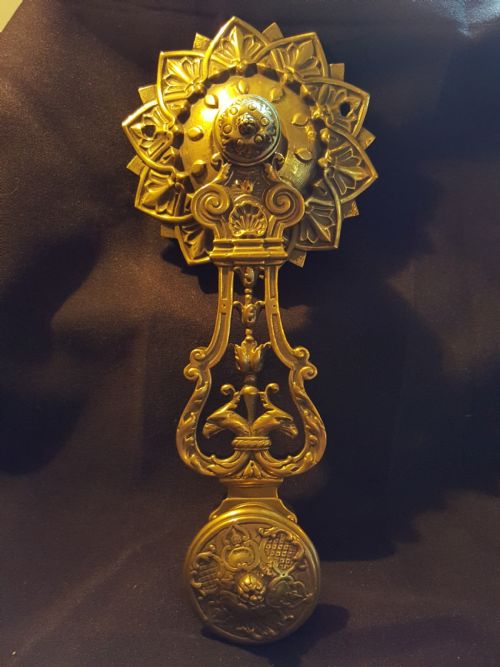
Metalworking dominates the construction of these items, utilising cast brass, wrought iron, and bronze to form durable brackets, gongs, and pull mechanisms. Wood is frequently integrated, seen in solid oak bases supporting heavy dinner chimes.
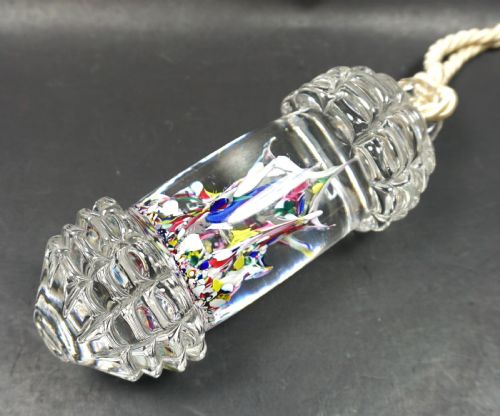
Textile and glass arts appear in decorative components, employing cord, rope, and hand-embroidered silk with beadwork for tactile bell pulls. Horn and glass elements provide contrasting textures in operational handles and pulls.
Gunton Hall staff must have jumped every time those six original name plates rattled into action.
What varies in quality
The standard of an antique servant bell rests on the integration of its materials and the complexity of its casting. Ornate brass work and detailed horn or glass components distinguish sophisticated pieces from utilitarian hardware.
Historical depth and decorative ambition set higher-grade items apart, such as French Rococo Revival styling or embroidered silk panels with beadwork. The presence of original mounting brackets and matched elements alters the overall character.
The Antique Servant Bell Glossary
- Bell pull
- A hanging strap, cord, or lever connected to wirework that activated a mechanical bell in a distant part of the house. These often featured embroidered silk, glass, or turned brass handles.
- Dinner gong
- A large metal disc or bowl struck with a mallet to announce meals in large domestic settings. They were frequently mounted on dedicated wooden bases made of oak.
- Cast brass
- Molten brass poured into a mould to create decorative and structural hardware components. This technique allowed makers to produce ornate surface details on brackets and ringers.
- Wall chime
- A mechanical signaling device fixed to a wall surface to register pulls from multiple rooms. These often incorporated multiple metal strikes for different tones.
Antique Servant Bell: Frequently Asked Questions
How did servant bell systems work?
These domestic systems connected a pull handle in a living room or bedroom to a mechanical bell or gong in the service quarters via wires and cranks.
Pulling the handle moved the wire, causing the remote bell to ring and alert staff to attend the room.
Where were bell pulls placed?
Bell pulls were positioned beside fireplaces, dining tables, and bedframes in principal rooms where residents required staff assistance.
They were mounted on walls or hung vertically, allowing easy access for anyone needing to summon service.
How do I date an antique bell?
Dating relies on stylistic clues, manufacturing techniques, and materials such as Victorian cast iron or Georgian brass.
Design revivals and maker signatures or name plates further help anchor an item to a specific nineteenth or early twentieth-century decade.
Can these bells still be installed?
Many brass mechanisms, wall chimes, and door pulls remain operational after appropriate restoration work by specialists.
Displaying them often involves mounting them securely on walls or oak bases to preserve their historic mechanical function.