


Antique Secretary
An antique secretary combines a writing desk with concealed compartments and upper storage, serving as a functional workspace and a commanding architectural cabinet.
Antique Secretary
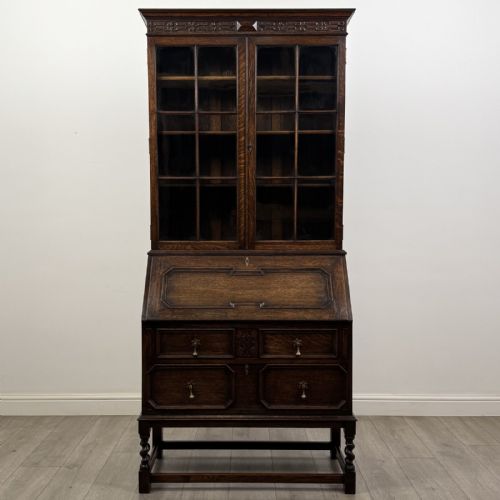
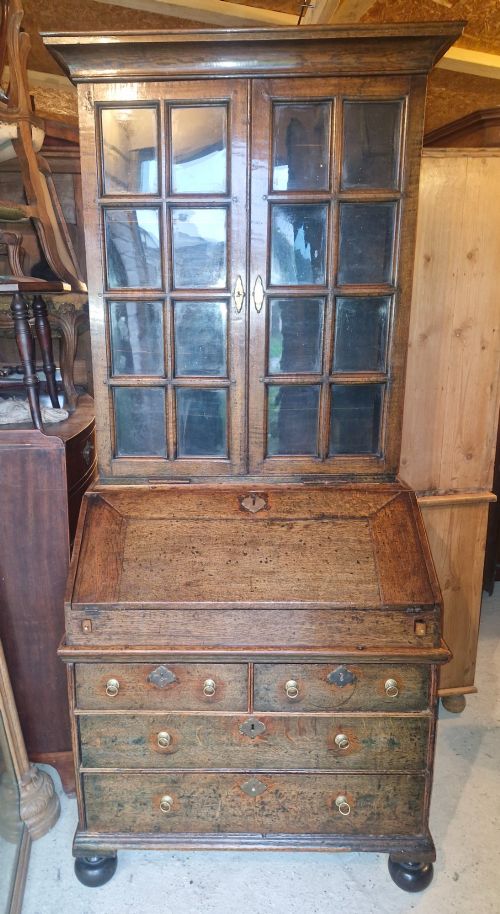
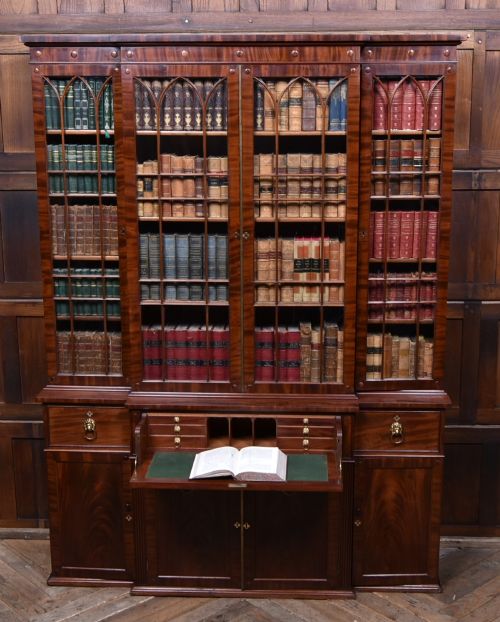
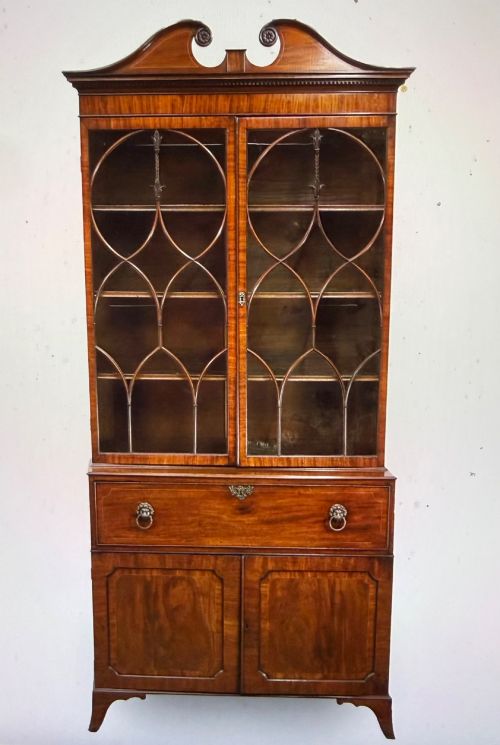
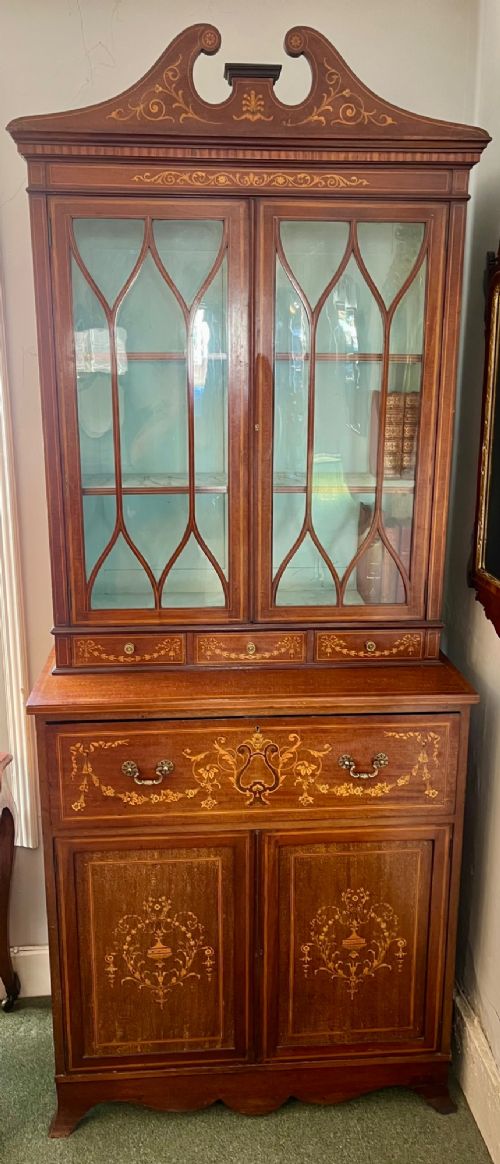
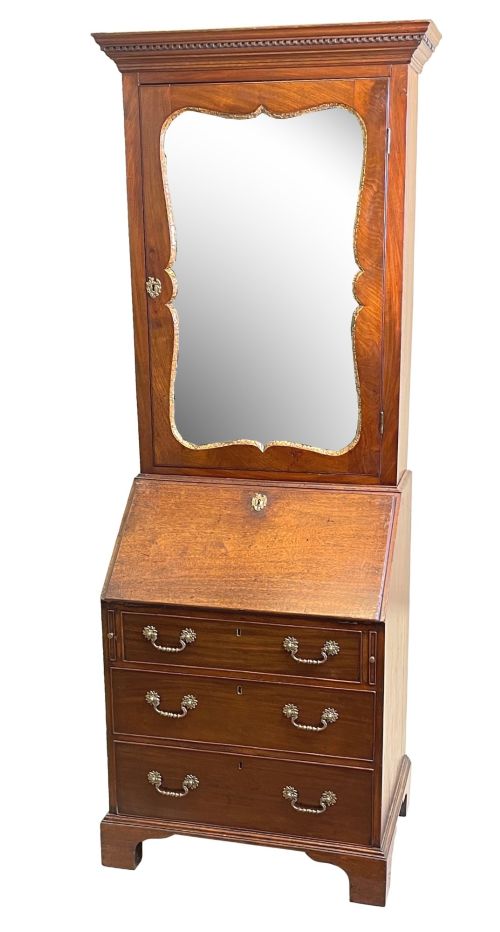
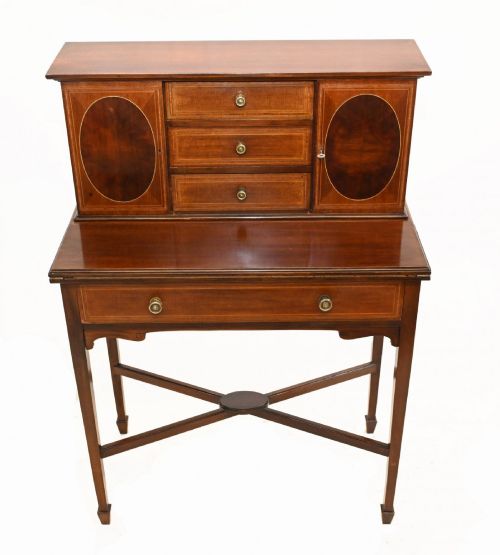
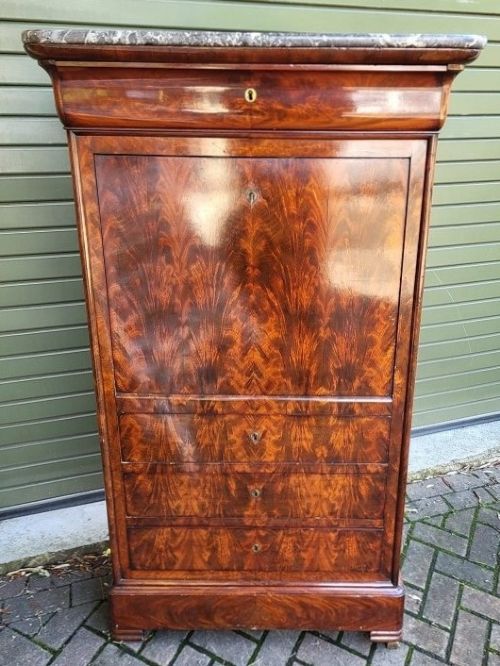
An antique secretary, often described in listings as a bureau bookcase or writing cabinet, unites a sloped fall front or pull-out drawer writing surface with upper shelving enclosed by glazed or solid wooden doors. These pieces emerge in various forms across the seventeenth, eighteenth, and nineteenth centuries, spanning regional English workshops, continental European studios, and later Edwardian interpretations.
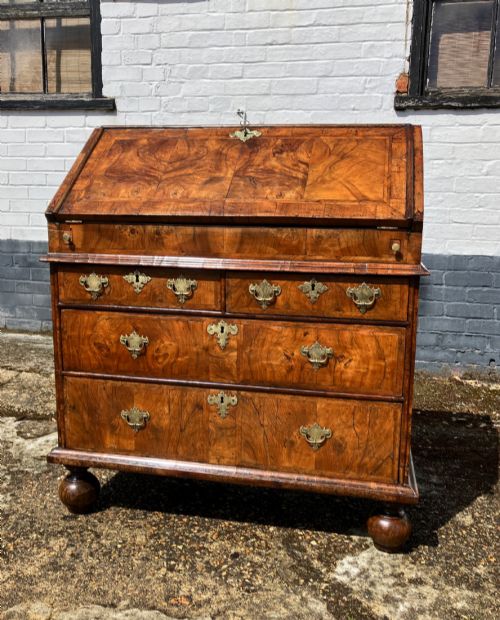
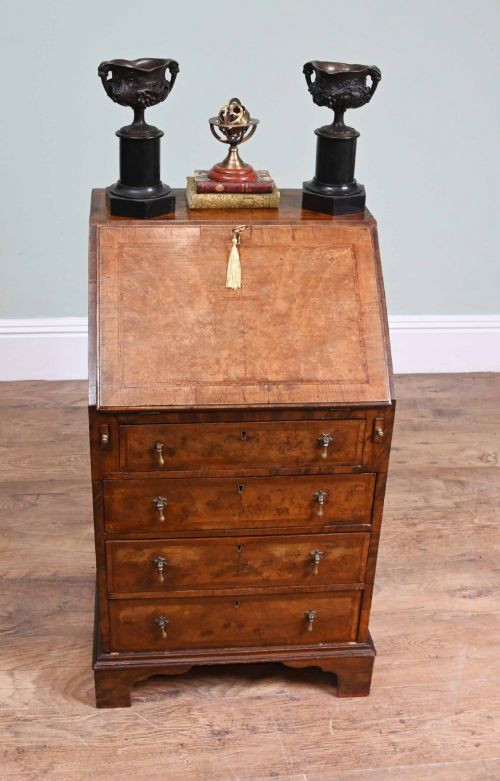
The most common variations met on this page include Georgian and Regency mahogany secretaire bookcases alongside compact oak and walnut bureaux from the Edwardian era. Makers constructed these items to house correspondence, ledgers, and books, utilising fitted interiors complete with pigeonholes, small drawers, and hidden compartments behind a drop-down writing flap.
How they were made
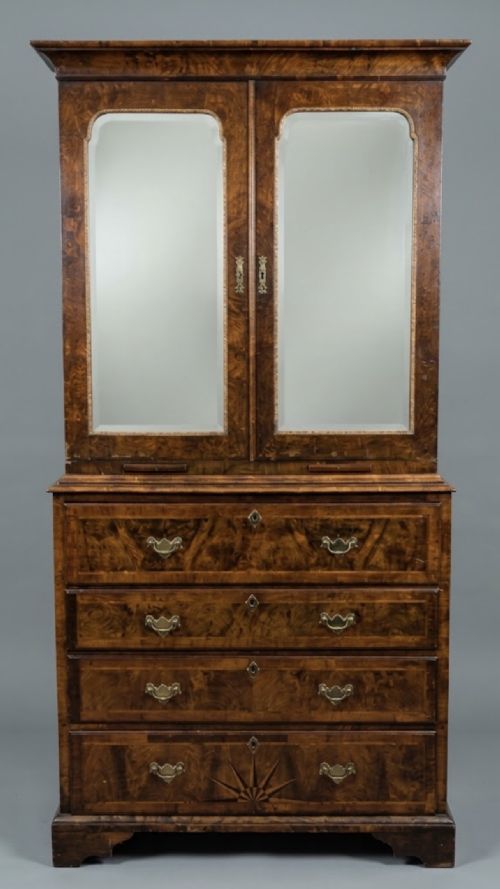
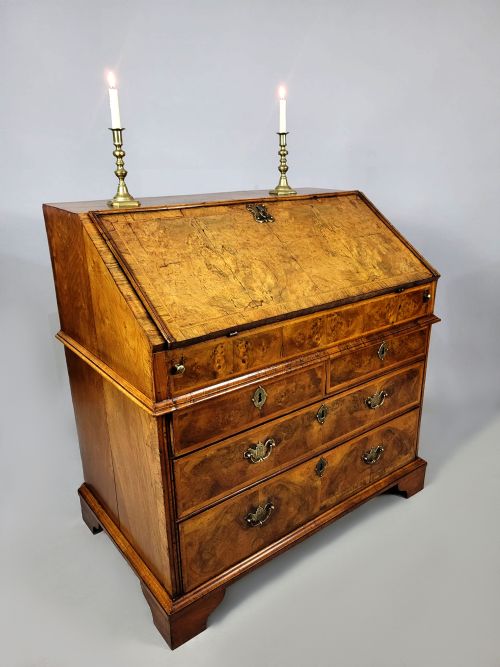
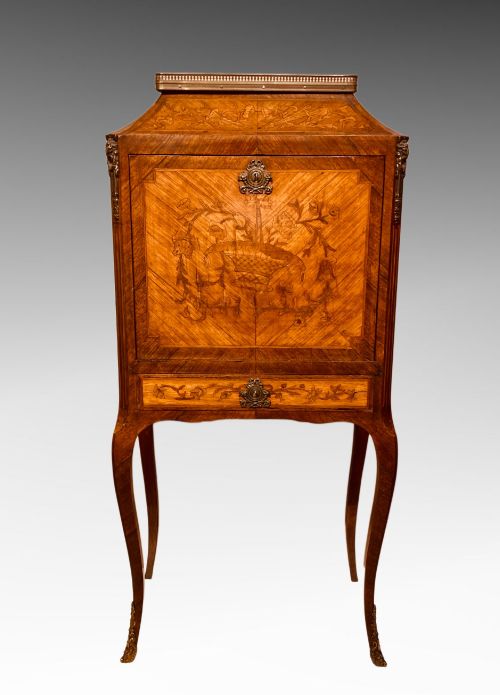
Cabinetmakers constructed these pieces primarily using solid and veneered hardwoods like mahogany, walnut, oak, and satinwood, often applying intricate marquetry, parquetry, or contrasting string inlay. Burr walnut and figured mahogany veneers provide rich grain patterns across large surfaces such as fall fronts and cabinet doors, supported by secondary timbers like oak or pine inside drawers.
Joinery techniques include dovetail construction on drawer boxes and frame-and-panel assembly for carcass stability, complemented by brass hardware such as drop handles, escutcheons, and hinges. Glazed upper doors feature individual wooden glazing bars holding panes of glass, while specialised writing sections incorporate leather or baize writing surfaces inset into the fall front or pull-out drawer.
Antique Secretary Retail Price Guide 2026
Typical asking prices for secretary among the pieces listed under this phrase on Sellingantiques today, from the lower quarter to the upper quarter. They describe what is for sale here now, not the wider market.
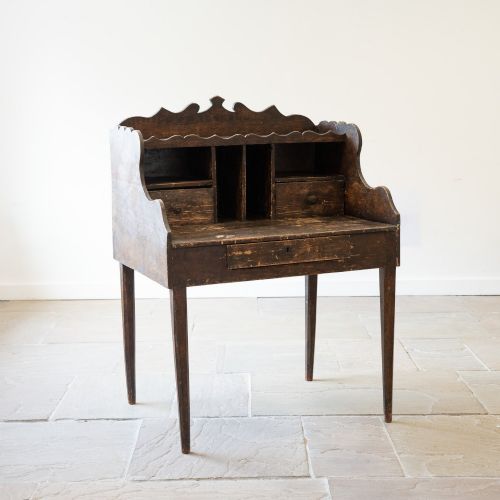
The inventory includes freestanding writing desks, cylinder desks, and tall breakfront bookcase combinations equipped with glazed doors.
What varies in quality
The caliber of an antique secretary rests upon the selection of timber veneers, the precision of the marquetry or inlay work, and the complexity of the internal fittings. Superior examples display symmetrical figuring in the wood grain, finely cut dovetails, and sophisticated interior compartments with secret drawers or panelled doors.
Proportion and execution define the upper tiers of these pieces, seen in well-balanced breakfront bookcases, finely cast brass mounts, and original glazed doors with delicate astragal bars. Simpler provincial desks or later revival pieces exhibit plainer secondary timbers, standard brassware, and less intricate internal stationery arrangements.
E Gomme·Gillows·Edwards & Roberts
The Antique Secretary Glossary
- Bureau bookcase
- A cabinet combining a sloping-lid writing desk at the base with an enclosed bookcase section above. This form provides both workspace and visible display storage.
- Astragal glazing bar
- A narrow wooden moulding used to hold individual panes of glass within a cabinet door. These bars form geometric patterns across the glazed front.
- Fall front
- A hinged writing flap that drops from a vertical position to a horizontal surface for writing. It conceals internal drawers and pigeonholes when closed.
- Marquetry
- Decorative veneer work forming pictorial or geometric patterns using various woods, shells, or metals. Craftsmen fit these thin pieces together into a master veneer sheet.
Antique Secretary: Frequently Asked Questions
What is the difference between a bureau and a secretary?
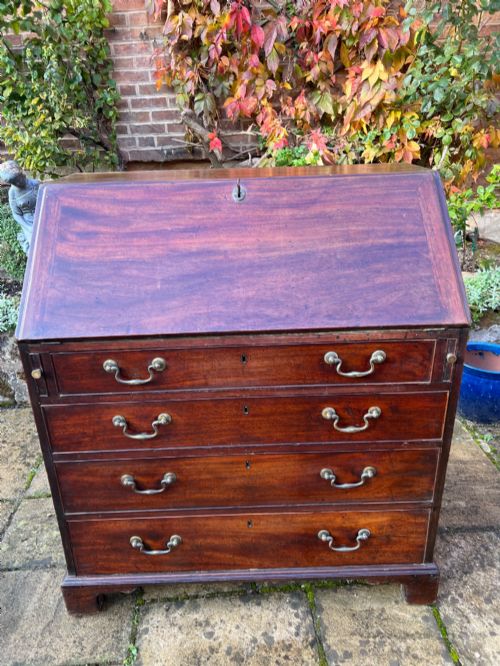
In British terminology, a bureau typically refers to a slant-front desk with internal compartments, whereas a secretary or secretaire incorporates a pull-out drawer with a drop-front writing surface.
Both forms serve the same dual purpose of writing and storage, often paired with upper bookcase cabinets across the Georgian and Regency periods.
How do I identify a Georgian secretary?
Georgian secretaries feature solid proportions, dense timbers like mahogany or oak, hand-cut dovetails on drawer boxes, and traditional brass swan-neck handles or drop pulls.
Many examples from this era showcase astragal glazed doors and fitted interiors with central cupboard doors flanked by small pigeonholes.
Where were secret compartments placed?
Cabinetmakers usually concealed secret compartments within the fitted interior of the writing section, often behind central pigeonhole units or sliding panels.
Users accessed these hidden spaces by removing specific small drawers or pressing spring-loaded catches inside the stationery nest.
How do I care for antique wood surfaces?
Maintain antique timber and veneer by keeping pieces away from direct sunlight, heating vents, and rapid humidity changes that cause wood to shrink or crack.
Apply traditional beeswax periodically and buff gently with a soft cloth to nourish the polish without building up heavy wax residues.