
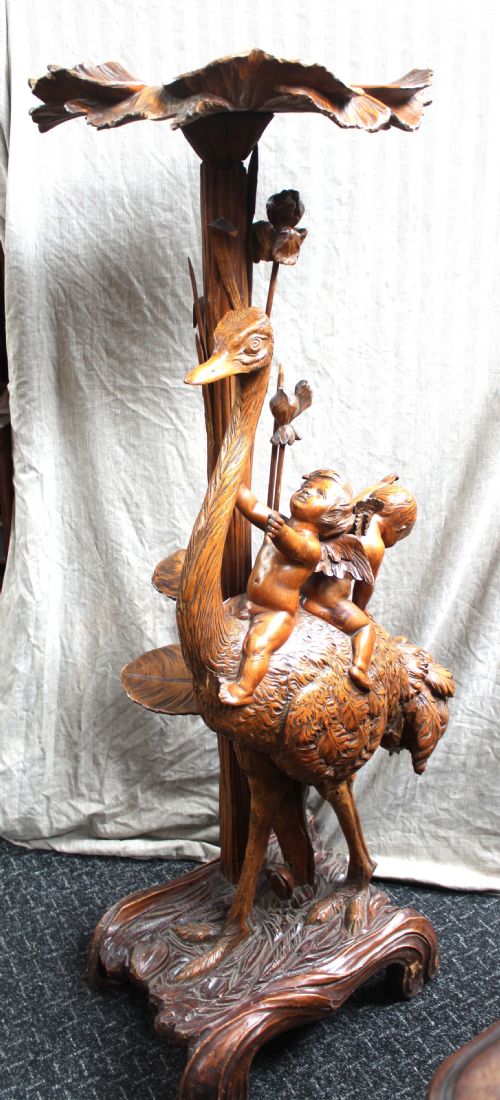


Antique Sculpture Display Stand
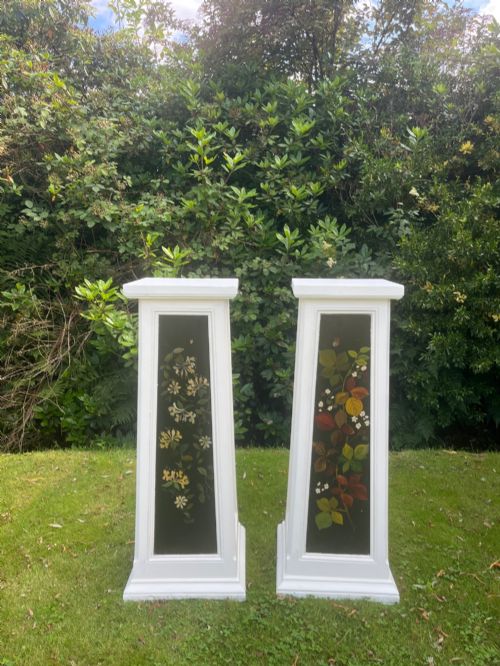
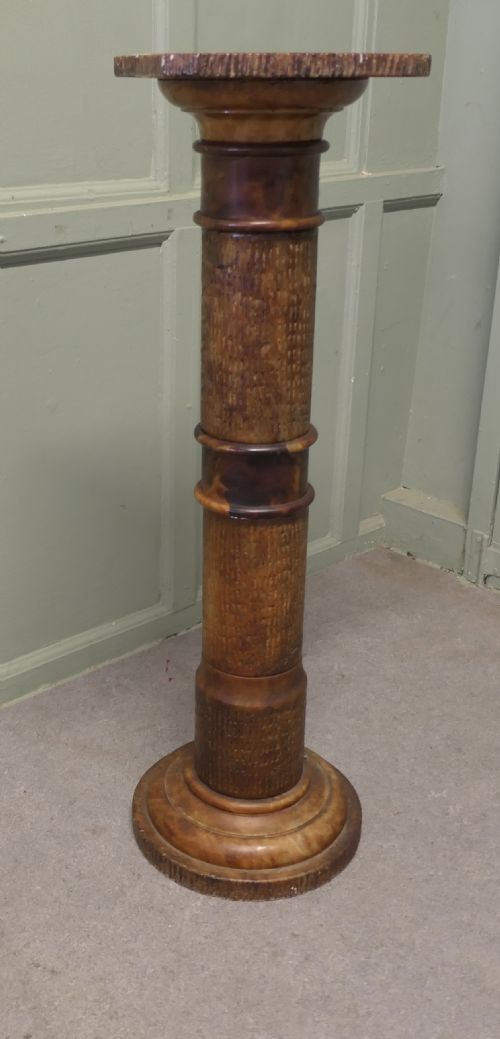
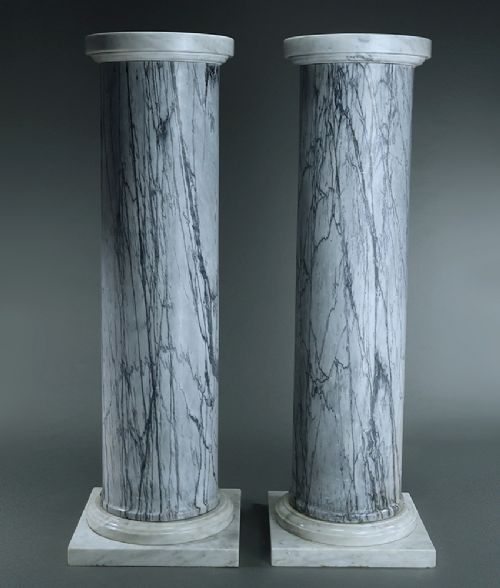
These antique sculpture display stands are substantial timber pedestals and plinths designed to elevate and frame three-dimensional art.
What these pieces are
An antique sculpture display stand serves as a dedicated plinth or pedestal to support art within a room. When you search for an antique sculpture display stand, you encounter pieces that elevate busts, figures, and urns to eye level.
The selection here encompasses forms such as pedestals and plinths dating from the nineteenth century. These objects function architecturally within an interior to give presence to displayed sculpture.
Examples on this page span several decades of the nineteenth century, including pieces from eighteen eighty, nineteen hundred, and earlier. Makers utilised traditional forms to create sturdy supports for heavy display items.
How they were made
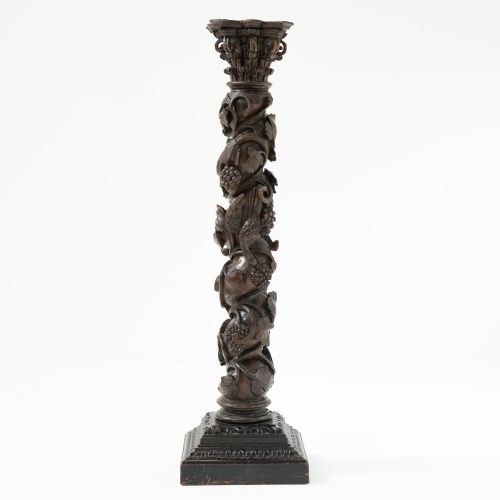
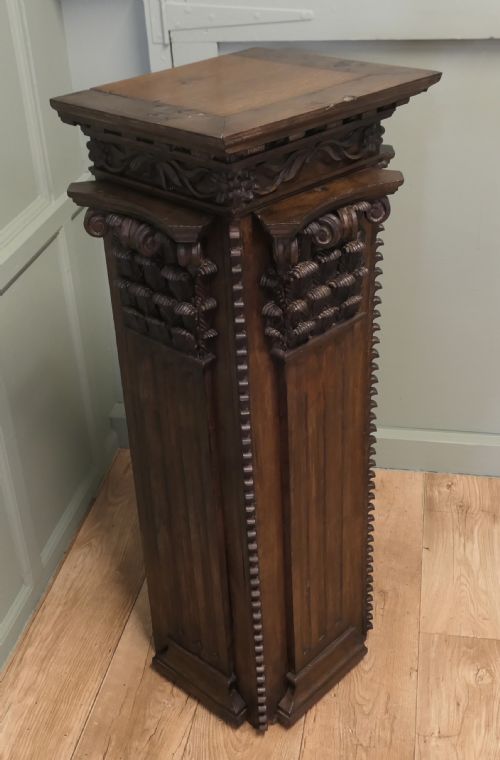
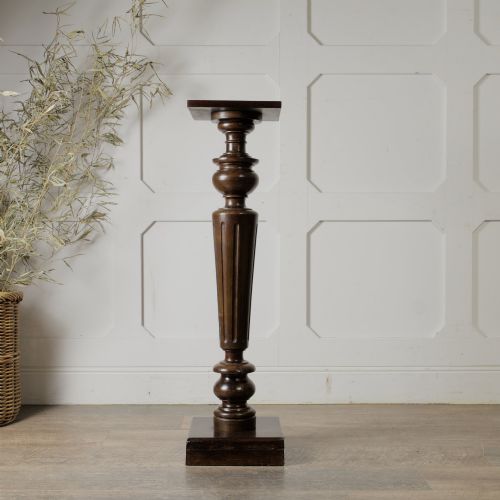
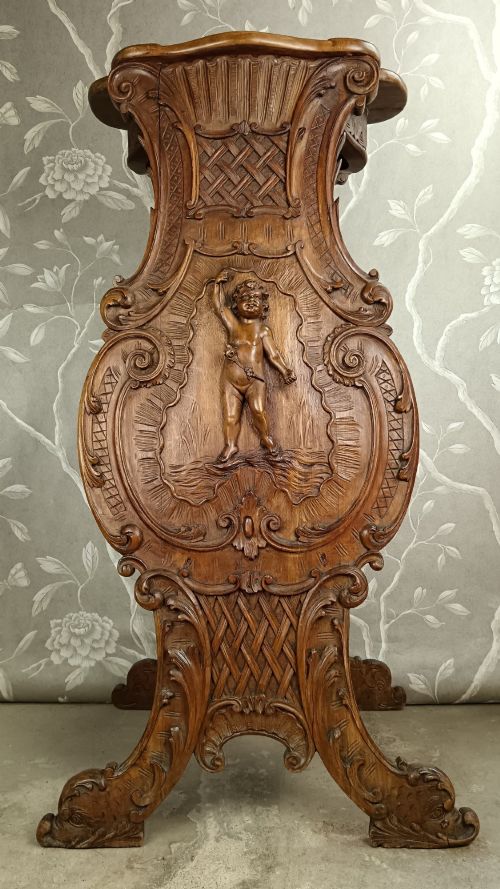
Cabinet makers constructed these stands using dense timbers such as mahogany, oak, and other hardwoods. Woodworkers shaped these materials through carving and joinery to achieve structural stability for heavy loads.
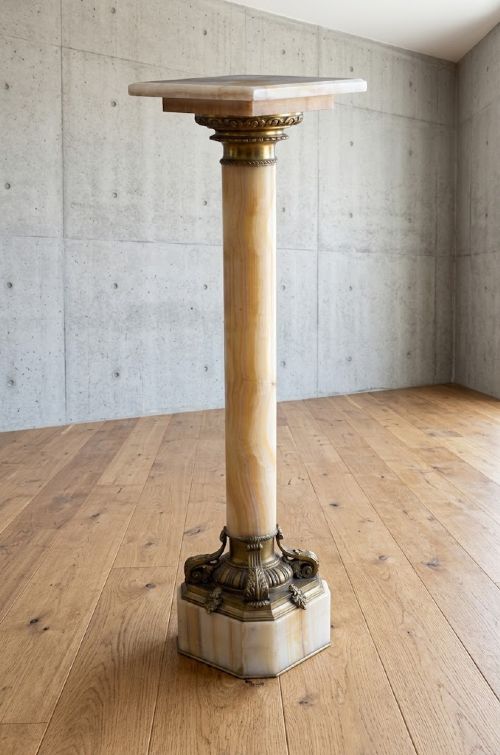
Decorative embellishments on select pieces include ormolu and gilt bronze mounts. These metallic additions provide contrast against the dark surfaces of the mahogany and oak.
Listings feature items from the nineteenth century, including specific dates such as eighteen eighty and nineteen hundred, constructed from mahogany, oak, and carved wood.
What varies in quality
The distinction between standard and superior pieces rests upon the precision of the woodwork and the richness of the timber. Finely figured mahogany and detailed carved wood demonstrate a higher standard of craftsmanship than plain utility pieces.
The presence of decorative metalwork such as ormolu or gilt bronze alters the character of a stand. Heavier, more intricate carving marks out the more ambitious examples in this category.
The Antique Sculpture Display Stand Glossary
- Pedestal
- A free-standing vertical support used to elevate a statue, vase, or bust. These columns often feature a broadened top and base for stability.
- Plinth
- The flat base or slab upon which a column, pedestal, or sculpture rests. In these listings, plinths form the foundational support for three-dimensional art.
- Ormolu
- Finely ground high-carat gold-bronze applied to ornamental metalwork. This technique adds metallic lustre to classical furniture mounts.
- Chippendale Revival
- A decorative style inspired by eighteenth-century cabinet making traditions. Pieces in this manner appropriate earlier proportions and carved motifs.
Frequently Asked Questions
What is an antique sculpture display stand used for?
These pieces function as pedestals and plinths to elevate busts, figures, and decorative objects above floor level. They place art at a suitable height for viewing within a room.
Historically, collectors and households utilised these stands in reception spaces and galleries to highlight important sculptural works. Their sturdy construction ensures they safely bear the weight of heavy timber, bronze, or marble items.
How do I identify a nineteenth-century pedestal?
Nineteenth-century stands typically display dense hardwoods such as mahogany and oak, often shaped with traditional hand-carving techniques. Stylistic cues such as neoclassical lines or Chippendale revival motifs point to this era.
Examining the construction methods underneath and inside the pedestal reveals period joinery. The weight of the timber and the quality of the finish further indicate nineteenth-century origin.
Where should I place a sculpture stand at home?
These pedestals suit corners, hallways, or focal points in a principal reception room where a sculpture or urn requires elevation. They require a stable, level floor surface to support heavy art safely.
Allow sufficient clearance around the stand so the displayed object can be viewed from multiple angles. Positioning the piece away from direct heat sources protects the timber from drying out.
What timber types are used in these stands?
Makers constructed these display stands primarily from sturdy woods including mahogany, oak, and general hardwoods. These materials provide the necessary strength to support heavy sculptural pieces without flexing.
Selected examples incorporate decorative details in ormolu and gilt bronze alongside the primary timber structure. The natural grain of the mahogany or oak often forms the visual focal point of the stand.