

Antique Scottish Landscape
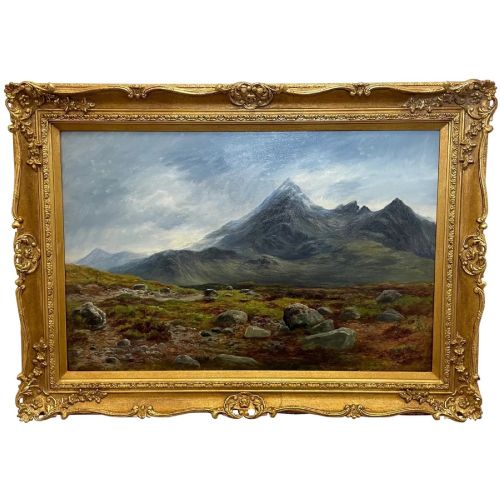
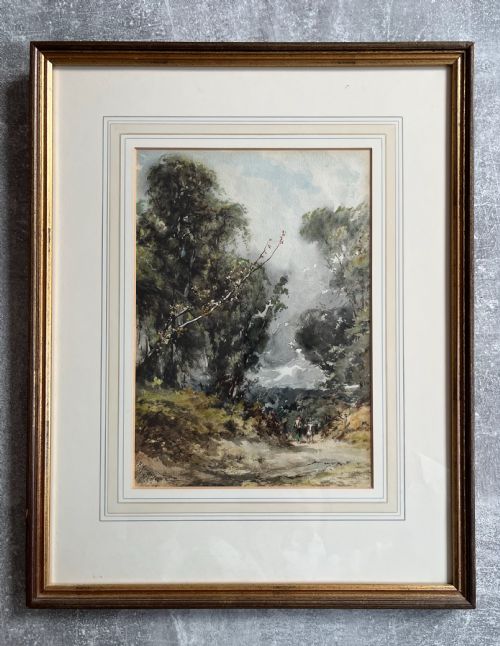
An antique scottish landscape brings the rugged topography, misty lochs and remote crofts of the north directly onto canvas or paper.
The Nature of the Works
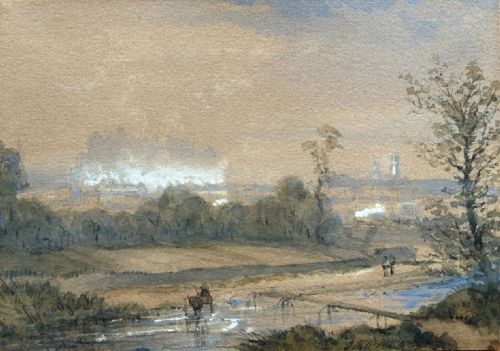
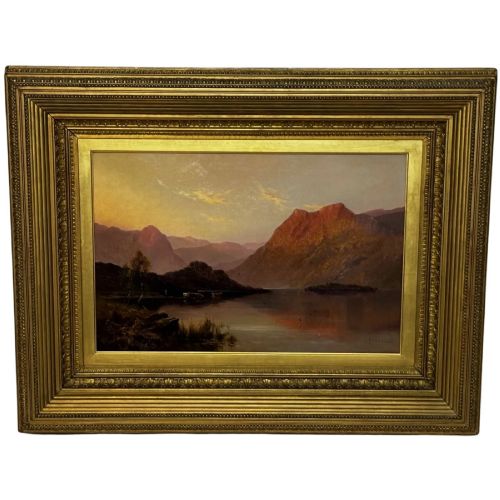
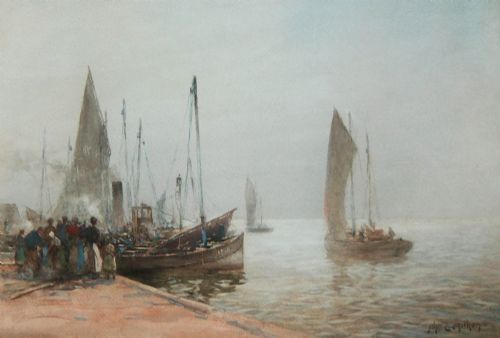
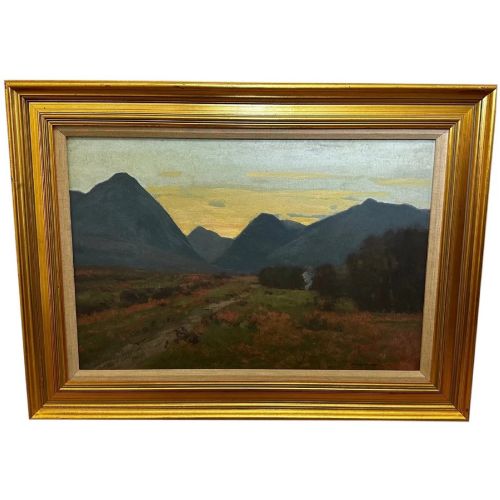
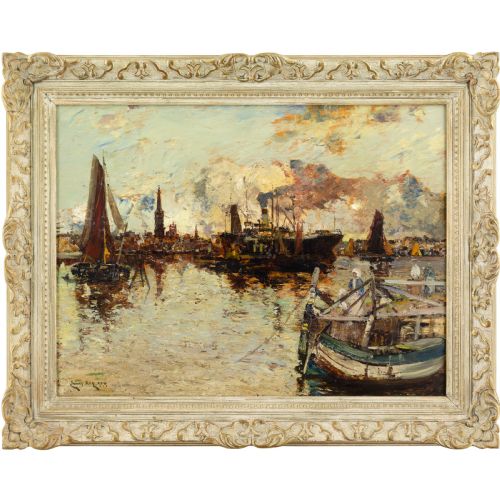
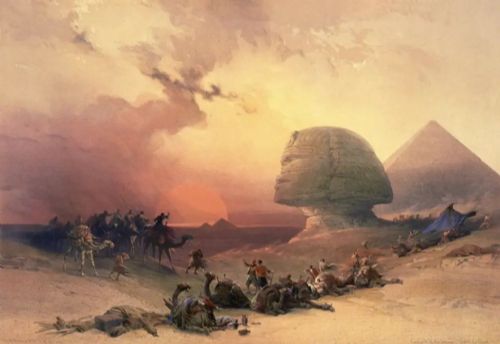
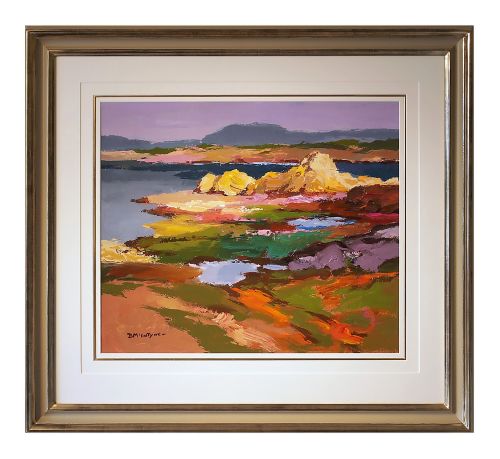
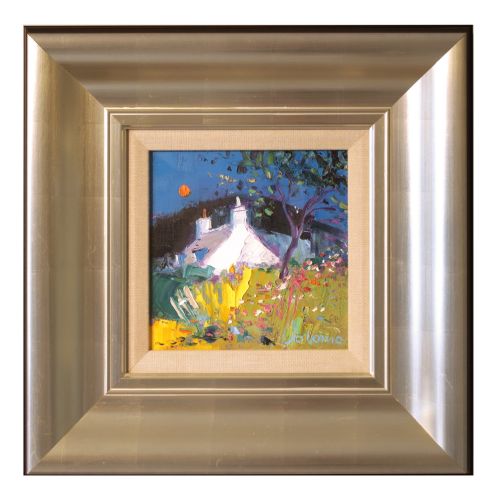
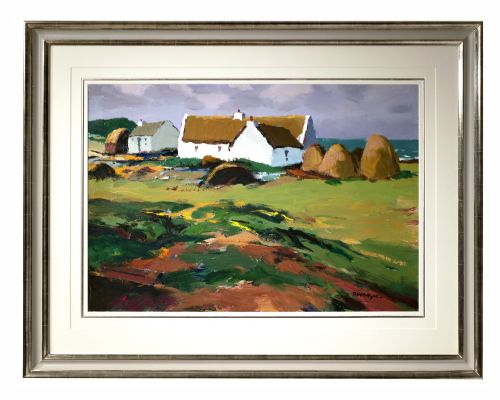
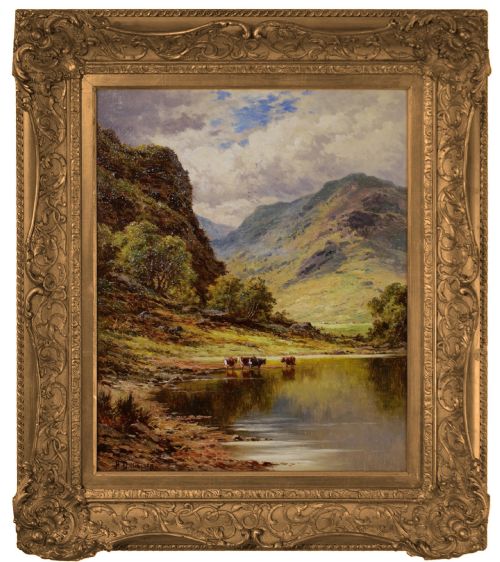
An antique scottish landscape captures the distinct topography, remote terrain and dramatic weather of the region through painted depictions of lochs, mountains and coastal views. These works document the changing agricultural and pastoral life of the Highlands and Lowlands across centuries, often featuring cattle, sheep and historical ruins.
The most common examples encountered on this page date from the nineteenth and early twentieth centuries, reflecting the period's intense artistic fascination with northern scenery. Painters frequently returned to specific locales such as Loch Tay, Loch Awe and Edinburgh to record the shifting light over heather moors and ancient castles.
Compositions range in scale from intimate watercolours on paper to large oil paintings on canvas and wood panel. Whether executed by professional academicians or competent regional artists, each piece relies on direct observation of the terrain to construct a recognizable sense of place.
Materials and Technique
Painters utilised oil on canvas, wood panel or board to build rich textures, often laying canvas directly onto supporting boards for stability. Watercolour paint on paper served for lighter, more translucent atmospheric effects, capturing the damp mist and shifting skies typical of the region.
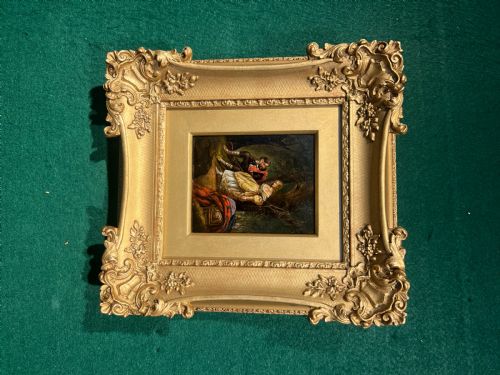
Support materials include traditional oak stretching frames, heavy woven canvas and high-grade paper stock housed behind protective glass within gilt wood frames. Pigments were applied with varied brushwork, from tight, detailed handling of architecture to broad, expressive strokes across moorland scenery.
Retail Price Guide 2026
Typical UK retail prices for scottish landscape, calculated from the Sellingantiques database of over a million retail prices indexed since 2003. This retail price guide relies exclusively on Sellingantiques data; no external sources or auction records are used, so the figures do not describe the wider market.
Mediums recorded across the archive include oil on canvas, wood panel, watercolour paint, and gilt wood framing.
Distinctions in Execution
Quality rests upon the artist's command of atmospheric perspective and light, where superior works render the heavy mists and deep shadows of Highland terrain with convincing depth. Weaker examples often rely on formulaic compositions and repetitive handling of foliage and water without structural integrity.
The precision of detail in figures and animals, such as Highland cattle or sheep rendered with distinct anatomical correctness, separates masterworks from standard studio production. Original framing in period gilt wood further elevates the integrity of the piece.
William Watson Jnr·Henry Birtles·Josephine Haswell Miller·Julius Caeser Ibbetson·F E Jamieson·Andrew Kurtis·Stephen Enoch Hogley·Robert Houston·John Morison·George Stratton Ferrier·Tom Campbell·Herbert Moxon Cook
The Antique Scottish Landscape Glossary
- Oil on Canvas
- A traditional painting medium where pigmented oil paints are suspended in drying oils and applied to a stretched woven fabric support. This technique allows for deep colour saturation and rich surface texture.
- Watercolour Paint
- A medium consisting of coloured pigments suspended in a water-soluble vehicle, typically applied to paper. It produces transparent washes that capture delicate atmospheric effects.
- Gilt Wood
- Wood carved and coated with a thin layer of gold leaf or metallic gilt powder, commonly used for period picture frames. It enhances the visual weight and presentation of the artwork.
- Wood Panel
- A rigid flat wooden support used as a base for oil paintings prior to the widespread adoption of canvas. Panels provide a stable surface that prevents the cracking associated with flexible fabrics.
Frequently Asked Questions
What subjects appear most frequently?
The imagery focuses heavily on Highland lochs, rugged mountain ranges, moorland sheep and cattle grazing near historic castles or remote crofts. Artists also recorded urban and river views, particularly around Edinburgh and the River Tweed.
These depictions reflect both the romanticized view of the Highlands popular among Victorian travellers and the actual agricultural life of rural communities during the period.
How do I care for these paintings?
Protect works on paper from direct sunlight to prevent the fading of delicate watercolours and the yellowing of the underlying paper stock. Keep oil paintings away from excessive heat sources and damp environments that can warp wooden panels or crack paint layers.
Display pieces in stable indoor conditions, using glass protection for watercolours and allowing oil surfaces to breathe without harsh chemical cleaning agents.
How do I identify the age of a piece?
Examine the materials used for the support, such as hand-woven canvas, early mill-stamped paper, or solid wood panels typical of eighteenth and nineteenth-century construction. Signatures, dates inscribed verso, and framing styles provide primary clues to the exact decade of creation.
Stylistic shifts, ranging from the tonal restraint of Georgian watercolours to the bolder brushwork of late Victorian and post-impressionist canvases, further anchor the work in its historical era.
Where were these artists working?
Many painters travelled directly into the Scottish Highlands and Lowlands, establishing field sketches along the shores of Loch Awe, Loch Katrine and the Trossachs. Others worked from urban studios in Edinburgh and Glasgow, translating field studies into finished exhibition pieces.
Regional art societies and local patronage networks supported these creators as they documented the changing rural landscape of Scotland.