


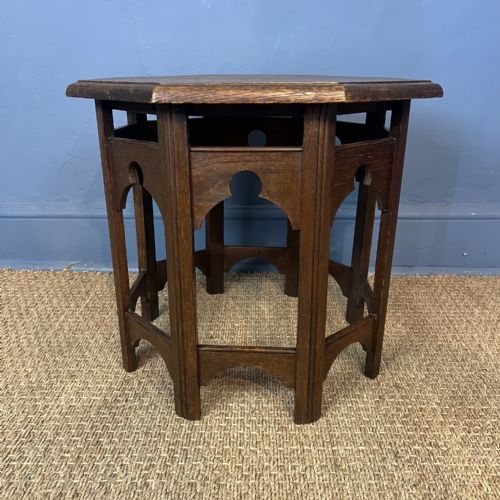
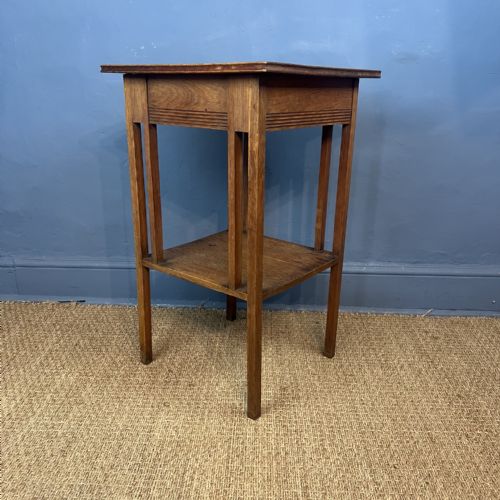
Antique School Furniture
These pieces of antique school furniture bring institutional utility and honest craftsmanship straight into modern rooms.
Antique School Furniture
When you search for antique school furniture, you encounter sturdy desks, benches, and cupboards built for heavy daily use. The examples appearing here span from the Victorian era through the 1940s, originating from educational institutions and institutional workshops.
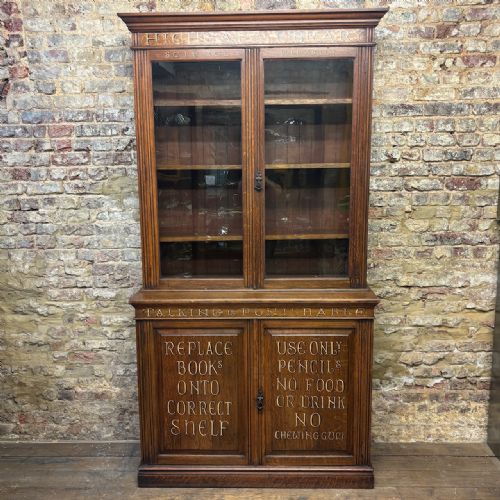
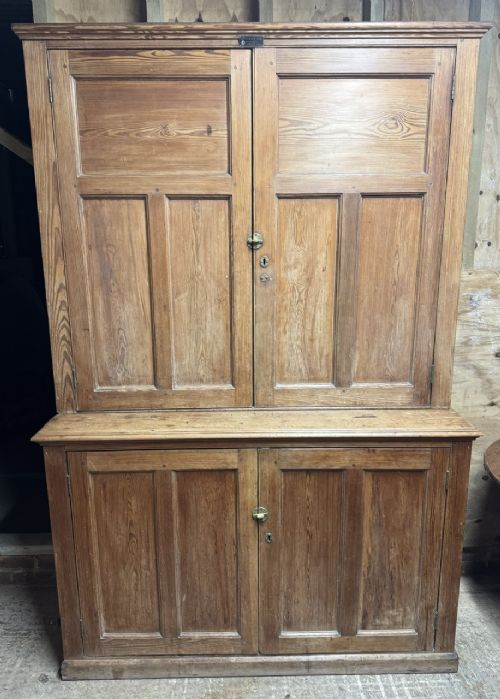
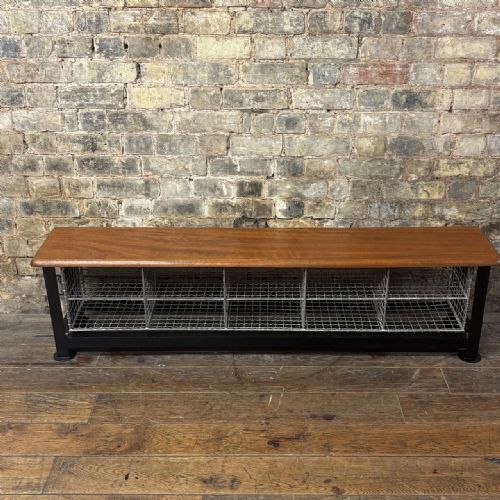
You are most likely to meet pine and oak pieces, including long benches, painted pine cupboards, and children's desks. Many items bear the marks of their former institutional homes, such as hand sign-writing.
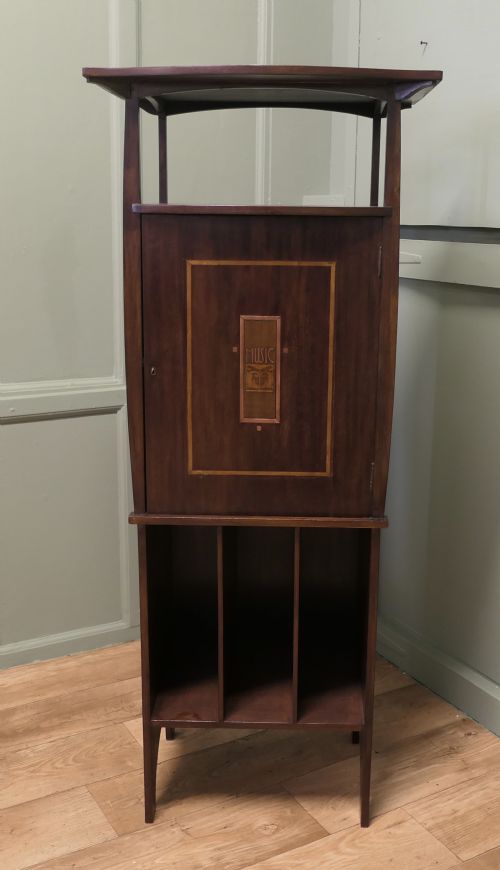
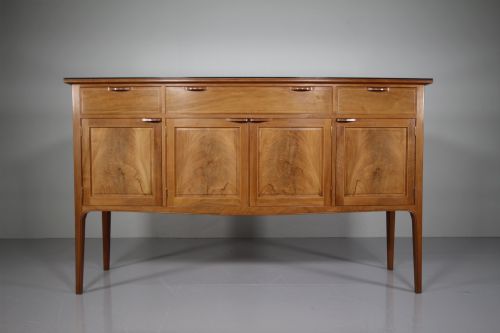
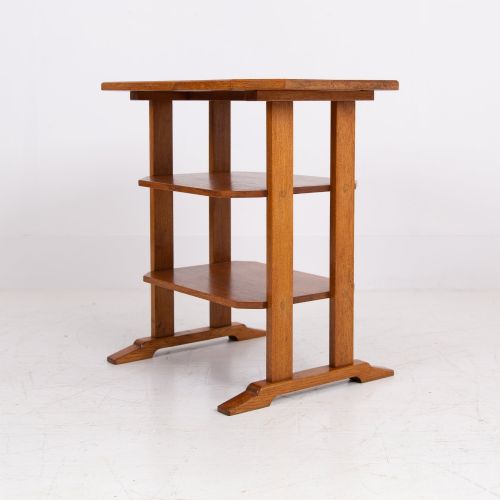
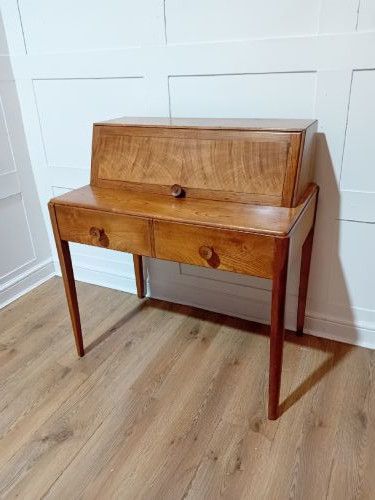
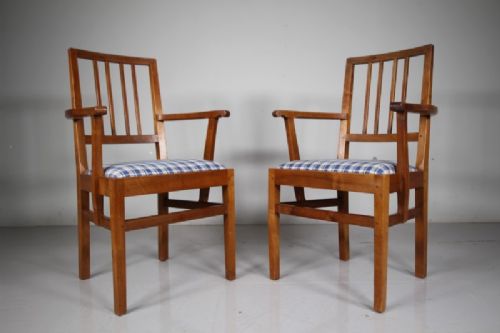
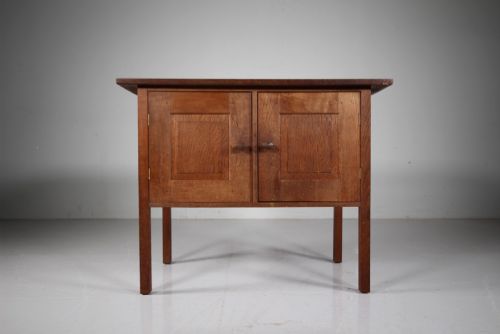
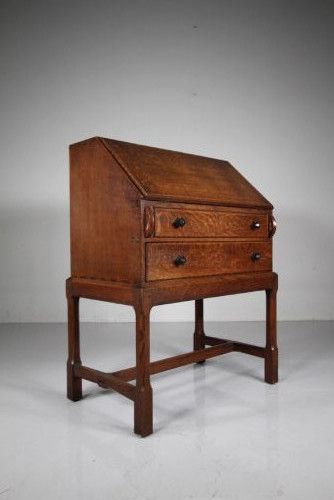
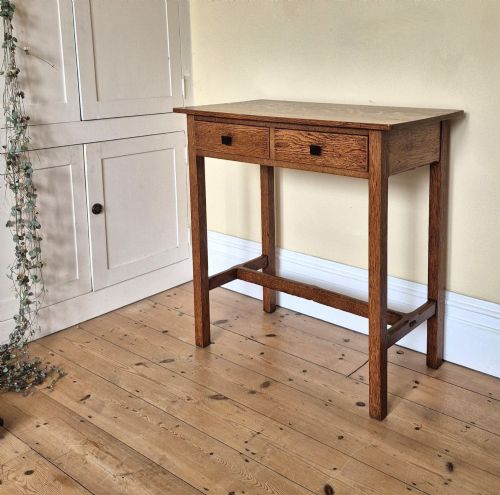
Alongside plain utilitarian items, the selection includes pieces linked to notable schools of design like the Cotswold School and Glasgow School. These elevate standard forms through careful proportions and exposed joinery.
What varies in quality
Quality rests in the grade of timber selected and the integrity of the construction. Plain institutional pine items prioritize utility, whereas pieces bearing workshop stamps or attributed to specific designers demonstrate finer hand-working.
The degree of original survival distinguishes pieces. Items retaining their untouched painted surfaces, authentic hardware, and institutional markings hold greater interest than heavily restored or altered examples.
Listings feature oak and pine predominantly, spanning the Victorian period through the 1940s.
GM Elwood for JS Henry·Oliver Morel·Arthur Basil Reynolds·Edward Barnsley·Peter Waals·Stanley Webb Davies·Hubert Simpson of Kendal·Wylie Lochhead·E.A. Taylor·Heals of London·Pairs MFG Co·Robert Mouseman Thompson·Louis Majorelle·Arthur Reynolds Of Ludlow
The Antique School Furniture Glossary
- Pitch pine
- A resinous softwood noted for its durability and strong grain pattern, frequently utilised for long benches and utilitarian school furniture.
- Cotswold School
- A twentieth-century design movement centred on traditional hand-tooling and solid timber construction, represented here by bureaus and cabinets.
- Glasgow School
- An influential turn-of-the-century Scottish design circle known for distinctive linear forms and Arts and Crafts principles.
- Institutional
- Describing items manufactured specifically for public bodies, schools, or libraries with an emphasis on plain, robust utility.
- Sign-written
- Lettering applied by hand directly to a painted surface, often identifying the original institutional owner such as a specific academy.
Antique School Furniture: Frequently Asked Questions
How do I identify a school bench?
School benches typically feature long, narrow proportions in sturdy timbers like pitch pine or oak. They often display structural stretcher rails designed to endure heavy daily sitting.
Look for evidence of hard institutional use, such as ink stains, notches, or original painted markings identifying the academy or foundation.
Where were these pieces used?
These items served within classrooms, libraries, and assembly halls across various institutions. Bookcases and cupboards stored instructional materials, while desks accommodated students.
Many bear physical traces of this environment, connecting them directly to the daily routines of historical educational spaces.
How do I clean painted pine?
Painted pine surfaces require gentle cleaning with a soft, dry cloth to remove dust. Avoid harsh chemical cleaners that can strip historic paint layers.
If washing is necessary, use a damp cloth with mild soap and dry the timber immediately to protect the underlying wood.
Are these items suitable for daily use?
These pieces were originally engineered for rigorous institutional environments, making them exceptionally durable for modern settings. Their solid construction handles everyday demands easily.
Checking joints and stabilizing minor looseness ensures they remain functional for contemporary domestic spaces.