





Vintage School Cupboard
A vintage school cupboard offers robust institutional storage and enduring craft, bringing honest utility and character into modern homes.
Vintage School Cupboard
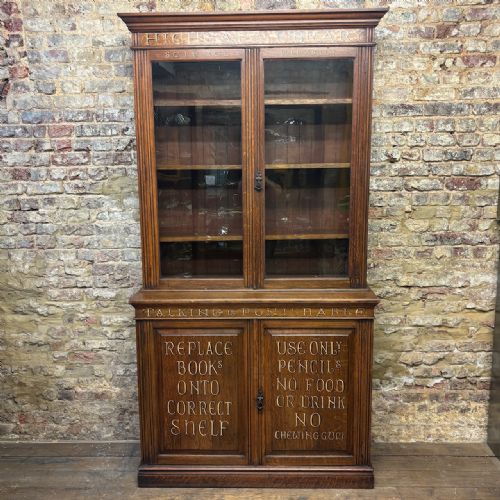
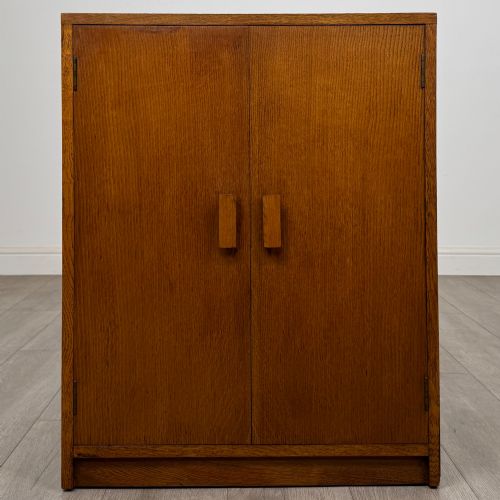
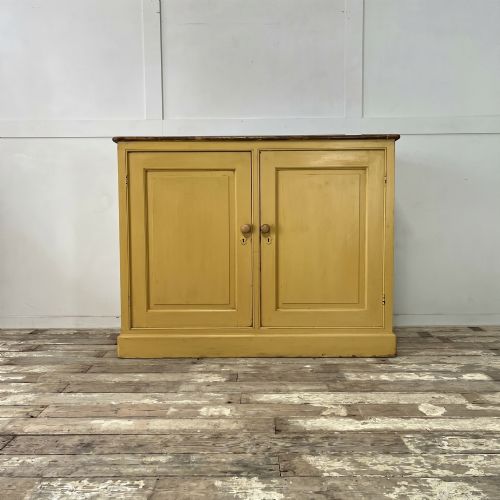
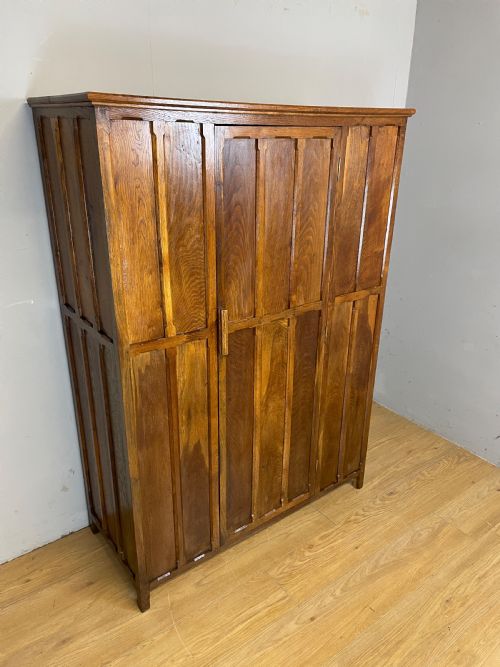
A vintage school cupboard represents the utilitarian and institutional storage solutions used in educational settings across the nineteenth and twentieth centuries. These pieces encompass robust library bookcases, fitted cabinets in golden oak, and painted pine cupboards originating from Victorian and later periods.
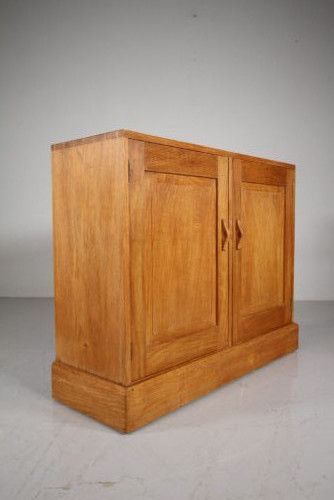
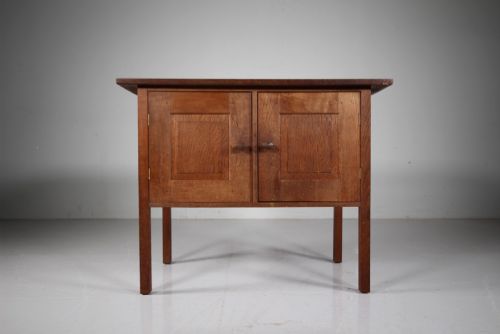
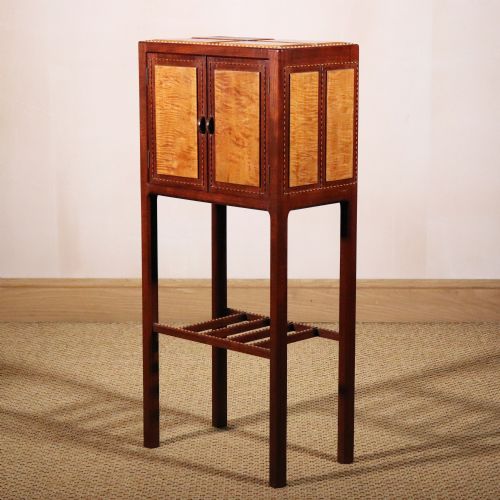
The version most commonly met on this page is the early twentieth-century oak or pine cupboard, reflecting decades of institutional use. Examples range from simple Victorian painted pine storage units to specialised 1930s art department cabinets and Cotswold School creations.
How they were made
Construction relies heavily on durable timbers such as oak, English oak, pine, and mahogany, chosen for their resilience in demanding environments. Hardware typically includes brass and iron fixtures that withstood heavy daily use in classrooms and libraries.
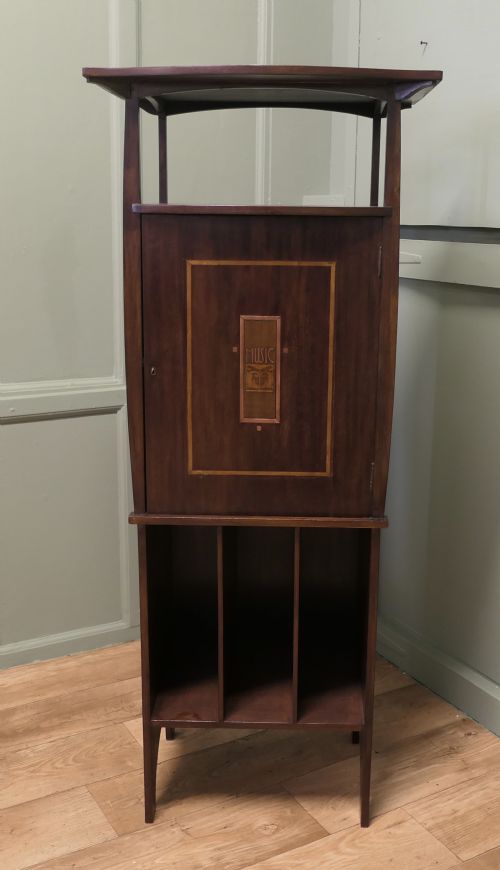
Many items incorporate traditional joinery alongside applied wood inlay or painted finishes, particularly within the Arts and Crafts and Cotswold School traditions. Original finishes are frequently preserved, showing the natural grain of the wood or period paint layers.
Listings feature oak, pine, and mahogany across periods spanning the Victorian era through the 1960s.
What varies in quality
Quality separates simple utility furniture from pieces bearing distinct design provenance, such as stamped works by known makers or attributed Cotswold School pieces. The choice of primary timber, from basic pine to select golden oak or mahogany, alters the visual presence of the cabinet.
The preservation of original surface finishes, hardware like brass and iron handles, and fitted interior shelving distinguishes untouched examples from heavily altered or restored items.
GM Elwood for JS Henry·Peter Waals·Heals of London
The Vintage School Cupboard Glossary
- Cotswold School
- A twentieth-century design movement focusing on handcrafted furniture with simple forms and exposed joinery, often utilising solid oak. This style emphasises honest construction and traditional woodworking techniques.
- Arts and Crafts
- A design movement valuing traditional craftsmanship, simple forms, and natural materials over mass production. Pieces from this tradition often display hand-finished surfaces and thoughtful detailing.
- Fitted cupboard
- A storage unit designed to occupy a specific architectural space or equipped with dedicated internal shelving and compartments. These pieces often served functional roles in institutional libraries and classrooms.
- Painted pine
- A soft timber surface coated in period paint, commonly found on utilitarian Victorian and institutional furniture. This finish protected the wood while providing a uniform appearance.
Vintage School Cupboard: Frequently Asked Questions
How do I identify a Cotswold School piece?
Look for solid oak construction, honest joinery, and restrained design influenced by the Arts and Crafts movement. These items often date from the 1920s and 1930s and display a focus on hand-worked materials.
Makers working in this tradition prioritised structural integrity and simple forms over elaborate ornamentation, resulting in robust furniture designed for long-term utility.
What woods were commonly used?
Oak, English oak, pine, and mahogany appear frequently across these listings. Pine was often painted for institutional use, while oak and mahogany served in libraries and showrooms.
The choice of material generally reflects the intended function and the period of manufacture, ranging from utilitarian school rooms to refined arts and crafts interiors.
Are these cupboards suitable for modern kitchens?
Their deep shelves and sturdy construction make them well-suited for storing kitchenware, pantry items, or dinnerware. The generous proportions provide substantial storage capacity.
Buyers often utilise them as standalone larders or display cabinets, bringing historical character and practical organisation into contemporary living spaces.
How do I care for original pine finishes?
Maintain painted or unpainted pine surfaces with gentle dusting and minimal moisture to preserve the historical finish. Avoid harsh chemical cleaners that can strip aged layers.
Regular application of suitable wax helps nourish bare timber while protecting the surface from everyday wear in a domestic environment.