




Antique Scent Jar
These antique scent jar examples combine cut glass and sterling silver mountings to hold personal fragrances across Victorian, Edwardian and Art Deco periods.
Antique Scent Jar
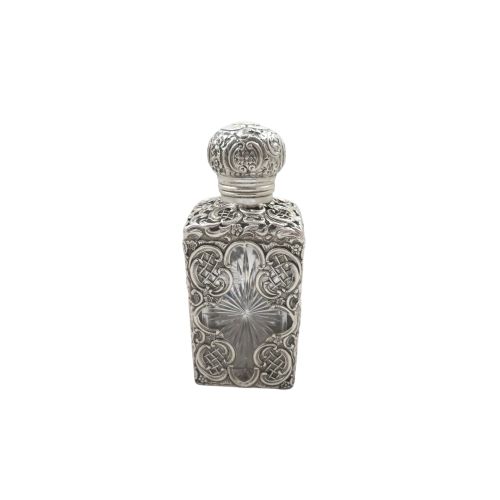
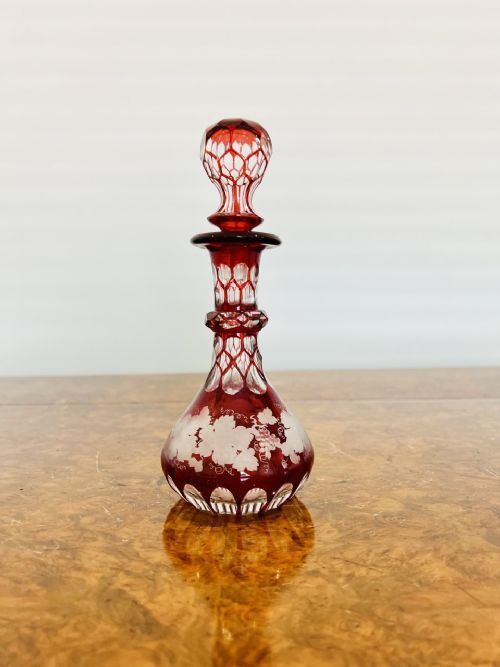
An antique scent jar encompasses small personal vessels, vanity jars and perfume bottles designed for dressing tables and travel. The selection on this page leans heavily toward Victorian and Edwardian cut glass bodies fitted with sterling silver lids.
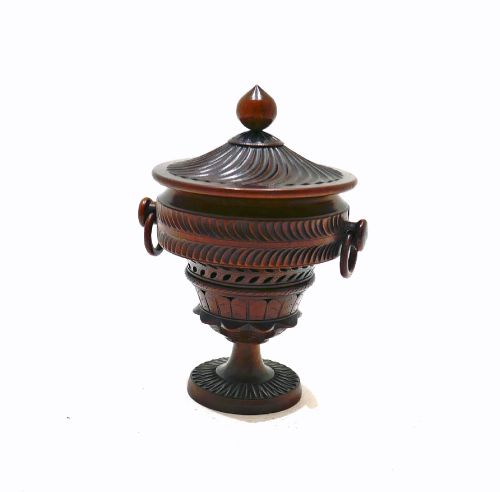
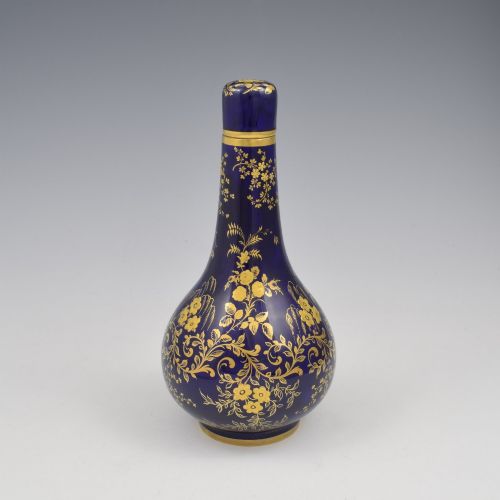
Buyers also encounter related vessels such as pot pourri vases, pomanders and rouge pots dating from the nineteenth and early twentieth centuries. Ceramic and porcelain forms from makers like Royal Worcester and Derby appear alongside glass examples.
Earlier archaeological pieces include ancient Roman glass unguentaria, while later decades introduce geometric Art Deco designs in enamel and coloured glass.
Materials and construction
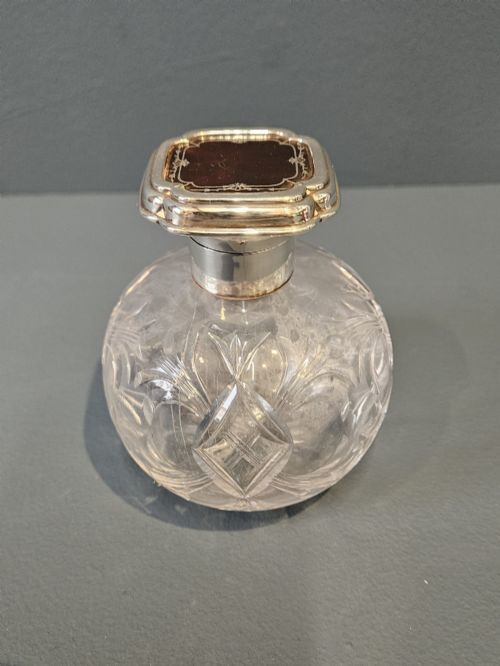
Cut glass and crystal form the primary bodies of these bottles, shaped to refract light through deep wheel-cut flutes and geometric patterns. Silversmiths mounted sterling silver collars, hinged caps and screw lids onto the glass necks, often applying hallmarks for assay offices in cities like Birmingham and London.
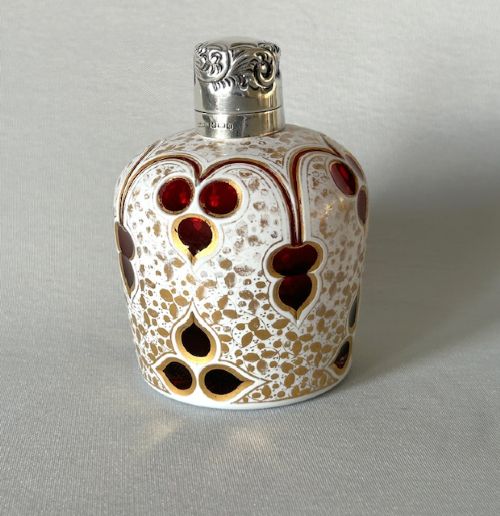
Tortoiseshell, enamel and gold leaf provide decorative contrast on lids and mounts, particularly in pieces from the Edwardian and Art Deco eras. Ceramic items utilise porcelain bodies with hand-painted floral motifs and gilding fired in kilns.
Materials recorded across the inventory include sterling silver, cut glass, porcelain, tortoiseshell, enamel and gold leaf.
Distinctions in craftsmanship
Quality rests in the crispness of the glass cutting and the weight of the sterling silver mounts. Finer examples display deep, sharp facets on the crystal and well-balanced proportions between the glass body and metal hardware.
The integration of delicate materials like tortoiseshell or applied enamel elevates a piece, requiring precise fitting by the silversmith. Maker marks from established firms indicate higher standards of manufacturing and finishing.
Henry Perkins·Samuel Alcock·William Comyns·Moorcroft Macintyre & Co·Barnsley & Co·Adie Brothers Ltd
The Antique Scent Jar Glossary
- Unguentaria
- Small ancient glass flasks or jars used to hold oils, perfumes or unguents. These archaeological vessels often display iridescent patination from centuries spent underground.
- Pomander
- A spherical container holding aromatic substances such as herbs or spices to freshen personal scent. Early examples utilise turned fruitwood or ceramic bodies.
- Pot pourri
- A vase or jar featuring a pierced or perforated lid designed to diffuse dried scented plant materials into a room. These decorative vessels frequently appear in porcelain.
- Hallmark
- A series of stamped official marks on precious metal indicating the standard of silver, the assay office, and the date letter. Sterling silver mounts on these bottles rely on these stamps for dating.
- Rouge pot
- A small vanity jar intended for cosmetics, commonly fitted with a silver or enamel lid. They frequently feature coloured or overlay glass bodies.
Antique Scent Jar: Frequently Asked Questions
What is the difference between a scent bottle and a vanity jar?
Scent bottles are engineered to contain liquid perfume, typically featuring narrow necks, ground glass stoppers and secure outer caps to prevent leakage.
Vanity jars possess wider openings designed for creams, powders or solid cosmetics, sitting upright on dressing tables rather than travelling in pockets.
How do I date a silver-mounted glass bottle?
The sterling silver mounts carry hallmarks that provide precise calendar years and assay office locations through stamped date letters and symbols.
Stylistic shifts in the cut glass patterns and the shape of the silver collars also help distinguish Victorian pieces from later Edwardian or Art Deco examples.
Were these bottles meant for travel?
Many Victorian and Edwardian perfume bottles feature secure screw-down sterling silver lids and fitted leather cases intended for carriage in luggage.
Larger dresser jars and decorative urns remained stationary on dressing tables and washstands, holding dry pot pourri or cosmetic preparations.
How should I clean silver mounts on antique glass?
Silver components require gentle polishing with a soft cloth to avoid touching adjacent glass, tortoiseshell or enamel panels.
Harsh chemical dips must be kept away from organic materials and glass interiors to preserve the historical integrity of the piece.