



Antique Scandinavian Seating
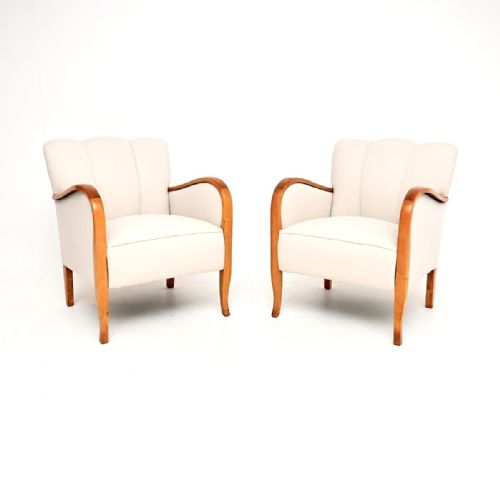
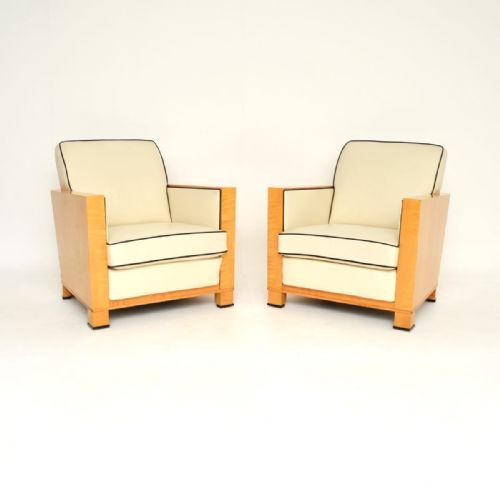
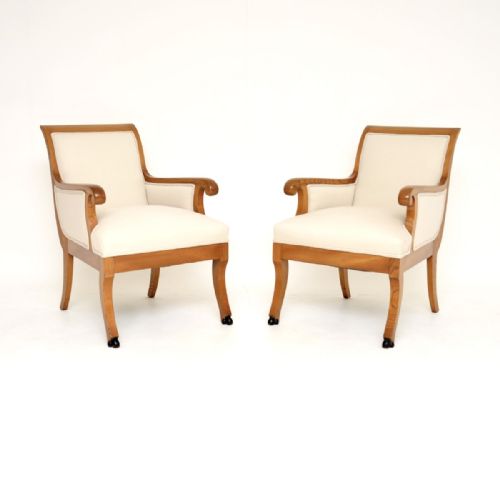
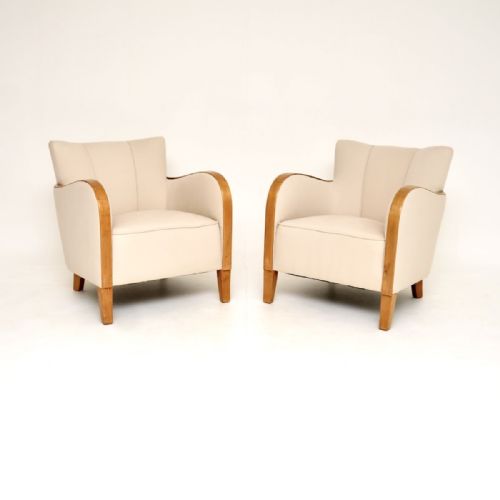
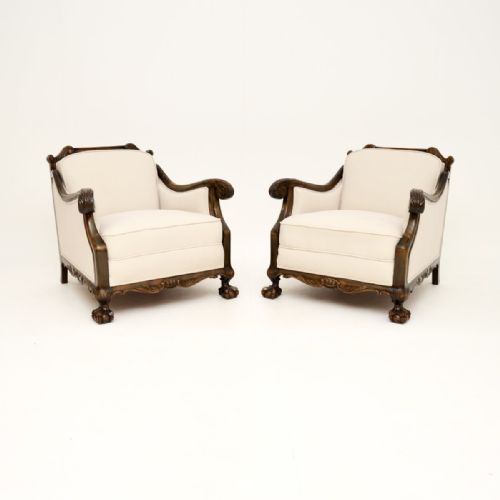
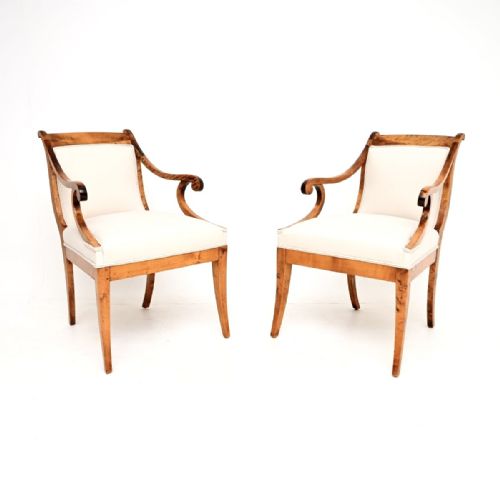
These antique scandinavian seating pieces range from rustic painted pine benches to refined satin birch art deco armchairs.
Antique Scandinavian Seating
Antique scandinavian seating encompasses a diverse array of chairs, stools, benches, and sofas originating primarily from Sweden across the eighteenth, nineteenth, and early twentieth centuries. Buyers searching for these items encounter everything from utilitarian country furniture to sophisticated urban designs influenced by classical and modern movements.
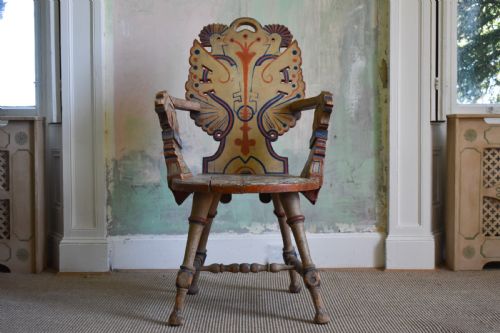
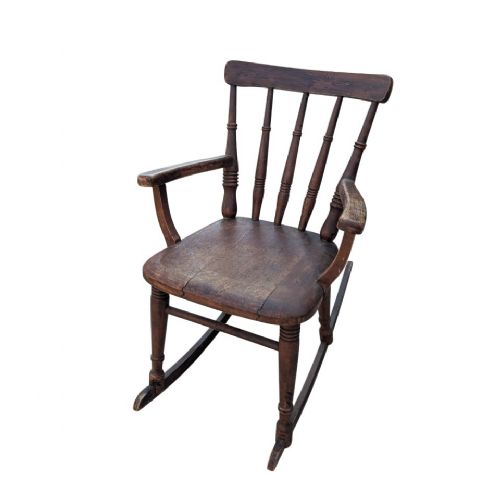
The selections span distinct periods including the restrained elegance of the Gustavian Neoclassical era, the warmth of Biedermeier, the charm of Scandinavian folk art, and the clean lines of Swedish art deco. Armchairs and benches dominate the offerings, alongside dining chairs, settees, and specialised forms such as children's rocking chairs and highchairs.
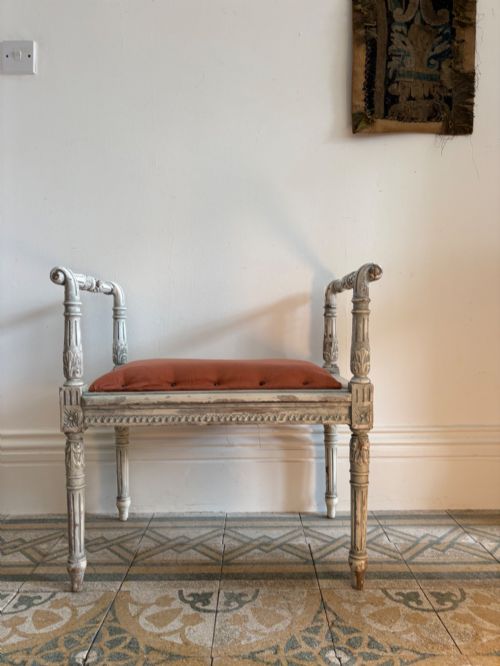
Most examples hail from the nineteenth century, though eighteenth-century settles and early twentieth-century birch seating frequently appear. Whether seeking a painted pine bench for a hallway or a pair of satin birch armchairs for a living room, buyers find forms rooted in practical Northern European traditions.
Materials and construction
Makers relied heavily on native timber, utilising pine for rustic country benches and settles, while employing birch, satin birch, and elm for finer armchairs and seating suites. Wood selection dictated the ultimate character of the piece, ranging from the visible grain of polished birch to the smooth canvas of painted surfaces.
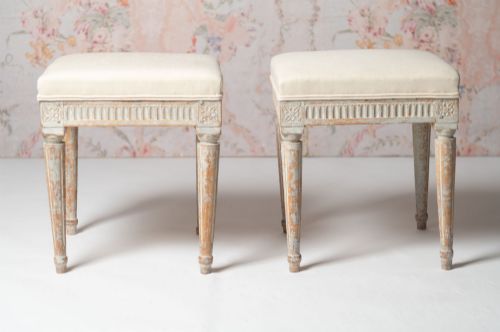
Paint finishes, particularly white or muted tones, defined much of the regional output, often applied to pine and softwood frames to brighten dimly lit northern interiors. Leather, fabric, and silk served as upholstery materials for club armchairs, dining seats, and stools, adding texture and comfort to wooden structures.
Listings feature eighteenth-century settles alongside twentieth-century art deco armchairs, demonstrating a broad chronological span of Scandinavian design.
Assessing quality and craftsmanship
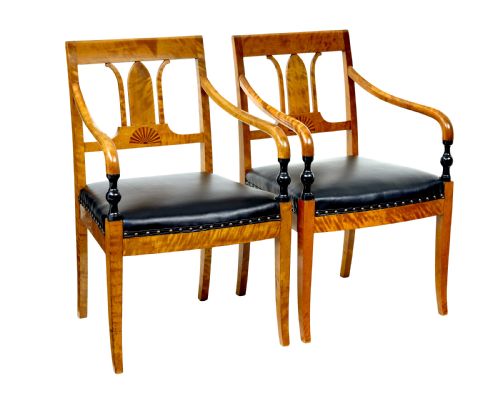
Quality rests in the fidelity of the period style and the integrity of the timber, where finely figured burr birch or solid elm elevates a piece above standard pine construction. The sophistication of the carving, the crispness of ebonised details, and the survival of original painted finishes distinguish finer workshop output from simple domestic carpentry.
Proportion and structural balance separate exceptional seating from utilitarian examples, especially in upholstered forms like Biedermeier and art deco armchairs. The retention of original upholstery materials or period textiles also influences the standing of a piece within its historical genre.
The Antique Scandinavian Seating Glossary
- Gustavian
- The Swedish interpretation of neoclassical design, characterised by restrained symmetry and light painted finishes. This style emerged during the late eighteenth century.
- Biedermeier
- A popular nineteenth-century central European and Scandinavian style focused on utilitarian comfort and clean lines. It often highlights the natural grain of birch and other blond woods.
- Settle
- A wooden bench featuring high backs and solid arms, designed to block drafts in domestic interiors. Many examples incorporate built-in storage beneath the seat.
- Dug out chair
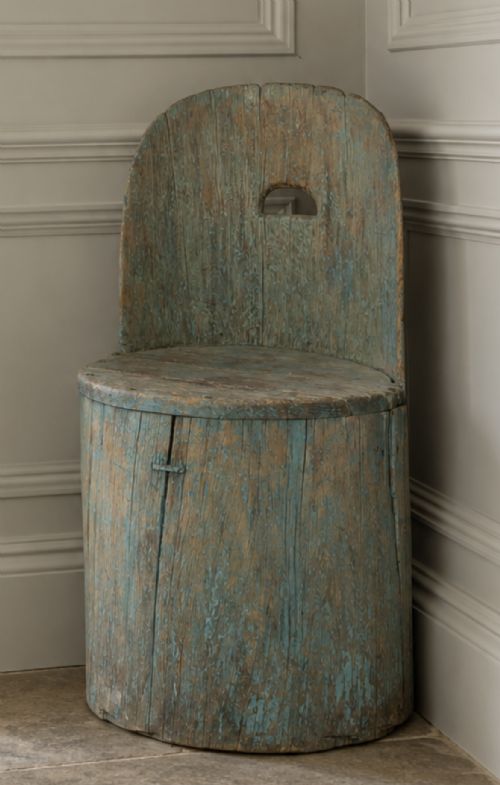
- A primitive seating form carved directly from a single log of pine or other timber. These rustic pieces represent traditional folk craftsmanship.
- Satin birch
- A timber prized for its lustrous, light-reflecting grain and golden hue. Cabinetmakers utilised this wood extensively in high-end nineteenth and twentieth-century armchairs.
Antique Scandinavian Seating: Frequently Asked Questions
How were wooden settles used?
Settles served as multi-functional seating for the communal areas of historic homes and farmhouses. Their high wooden backs and solid panelled sides provided essential protection against drafts in cold climates.
Many examples included hinged seats that opened to reveal storage compartments for blankets or household goods. They positioned easily near hearths to create cosy seating areas for families.
What is Swedish Biedermeier furniture?
Swedish Biedermeier seating developed during the nineteenth century, focusing on domestic comfort and the natural beauty of wood. Craftsmen favoured blond timbers like birch, allowing the striking grain patterns to serve as the primary decoration.
These pieces feature smooth curves and solid construction without excessive ornamentation. Their understated design principles bridge the gap between classical formality and modern functionality.
How do I identify painted country furniture?
Painted country furniture usually employs native softwoods like pine, finished with layers of historical paint in muted or white tones. These items reflect regional folk traditions rather than urban court styles.
Signs of age include the natural softening of edges and the accumulation of patination across the painted surfaces. They offer a rustic charm that grounds modern living spaces with historic character.