




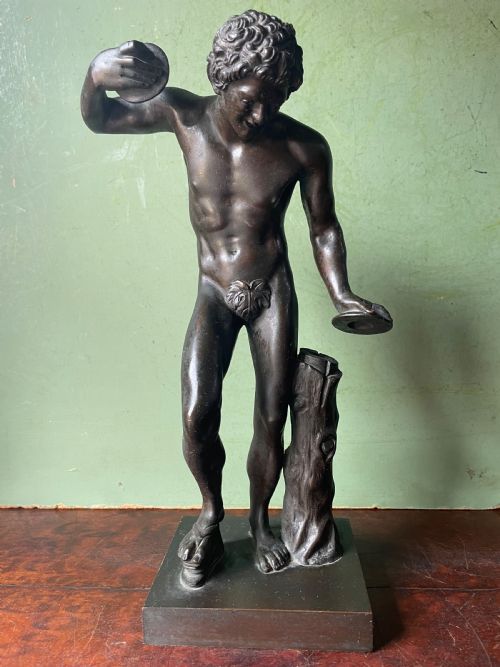
Antique Satyr Sculpture
An antique satyr sculpture captures the mythology of antiquity in bronze, marble, and alabaster, offering collectors classical charm and decorative presence.
Antique Satyr Sculpture
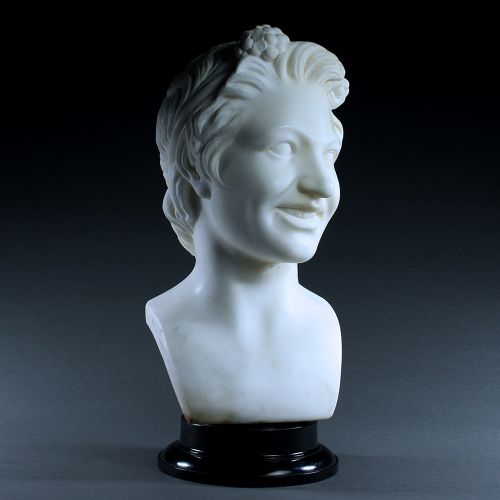
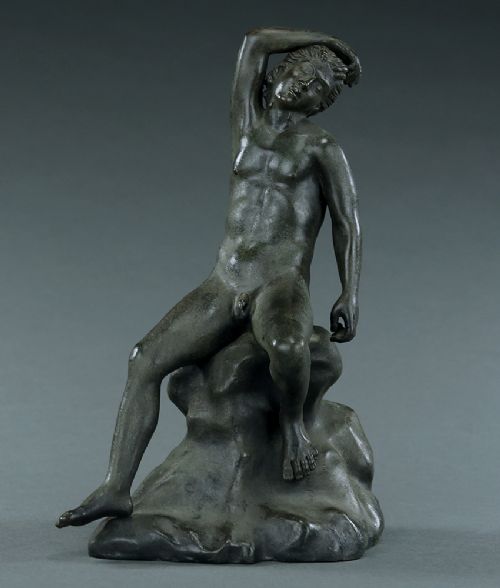
When you search for an antique satyr sculpture, you encounter figural bronzes, carved marble busts, and decorative objects drawn from classical mythology. These pieces range from Grand Tour souvenirs of famous Italian excavations to French cabinet bronzes and Victorian interpretations of woodland deities.
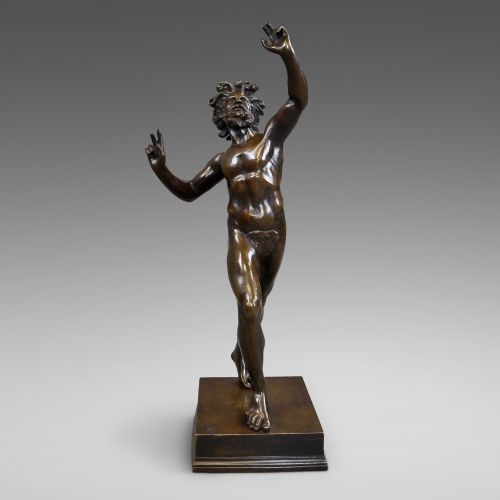
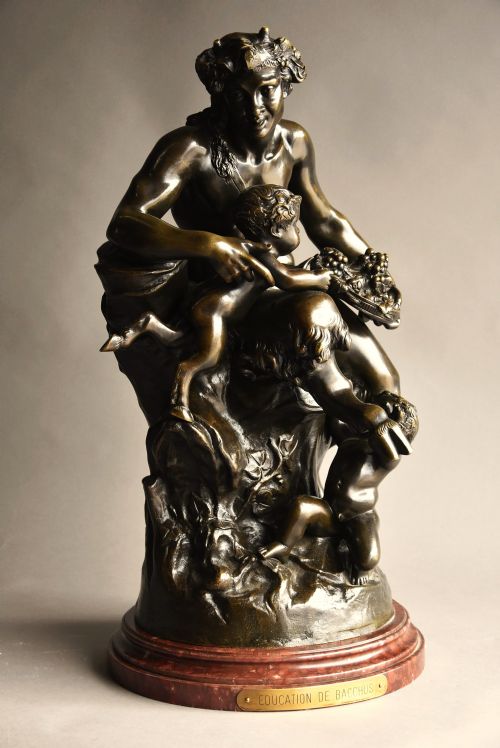
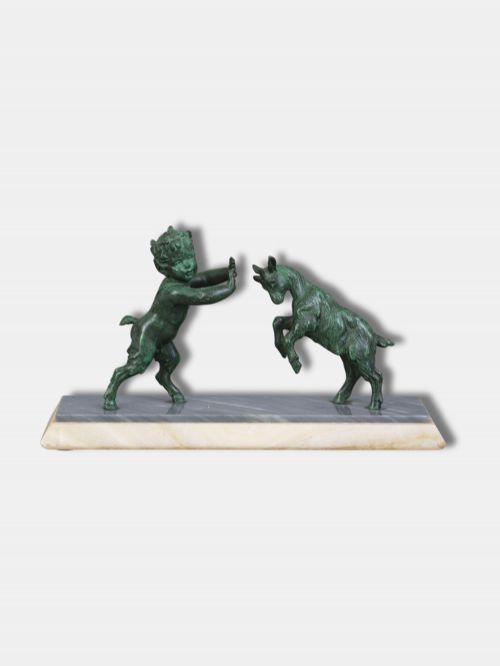
The version you are most likely to meet on this page is a nineteenth century bronze reduction depicting a dancing faun or a satyr with young Bacchus. These works translate ancient statues found at Pompeii and Rome into domestic mantel ornaments and scholarly desk accessories.
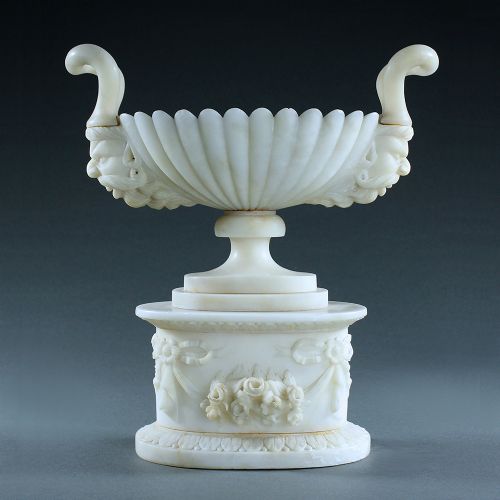
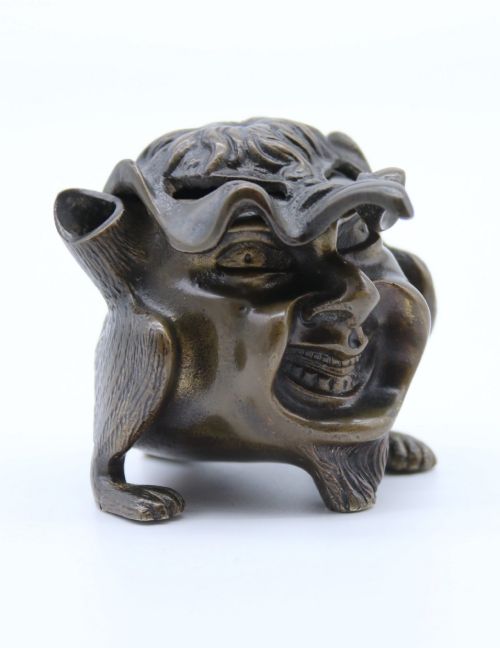
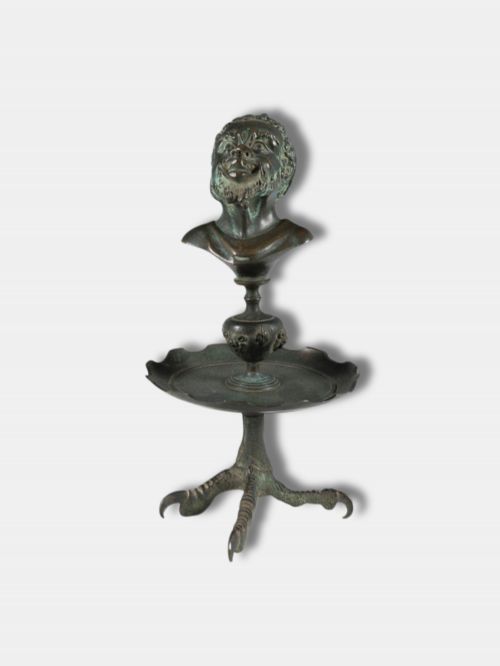
Beyond standalone figures, the genre includes inkwells, oil lamps, tazzas, and wall plaques incorporating satyr heads and goat-footed companions. Each item reflects nineteenth century enthusiasm for classical antiquity, channelled through European foundries and studios.
How they were made
Foundries produced the bronze sculptures using the lost wax method or sand casting, capturing muscle definition, hair texture, and draped animal skins with precision. Artisans then applied chemical patinas ranging from deep dark brown to bright verdigris to simulate age and archaeological discovery.
Carved pieces rely on white marble, black marble, and alabaster, shaped with chisels and polished to highlight the natural grain of the stone. Mixed media examples combine metal mounts with carved stone bases, creating contrasting textures in the finished object.
Antique Satyr Sculpture Retail Price Guide 2026
Typical asking prices for satyr sculpture among the pieces listed under this phrase on Sellingantiques today, from the lower quarter to the upper quarter. They describe what is for sale here now, not the wider market.
Several satyrs are caught mid-dance with cymbals and clappers, proving that ancient mythological revivals knew how to throw a party.
What varies in quality
The sharpness of the cast defines the upper tier of bronze sculptures, where fingers, facial expressions, and vine leaves remain crisp without softening from worn moulds. Finer examples show careful hand-chiselling after casting to clean up details and enrich the surface.
Material selection separates standard souvenirs from exceptional pieces, particularly in white marble and variegated alabaster where flawless stone without natural fractures commands attention. The subtlety of the patination and the weight of the metal further distinguish workshop output.
Claude Michel Clodian·Emile Carlier·Augusto Rivalta·James Hadley·Royal Worcester·James Basire
The Antique Satyr Sculpture Glossary
- Grand Tour
- A nineteenth century travel tradition where wealthy Europeans collected classical art and bronze reductions in Italy. These souvenirs brought ancient motifs into nineteenth century homes.
- Patinated bronze
- Metal sculpture treated with chemical solutions to create a coloured surface finish. This technique protects the bronze and adds antique character.
- Tazza
- A shallow cup or bowl set on a stem and foot, often carved from alabaster or marble. In this category, they feature satyr heads supporting the vessel.
- Lost wax
- A casting process where a wax model is melted out and replaced with molten bronze. It allows intricate anatomical detail and dynamic postures.
- Reduction
- A scaled-down copy of a large monumental sculpture. Nineteenth century foundries specialised in these smaller bronze versions for domestic display.
Antique Satyr Sculpture: Frequently Asked Questions
What is a satyr in antique sculpture?
A satyr is a mythological creature of fertility and wine, depicted with human torso and goat ears or legs. Sculptors portrayed them dancing, playing pipes, or accompanying Bacchus.
These figures stem from ancient Greek and Roman art, revived during the neoclassical period and the Grand Tour era.
How old are these sculptures typically?
Most pieces date from the nineteenth century, reflecting Victorian and continental enthusiasm for classical antiquity. Earlier eighteenth century examples and later twentieth century casts also appear.
Datings rely on style, foundry marks, patina characteristics, and the specific interpretation of classical prototypes.
Where were these bronzes made?
Production centred in France and Italy, particularly in Paris and Naples where foundries catered to travellers and collectors. Italian workshops focused on souvenir reductions of museum statues.
French makers produced both academic salon bronzes and decorative accessories like inkwells and lamp bases.
How do I display them at home?
Bronze and marble figures suit study shelves, mantelpieces, and desks where light catches the patinated surfaces and stone grain. Tazzas and inkwells function as decorative table centrepieces.
Keep pieces away from direct heat sources and clean gently with a dry microfiber cloth to preserve the finish.