


Antique Sarcophagus Cooler
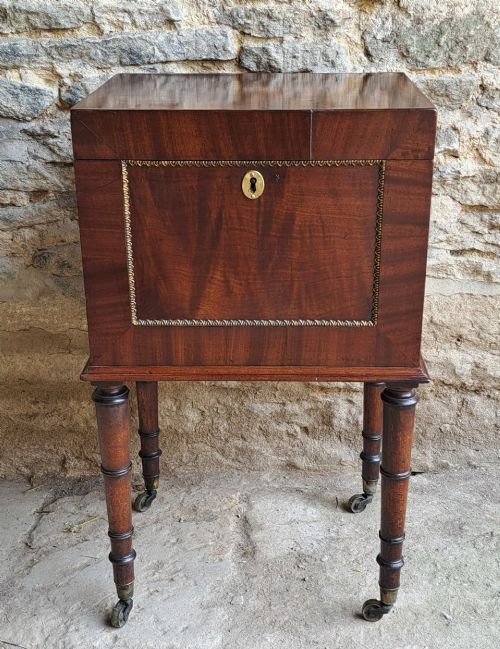
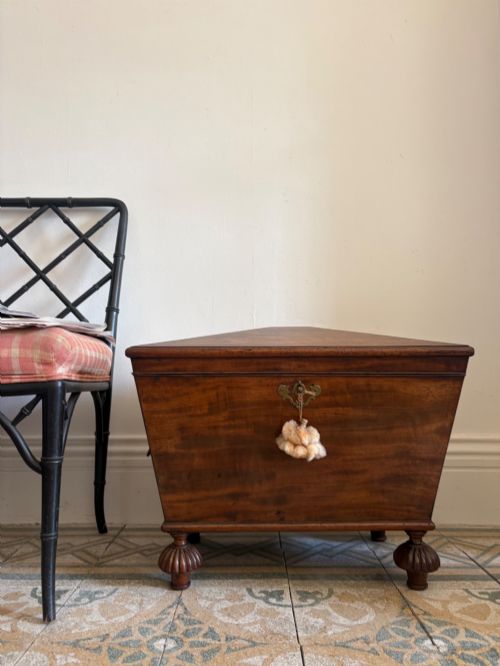
An antique sarcophagus cooler is a grand formal vessel designed to chill wine at the dining table, built during the Georgian, Regency and Victorian periods.
Antique Sarcophagus Cooler
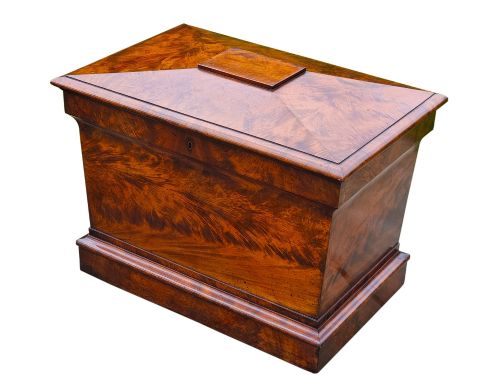
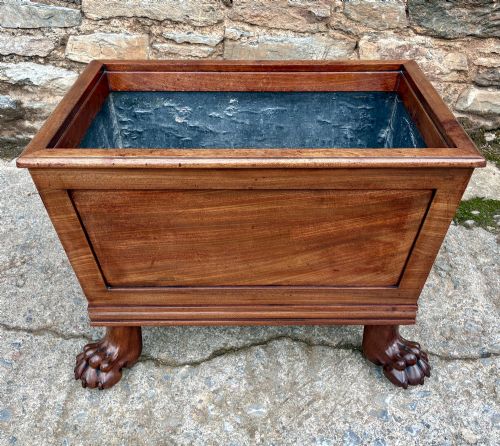
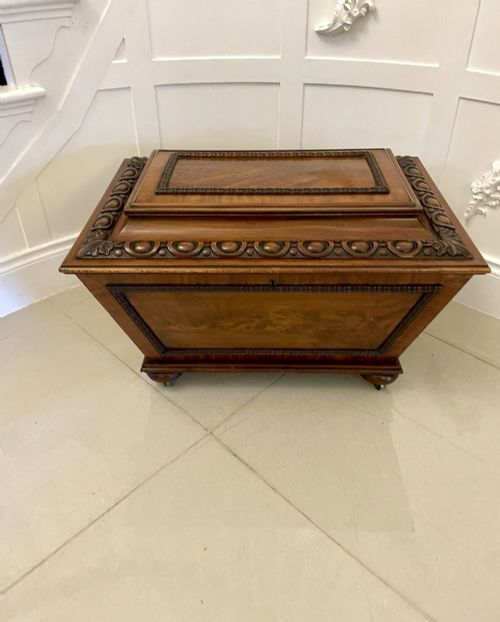
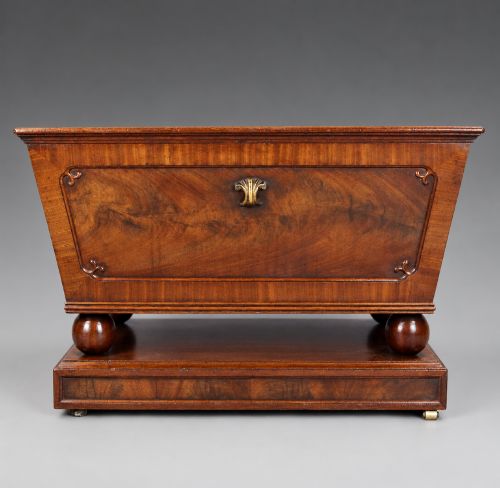
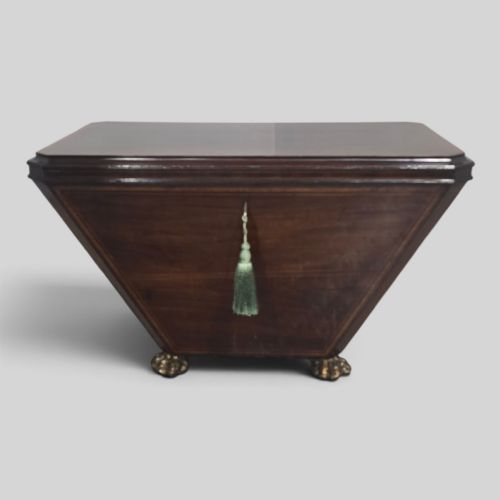
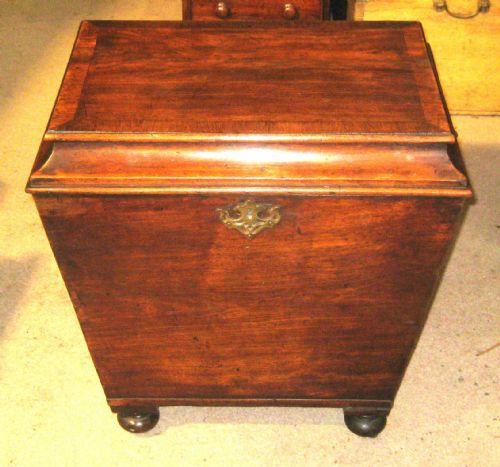
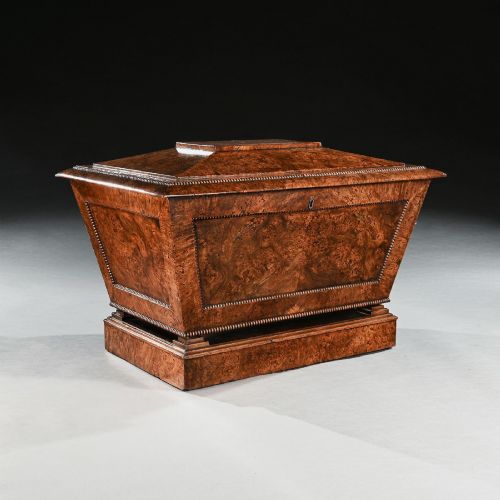
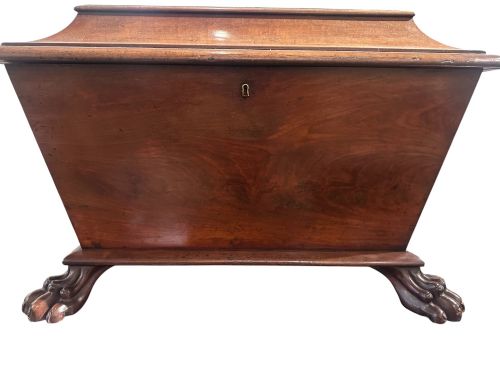
When you search for an antique sarcophagus cooler, you encounter large, low wooden receptacles modelled after ancient stone tombs, designed to house ice and wine bottles in formal dining rooms.
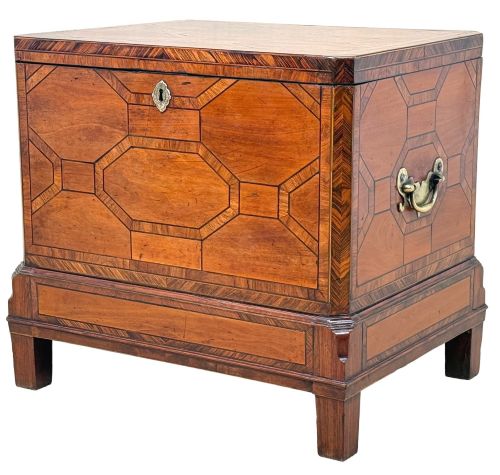
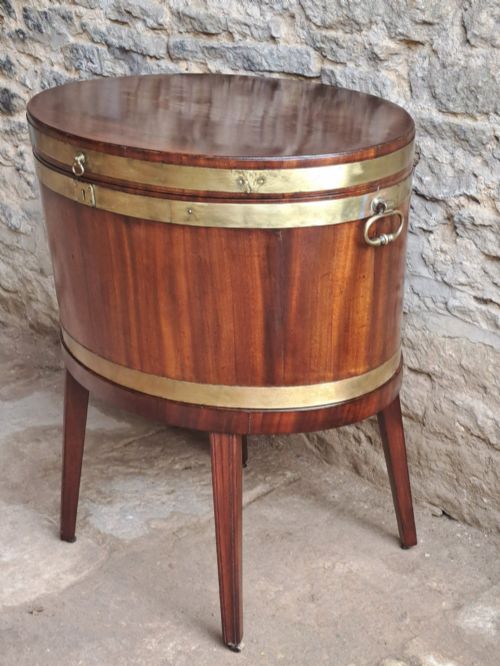
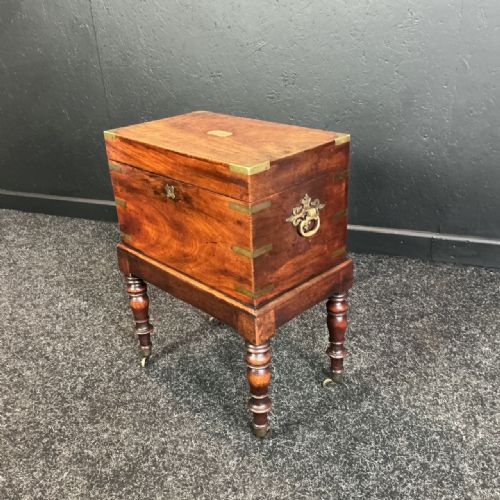
Makers and workshops of these periods also utilised flame mahogany, pollard oak and satinwood, applying boxwood inlay, ormolu mounts and brass binding to elevate the formal appearance of the vessel.
How they were made
Cabinet makers constructed the bodies from solid timber and applied carefully selected veneers of flame mahogany or figured pollard oak to create rich visual depth across the curved sarcophagus surfaces.
Metal components played a structural and decorative role, with brass bands securing the heavy timber sides and interior lead liners fitted to hold ice and water without leaking onto the dining floor.
Antique Sarcophagus Cooler Retail Price Guide 2026
Typical asking prices for sarcophagus cooler among the pieces listed under this phrase on Sellingantiques today, from the lower quarter to the upper quarter. They describe what is for sale here now, not the wider market.
The selection encompasses Georgian, Regency, William IV and Victorian periods, demonstrating a sustained preference for tomb-inspired dining furniture.
What varies in quality
The standard of a piece rests heavily on the choice of timber figure, where highly flamed mahogany or rich pollard oak distinguishes finer workshop output from plainer utility examples.
Refinement in the carving, the precision of boxwood inlay and the weight of original brass mounts or ormolu details mark the distance between standard production and top-tier cabinet work.
Edwards and Roberts·Gillows
The Antique Sarcophagus Cooler Glossary
- Sarcophagus form
- A burial-chest shape with a sloping lid and flared sides popular in neoclassical furniture design. This silhouette defined the grandest dining room wine receptacles of the Regency period.
- Cellarette
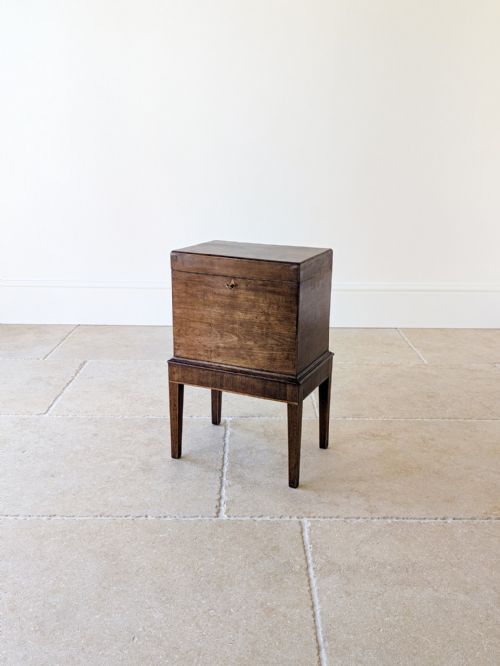
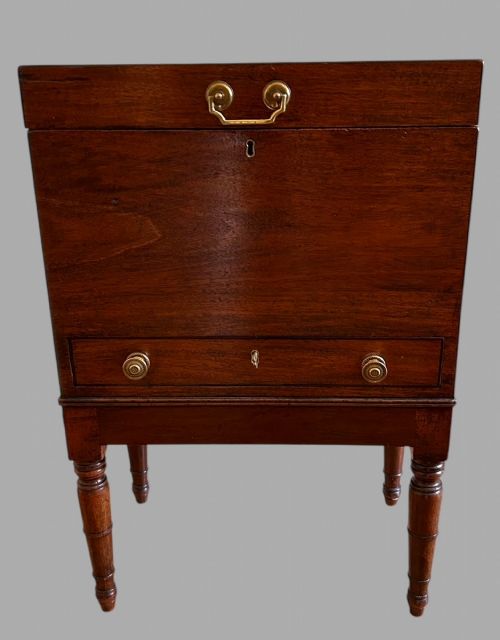
- A lockable container used to store bottles of wine and spirits in the dining room. They stood beneath sideboards or beside dining tables.
- Flame mahogany
- A veneer cut from the branch junction of the mahogany tree, producing a distinctive rippled pattern resembling flickering flames. Cabinet makers prized this figure for principal display surfaces.
- Lead liner
- A soldered sheet-metal interior fitted inside the wooden carcass to hold ice and bottles safely. This prevented moisture from rotting the surrounding timber.
- Ormolu
- Gilded bronze mounts applied to furniture for decorative enrichment. French Louis XVI examples and high-style English pieces frequently employed these cast metal ornaments.
Antique Sarcophagus Cooler: Frequently Asked Questions
What is an antique sarcophagus cooler used for?
These vessels functioned as portable ice chests during formal Georgian and Regency dinners. Servants filled the lead-lined interior with ice to chill wine bottles before serving.
After the meal, the lockable lid secured the remaining spirits and expensive vintages from household staff.
How do I date a sarcophagus cooler?
Dating relies on timber choice, architectural details and structural proportions. Earlier George III pieces often feature sharp lines and restrained brass inlay, while Regency examples adopt bolder neoclassical curves and heavier mounts.
Victorian iterations frequently draw upon earlier Georgian and Regency motifs while exhibiting denser, heavier timber construction.
Where were these placed in a room?
They traditionally stood directly on the floor beneath the mahogany sideboard or tucked into the corners of formal dining rooms. Their substantial scale allowed them to sit anchor-like against large panelled walls.
Modern interiors utilise them as standalone feature pieces, drinks cabinets or sculptural plant stands in reception spaces.
Are original liners common?
Many surviving pieces retain their original soldered lead or zinc interiors, though centuries of ice and water exposure often caused wear. Finding an intact liner remains a notable bonus for collectors.
Some pieces have had their internal metal linings removed entirely over time, converting the interior into dry storage.