




Antique Sapphire Pin
An antique sapphire pin brings together deep blue stones and precious metals in wearable forms ranging from Victorian bars to Art Deco platinum clusters.
Antique Sapphire Pin
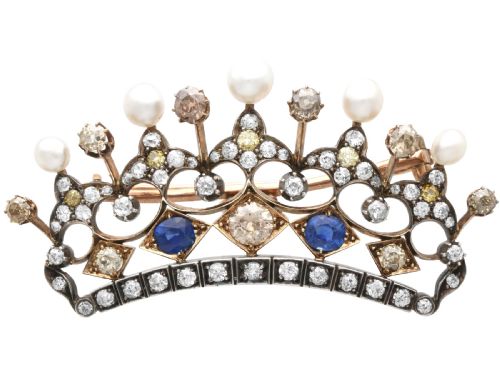
The selection includes pieces set in yellow gold, white gold, silver, and platinum. Alongside the central sapphires, many incorporate diamonds and pearls to accent the design.
How they were made
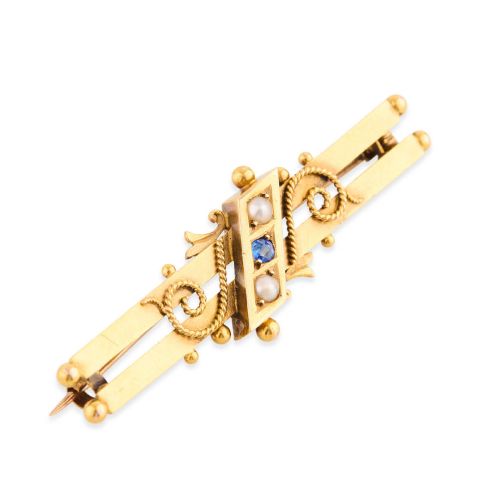
Goldsmiths and platinumsmiths utilised precious metals such as 9ct, 12ct, 15ct, and 18ct yellow gold, alongside silver and platinum, to set the stones securely. Metalwork techniques involved delicate wire twisting, bar construction, and intricate pierced settings.
Gemstones including diamonds, pearls, and sapphires were hand-set into these mounts, often utilising old cut diamonds to accompany the central sapphires.
Listings feature periods from the Victorian era through the 1960s, utilising materials such as platinum, silver, gold, and pearls.
What varies in quality
The choice of materials and the complexity of the design determine the standing of each piece, with platinum and high-carat gold settings housing substantial sapphires and diamond clusters representing the finer examples. The presence of unheated sapphires or significant carat weights elevates the character of the jewel.
Artistry in execution is visible in the fineness of the metalwork, such as detailed foliate engraving or balanced symmetry in insect and crescent motifs, distinguishing standard production from exceptional work.
Rhoda Wager
The Antique Sapphire Pin Glossary
- Bar brooch
- A horizontal pin style often set with gems along a narrow metal bar. This form was especially popular during the Victorian and later periods.
- Old cut diamond
- A diamond cut with a small table and high crown, typical of stones set before the mid-twentieth century. These cuts exhibit a softer brilliance than modern brilliant cuts.
- Platinum
- A dense, durable white metal utilised extensively in Edwardian and Art Deco jewellery for secure stone settings. It allows for delicate structural work without sacrificing strength.
- Unheated sapphire
- A sapphire that has not undergone thermal enhancement to improve its colour or clarity. These stones retain their natural geological properties.
Antique Sapphire Pin: Frequently Asked Questions
What periods do these pins come from?
The pieces span from the late nineteenth century through the Edwardian era and into the Art Deco and Retro periods. Examples range from Victorian gold bar brooches to 1930s platinum designs.
Each era brought distinct aesthetic priorities, moving from ornate yellow gold floral motifs to geometric platinum work.
How were antique sapphire brooches worn?
These items functioned primarily as fastenings for garments, secured to lapels, collars, or scarves. Many incorporated sturdy pin stems and safety catches suited for daily wear.
Some designs also included hidden loops, allowing them to transform into pendants worn on chains.
What metals are used in these settings?
Makers utilised yellow gold in various carat weights, including 9ct, 12ct, 15ct, and 18ct, alongside white gold, silver, and platinum. The choice of metal often reflects the prevailing style of the period.
Platinum gained prominence in the Edwardian and Art Deco eras for its strength in delicate wirework.
Are the sapphires natural?
The selection includes natural sapphires, with specific listings noting unheated stones or particular geographic origins. These gems are frequently paired with diamonds and pearls.
Examining the stones reveals the natural variations inherent in antique gems.