


Antique Salt Glaze
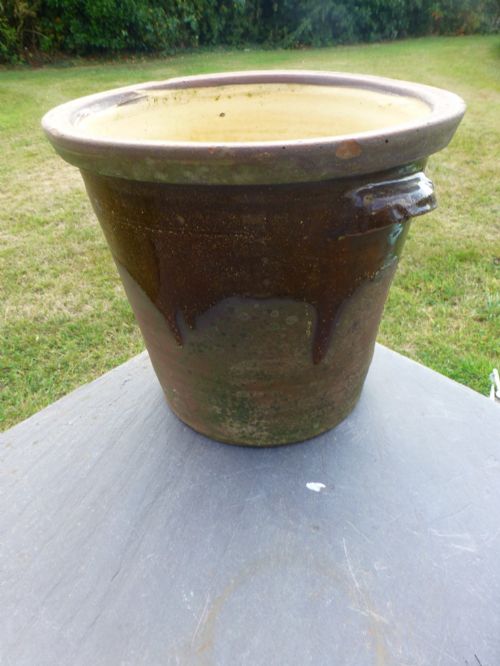
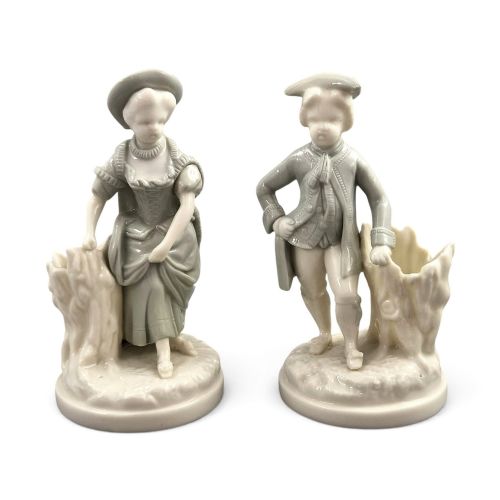
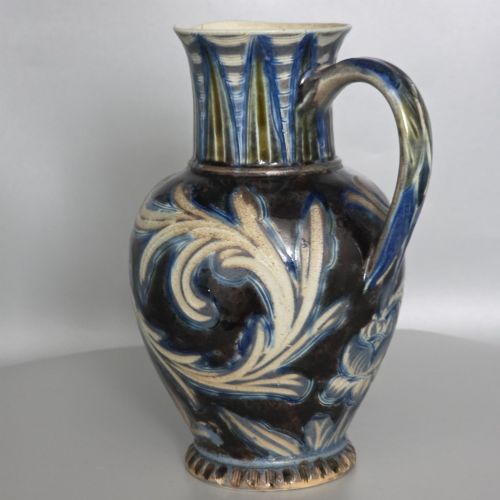
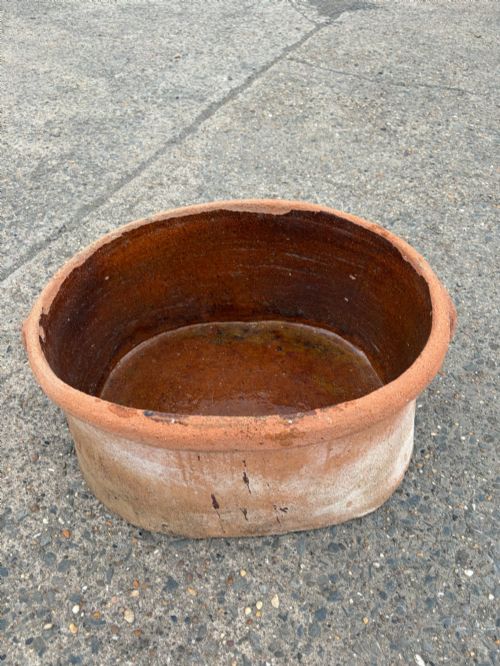
These pieces of antique salt glaze bring a dense, pitted skin and industrial heft to a room.
Antique Salt Glaze
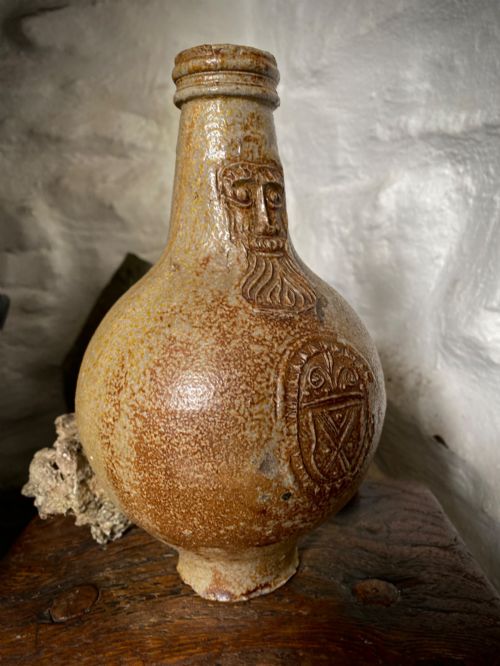
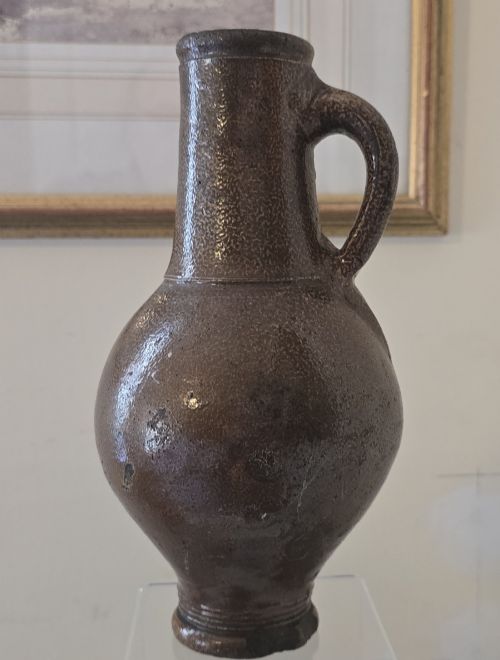
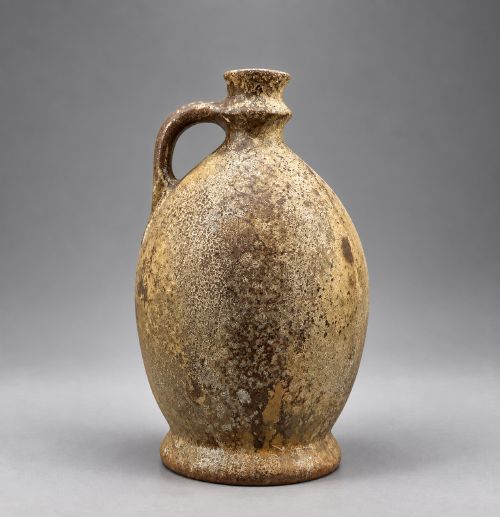
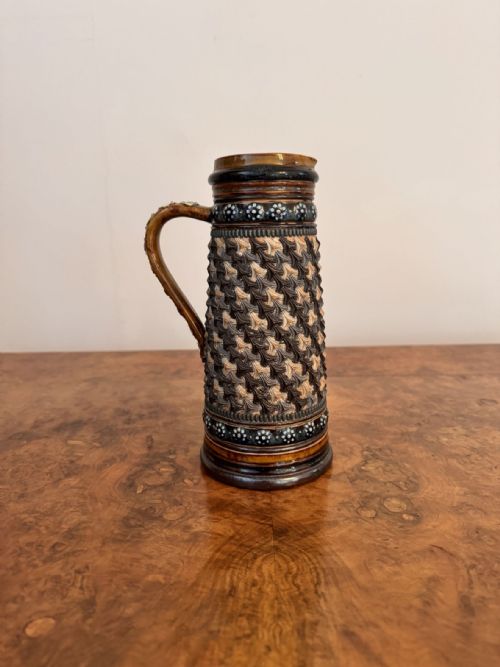
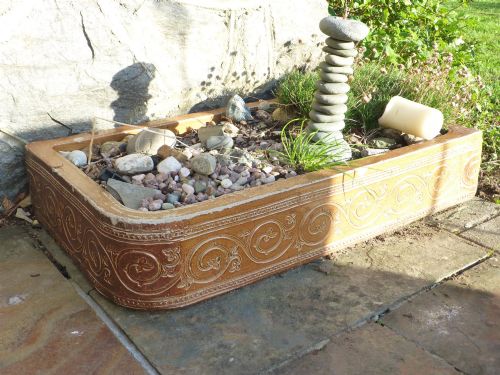
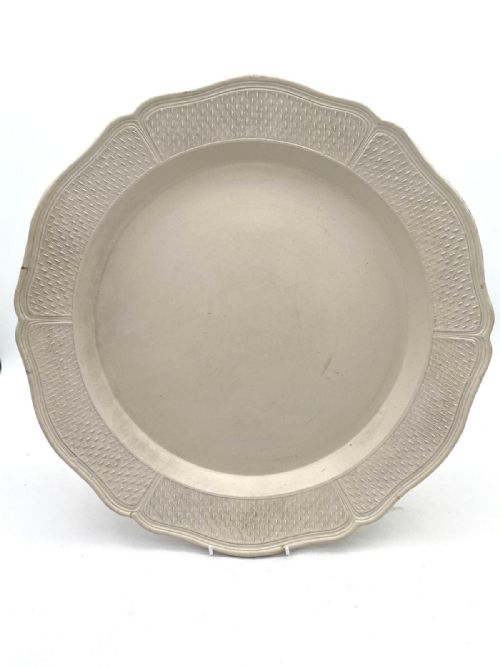
When you search for antique salt glaze, you encounter utilitarian vessels and display pieces shaped from clay and finished with salt thrown into the kiln during firing. The most common forms on this page are jugs, pitchers, tankards, and planters that trace domestic and tavern life across multiple centuries.
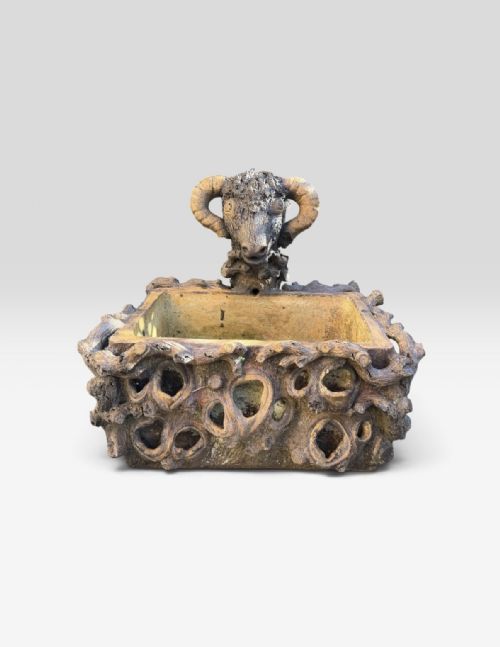
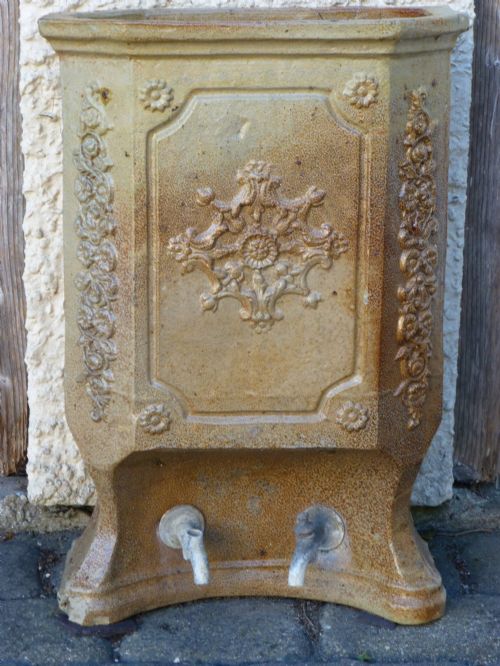
The material record spans the seventeenth century through the Victorian era, moving from early German Westerwald production to English stoneware and terracotta. You see everything from small mustard pots and salt cellars to large dairy salting crocks, water filtration fountains, and barrel stick stands.
Materials and kiln technique
The pieces rely on dense stoneware, earthenware, and terracotta bodies capable of withstanding the extreme heat required for salt glazing. Artisans threw or moulded the clay, sometimes adding applied sprigged decoration or incised patterns before firing.
During the high-temperature firing stage, common salt was introduced into the kiln. The vaporised sodium reacted with the silica in the clay body to form a characteristic orange-peel texture across the surface.
Antique Salt Glaze Retail Price Guide 2026
Typical asking prices for salt glaze among the pieces listed under this phrase on Sellingantiques today, from the lower quarter to the upper quarter. They describe what is for sale here now, not the wider market.
Listings span from the seventeenth century through the Victorian period, featuring stoneware, earthenware, and salt-glazed bodies.
Judging the range
Quality rests in the crispness of the salt glaze texture and the definition of applied or incised ornamentation. Pieces thrown by known potteries or decorated by named artists display sharper detailing and more balanced proportions than anonymous utility wares.
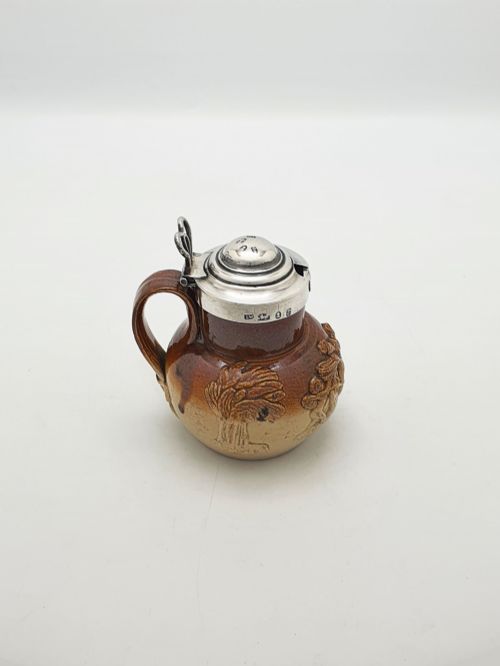
The presence of secondary materials like sterling silver collars, hinged lids, or silver rims distinguishes high-status presentation pieces from simple kitchen vessels. Condition and structural integrity also divide standard survivals from exceptional display examples.
John Dwight Fulham Pottery·Royal Worcester·Doulton Lambeth·Simon Peter Gerz·Dee Filter Company
The Antique Salt Glaze Glossary
- Salt Glaze
- A vitreous coating with an orange-peel texture created by throwing salt into the kiln during high-temperature firing. This chemical reaction forms a durable, impervious skin over the clay body.
- Stoneware
- A dense, hard pottery fired at high temperatures until semi-vitrified. It holds liquids without porosity and resists everyday wear.
- Westerwald
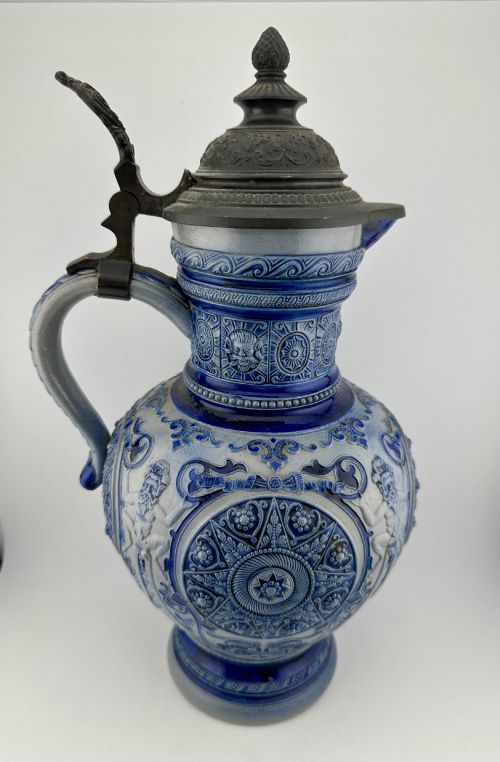
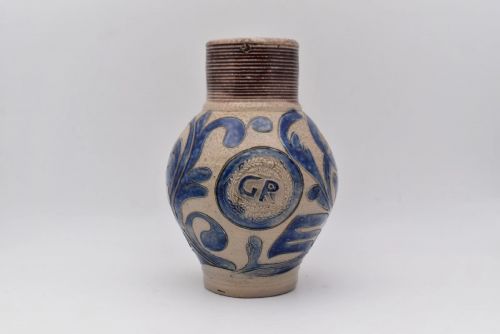
- A historic German ceramic region known for grey stoneware decorated with cobalt blue incisions and impressed stamps. These pieces often feature royal ciphers or battle scenes.
- Sprigging
- A technique where moulded clay motifs are applied to the surface of an unfired vessel with slip. This adds low-relief ornamentation like hunting scenes or floral sprigs.
- Tyg
- A large drinking vessel fitted with three or more handles designed for communal passing around a table.
Antique Salt Glaze: Frequently Asked Questions
How do I clean antique salt glaze?
Wash stoneware gently using warm water and a soft cloth to protect the pitted surface and any historic mounts. Avoid harsh chemical cleaners that can damage the glaze.
Dry the vessel thoroughly after washing to prevent moisture from settling into any old hairline fractures or unglazed areas.
Were these jugs used for food?
Many of these vessels held liquids like ale, wine, and water in homes and taverns. Others served as storage crocks for dairy and salt.
Over time, utility items transitioned into decorative display objects due to their striking texture and historical significance.
How do I identify Westerwald pottery?
Westerwald pieces typically show a grey stoneware body decorated with cobalt blue pigments. Look for stamped royal ciphers, incised foliage, or historical battle scenes.
These German imports often date from the seventeenth and eighteenth centuries and display distinctive wheel-thrown proportions.
What is a Doulton Lambeth piece?
Doulton Lambeth items originate from the famous English pottery active during the Victorian era. They often combine salt-glazed stoneware with Art Nouveau motifs or harvest scenes.
Many bear the marks or signatures of notable studio artists who decorated the vessels by hand.