


Antique Salon Seating
Antique salon seating brings together French and English reception room pieces shaped by Victorian, Edwardian, and Revival tastes for formal entertaining.
Antique Salon Seating
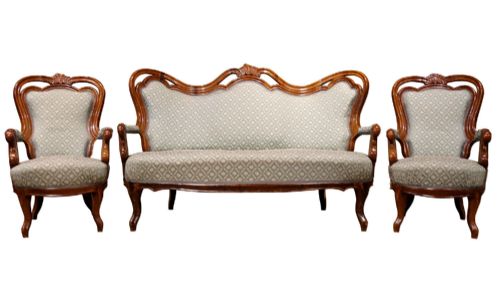
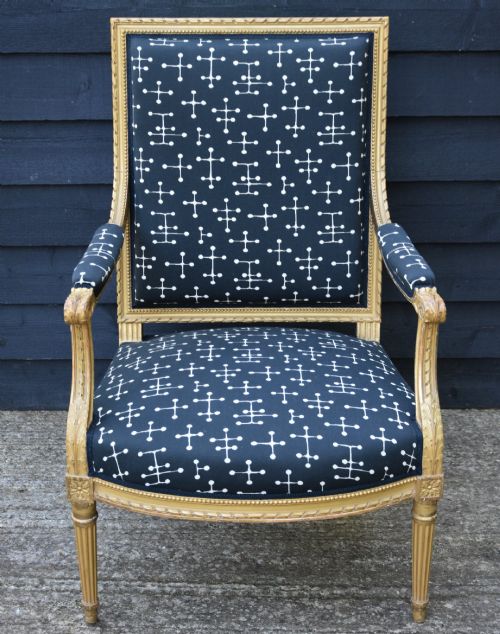
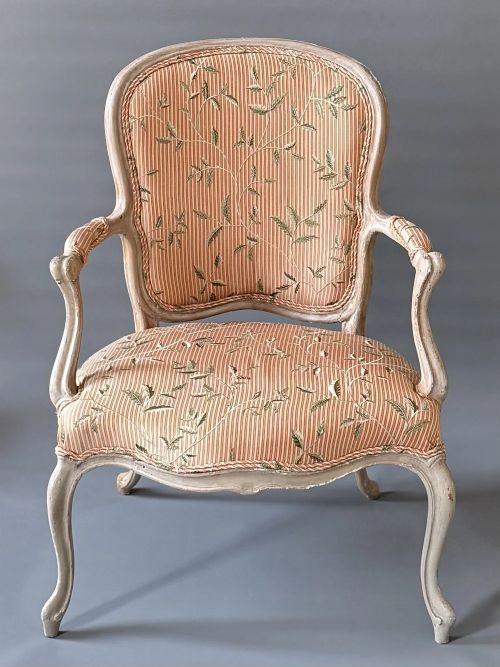
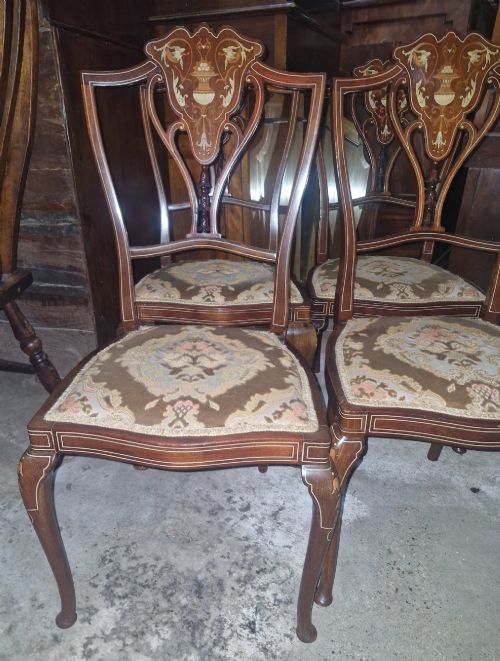
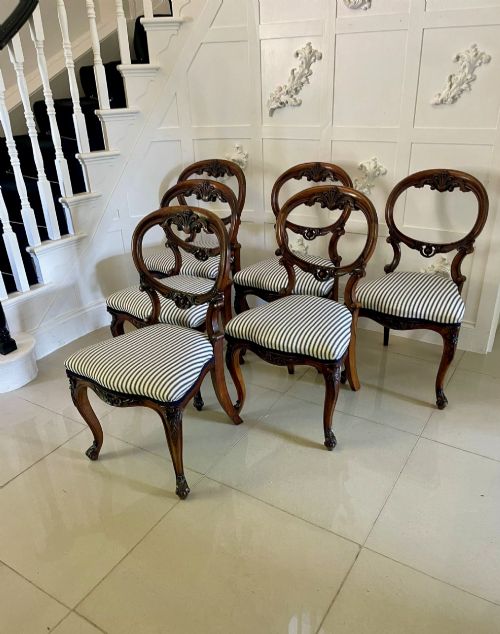
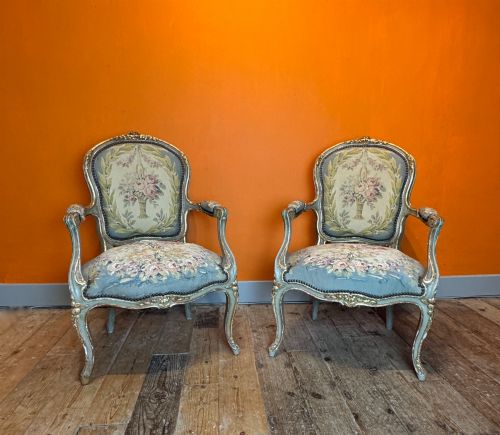
Antique salon seating covers the chairs, settees, and multi-piece suites used in nineteenth-century formal reception rooms and parlours. You will frequently encounter Victorian walnut and mahogany chairs alongside French-influenced giltwood and painted armchairs.
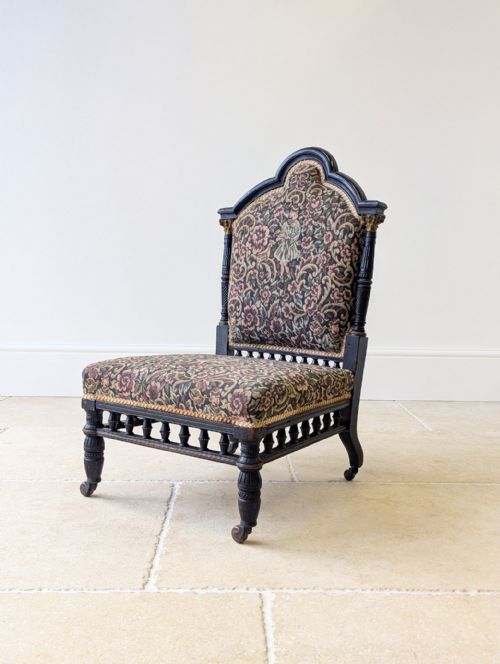
The selection ranges from single side chairs and low salon seats to large multi-piece salon suites and matching sofas. Pieces span the eighteenth to the early twentieth centuries, drawing heavily on Regency, Louis XV, and Louis XVI styles.
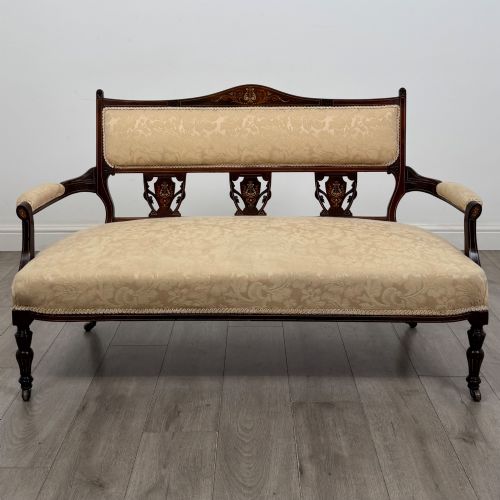
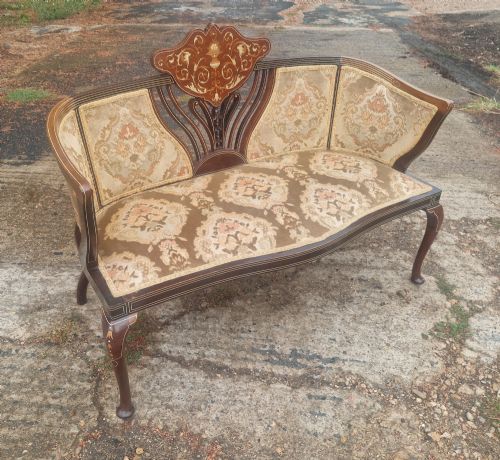
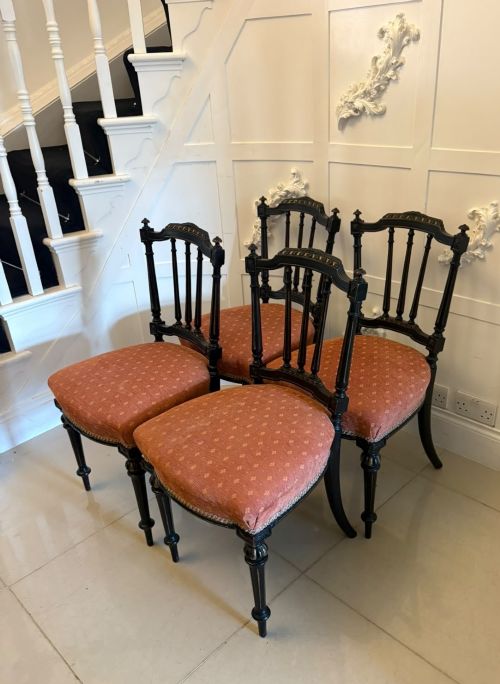
Makers produced these forms for entertaining guests, placing them in drawing rooms where appearance mattered. Surviving examples include inlaid rosewood settees, ebonised Aesthetic Movement chairs, and carved open armchairs.
How salon seating was constructed
Cabinet makers built these frames using dense hardwoods including mahogany, walnut, rosewood, beech, and kingwood. Many frames received elaborate carved detailing, ebonising, parcel gilding, or mother of pearl inlay.
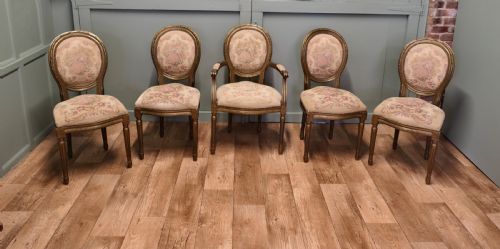
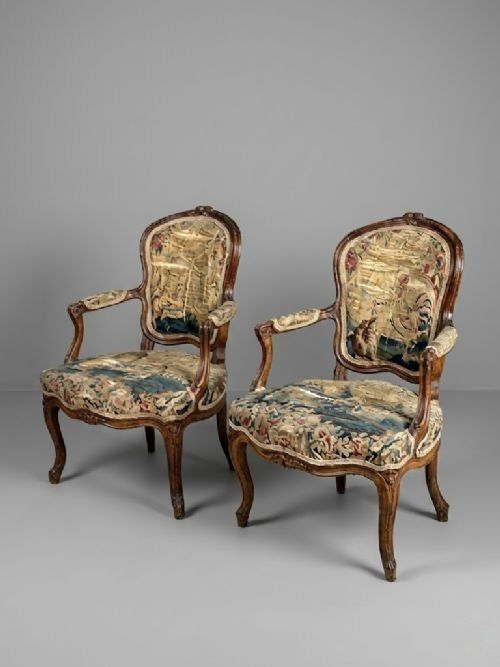
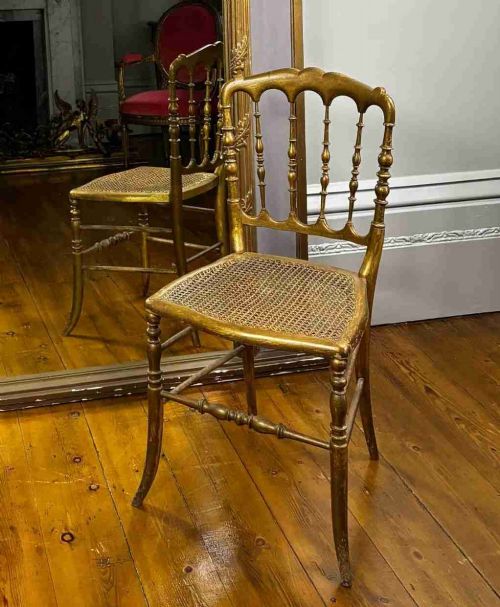
Upholstery techniques involved traditional fabric, velvet, tapestry, and Aubusson covers applied to sprung or padded seats. Finer French and Continental pieces incorporated ormolu mounts, caned panels, and giltwood surfaces.
Listings feature eighteenth-century French styles alongside Victorian walnut and Edwardian inlaid mahogany pieces.
Distinctions in quality and execution
Quality rests in the crispness of the wood carving and the choice of primary timber, such as figured walnut or dense rosewood over simpler woods. Superior pieces display hand-carved detail rather than cast or machine-pressed ornamentation.
The sophistication of the design dictates the standing of a piece, seen in balanced proportions on Louis XV style armchairs and precise marquetry or parquetry. Original upholstery materials like Aubusson tapestry elevate the integrity of a salon suite.
The Antique Salon Seating Glossary
- Salon suite
- A matching set of seating furniture, often comprising a sofa and several armchairs or side chairs designed for a formal drawing room.
- Giltwood
- Timber coated with gold leaf or a gold-coloured finish, common on French revival salon chairs.
- Canapé
- A decorative French sofa or settee featuring an upholstered back and open arms.
- Parquetry
- Geometric wood inlay patterns used to decorate the surfaces of high-end furniture.
- Ormolu
- Gilded bronze mounts applied as decorative ornaments to furniture frames.
Antique Salon Seating: Frequently Asked Questions
What is antique salon seating?
Antique salon seating includes chairs, settees, and suites made during the nineteenth and early twentieth centuries for formal rooms. These items reflect Victorian and continental revival styles.
Craftsmen built them from hardwoods like walnut, mahogany, and rosewood, often enriching them with gilding or fabric upholstery.
How were salon suites used?
Salon suites served in formal reception spaces for receiving guests and holding social gatherings. They provided matching seating arrangements for the parlour or drawing room.
Individual chairs were easily moved around the room to suit conversation groups during gatherings.
How do I identify French revival styles?
French revival pieces incorporate design elements from the reigns of Louis XV and Louis XVI, such as cabriole legs and carved giltwood frames. Look for exposed carved wood, serpentine lines, and open arms.
Many nineteenth-century English and French makers reinterpreted these classical continental aesthetics for Victorian homes.
Are salon chairs comfortable?
Salon chairs were designed primarily for formal posture and visual elegance during entertaining rather than lounging. Their seats often feature traditional stuffing and firm upholstery.
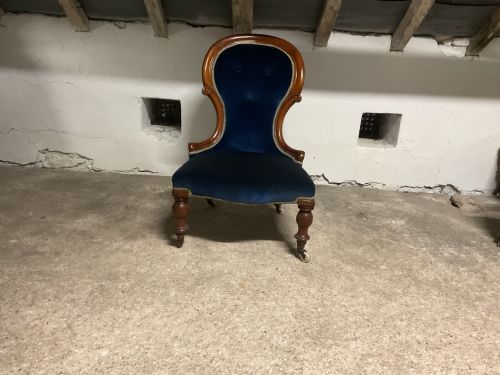
Low salon chairs and nursing chairs offered slightly more relaxed proportions for specific domestic tasks.