
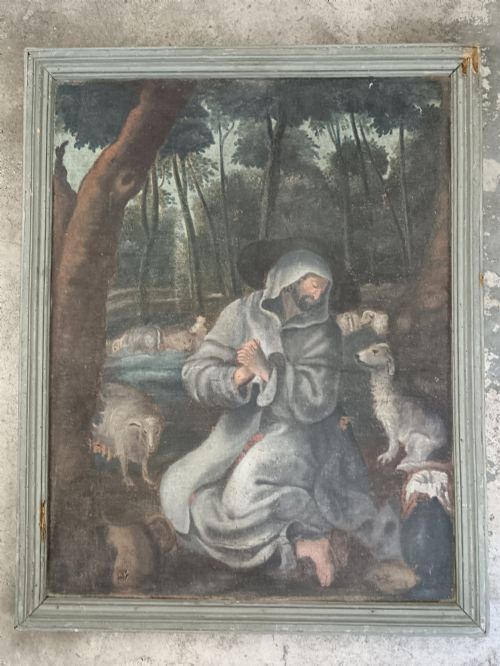
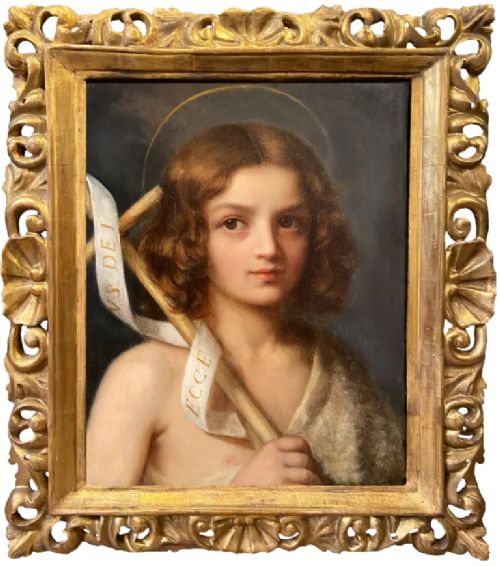
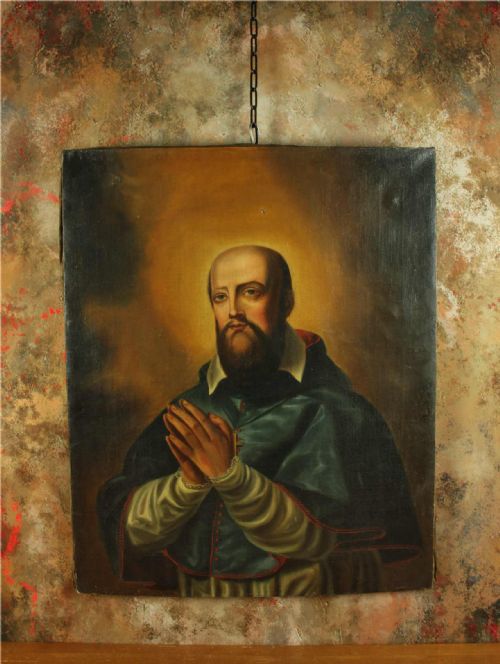
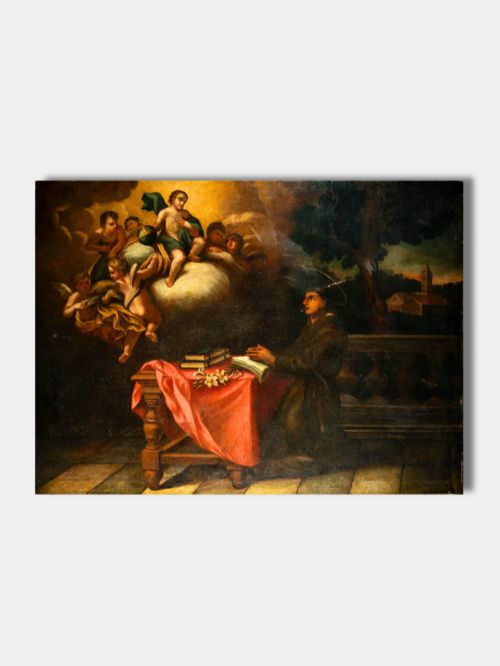
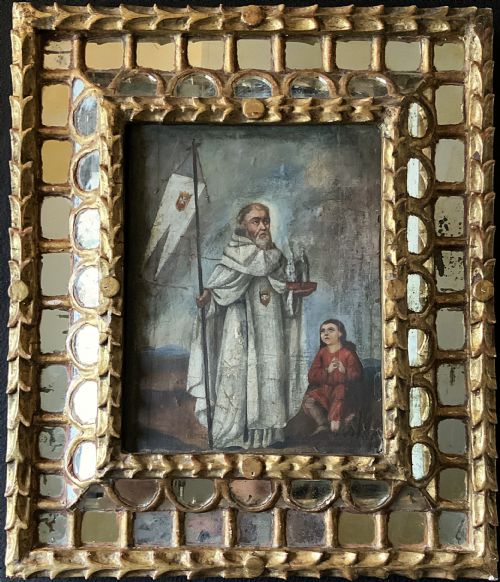


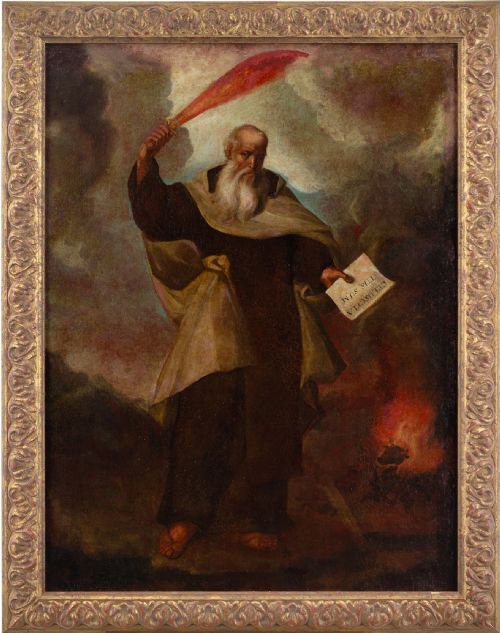


Antique Saint Wall Art
Antique saint wall art brings centuries of devotion into a room through oil paintings, carved wood panels and icons.
Antique Saint Wall Art
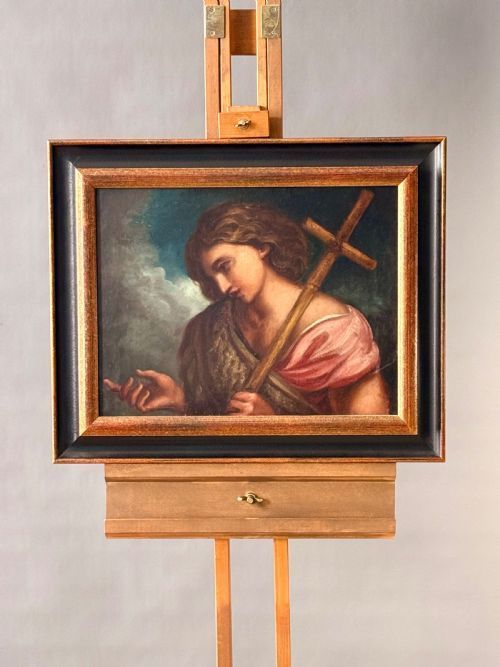
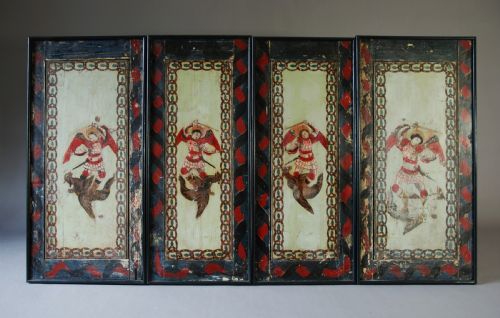
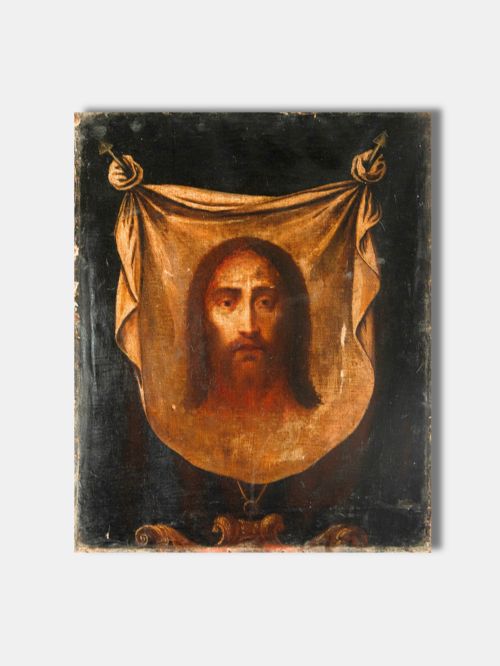
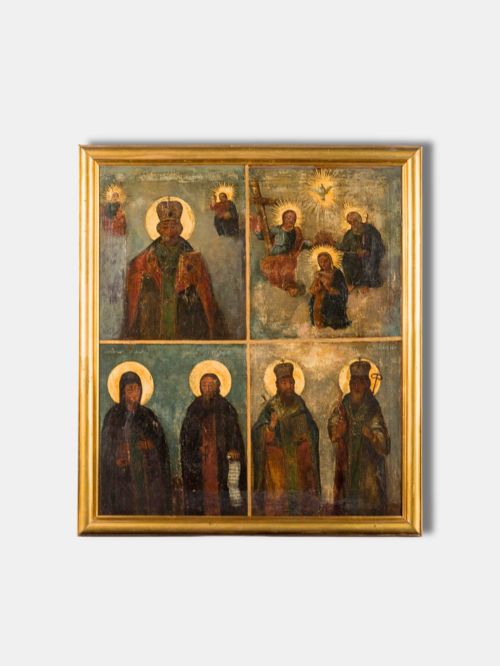
Antique saint wall art encompasses sacred imagery produced across Europe and the colonies from the seventeenth century onward. Buyers searching this phrase encounter devotional works ranging from monumental Spanish Baroque oil portraits to naive pine panels and Russian icons.
How they were made
Makers utilised oil paint on stretched canvas and wooden panels, often employing traditional grounds and binders. Giltwood frames and gold leaf frequently accompany these pieces, enhancing the visual focus on the sacred subject matter.
Techniques span from polished academic portraiture by followers of established masters to folk art methods like reverse glass painting and tempera on canvas.
Listings feature canvases, wood panels and reverse glass pictures spanning the seventeenth through the nineteenth centuries.
What varies in quality
The condition of the original canvas, the presence of period frames such as carved giltwood, and the stability of the early paint layers dictate the overall integrity of the piece.
Francesco Solimena·Gaspar de Figueroa·Frederick Tully Lott·Raffaello Sanzio·Antonio Allegri Correggio·Antonio Tempesta
The Antique Saint Wall Art Glossary
- Baroque
- A style spanning the seventeenth and eighteenth centuries characterised by dramatic lighting, deep shadows and intense emotional movement. This aesthetic dominates much of the religious portraiture from Spain and Italy.
- Pentimento
- An alteration in a painting where previous brushstrokes show through the upper layers of paint. This phenomenon often reveals the artist changing their composition during the creative process.
- Tempera
- A permanent, fast-drying painting medium consisting of coloured pigments mixed with a water-soluble binder material such as egg yolk. It appears frequently in early icon work.
- Giltwood
- Wood that has been treated with a thin layer of gold leaf or gold paint. Frames utilising this finish were designed to reflect candlelight and elevate the status of the devotional image.
- Reverse glass painting
- An art form where the image is painted directly on the back of a piece of glass and viewed from the front. This technique preserves the colours with high gloss and protection from dust.
Antique Saint Wall Art: Frequently Asked Questions
What periods do these pieces span?
The available selection covers works primarily from the seventeenth, eighteenth and nineteenth centuries.
Examples range from seventeenth-century Spanish Baroque portraits to late nineteenth-century watercolours and academic studies.
How were these artworks displayed originally?
Religious wall art hung in private chapels, domestic shrines and churches to aid personal contemplation.
Larger canvases and carved panels served as central focal points for prayer within domestic and ecclesiastical settings.
How do I identify a Spanish or Italian school painting?
Attributions rely on stylistic traits such as the dramatic tenebrism of Spanish masters or the classical composition of Italian schools.
Subjects often wear traditional vestments and display distinct regional iconography associated with specific saints.
What materials should I expect to find?
Most works consist of oil paint applied to canvas or wood panels, occasionally supplemented by gold leaf.
Frames are commonly carved from wood and finished with gilt, while specific icons utilise tempera on canvas or glass.