


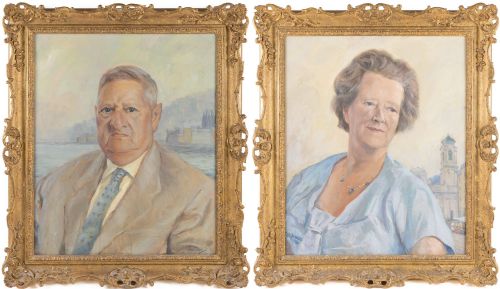
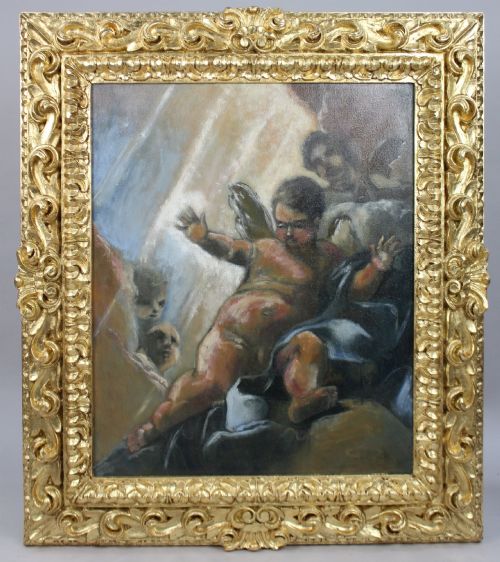
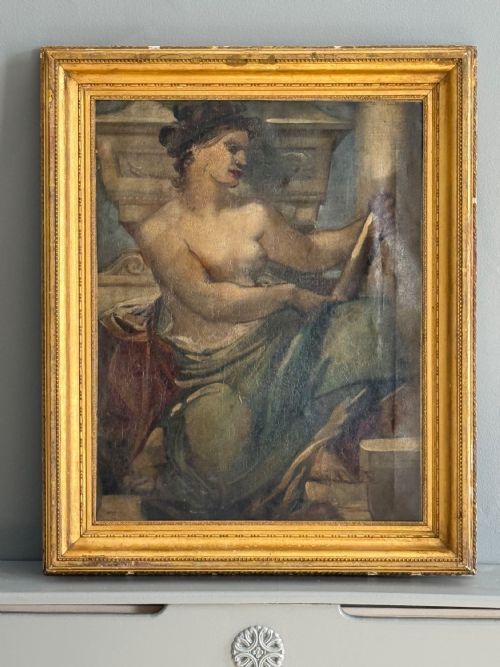
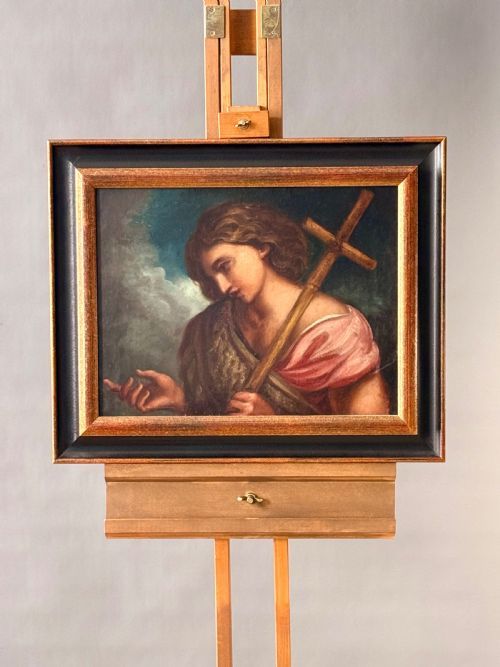
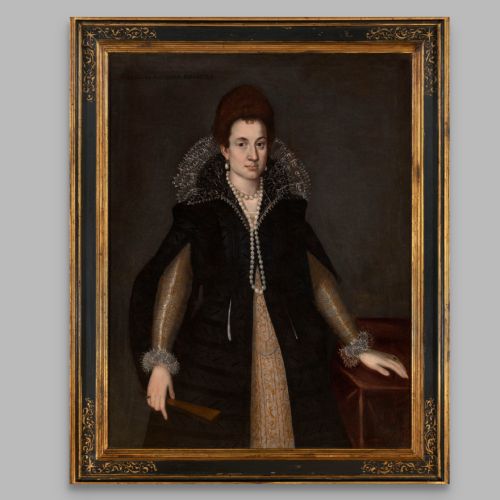
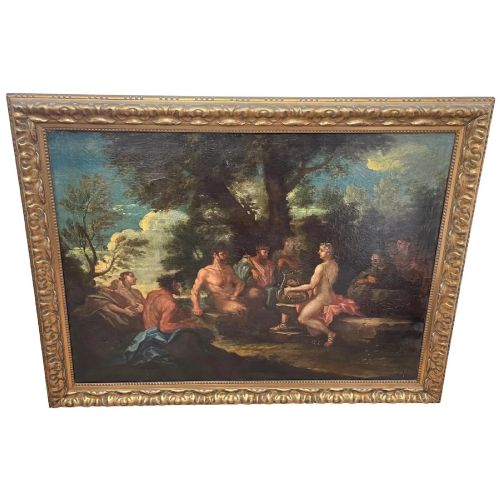
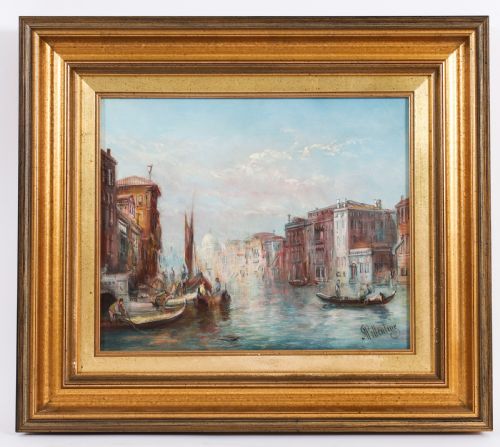
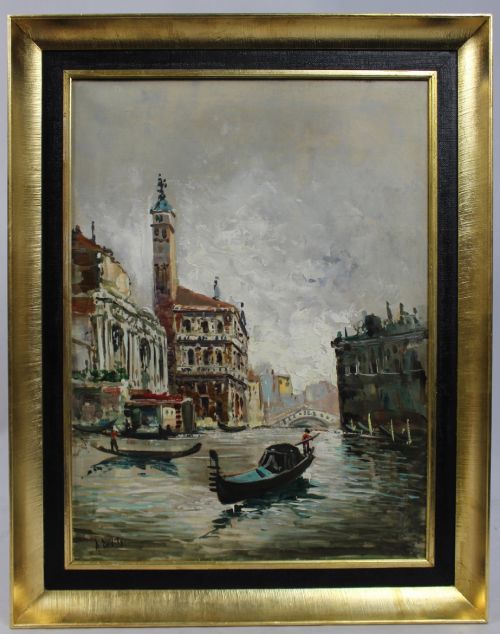
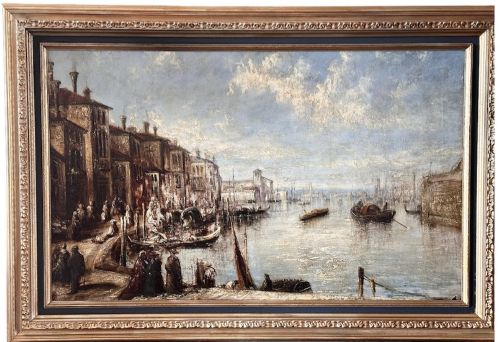

Framed Italian Canvas Painting
A framed italian canvas painting brings the warmth of Mediterranean light and centuries of workshop tradition straight onto your wall.
Framed Italian Canvas Painting
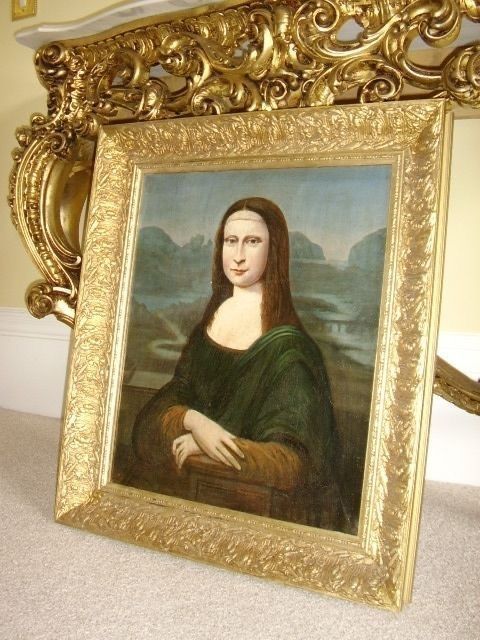
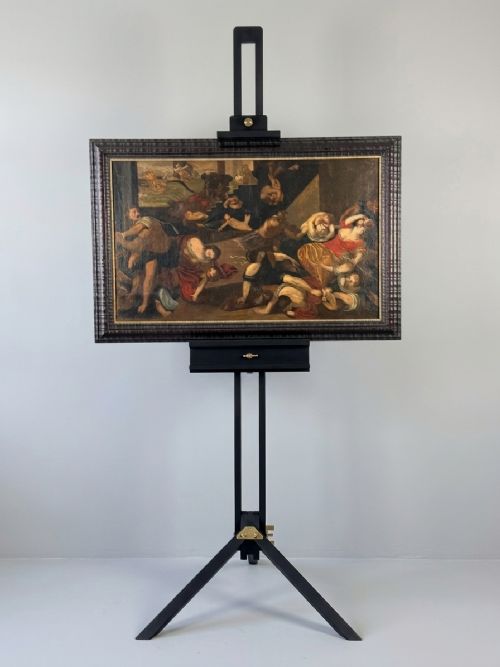
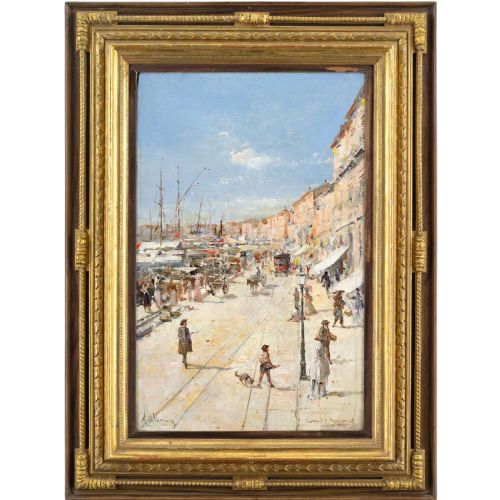
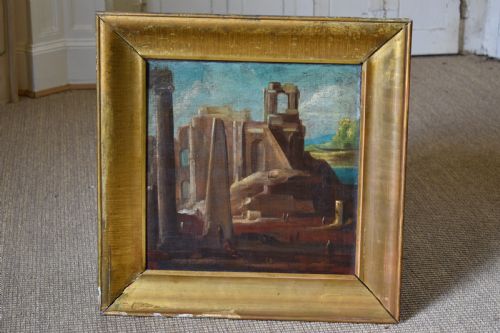
A framed italian canvas painting represents centuries of artistic heritage, spanning from the religious devotion of sixteenth-century masters to sunlit nineteenth-century Venetian lagoons. When you explore this selection, you encounter works executed in oil on canvas, housed in period surrounds that range from simple mouldings to heavy gilded wood.
The most common examples you meet on this page belong to the nineteenth and twentieth centuries, often capturing Grand Tour landscapes, Venetian canals, and expressive portraiture. Alongside these later views, you find earlier devotional panels and mythological scenes rooted in the Renaissance and Baroque traditions.
Materials and construction
These works rely primarily on oil paint applied to woven canvas supports, allowing artists to build rich layers of colour and shadow. The stretchers support the fabric while heavy wooden frames, frequently finished with gold leaf, gilt, or carved gesso, complete the presentation.
Makers utilised traditional ground layers and pigments suited to their respective eras, from early earth tones to the brighter palettes of later impressionist views. The frames themselves often demonstrate skilled joinery and decorative moulding that match the period of the artwork within.
The listings span from the sixteenth to the mid-twentieth century, featuring oil on canvas, giltwood, and gold leaf.
Separating the ordinary from the exceptional
Quality rests in the confidence of the brushwork, the depth of the pigment layering, and the preservation of the original surface. An exceptional canvas reveals a master's control over light and anatomy, whereas lesser works often show mechanical repetition and flat tonal transitions.
The mount also dictates value, as an original period giltwood frame adds historical harmony that later replacements cannot replicate. The presence of authentic studio attribution or visible pentimento further distinguishes a compelling historical study from a standard decorative copy.
Dumini Leopoldo·Vittorio Reggianini·Augusto Alberici·Alfred Pollentine·Antonio DeVity·Francis Moltino·Guillaume Courtois·Umberto Volpato·Renato Moretti·Attilio Toro·Francesco Solimena·Costantino Frixione
The Framed Italian Canvas Painting Glossary
- Grand Tour
- A traditional trip through Europe undertaken by upper-class Europeans in the eighteenth and nineteenth centuries to study art and architecture.
- Pentimento
- A visible trace of earlier painting beneath a layer of paint, showing where the artist changed their mind during the composition.
- Giltwood
- Wood that has been covered with a thin layer of gold leaf or powder, commonly seen on ornate antique frames.
- Old Master
- A term for a European painter of skill who worked before about eighteen hundred.
- Pierhead painting
- A specialised genre of marine art depicting ships near port, popular in nineteenth-century maritime hubs.
Framed Italian Canvas Painting: Frequently Asked Questions
How do I date an old canvas?
Dating relies on examining the weave of the canvas, the type of wooden stretcher used behind it, and the chemical composition of the pigments. Nail types and framing styles also offer reliable clues to the era of creation.
Experts look closely at the craquelure pattern in the paint surface, as natural ageing creates distinct cracking that modern reproductions struggle to imitate accurately.
Are these works original?
The selection includes period originals, historic copies made after famous masters during the Grand Tour, and later interpretations by recognised schools. Each listing details the specific attribution and period recorded by the dealer.
Many centuries-old religious and mythological paintings were created in the circle or workshop of a master rather than by their own hand, which remains a normal part of historical art trade.
How should I hang my artwork?
Choose an interior wall away from direct sunlight, high humidity, and sudden temperature fluctuations caused by radiators or air conditioning vents. Proper placement protects the fragile oil pigments and the wooden frame from warping.
Ensure the hanging hardware matches the substantial weight of antique giltwood frames by anchoring directly into wall studs or using heavy-duty plaster fixings.
What is a Grand Tour painting?
Grand Tour paintings were portable landscapes and architectural views purchased by travellers exploring Italy during the eighteenth and nineteenth centuries. They served as sophisticated souvenirs of famous sights like the Grand Canal in Venice or the ruins of Rome.
Local studios specialised in producing these atmospheric canvases to satisfy the high demand from foreign visitors seeking to document their travels.