
Italian Classical Portrait
When you search for an italian classical portrait, you enter a tradition of Renaissance studies, Baroque oils and Grand Tour marble busts that bring historic subjects into domestic spaces.
Italian Classical Portrait
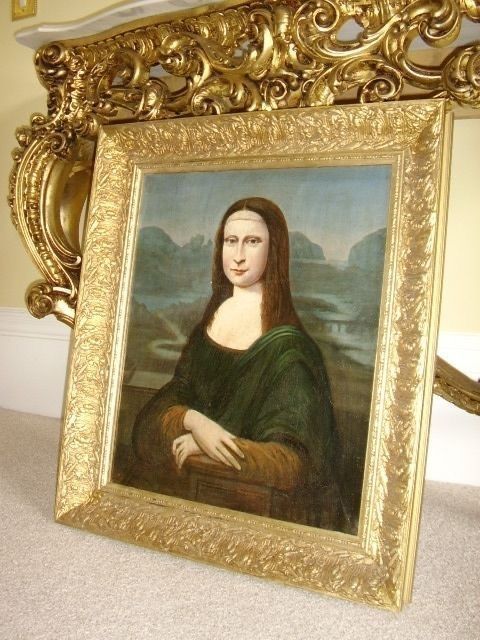
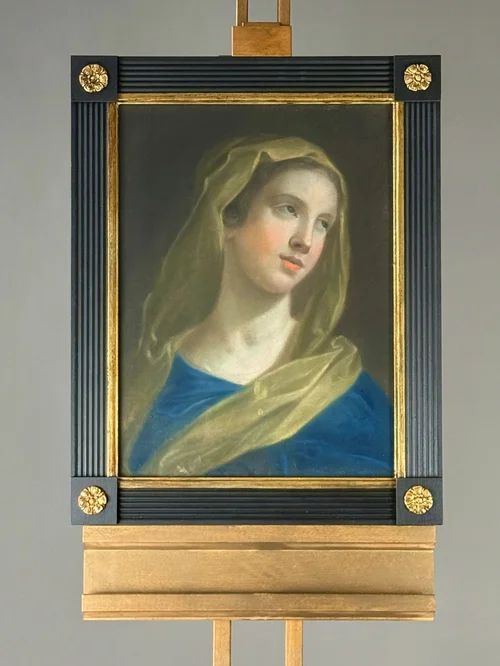
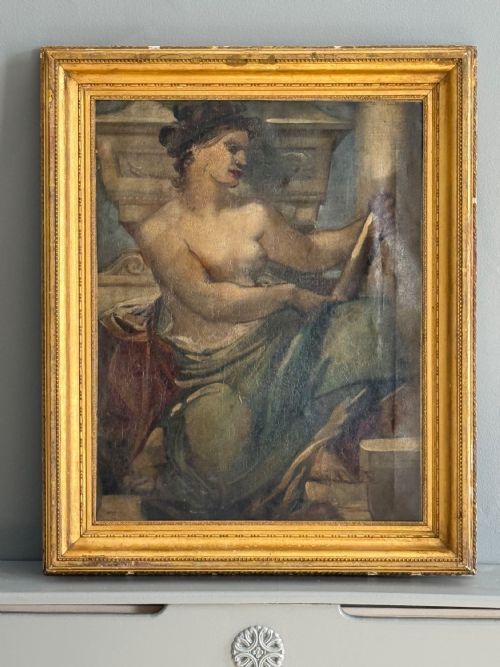
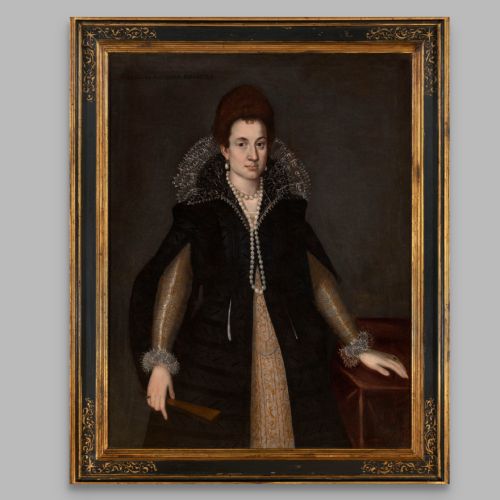
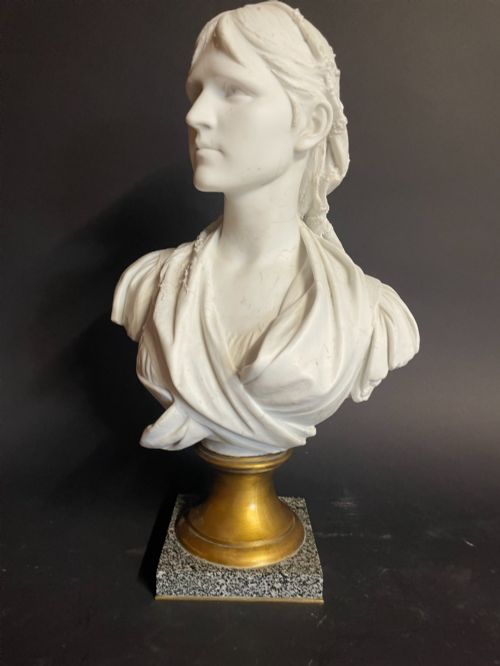
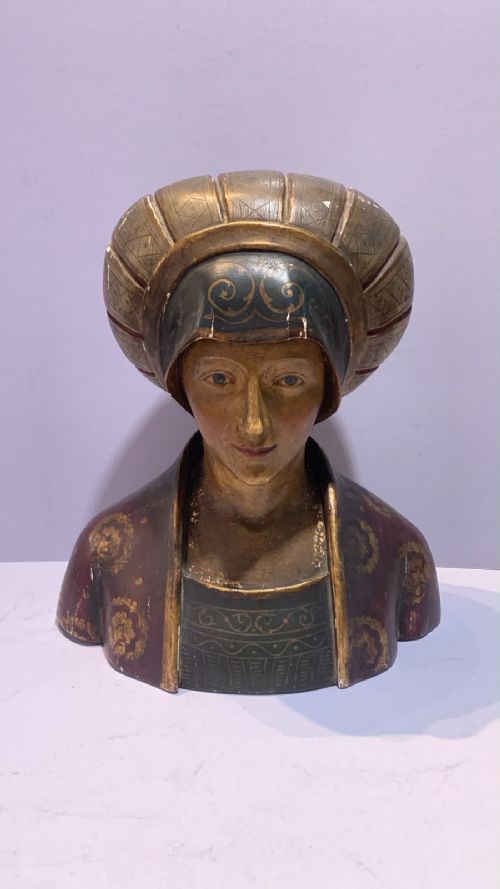
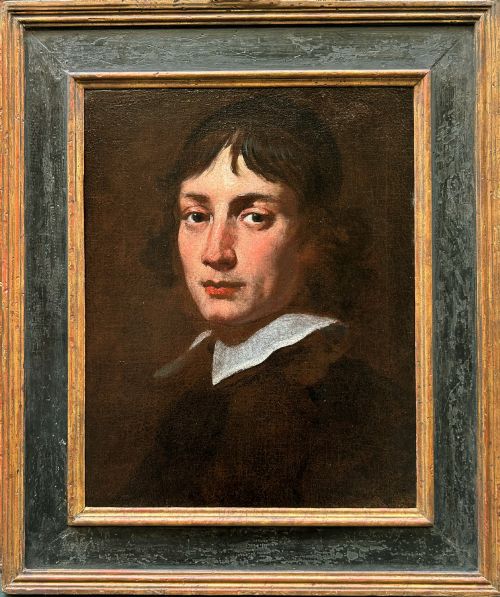
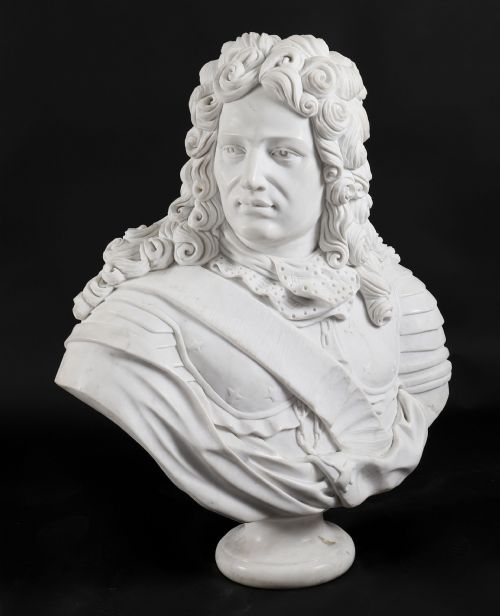
The pieces grouped under an italian classical portrait encompass oil paintings on canvas, carved marble busts, shell cameos and bronze sculptures spanning multiple centuries. A buyer is most likely to encounter nineteenth-century interpretations of Renaissance and Baroque masters alongside original works from the seventeenth and eighteenth centuries.
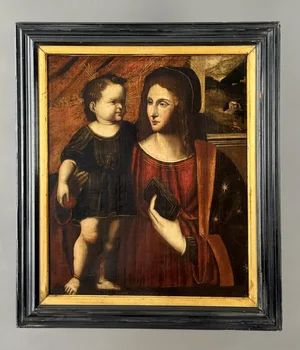
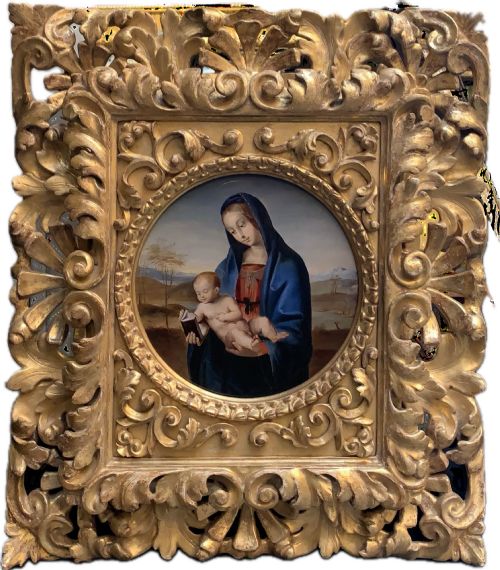
Subjects range from noblewomen and literary figures like Dante and Virgil to religious icons such as the Madonna and Child. These objects bridge historical reverence and fine craftsmanship, serving as focal points in traditional rooms.
Forms vary from large framed oil paintings to intimate profile wall plaques, library busts and wearable shell cameo brooches set in gold. Each object reflects the enduring influence of classical antiquity and Italian artistic heritage on European collections.
Materials and methods of execution
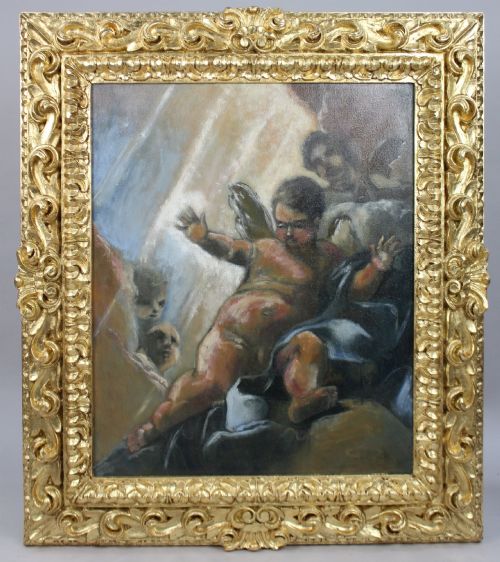
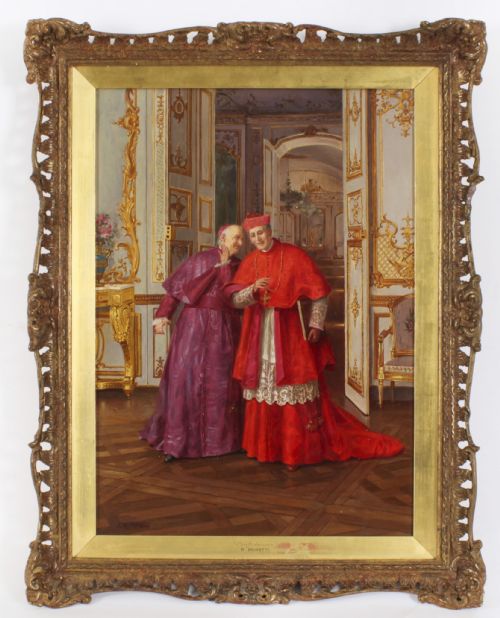
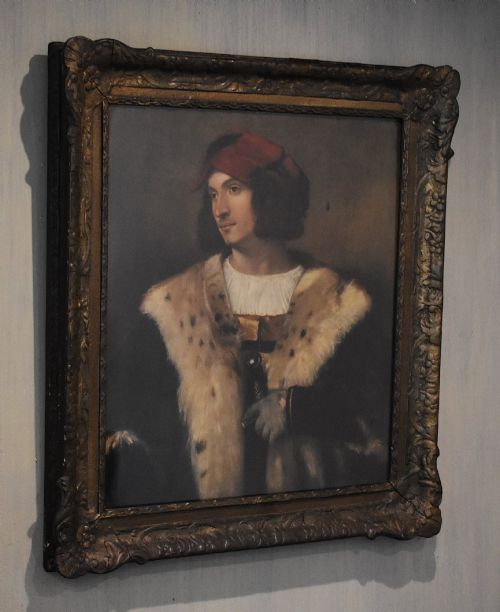
Oil paintings in this category utilise pigments on prepared canvas or wood panels, often set within carved and giltwood frames. Many pieces employ traditional layering techniques seen in Renaissance and Baroque workshops.
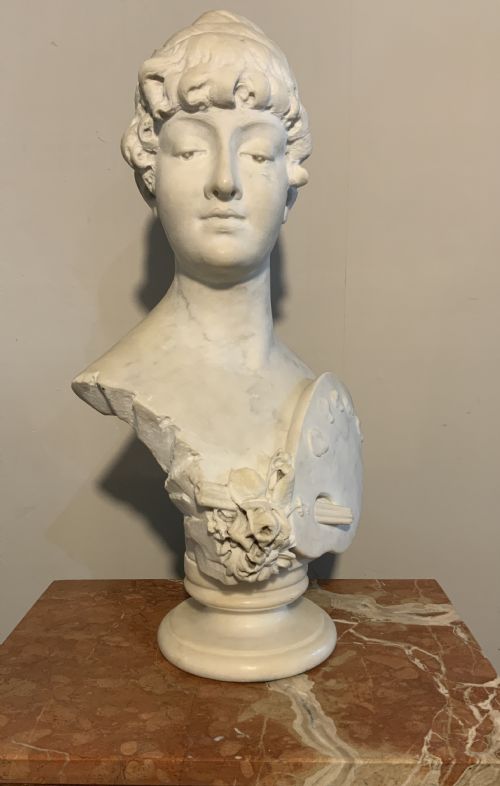
Sculptural works rely on Carrara marble, terracotta, plaster and cast bronze, frequently mounted on marble bases. Cameo brooches demonstrate fine hand-carving upon natural shell layered against a contrasting background.
Polychrome statues combine carved wood with painted and gilded surfaces, while prints and oileographs reproduce famous compositions for later collectors.
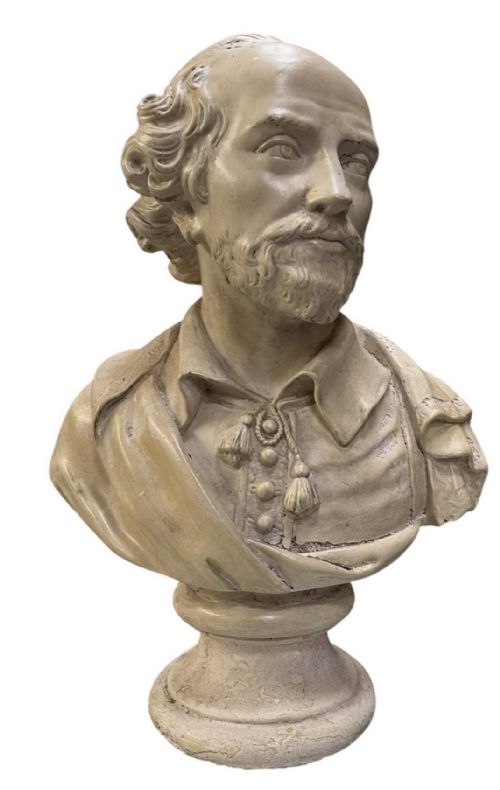
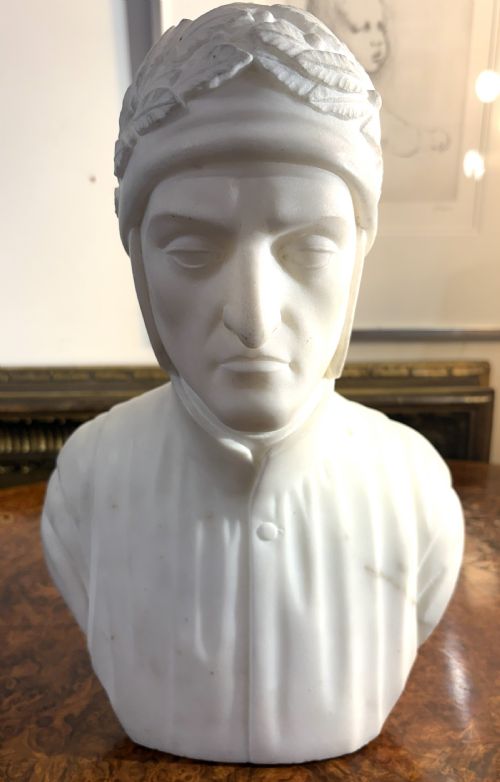
Shakespeare and Dante share shelf space here, immortalised in nineteenth-century marble and plaster.
Distinctions in quality
The secondary hand also influences standing, as works by identified artists or established schools command greater attention than anonymous copies. Finer frames and mounting materials, such as solid giltwood or multi-coloured marble bases, elevate the overall presence of a bust or painting.
Benedetto Luti·Pietro Fachetti·Bernardino Luini·Guillaume Courtois·Renato Moretti·Raffaelo Monti·Titian·Dante Alighieiri·Paolo Veronese·Guercino·Antonio Merente·Giuseppe Moretti·Claude Lorrain·Domenico Zampieri·Ferruccio Vitale·William Adolph Bouguereau·Antonio Allegri·Bartolomeo Schedoni·Antonio Rossellino
The Italian Classical Portrait Glossary
- Grand Tour
- A cultural journey undertaken by wealthy young Europeans through Italy during the eighteenth and nineteenth centuries, resulting in the acquisition of classical art and sculpture. These souvenirs often included marble busts and miniature bronzes.
- Cameo
- A method of carving an object such as a gemstone or shell so that a raised relief image appears against a contrasting background. Subjects frequently replicated classical deities or portraits.
- Renaissance Revival
- A nineteenth-century architectural and artistic style that drew inspiration from the art of the fifteenth and sixteenth centuries. Pieces in this manner often reinterpreted earlier Italian compositions.
- Oileograph
- A mechanical print on canvas textured to imitate the appearance and brushstrokes of an oil painting. These were popular for reproducing famous works in domestic interiors during the nineteenth and twentieth centuries.
- Polychrome
- The practice of decorating architectural elements, sculptures or pottery in a variety of colours. In older carvings, this involved applying paint and gilding directly onto wood.
Italian Classical Portrait: Frequently Asked Questions
What is a Grand Tour bust?
A Grand Tour bust is a small-scale or life-size sculpture of a classical figure, philosopher or noblewoman purchased by travellers touring Italy. They served as scholarly mementoes of artistic education.
These pieces were carved from materials like Carrara marble or cast in bronze, often designed to sit on library shelves or mantelpieces.
How do I distinguish an original seventeenth-century painting from a nineteenth-century copy?
Examination of the canvas weave, stretcher frames, and pigment composition helps determine the age of an oil painting. Earlier works display craquelure and canvas characteristics consistent with historical manufacturing.
Copies made during the nineteenth-century Renaissance Revival often show cleaner canvas preparations and framing techniques typical of later reproduction workshops.
What subjects are common in these portraits?
Common subjects include historical Italian nobles, literary figures such as Dante and Virgil, and religious icons like the Madonna and Child. Many compositions derive directly from Renaissance and Baroque masterpieces displayed in European galleries.
Artists also portrayed classical deities and sibyls, reflecting the era's fascination with antiquity and humanist philosophy.
How should marble and bronze pieces be displayed?
Marble busts and bronze sculptures require stable surfaces away from direct heat sources and sudden temperature fluctuations. Placing them on dedicated columns or sturdy sideboards highlights their three-dimensional form.
Dusting with a soft, dry cloth preserves the surface patina of both marble and cast metal without risking abrasion.