


Antique Saddle Cloth
An antique saddle cloth is a textile used for equestrian or ceremonial purposes, offering rich tribal patterns and historical resonance for your home.
Antique Saddle Cloth
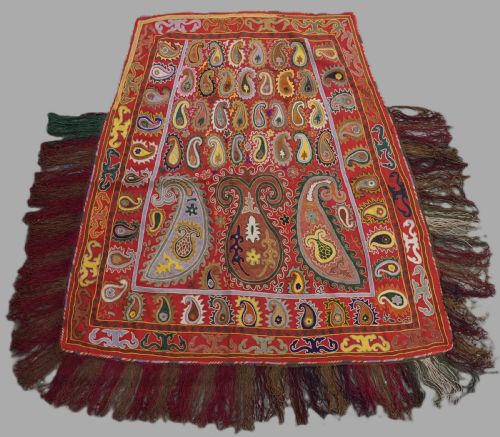
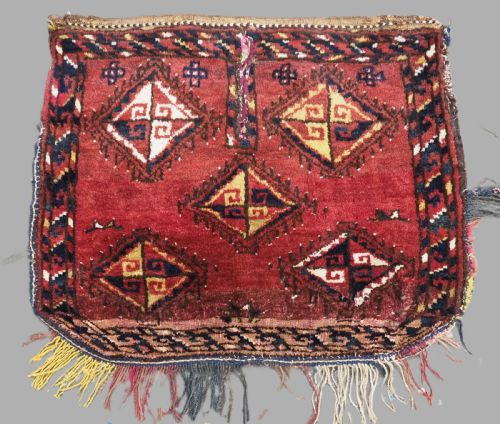
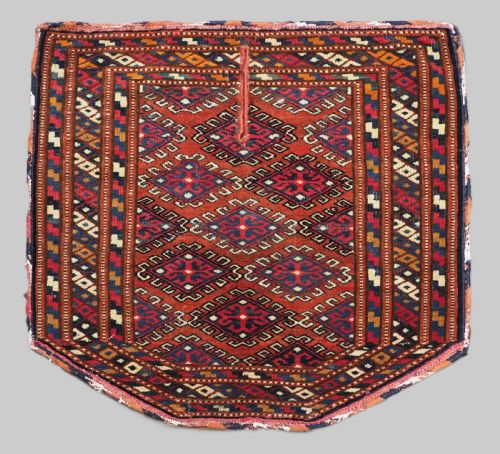
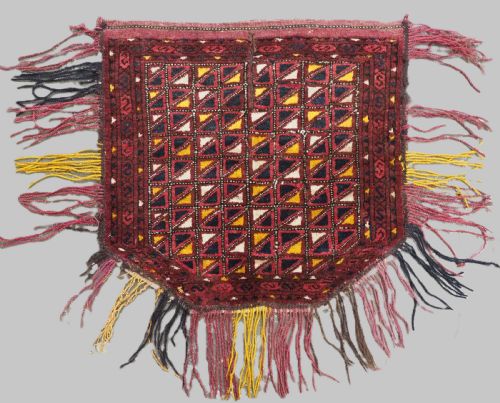
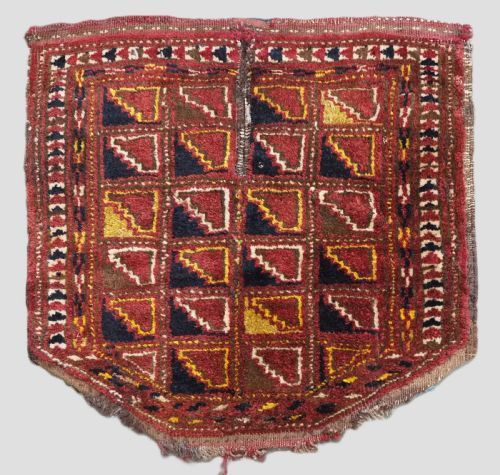
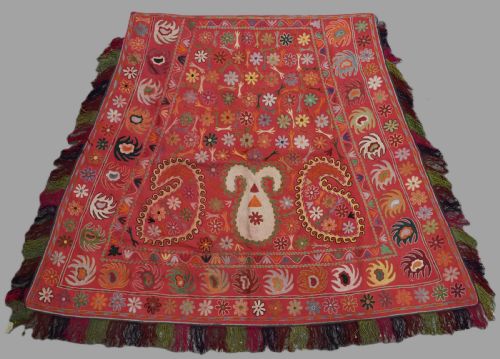
The versions you are most likely to meet on this page span the late nineteenth century to the early twentieth century. They take the form of saddle covers, rugs, and heavily embroidered ceremonial horse covers that served both practical utility on animals and decorative roles within tribal life.
How they were made
These textiles rely on fundamental natural materials such as wool, cotton, and silk, often dyed using natural dyes that create deep, stable hues over decades of use. Certain examples incorporate leather elements and original tassels to complete the textile structure.
Techniques range from pile weaving and flat weaving to dense tribal embroidery. Artisans constructed these durable coverings to withstand the rigours of horseback travel while displaying intricate geometric and pictorial motifs unique to their specific tribes.
Horses walked out in full ceremonial regalia wearing these vibrant embroidered covers, ensuring the tribe's animals looked far smarter than their riders.
What varies in quality
The distinction between ordinary and exceptional examples rests on the crispness of the tribal design and the complexity of the weaving or embroidery. Pieces featuring denser knotting, finer needlework, and intact original details like tassels hold greater visual impact.
The clarity of the natural dyes and the preservation of the textile substrate also dictate the standard of the piece. Stronger cultural attribution, such as distinct Lakai or Yomut iconography, elevates the character of the textile.
The Antique Saddle Cloth Glossary
- Tribal weaving
- Textile creation rooted in the specific cultural traditions and nomadic practices of distinct ethnic groups. These items use regional motifs passed down through generations.
- Natural dye
- Colouring matter derived from plants, insects, or minerals rather than synthetic compounds. These dyes yield harmonious, muted tones that age with considerable grace.
- Embroidery
- The art of decorating fabric using a needle to apply thread or yarn. In Central Asian pieces, this technique often creates raised, tactile surfaces with symbolic patterns.
- Pile rug
- A textile featuring a surface of cut yarn ends that stand up from the woven foundation. This construction provides both cushioning and durability for equestrian use.
Antique Saddle Cloth: Frequently Asked Questions
What is an antique saddle cloth?
An antique saddle cloth is a textile originally made for horses by tribal weavers in Central Asia and Tibet.
These pieces include embroidered ceremonial horse covers, woven saddle rugs, and practical animal covers from the late nineteenth and early twentieth centuries.
How were antique saddle cloths used?
Nomadic and settled tribal communities used these textiles placed beneath or over saddles for riding horses across difficult terrain.
Many elaborate examples also served ceremonial functions during weddings, festivals, and tribal gatherings rather than everyday riding.
How do I live with a saddle rug?
These textiles adapt easily to modern interiors as small floor rugs or striking wall art displays.
Keep them away from direct sunlight to protect the natural dyes and use appropriate rug underlays if placed on the floor.
How do I tell tribal groups apart?
Different groups employed distinct colour palettes, geometric patterns, and embroidery styles in their textile production.
Uzbek Lakai pieces often feature dense embroidery, while Yomut and Ersari Turkmen examples typically showcase classic woven geometric gul motifs.