

Antique Sabre
These antique sabre pieces span functional edged military steel from the eighteenth and nineteenth centuries alongside domestic furniture featuring distinctive curved supports.
Antique Sabre
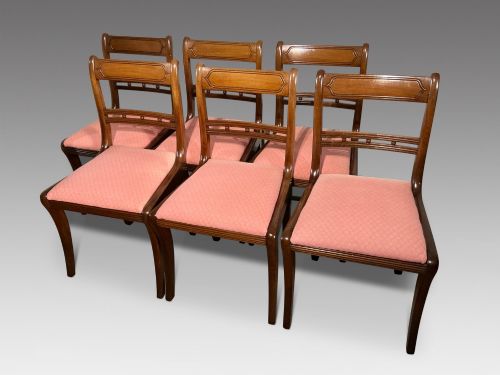
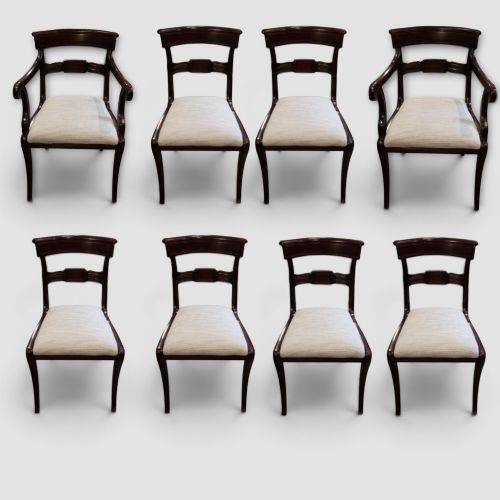
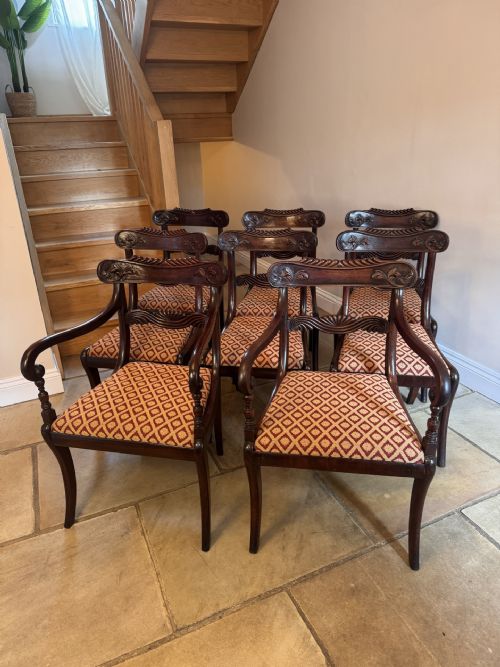
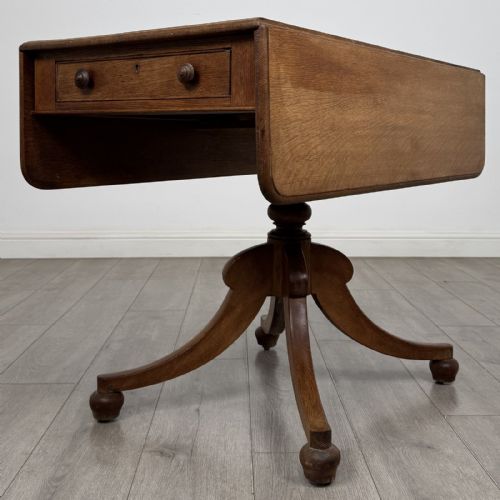
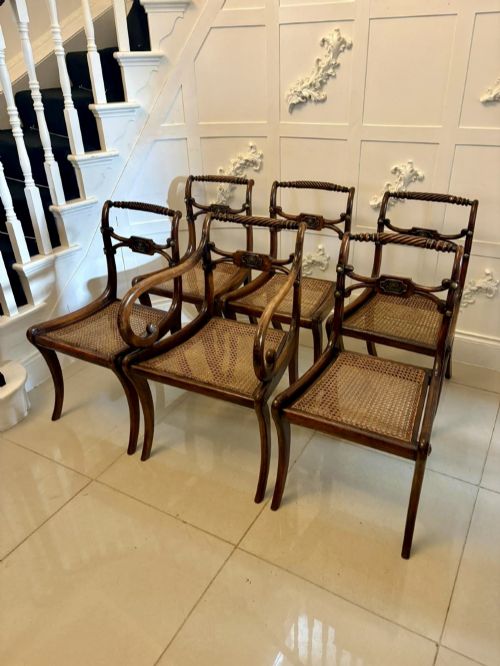
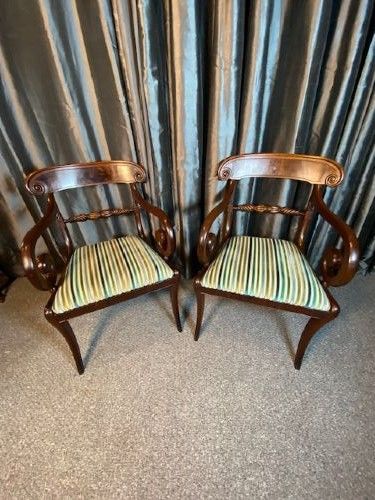
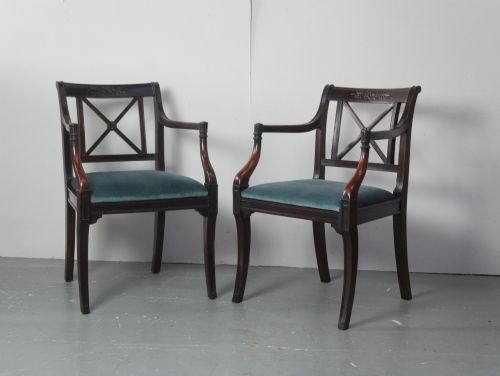
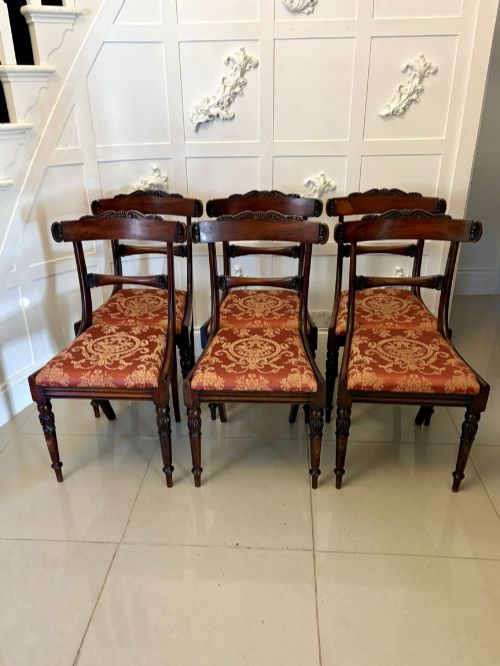
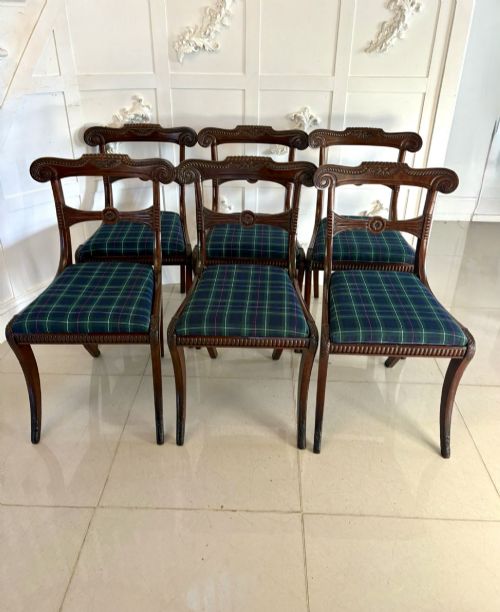
When browsing for an antique sabre, you encounter two distinct categories: edged military weapons and domestic seating furniture named for their curved leg profile. The seating comprises dining chairs, carvers, and armchairs from the Regency, Georgian, and Victorian periods.
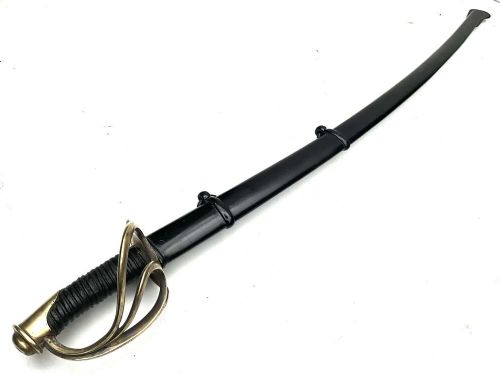
Military examples include cavalry sabres, naval officers presentation swords, and bayonets originating from French, German, British, and Indian sources across the eighteenth and nineteenth centuries. These weapons reflect official military patterns and presentation standards of their respective eras.
Materials and construction methods
Furniture makers utilised dense timbers including mahogany, rosewood, and satin birch, frequently shaping them into curving forms and bar back designs. Brass inlay, ebonisation, and painted surfaces appear alongside cane seats and upholstery in fabric, leather, and velvet.
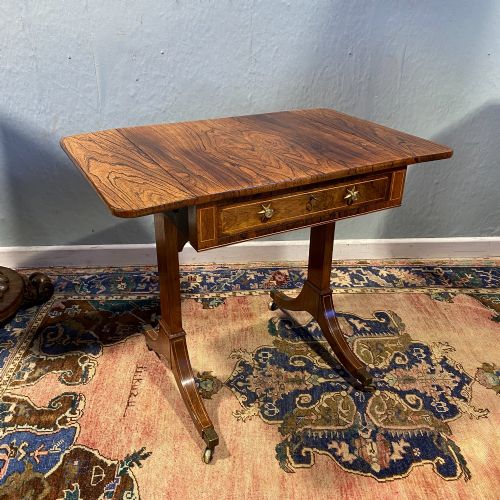
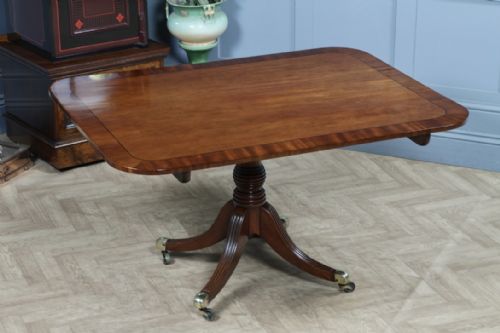
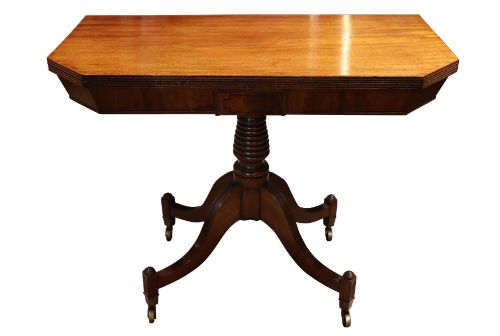
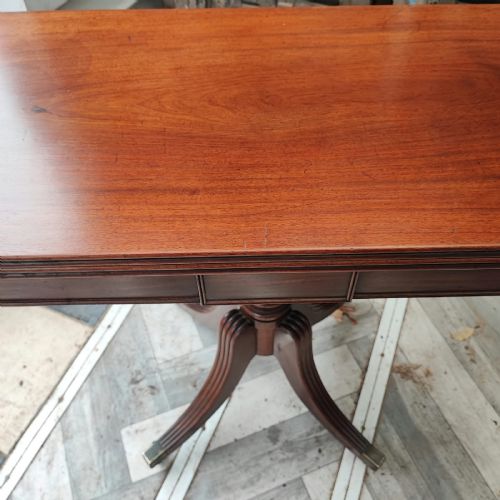
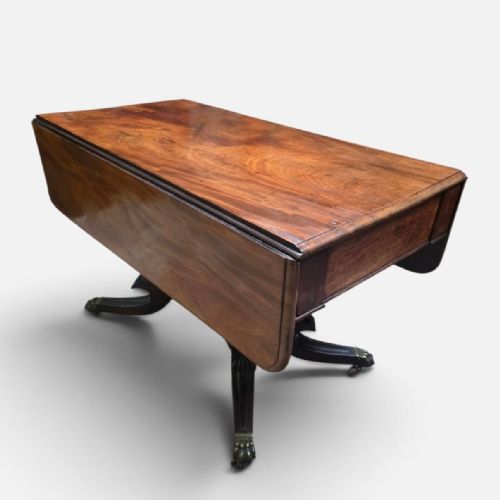
Blades and military items were forged from steel, sometimes accompanied by silver handles, while tables utilised drop-leaf mechanisms and inlay techniques to create decorative console and tea table surfaces.
Antique Sabre Retail Price Guide 2026
Typical asking prices for sabre among the pieces listed under this phrase on Sellingantiques today, from the lower quarter to the upper quarter. They describe what is for sale here now, not the wider market.
Listings combine nineteenth-century mahogany dining furniture featuring curved sabre legs with military steel swords from British, French, and German makers.
Distinctions in quality and execution
Quality in seating manifests through the crispness of carved details, the integrity of brass inlay work, and the structural stability of the curved leg joints. Matching sets demonstrate greater uniformity in timber grain and overall proportions.
Military swords depend on the preservation of the steel blade, the condition of the hilt assembly, and any specific markings that identify regiments, makers, or presentation inscriptions.
The Antique Sabre Glossary
- Sabre leg
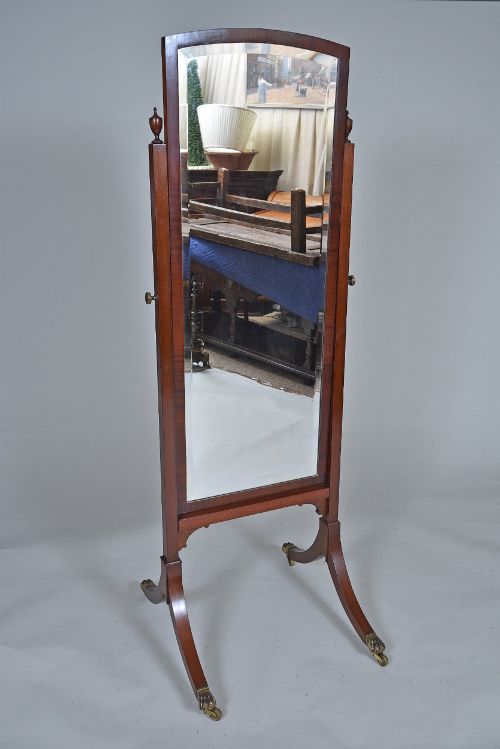
- A chair or table leg that curves outward in a concave sweep resembling a cavalry sword. This form became particularly popular during the Regency period.
- Bar back
- A chair design featuring a horizontal wooden top rail or slat across the backrest. These often curve to fit the sitter and appear frequently in nineteenth-century dining sets.
- Console table
- A side table designed to stand against a wall, frequently incorporating drop leaves or card table tops. They display mahogany and rosewood veneers with inlaid details.
- Mameluke sword
- A military sabre with a curved blade and crossguard, modelled on traditional Middle Eastern swords and adopted by British general officers in the nineteenth century.
- Cane seat
- A seating surface woven from rattan or cane strips. This lightweight and flexible material was widely utilised on nineteenth-century side chairs.
Antique Sabre: Frequently Asked Questions
What is a sabre leg on a chair?
A sabre leg curves outward in a concave sweep from the seat rail to the floor. This profile mimics the dynamic curve of a military cavalry sabre.
Furniture designers adopted this shape during the Regency era to replace straight or cabriole legs on dining chairs and armchairs.
How do I date a Regency chair?
Regency chairs date from the early nineteenth century, typically between eighteen hundred and eighteen thirty. Look for characteristics like mahogany or rosewood timbers, brass inlay, and sabre legs.
Many pieces from this period were also recreated later during the Regency Revival around nineteen hundred, so construction details help confirm the actual period.
Were these swords used in battle?
Many military sabres and bayonets served active roles in nineteenth-century campaigns. Regulations dictated the patterns worn by British, French, and German officers and troopers.
Other examples, such as presentation swords, were created for ceremonial use or to honour specific individuals rather than for combat.
How do I care for antique mahogany furniture?
Keep wooden furniture away from direct sunlight and heat sources to prevent the mahogany or rosewood from drying out. Maintain stable indoor humidity levels.
Clean surfaces gently with a dry or slightly damp cloth and avoid harsh chemical polishes that can damage the antique finish.