


Antique Rustic Pottery
Antique rustic pottery delivers honest earthenware and stoneware shaped by practical hands, offering tactile warmth to modern interiors.
Antique Rustic Pottery
When searching for antique rustic pottery, collectors encounter robust utilitarian vessels designed for everyday agrarian life rather than formal display. These pieces originate primarily from nineteenth and eighteenth-century workshops across France, England, Germany, and the Mediterranean.
Materials and Making
Potters relied on local clay, earthenware, and terracotta, shaping massive storage jars and dairy bowls on simple wheels or within moulds. These dense bodies absorbed daily wear, establishing the heavy physical presence characteristic of the genre.
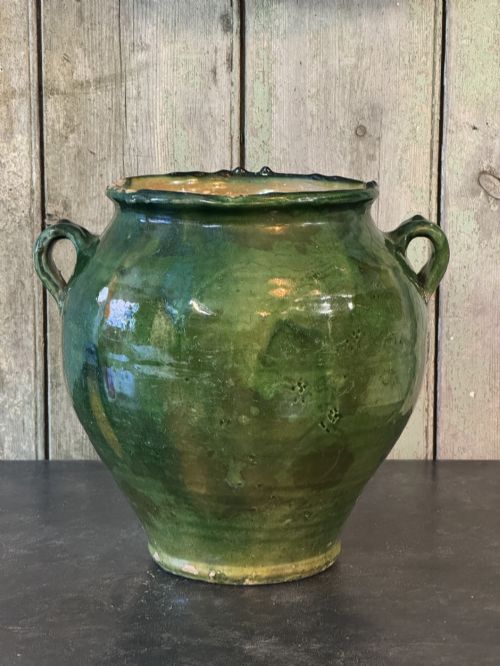
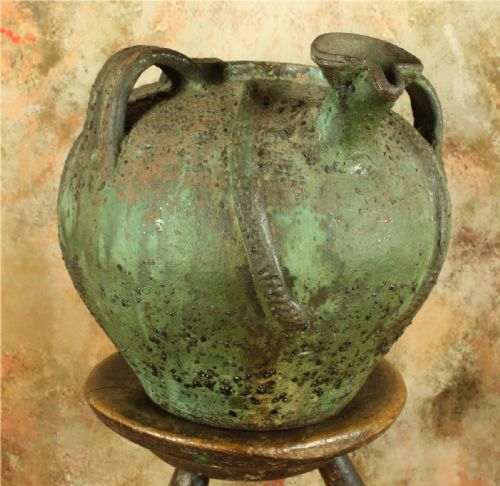
Surfaces received lead glazes, salt glazes, or slip decoration applied by hand before firing in traditional kilns. Variations in temperature and mineral content during firing produced uneven colours and accidental patination that distinguish each vessel.
Listings draw upon nineteenth and eighteenth-century traditions, spanning utilitarian earthenware, salt glazed stoneware, and terracotta from English, French, and Mediterranean origins.
Evaluating Quality and Character
Quality rests in the balance between structural survival and the expressive fluidity of the clay. Pots that retain uncompromised rims alongside rich, bubbling glaze runs demonstrate superior potting traditions.
The distinction between ordinary domestic stock and exceptional survivals lies in the depth of the glaze and the purity of the thrown silhouette. Untouched surface patination from decades of use elevates the standing of individual pieces.
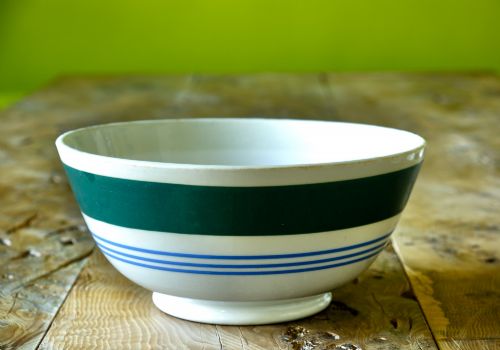
T G Green·Walton
The Antique Rustic Pottery Glossary
- Confit pot
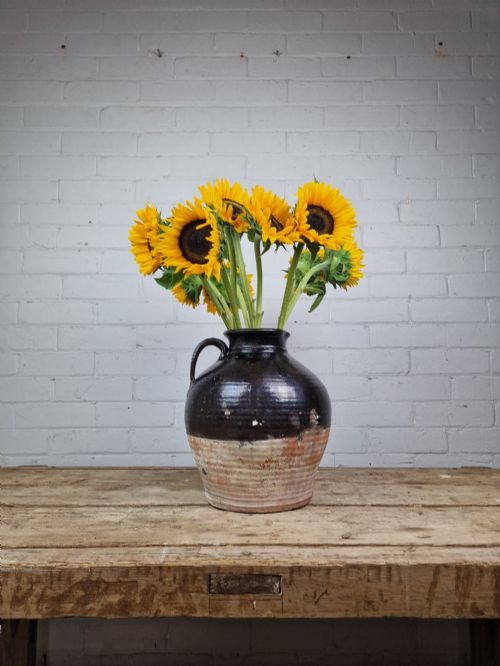
- A French earthen vessel with one or two handles, partially glazed, originally utilised for preserving meats. These jars are widely collected for their earthy colour palettes.
- Salt glaze
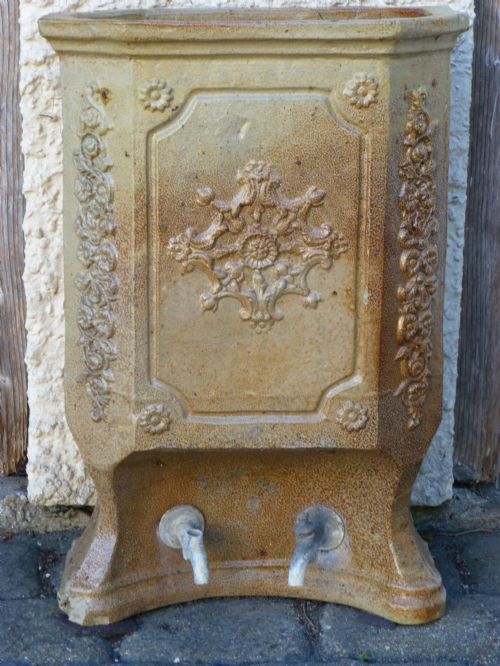
- A vitreous coating formed by throwing common salt into the kiln during high-temperature firing. This process creates a distinctive orange-peel texture on stoneware bodies.
- Slipware
- Pottery decorated with a liquid clay mixture brushed or trailed over a darker body before firing. English workshops produced notable slip-glazed bowls and jugs using this method.
- Terracotta
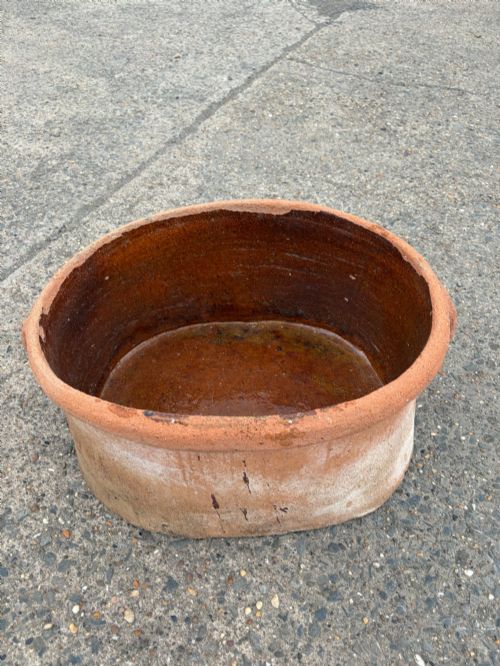
- Fired but unglazed brown-red clay utilised for Mediterranean amphorae and garden planters. The porous material ages gracefully when exposed to the elements.
- Parian ware
- A fine white bisque porcelain developed in the nineteenth century to imitate carved marble. English factories utilised this material for classical portrait busts and decorative jugs.
Antique Rustic Pottery: Frequently Asked Questions
What was antique rustic pottery used for?
These vessels served demanding domestic and agricultural roles, functioning as storage containers for wine, olive oil, vinegar, and confit meats. Dairies utilised large bowls for skimming cream.
Over time, utility gave way to decorative appreciation as collectors recognised the sculptural merit in utilitarian kitchenware and storage jars.
How do I identify French confit pots?
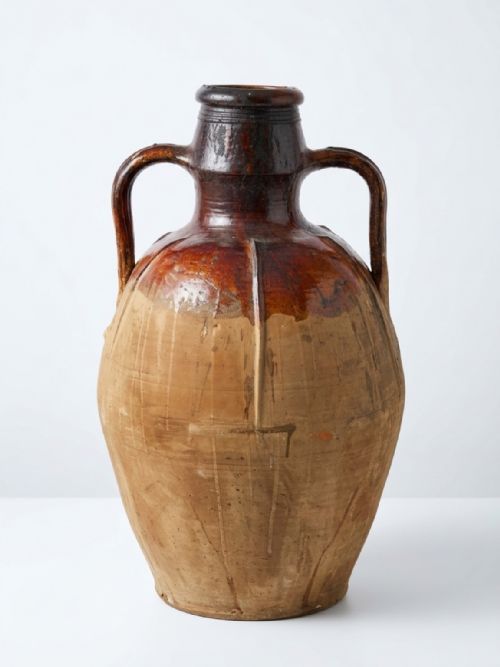
French confit pots typically feature robust earthenware bodies with one or two vertical handles near the shoulder. The upper portion usually displays a rich green, yellow, or honey glaze while the lower body remains unglazed.
Potters designed these jars for preserving duck or pork in fat, burying the lower unglazed section in cool cellar floors.
How should I clean rustic pottery?
Porous earthenware and terracotta require gentle dusting with a dry cloth rather than immersion in water. Historic absorbent bodies can retain moisture and cause residual mineral salts to damage old surfaces.
Display these pieces away from damp environments to preserve original glazes and prevent the breakdown of fragile historic clay bodies.
How do I date salt glazed stoneware?
Early salt glazed bottles and containers from the seventeenth and eighteenth centuries show heavier throwing rings and hand-applied loop handles. The salt-glazing process leaves an unmistakable pitted texture resembling orange peel.
Nineteenth-century examples tend toward more standardised industrial production methods, often incorporating stamped capacity numbers or merchant marks.