

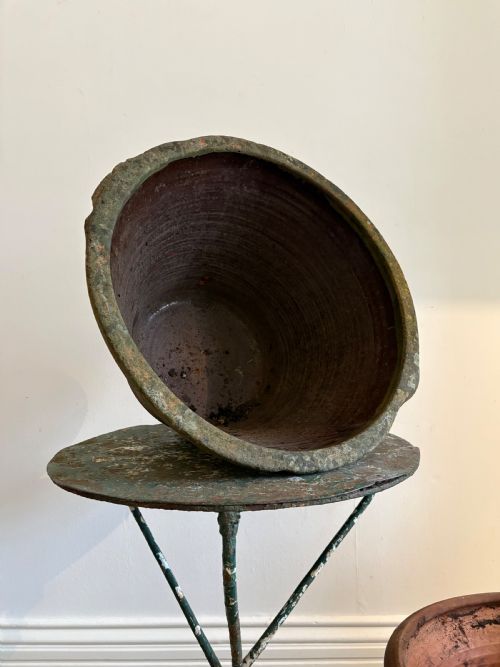


Traditional Terracotta Vessel
These traditional terracotta vessel items bring earthy warmth and genuine utility into your home, formed from classic clay and earthenware.
Traditional Terracotta Vessel
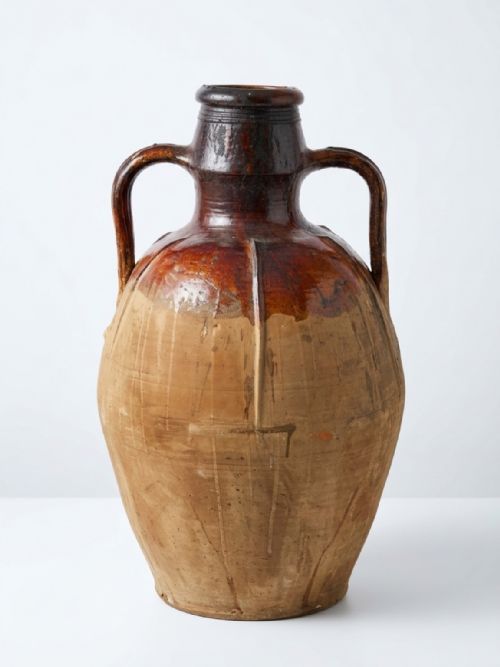
When you search for a traditional terracotta vessel, you encounter a robust assortment of utilitarian objects designed for storage, preparation, and display. The listings here present a diverse selection spanning multiple centuries, featuring forms such as large oil jars, dairy bowls, and handled olive jugs.
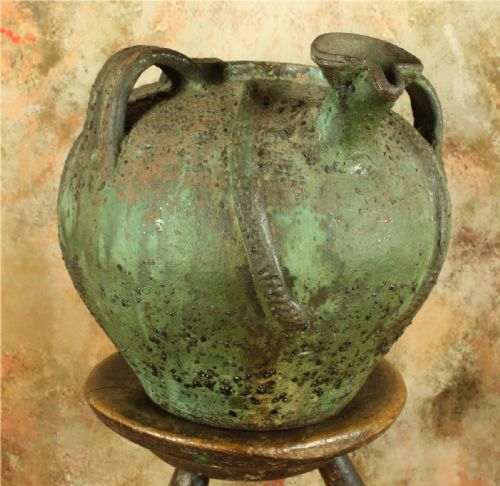
You are most likely to meet pieces originating from 19th century rural traditions, alongside select examples from the 18th and 17th centuries. These range from French confit pots and walnut oil jugs to Turkish water pots and Italian wine jars.
Domestic and agricultural forms dominate the selection, including deep dairy bowls with glazed interiors and heavy amphorae built for Mediterranean estates. Such items reveal how everyday utility crossed paths with domestic craftsmanship across European and Near Eastern regions.
How they were made
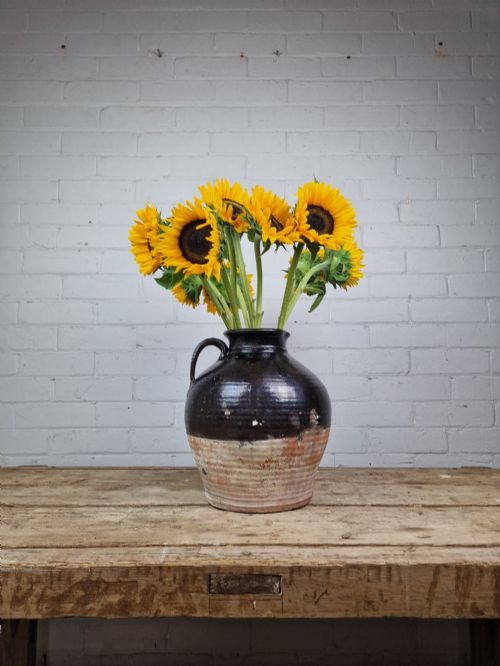
Potters shaped these objects primarily from clay and earthenware, throwing them on wheels or forming them by hand to create thick, durable walls capable of holding liquids and dry goods. Many pieces received partial or full applications of glaze to seal the porous material against oils and water.
Surface treatments included slipware decoration, enamel paint, and natural weathering that developed over decades of agricultural use. Kiln firings varied by region and period, yielding tones ranging from pale terracotta reds to dark, earthy browns.
Several heavy olive jars required three separate handles so farm workers could heave them around without dropping their precious contents.
What varies in quality
The distinction between standard utilitarian wares and superior examples rests upon the balance of proportion, the richness of the clay body, and the character of any applied glaze. Master potters achieved harmonious volumes in large oil jars and amphorae that command attention through sheer presence rather than excessive ornamentation.
Surface integrity and original markings, such as slip trails or early painted details, elevate specific pieces above plain utility. Gradations in quality also appear in the intentionality of the throwing and the preservation of historical surfaces over centuries of handling.
The Traditional Terracotta Vessel Glossary
- Terracotta
- A porous, unglazed or glazed fired earthenware clay of a brownish-red colour. It served as the primary medium for storage jars, amphorae, and garden vessels across centuries.
- Slipware
- Pottery decorated with a thin mixture of clay and water applied before firing. This technique created contrasting linear patterns on jugs and tavern vessels.
- Confit pot
- A traditional French earthenware jar designed for preserving and storing meats or oils. These pots typically feature glazed interiors and unglazed lower bodies.
- Amphora
- A tall ancient container with two handles and a narrow neck used for carrying and storing oil or wine. Later nineteenth-century iterations adopted similar robust forms for estate use.
- Dairy bowl
- A wide, shallow earthenware basin utilised in farmhouses for setting milk and skimming cream. Examples frequently incorporate interior glazing to facilitate cleaning.
Traditional Terracotta Vessel: Frequently Asked Questions
What were traditional terracotta vessels used for?
These vessels served essential domestic and agricultural functions, primarily storing liquids such as olive oil, wine, and water on farms and in country houses.
Larger jars held preserves or grains, while shallow bowls handled dairy production like skimming milk and separating cream for butter.
How do I date a terracotta vessel?
Dating relies on examining the throwing marks, the composition of the local clay body, and the specific form of the handles and rim.
Earlier pieces from the seventeenth and eighteenth centuries often display heavier potting techniques and distinct slip decorations compared to later nineteenth-century factory or rural outputs.
Can I use these vessels outdoors?
Most terracotta and earthenware pieces designed for storage or agricultural work tolerate sheltered outdoor placement in moderate climates.
However, porous historic clays absorb moisture, meaning freezing winter temperatures can cause unglazed earthenware to crack or spall if left unprotected.
Why do some vessels have glazed interiors?
Glazes were applied to the inside of dairy bowls, oil jars, and confit pots to create a non-porous surface that prevented liquid seepage.
This functional treatment made the vessels hygienic and easier to clean when holding oils, milk, or wet preserves.