

Antique Rural Scene Art
These antique rural scene art works capture pastoral life with charming historical depth, offering genuine character for country houses and classic interiors.
What antique rural scene art is
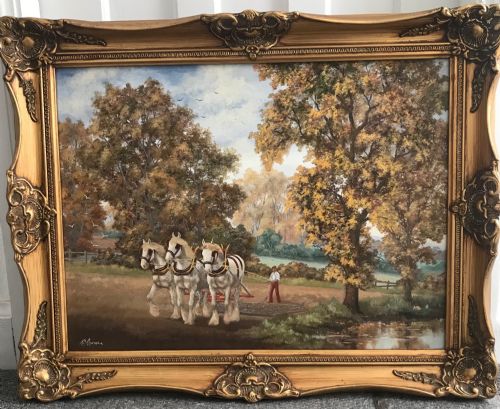
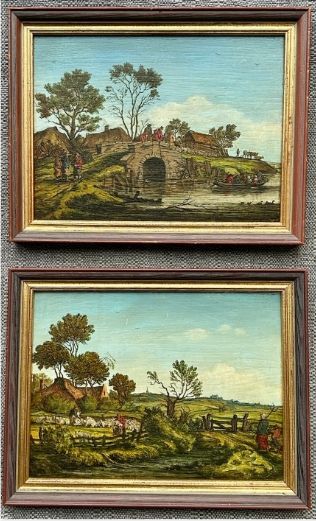
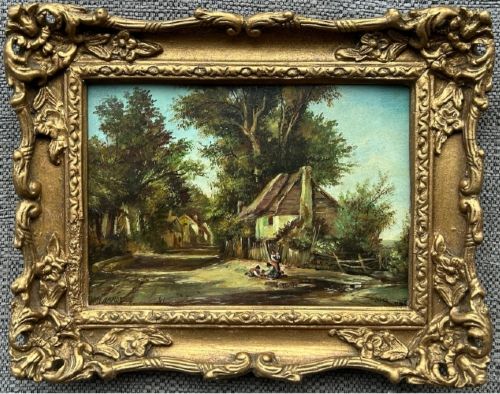
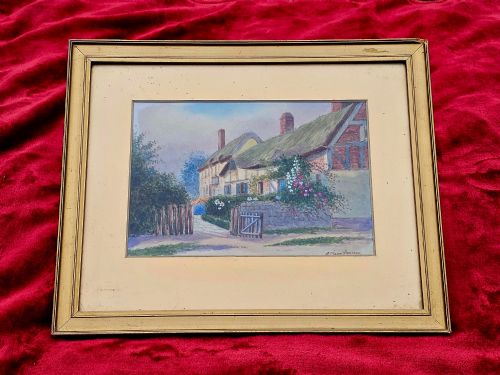
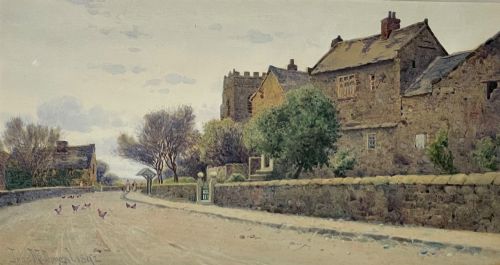
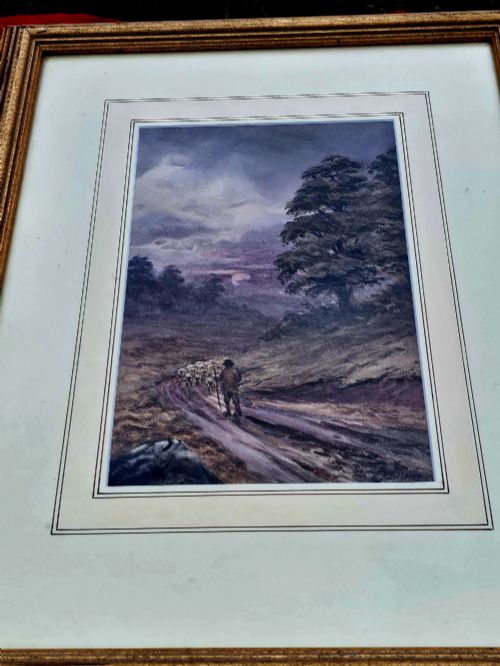
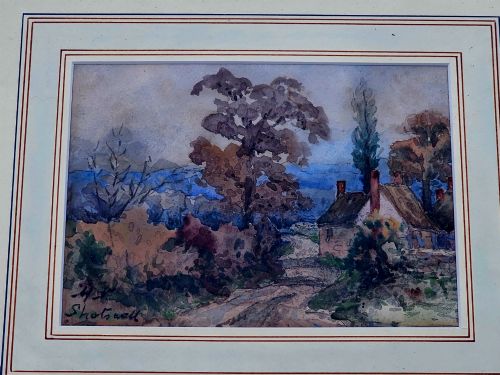
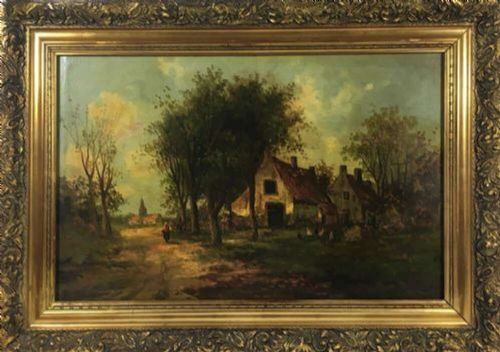
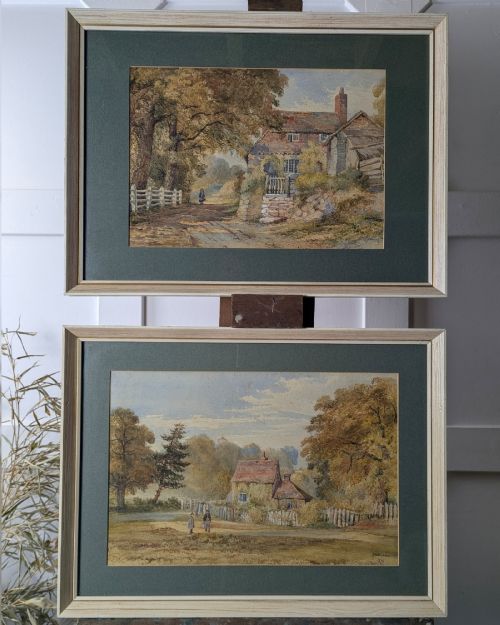
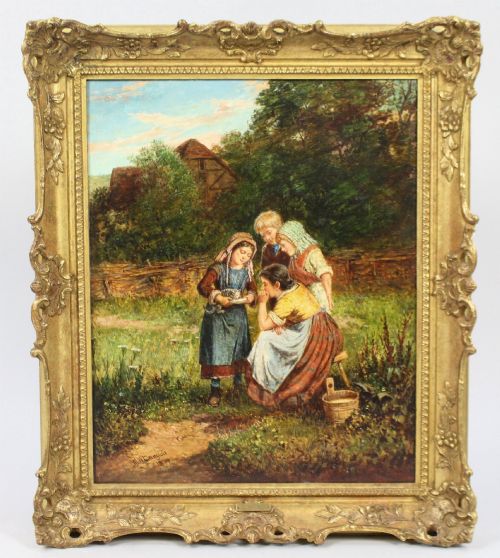
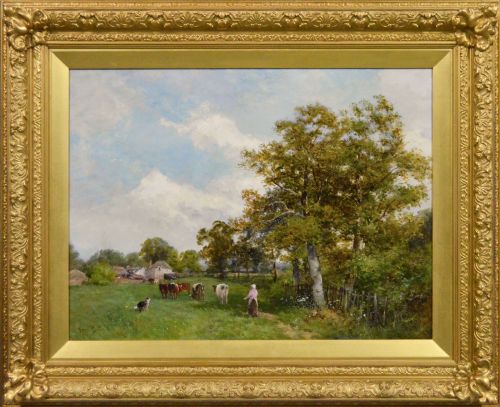
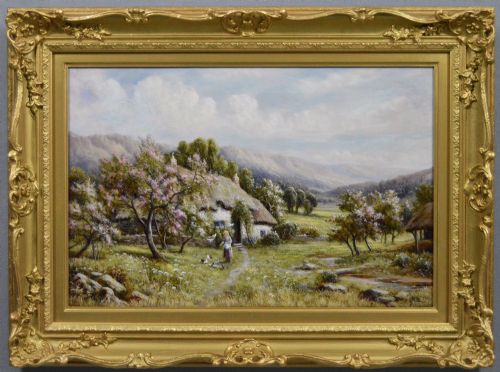
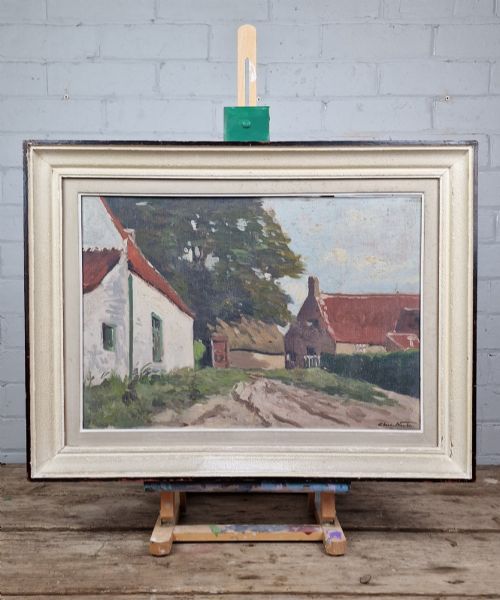
When you search for antique rural scene art, you are looking at historical depictions of country life, agricultural work and pastoral landscapes. These works record farming communities, livestock, rivers and harvest settings through the eyes of period artists.
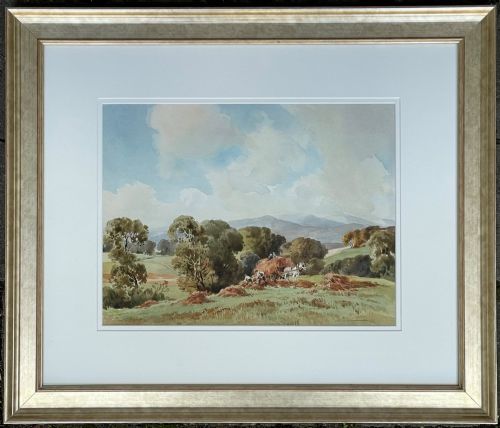
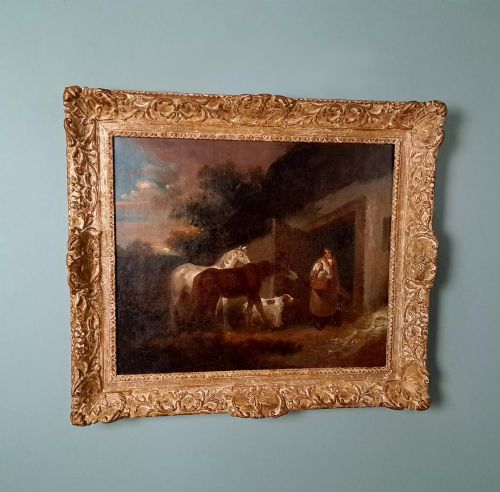
You are most likely to meet nineteenth century and Edwardian oil paintings on canvas or wood board, alongside occasional watercolours. British Impressionism and English School styles dominate the pieces available, bringing authentic regional character.
The subjects range from quiet Devonshire streams and Yorkshire landscapes to detailed animal portraits and farmyard milking times. Each piece preserves a vanished agricultural routine through traditional painting techniques.
How they were made
Artists painted these rural scenes using oil paint or watercolour applied to stretched canvas, prepared wood boards or paper supports. These traditional materials provide the distinct textures and lasting stability seen in the works.
Many of these paintings retain their period framing, constructed from wood, giltwood and moulded plaster. The craftsmanship of the frames often matches the era of the canvas itself, completing the historical presentation.
Retail Price Guide 2026
Typical UK retail prices for rural scene art, calculated from the Sellingantiques database of over a million retail prices indexed since 2003. This retail price guide relies exclusively on Sellingantiques data; no external sources or auction records are used, so the figures do not describe the wider market.
Cattle and sheep frequently steal the focus from the human farmers in these pastoral landscapes.
What varies in quality
The strength of the composition and the artist's handling of light and atmosphere dictate the quality of a rural scene. Works by listed historical painters or established schools show superior command of perspective and detail.
The preservation of the paint surface and the originality of the mounting also separate finer examples from standard decorative works. Untouched surfaces and signed authorship elevate the standing of a pastoral painting.
Sydney Yates Johnson·Thomas Sidney Cooper·William Greaves·Owen Bowen·Wilmot Pilsbury·Arthur Herbert Rigg·Hermanus van Brussel
The Antique Rural Scene Art Glossary
- Oil paint
- A slow-drying medium made from pigments suspended in a drying oil, typically linseed. This technique allows for rich colour depth and blended brushwork.
- Wood board
- A rigid wooden panel utilised as a painting support instead of woven canvas. These boards provide a firm surface for detailed brush application.
- Giltwood
- Wood carved and coated with gold leaf or a gold-coloured metallic finish. This material creates the ornate frames often found on nineteenth century paintings.
- British Impressionism
- A painting style focusing on light and everyday subjects with loose brushstrokes. It emerged in the late nineteenth century across British art communities.
Frequently Asked Questions
What periods do these rural paintings come from?
The available works span the nineteenth century, the Victorian era, the Edwardian period and nineteen ten. This timeline captures significant shifts in British and European painting styles.
Artists during these eras focused heavily on recording rural trades, farm animals and local landscapes before industrial expansion altered the countryside.
What materials were used to create them?
Painters utilised oil paint and watercolour applied to prepared canvas or sturdy wood boards. These durable materials have preserved the pigments for over a century.
Surviving frames frequently combine carved wood with giltwood and plaster mouldings, completing the historical composition of the artwork.
How were these pastoral scenes used?
These paintings were created as fine art for domestic display in period homes and drawing rooms. They brought views of the countryside into urban and rural residences alike.
Collectors today still hang them in traditional living spaces, studies and country houses to establish a classic, settled atmosphere.
How do I identify English School paintings?
English School works typically reflect the landscape traditions, topographical interests and painting techniques common in Britain during the eighteenth and nineteenth centuries. They often depict recognizable regional locations and domestic agricultural life.
Signatures may be absent on unsigned school pieces, placing greater emphasis on the stylistic handling of the brush and the choice of local scenery.