





Antique Royal Tray
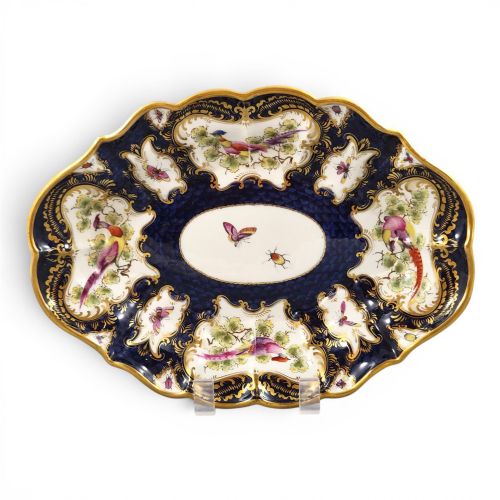
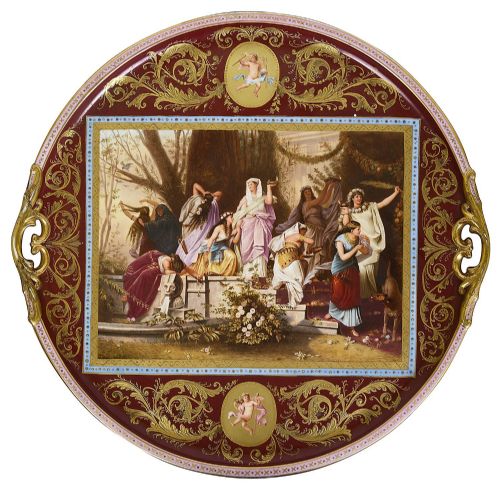
An antique royal tray brings porcelain and silver craft into the home, offering painted fruit and classical scenes for display.
Antique Royal Tray
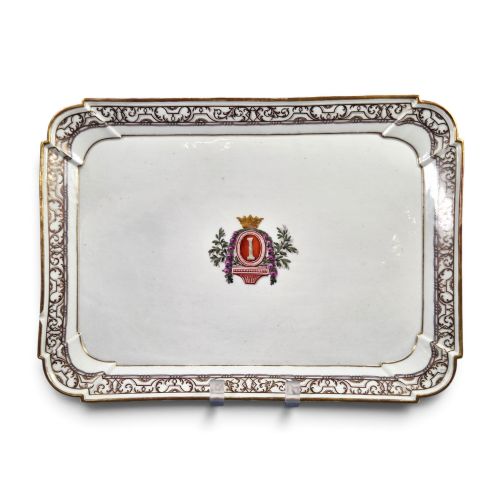
An antique royal tray encompasses porcelain cabinet dishes, serving trays, and silver pin dishes bearing royal or factory names. Buyers seeking an antique royal tray encounter serving pieces and cabinet dishes spanning the eighteenth century to the mid-twentieth century.
How they were made
Craftsmen shaped porcelain and bone china before applying glaze and hand-painted details. Gold leaf, gilding, and enamel accents enhance the surface of many plates and trays.
Silver creation involved metalworking techniques to produce small coasters and pin dishes with monograms.
Antique Royal Tray Retail Price Guide 2026
Typical asking prices for royal tray among the pieces listed under this phrase on Sellingantiques today, from the lower quarter to the upper quarter. They describe what is for sale here now, not the wider market.
Bacchus and Ariadne share cabinet space with delicate painted fruit and wise virgins.
What varies in quality
Artistic execution on hand-painted fruit and mythological scenes determines the distinction between standard production and masterwork pieces. Named artists and detailed brushwork elevate cabinet pieces above simple tableware.
The application of gilding and gold leaf, alongside the crispness of porcelain moulding, separates standard factory output from exceptional examples.
Royal Crown Derby·Ludwigsburg Porcelain·Royal Worcester·Royal Doulton·Royal Dux·Royal Copenhagen
The Antique Royal Tray Glossary
- Cabinet dish
- A decorative plate intended for display in a cabinet rather than for serving food. These pieces often feature elaborate painted scenes.
- Bone china
- A type of porcelain incorporating bone ash for strength and translucency. It forms the body of many fine serving pieces.
- Gilding
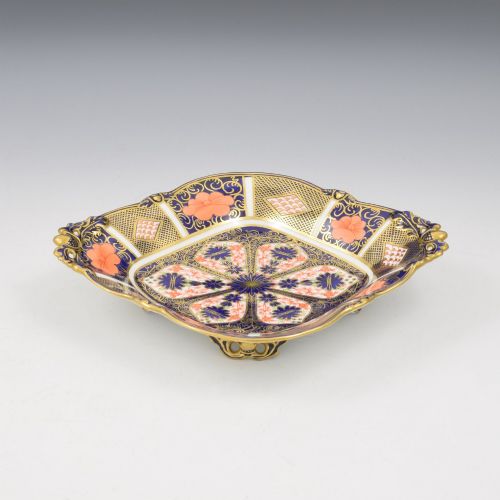
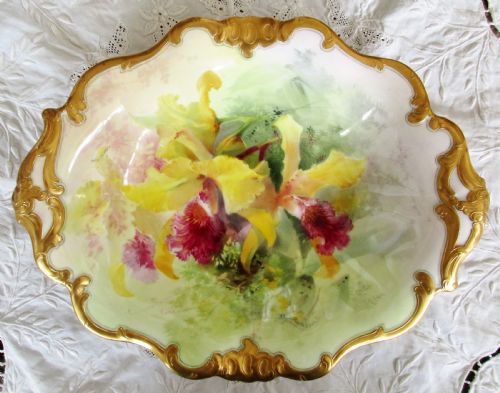
- The application of gold leaf or gold powder to the surface of porcelain or metal. This technique highlights rims and handles.
- Imari pattern
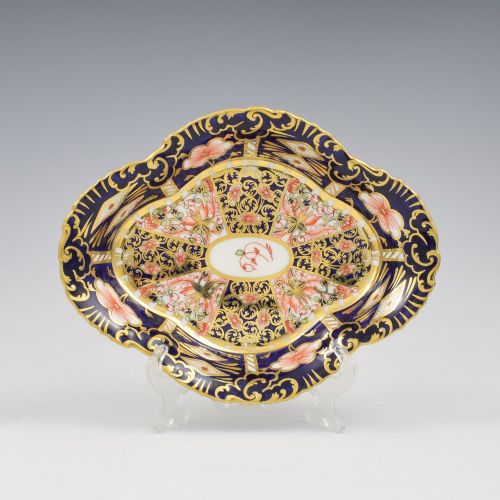
- A decorative style utilising rich cobalt blue, iron red, and gold. It appears frequently on porcelain serving trays.
- Vide poche
- A small tray or dish used for emptying pockets of small items. These small porcelain forms sit on hall tables.
Antique Royal Tray: Frequently Asked Questions
How were cabinet dishes displayed?
Cabinet dishes were designed primarily for visual appreciation within formal rooms. Owners placed them on stands or inside glass-fronted furniture to showcase the painted artwork.
Unlike everyday tableware, these items remained protected from regular use to preserve their painted scenes and gilt edges.
What is a pin dish used for?
Small pin dishes served to hold small metal fasteners, rings, and other personal items on dressing tables. Their compact size made them suitable for desks and side tables.
Silver and porcelain versions kept small accessories organised while adding a decorative touch to the room.
How do I identify an Edwardian piece?
Edwardian items often reflect specific stylistic revivals alongside softer floral decoration and blush ivory finishes. Makers active during this era produced cabinet pieces with delicate handling.
Examining the underlying porcelain body and any factory marks helps confirm the production period.
Are painted fruit scenes hand-painted?
Painted fruit scenes on porcelain were executed by specialist artists whose signatures sometimes appear on the front or reverse. These detailed studies required considerable skill with enamel colours.
Factory artists trained specifically in botanical and fruit illustration to produce these realistic compositions.