




Gold Hand Painted Tray
A gold hand painted tray brings intricate decoration and historic craftsmanship to a surface, offering both utility and a distinct focal point for a room.
Gold Hand Painted Tray
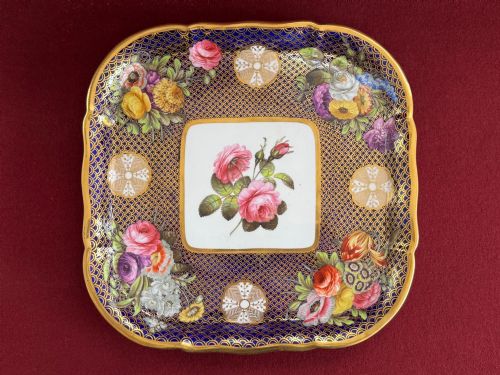
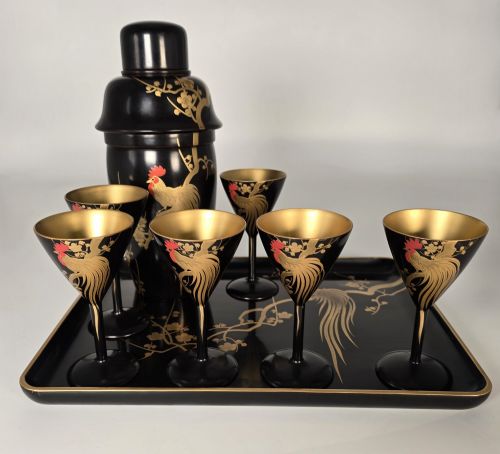
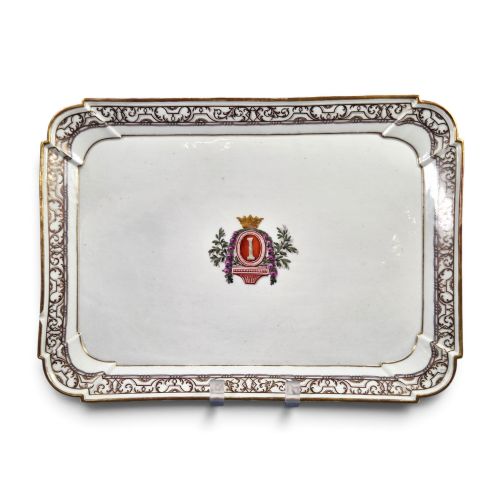
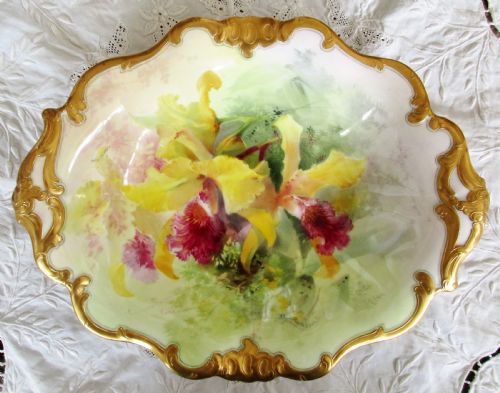
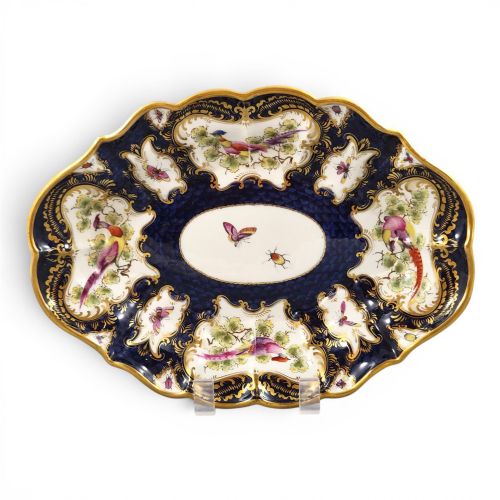
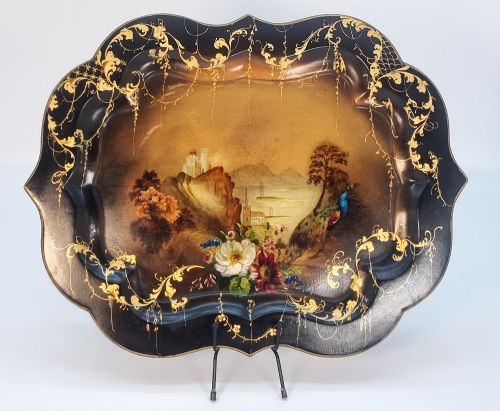
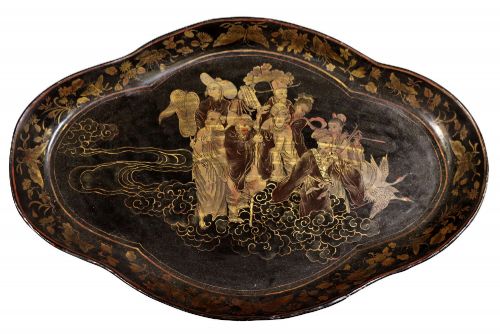
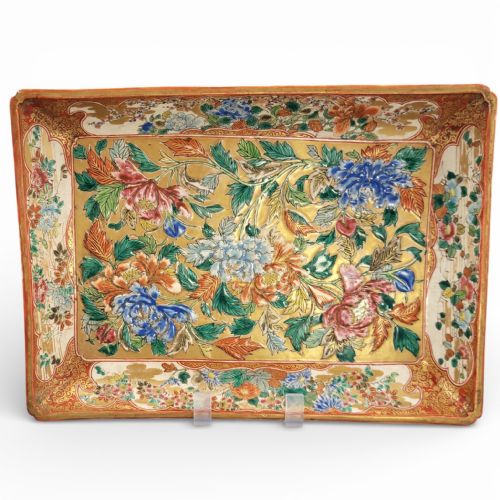
A gold hand painted tray encompasses functional serving pieces and decorative dishes created across the eighteenth, nineteenth, and early twentieth centuries. The selection on this page ranges from English porcelain dessert dishes and papier-mâché tea trays to Japanese lacquerware and French Sevres porcelain.
Buyers will encounter various forms, including serving trays, cabinet dishes, and lacquer table tops resting on later stands. These items reflect stylistic revivals like Rococo, Chinoiserie, and Regency aesthetics spanning multiple European and Asian workshops.
Materials and construction
Many of these objects rely on a solid base of papier-mâché, wood, or hard-paste porcelain, shaped by hand before receiving layers of lacquer, enamel, or slip. Artisans applied gold leaf, gilding, and hand-mixed pigments directly onto the prepared surface.
Surface decoration frequently involved meticulous brushwork depicting landscapes, botanical studies, or mythological scenes. Finished pieces often received protective clear coatings or kiln firings to set the enamel and gold highlights.
Gold Hand Painted Tray Retail Price Guide 2026
Typical asking prices for gold hand painted tray among the pieces listed under this phrase on Sellingantiques today, from the lower quarter to the upper quarter. They describe what is for sale here now, not the wider market.
Listings feature items from the eighteenth, nineteenth, and twentieth centuries, constructed from porcelain, papier-mâché, wood, and lacquer.
Distinctions in quality
The standard of a gold hand painted tray depends largely on the precision of the brushwork and the depth of the gilding. Pieces featuring signed artwork by known painters or delicate, hand-tooled gold details demonstrate superior craftsmanship compared to mass-produced transfers.
The integrity of the underlying material also dictates longevity, with sturdy papier-mâché foundations and unblemished porcelain bodies commanding greater respect among collectors.
Royal Worcester·Royal Doulton·Ludwigsburg Porcelain·Chamberlain Worcester·Jennens and Bettridge·Barr Flight and Barr·Duesbury and Kean·Wedgwood
The Gold Hand Painted Tray Glossary
- Chinoiserie
- European artistic interpretation of Chinese and East Asian decorative motifs. This style heavily influenced lacquered trays and screens during the eighteenth and nineteenth centuries.
- Papier-mâché
- A composite material consisting of paper pulp or sheets of paper mixed with glue and resin. Pressed into moulds, it formed lightweight, durable trays before drying.
- Gilding
- The application of fine gold leaf or gold powder to a surface. It highlights specific design elements on porcelain, wood, and metal.
- Cabinet dish
- A decorative porcelain plate intended for display in a cabinet rather than for dining use. These often feature elaborate hand-painted portraits or botanical studies.
- Enamel
- Vitreous material fused to a surface through firing, providing vibrant colour and durability. It frequently appears alongside gilt bronze mounts on nineteenth-century centrepieces.
Gold Hand Painted Tray: Frequently Asked Questions
How do I clean an antique tray?
Dust surfaces gently with a soft, dry cloth to prevent scratching the delicate gold leaf and hand-painted pigments. Avoid using chemical cleaners, water immersion, or abrasive materials that could strip the historical finish.
Keep these items away from direct sunlight and damp environments to protect wooden bases, papier-mâché, and nineteenth-century lacquers from warping or fading.
Can I use these trays for serving?
Most antique papier-mâché and fine porcelain pieces function best as decorative display items or for serving dry items. Moisture and heavy tableware can easily damage fragile gilding and historic painted surfaces.
Sturdier lacquerware serving trays handle light use, though many owners prefer placing them on coffee tables or hanging them on walls to preserve their condition.
How do I date a painted tray?
Examining the maker marks, factory stamps, or handwritten signatures on the underside provides the most reliable chronological clues. Stylistic markers, such as Regency moulding or Victorian Chinoiserie motifs, also narrow down the era of production.
Material composition helps distinguish periods, as genuine papier-mâché trays typically point to the nineteenth century, while eighteenth-century pieces often feature soft-paste or hard-paste porcelain.
What is the difference between porcelain and papier-mâché trays?
Porcelain trays offer rigid, heat-resistant surfaces fired in kilns, often adorned with hand-painted botanical studies or mythological scenes. They originated primarily in European factories like Worcester and Sevres.
Papier-mâché trays utilise compressed paper pulps finished with dark lacquer and gold leaf, providing a lightweight yet surprisingly resilient surface favoured for tea service and desk tidies.