



Antique Rosewood Daybed
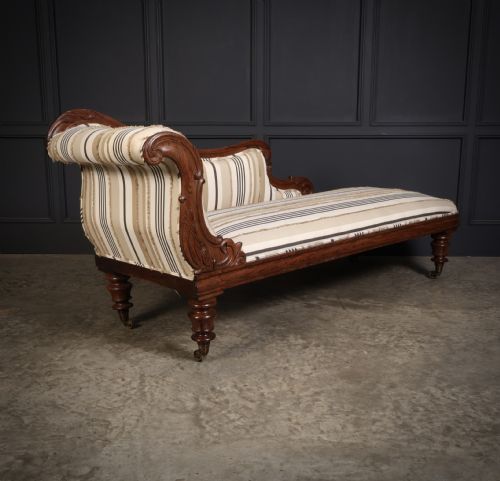
An antique rosewood daybed offers a sophisticated spot for daytime reclining, combining rich timber grain with classic upholstery.
Antique Rosewood Daybed
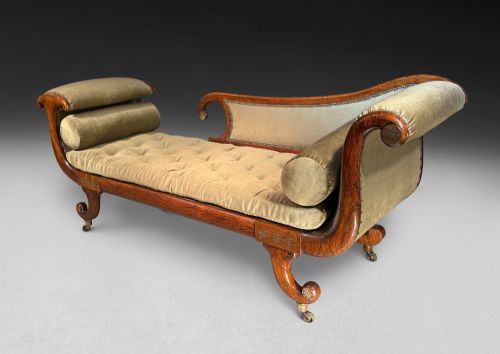
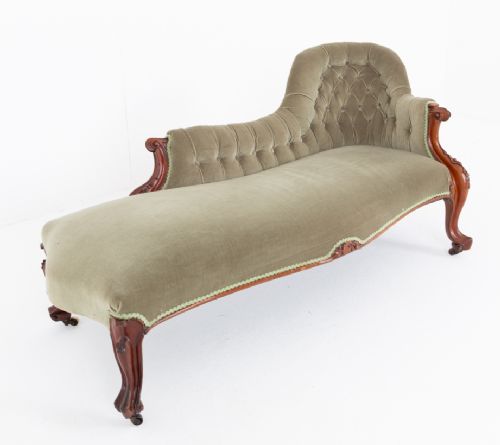
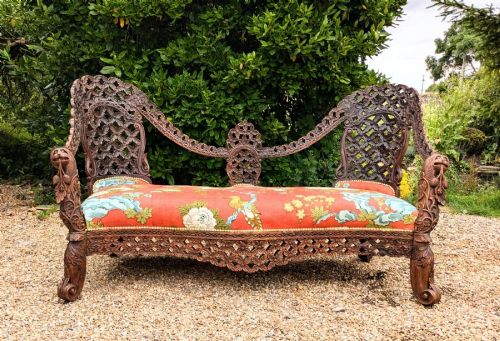
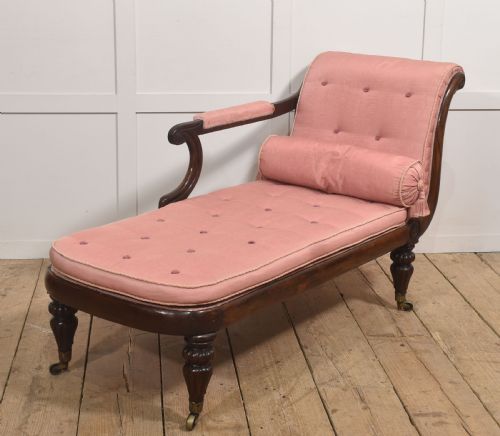
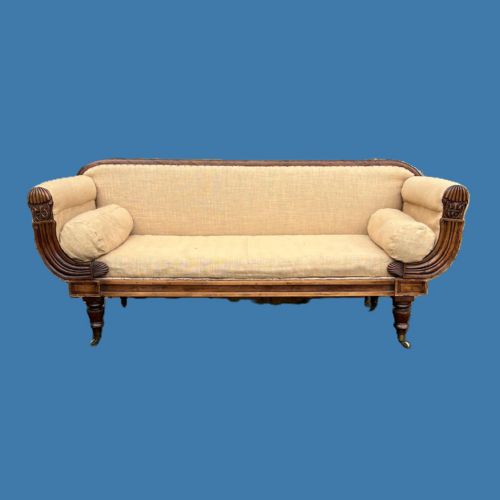
An antique rosewood daybed encompasses an array of elongated seating forms designed for horizontal rest during the day, drawing on Regency, Victorian, and William IV traditions. These pieces frequently appear as chaise longues, scroll-back benches, and campaign sofas alongside Chinese Qing Dynasty styles and Anglo-Indian variants. Buyers seeking this phrase encounter a rich mix of solid rosewood, simulated rosewood, and exotic hardwoods paired with fabric, velvet, cane, and brass details.
The construction of an antique rosewood daybed spans diverse origins, uniting English cabinet-making with Anglo-Indian and Chinese workshops. Pieces range from grand early Victorian carved frames to compact scroll-end kang tables and campaign sofas. This variation in form allows the daybed to function as a chaise longue, settee, or bench depending on its heritage and intended use.
How they were made
Makers utilised dense rosewood and simulated rosewood timbers, often carved with intricate motifs or inlaid with brass elements. Frames relied on durable hardwoods, sometimes incorporating cane seating or luxurious velvet and fabric upholstery for comfort.
Joinery techniques varied between European cabinet makers and Asian workshops, producing solid Rio rosewood daybeds alongside carved Chinese hardwood frames. These methods ensured the structural integrity required to support reclining or sitting over generations.
Materials span solid rosewood, simulated rosewood, brass, cane, and velvet across various international workshops.
What varies in quality
The refinement of the timber carving and the precision of brass inlay define the upper tiers of these daybeds. Superior examples display crisp detailing in the scroll ends and frames, whether executed in solid rosewood or finely painted simulation.
The integrity of the original structure and the quality of the materials, from dense hardwood frames to select cane or upholstery work, set individual pieces apart. Maker attribution also elevates certain examples, separating standard production from exceptional craftsmanship.
H. Goodall & Sons
The Antique Rosewood Daybed Glossary
- Chaise Longue
- An upholstered long chair for reclining, combining the characteristics of a chair and a daybed. These feature prominently across Regency and Victorian periods.
- Simulated Rosewood
- Timber painted or finished to imitate the grain and colour of genuine rosewood. This technique was popular during the Regency era.
- Kang Table
- A low Chinese platform table used for sitting or reclining. Examples often feature carved scroll ends in hardwoods like huali.
- Campaign Sofa
- A portable seating form designed for travel or military use. These typically date from the early nineteenth century.
- Rio Rosewood
- A dense, highly figured Brazilian hardwood utilised in fine nineteenth-century cabinet making. It provides exceptional weight and grain pattern.
Antique Rosewood Daybed: Frequently Asked Questions
How do I identify a Regency daybed?
Regency daybeds often feature classical lines, brass inlay, and simulated rosewood finishes that mimic more expensive timbers. They reflect the stylistic influences of the early nineteenth century.
Examining the turning of the legs and the specific style of the scroll ends helps confirm the period attribution alongside any documentary evidence.
What is an Anglo-Indian sofa?
An Anglo-Indian sofa combines British furniture forms with traditional Indian carving techniques, typically executed in dense rosewood or exotic hardwoods. These pieces often showcase deeply carved floral or scroll motifs.
Their distinct aesthetic bridges European seating requirements with colonial craftsmanship from the nineteenth century.
How do I care for rosewood furniture?
Rosewood requires stable indoor humidity levels and protection from direct sunlight to prevent the timber from drying out or fading. Gentle dusting with a dry cloth maintains the surface sheen.
Avoid placing these pieces near heat sources, and consult a specialist before applying any oils or waxes to antique finishes.
Where were daybeds placed historically?
Historically, daybeds sat in drawing rooms, boudoirs, or libraries to accommodate daytime resting without retiring to a bedroom. Their decorative backs and finished sides allowed them to sit away from walls.
In Chinese traditions, similar forms like the kang table served as central platforms for social gathering and relaxation.