

Antique Rose Painting
When you search for antique rose painting, you encounter a diverse gathering of canvas works, ceramics, and enamels depicting botanical subjects.
Antique Rose Painting
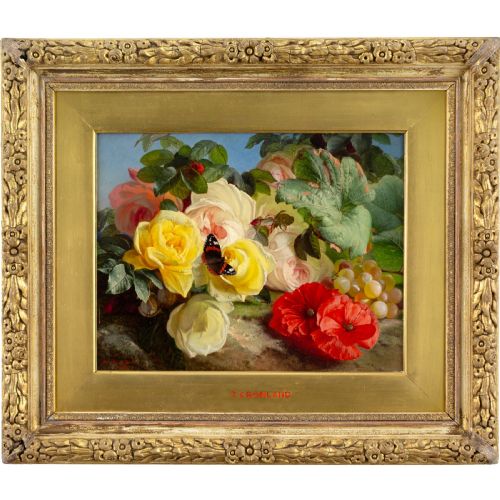
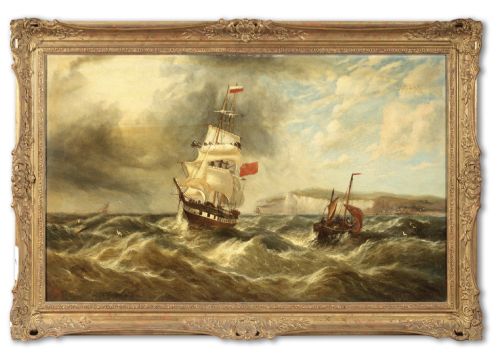
Buyers exploring antique rose painting encounter a dual landscape of fine art canvases and decorative ceramics adorned with floral motifs. The selection encompasses 17th to 20th-century oil paintings on canvas or board alongside porcelain vases, plates, and bowls featuring hand-painted botanical studies.
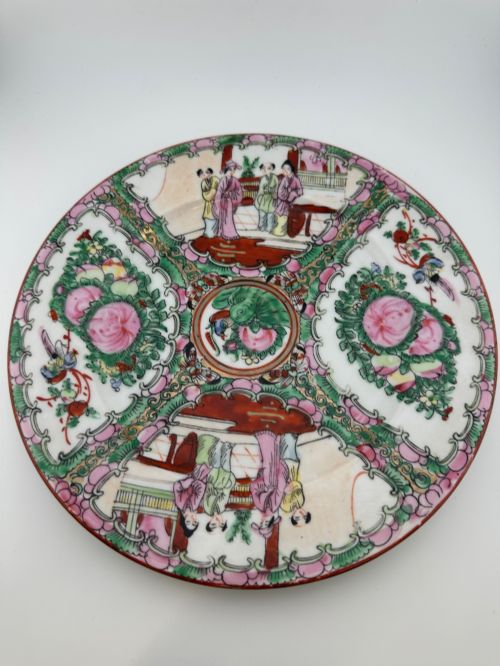
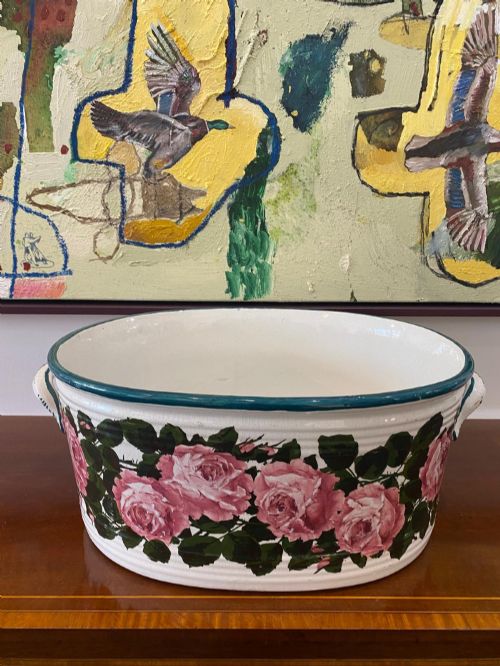
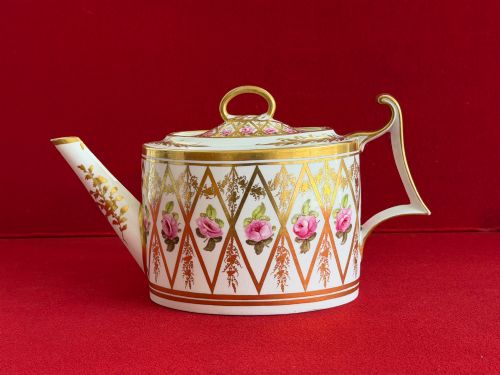
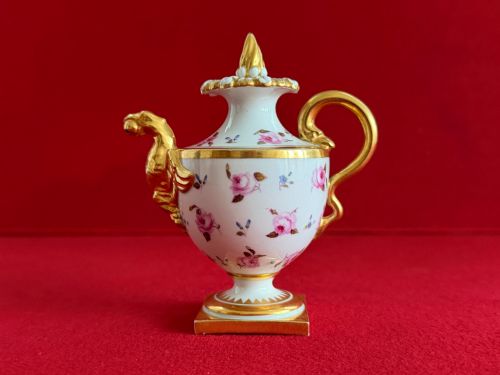
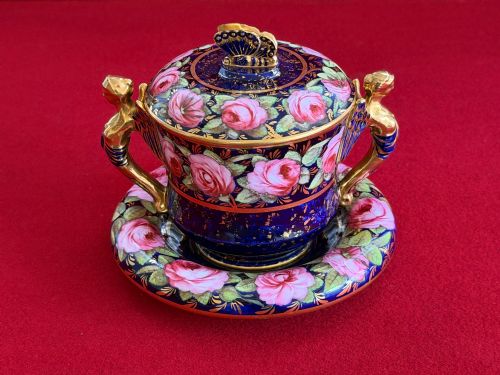
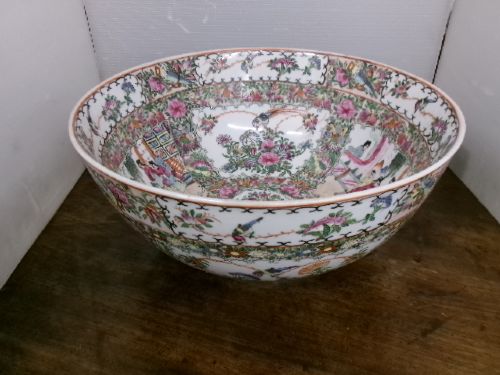
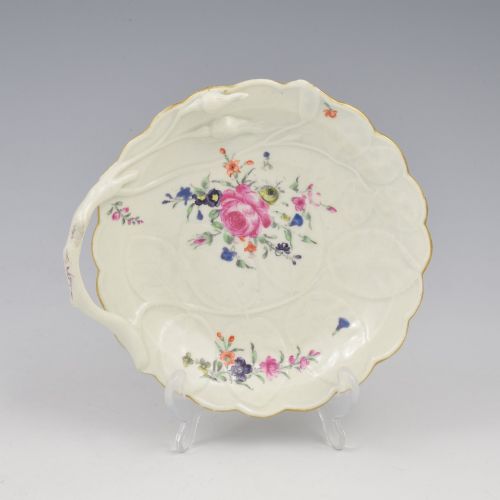
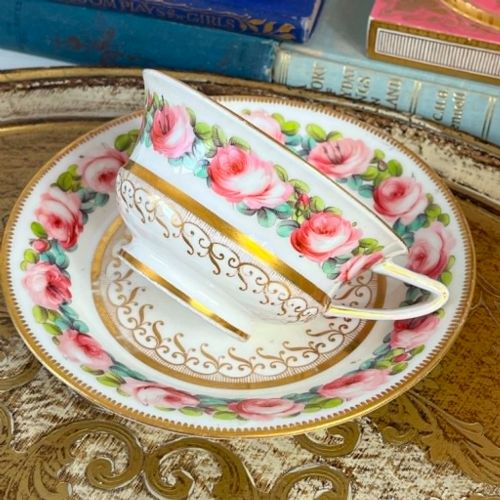
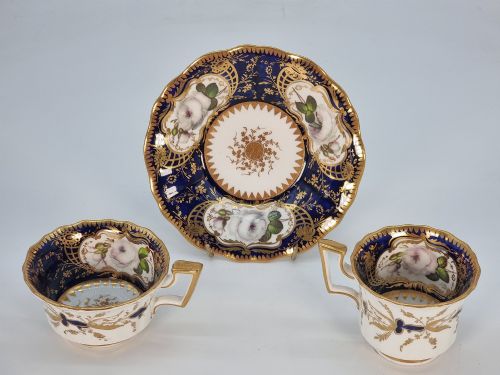
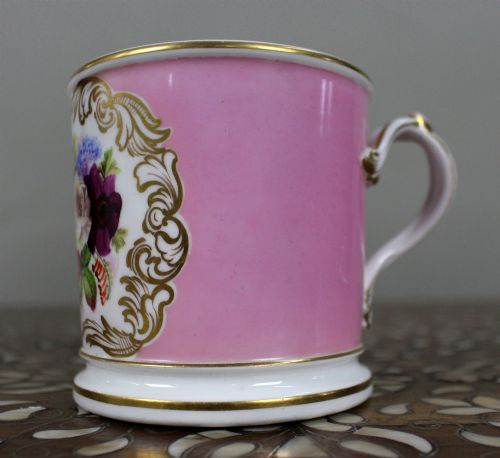
Canvas works range from Dutch and French still life compositions of blooms in glass vases to British landscape and portrait studies involving the flower. Simultaneously, ceramic pieces from English factories and Chinese export kilns display elaborate floral decoration across utilitarian vessels and display objects.
How They Were Made
Painters applied oil paint onto stretched canvas, wood panels, or tin supports, building floral textures through layered brushwork. Ceramic pieces utilised porcelain bodies finished with glazes, enamels, and gilding to bind the painted botanical details to the vessel surface.
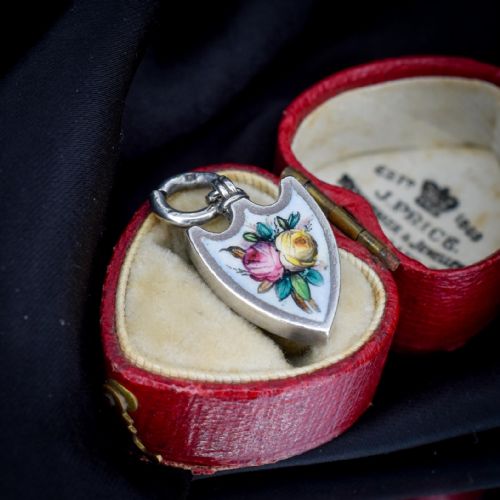
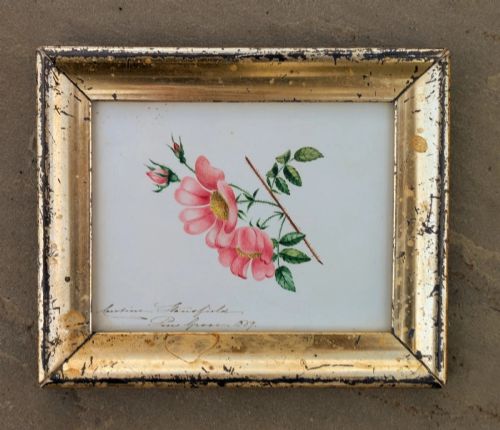
Makers fixed pigments onto metal and enamel objects such as silver boxes, thimbles, and pendants through kiln-fired techniques. Artisans also utilised watercolour on paper for delicate botanical studies framed behind glass.
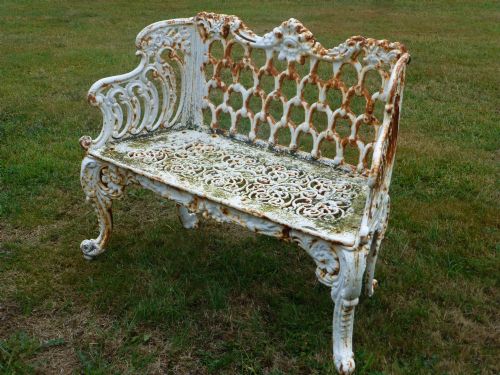
Materials recorded across the inventory include canvas, porcelain, cast iron, sterling silver, and watercolour on paper.
What Varies in Quality
The standard of an antique rose painting depends upon the precision of the brushwork and the naturalism of the floral arrangement. Canvas works reveal mastery through the rendering of petals, light, and shadow, while ceramics demonstrate skill through the delicacy of the enamel palette and gilding execution.
Provenance and maker attribution elevate certain works, distinguishing factory-produced transfer prints from hand-painted artist commissions. The condition of the canvas, panel, or ceramic glaze further determines the preservation of the original pigment.
Flight Barr And Barr·David Andersen·Charles Vyse·Carron Foundry·William Neale
The Antique Rose Painting Glossary
- Famille Rose
- A Chinese porcelain palette dominated by opaque pink or rose enamel colours, introduced during the Qing dynasty. This technique allowed artisans to achieve subtle tonal gradations in floral depictions.
- Still Life
- An artwork depicting inanimate subject matter, typically everyday objects or botanical specimens such as roses in a vase. These compositions often explored light, texture, and arrangement.
- Gilding
- The application of gold leaf or powdered gold onto the surface of porcelain, wood, or metal objects. This decorative finish highlights rims, handles, and framing elements.
- Enamel
- A glassy substance fused to metal or ceramic objects through firing to provide durable colour decoration. Painted enamel panels frequently feature miniature floral studies.
- Impressionist
- A style of painting characterised by relatively small, thin yet visible brush strokes and an open composition. Artists captured light and fleeting moments in garden and floral scenes.
Antique Rose Painting: Frequently Asked Questions
What subjects accompany rose paintings?
Artworks frequently pair roses with other seasonal blooms, fruit, wicker baskets, and bird's nests in tabletop arrangements. Portraits and landscapes also incorporate the flower as a held attribute or a garden element.
Still life compositions balance the soft petals of roses against the hard surfaces of glass vases, pewter vessels, and wooden tables.
How do I care for an oil painting?
Keep canvas and panel artworks away from direct sunlight and fluctuating humidity to prevent pigment cracking and warping. Dust gently with a dry, soft brush without applying pressure to the painted surface.
Avoid using liquid cleaners or chemical solvents on historic oil paint and delicate gilt frames.
How are porcelain factories identified?
Examine the base of ceramic pieces for underglaze blue marks, impressed stamps, or pattern numbers applied by the manufacturer. Stylistic traits such as specific enamel palettes and paste compositions assist in pinpointing origin.
Reference marks against documented factory outputs from periods like the Georgian or Victorian eras to confirm attribution.