


Botanical Oil Study
A botanical oil study captures plant life in oils, bringing enduring floral detail and colour into a room.
Botanical Oil Study
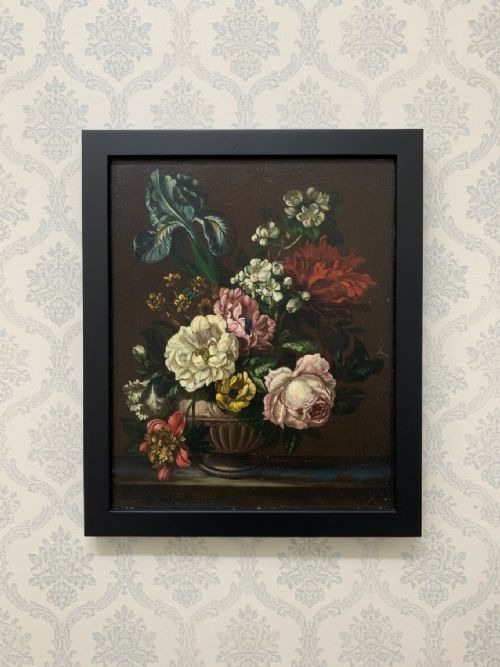
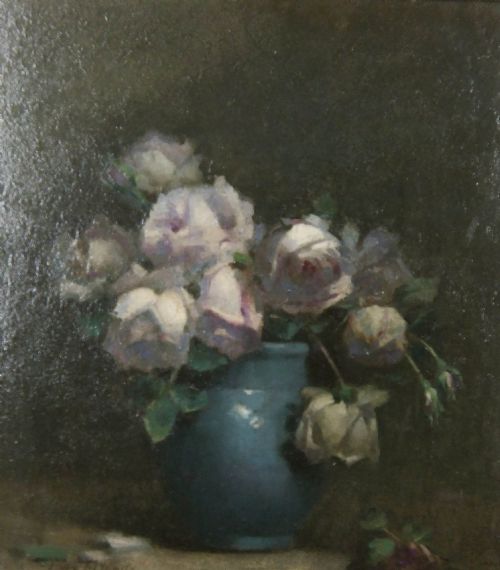
A botanical oil study focuses closely on flowers, foliage, and fruit, rendered in oil paint on canvas, wood panel, or board. These works range from tightly observed scientific representations to looser impressionistic flower pieces.
Most examples found here date from the nineteenth and twentieth centuries, spanning periods such as the Victorian era, the 1920s, and the 1930s. Artists working in British Impressionism, Dutch Golden Age traditions, and Modern British styles all contributed to this genre.
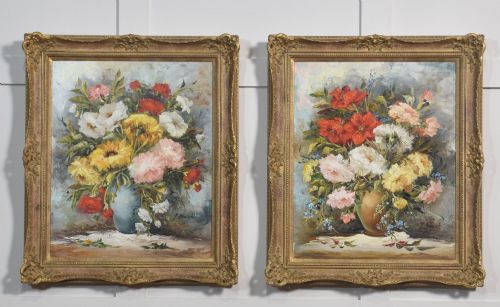
Buyers will encounter single compositions alongside pairs of miniature paintings, often framed in timber or gilt surrounds. Subjects feature specific flora such as roses, dahlias, chrysanthemums, and morning glory.
How they were made
These works rely on oil paint applied to prepared surfaces including canvas, wood panel, and timber boards. The medium allows for rich layering, subtle blending of petal tones, and visible brushwork depending on the artist's chosen style.
Frames play a structural role in presenting these paintings, utilising wood and gilt finishes that complement the palette of the botanical subject. Panels provide a rigid support while canvas offers traditional give and texture.
One white spider lily shares its canvas with a painted butterfly that managed to outlive the artist by several centuries.
What varies in quality
Quality rests upon the handling of light, shadow, and botanical structure within the painted composition. Skilled artists capture the delicate translucency of petals and the natural weight of stems, whereas lesser works remain stiff and flat.
The integration of the frame with the painting affects the overall presence of the piece. Period timber and gilt frames that suit the scale of the oil study elevate the presentation compared to mismatched modern replacements.
Manuela Bonati·William Thomas Wood·Sir Matthew Smith·L. Wilford·Pierre-Joseph Redouté·Margaret Evangeline Wilson·Owen Bowen
The Botanical Oil Study Glossary
- Oil paint
- A slow-drying paint made by combining pigment particles with a drying oil, typically linseed. This medium allows for deep colour saturation and gradual blending.
- Wood panel
- A rigid wooden support used as an alternative to canvas for painting. Panels offer a smooth, stable surface favoured in earlier traditional works.
- Gilt
- A thin layer of gold leaf or gilt applied to framing surfaces. It provides a reflective border that isolates and enhances the artwork.
- British Impressionism
- A painting style developed in Britain focusing on natural light and looser brushwork. Artists working in this manner prioritized atmosphere over rigid academic finish.
Botanical Oil Study: Frequently Asked Questions
How do I date a botanical oil study?
Dating relies on stylistic markers, framing materials, and the physical support of the canvas or panel. Twentieth-century works often show looser brushwork typical of British Impressionism, while earlier examples adhere to tighter classical conventions.
Examining the back of the panel or stretcher bars can reveal old labels, artist signatures, or stamps that narrow down the period of creation.
Where should I hang a floral painting?
These works suit dining rooms, studies, or hallways where natural light can illuminate the fine details of the foliage. Placing them away from direct sunlight protects the oil pigments over time.
Pairing a small study with complementary antiques creates a balanced wall arrangement without overwhelming the surrounding space.
Are these paintings executed on canvas or wood?
Both supports appear frequently across these listings. Canvas provides a traditional textured ground for twentieth-century works, while wood panels offer a rigid surface seen in earlier examples.
The choice of support often reflects the period and the artist's preferred working method.
What frames typically accompany these artworks?
Original timber frames and gilt surrounds are common, many showing period wear that matches the age of the canvas. These frames range from simple moulded wood to ornate gilded profiles.
Evaluating the frame alongside the painting helps determine whether the presentation remains historically consistent.