
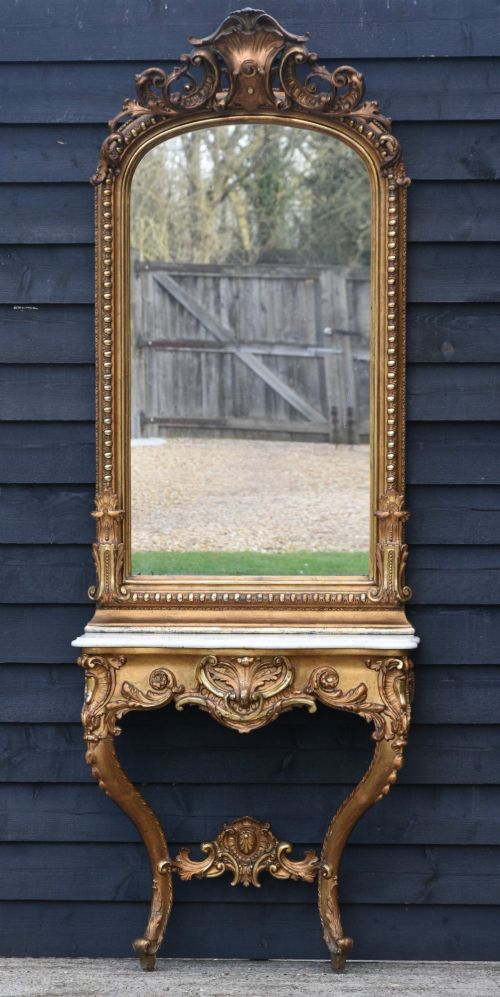
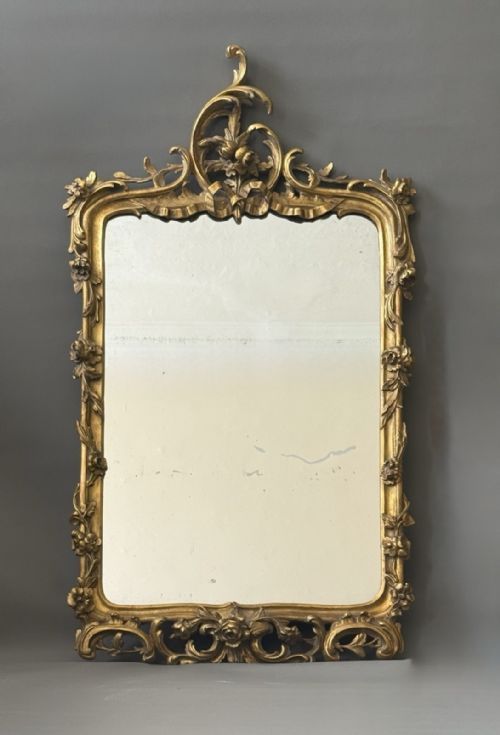
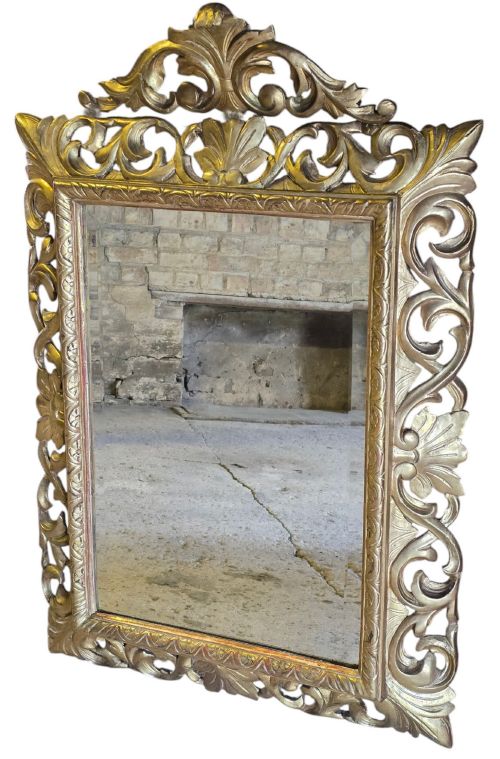
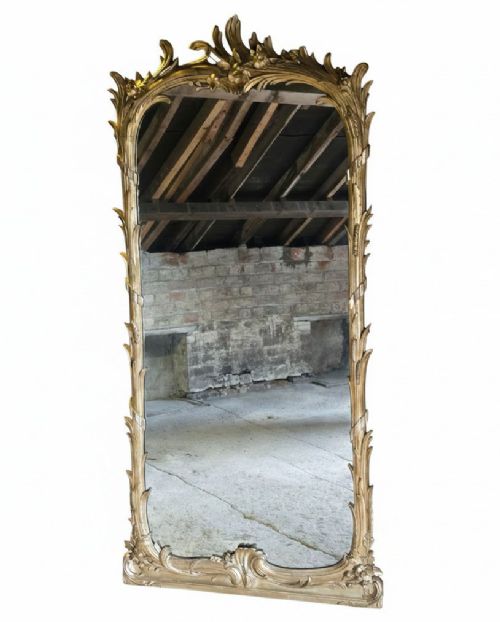


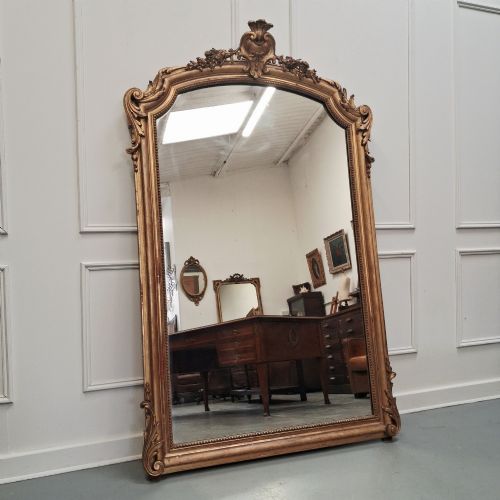
Antique Rococo Wall Mirror
An antique rococo wall mirror brings sculptural flair and shimmering depth to a room through asymmetrical scrolls and elaborate gilded frames.
Identifying an antique rococo wall mirror
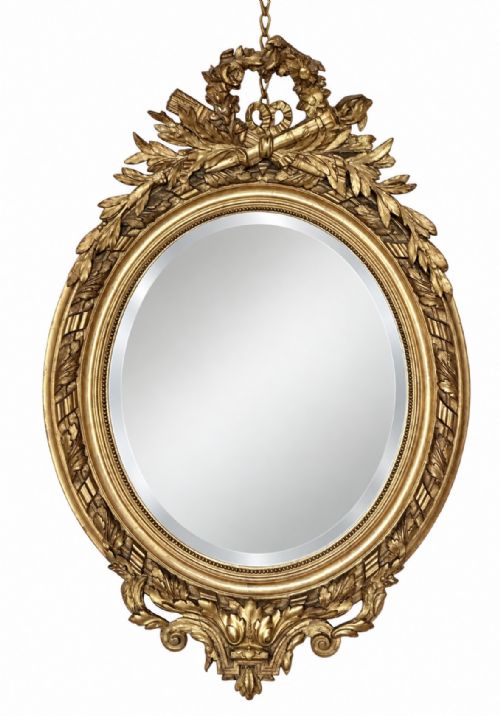
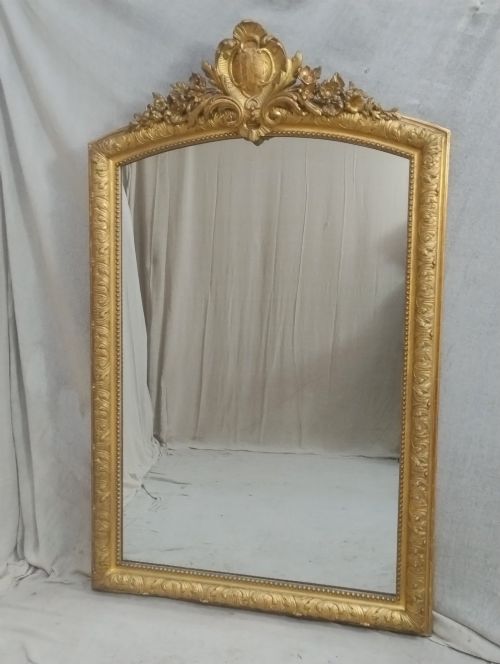
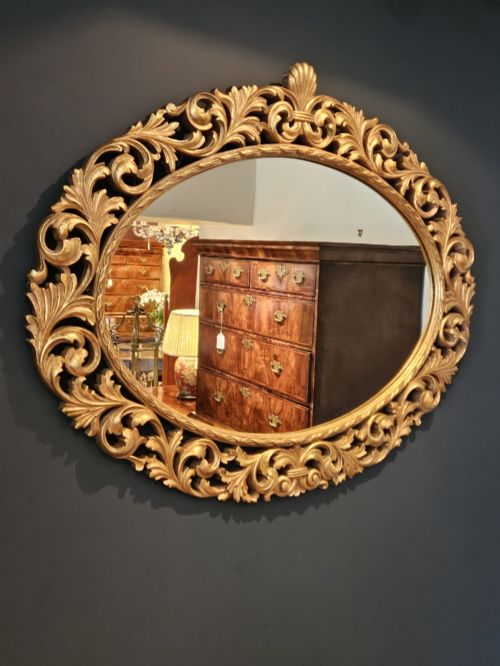
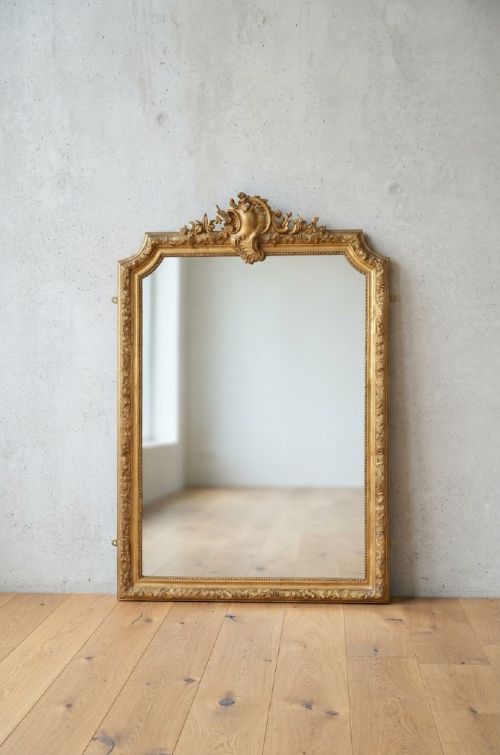
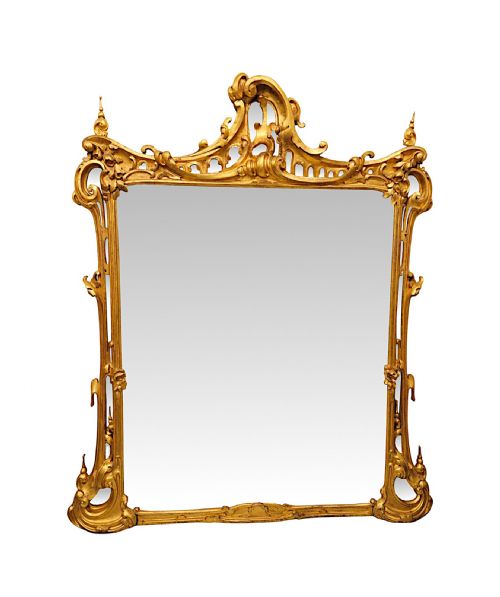
An antique rococo wall mirror is a decorative looking glass defined by ornate frames of C-scrolls, natural motifs, and elaborate pierced carvings. Buyers hunting for these pieces encounter an array of regional interpretations, ranging from Dutch pier glasses to Venetian and French revival forms.
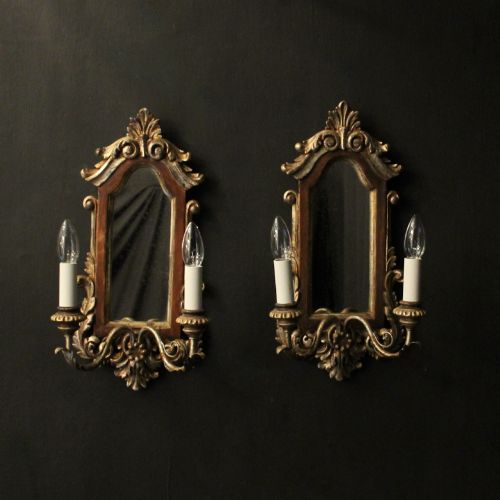
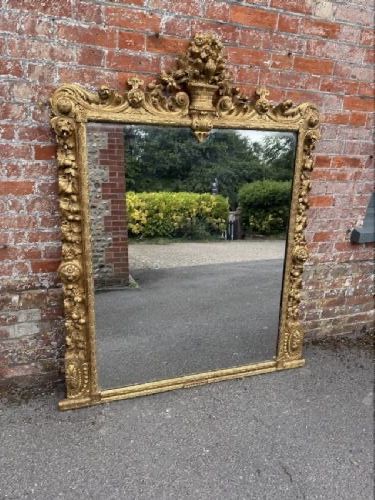
The objects span from the 18th century through the Victorian era and into revival periods like Edwardian Chippendale. Surviving examples include large oval wall mirrors, carved wooden portrait frames, and paired mirrored wall brackets designed to catch and multiply candlelight.
The visual language relies on theatrical exuberance, where floral garlands, rockwork, and asymmetric cartouches dominate the silhouette. These mirrors function equally as focal points above mantelpieces or as grand hallway statements.
Materials and construction
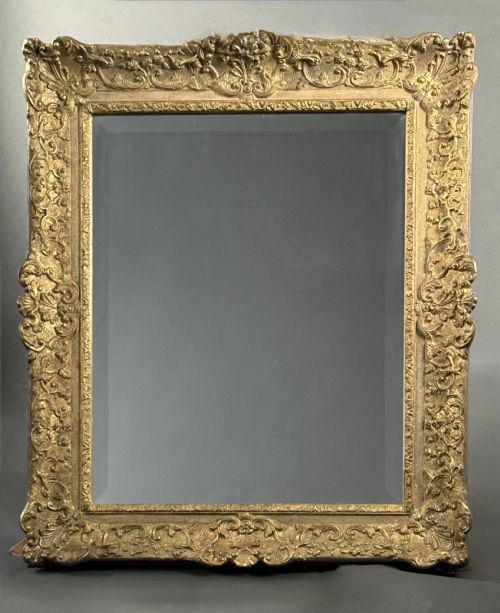
Makers built the foundational frames using timber, carved wood, mahogany, or gesso layered over a sturdy base. Skilled artisans then applied thin layers of gold leaf or giltwood to achieve the luminous metallic finish characteristic of the style.
Some specialised pieces feature painted lacquer surfaces or scarlet colour accents beneath the gilding, reflecting specific regional tastes. The reflective glass plates themselves were hand-silvered and set securely within these deeply carved wooden structures.
Retail Price Guide 2026
Typical UK retail prices for rococo wall mirror, calculated from the Sellingantiques database of over a million retail prices indexed since 2003. This retail price guide relies exclusively on Sellingantiques data; no external sources or auction records are used, so the figures do not describe the wider market.
Some Venetian mirrors are so dramatically asymmetrical they appear to be slowly melting down the drawing-room wall.
Assessing craftsmanship and execution
The distinction between standard examples and finer works rests entirely on the depth and fluidity of the hand-carving. Crisp, undercut foliage and balanced asymmetry require superior hand skill compared to shallow, mechanical moulding.
The quality of the gilding also dictates the overall presence, with burnished gold leaf ageing into a softer, warmer lustre than uniform modern paints. Original glass plates showing authentic foxing and age add desirable character to the piece.
The Antique Rococo Wall Mirror Glossary
- Giltwood
- Timber coated with gold leaf or gold paint to create a rich, reflective metallic surface. This material defines the majority of high-status wall mirrors from the period.
- Gesso
- A plaster-like mixture applied to wooden frames as a smooth base for subsequent gilding. Artisans carved intricate surface details directly into this hardened layer.
- Pier Glass
- A tall mirror specifically designed to hang on the wall space between windows. These pieces often sat above matching console tables to illuminate darker interiors.
- Chippendale Revival
- A later 19th-century stylistic movement reproducing the ornate, asymmetrical designs associated with cabinetmaker Thomas Chippendale. Pieces from this era lean heavily into rococo ornamentation.
Frequently Asked Questions
Can these mirrors hang safely on drywall?
Hanging a heavy carved timber and gesso mirror requires securing the weight directly into wall studs using heavy-duty picture hooks and robust wire. Plaster walls demand appropriate toggle bolts or masonry anchors to bear the substantial load of antique wood and glass safely.
Consult a professional installer if the mirror lacks original hanging hardware or if the frame feels particularly heavy. Ensuring proper load distribution protects both the wall and the structural integrity of the antique frame.
What rooms suit a rococo mirror?
Living rooms, dining rooms, and grand hallways provide ideal spaces for these mirrors to function as dramatic focal points. Placing a mirror opposite a window maximises natural light distribution and creates an illusion of greater spatial depth.
Smaller oval formats and portrait mirrors fit comfortably above bedroom dressing tables or smaller console surfaces. The ornate gilded frames pair well with both traditional antique furniture and clean, modern interior aesthetics.
How do I spot a revival piece?
Revival pieces from the 19th century or Edwardian era often display machine-assisted uniformity in the gesso work alongside nineteenth-century hardware and backing boards. Examining the timber behind the frame reveals tool marks and wood ageing patterns consistent with later manufacturing dates.
Stylistic cues also help differentiate periods, as Chippendale and Rococo Revival mirrors frequently exaggerate the asymmetry and scale of 18th-century originals. Comparing the construction methods with known period pieces clarifies the exact manufacturing era.