

Antique Revolving Table
When you search for an antique revolving table, you encounter pieces designed to turn smoothly for books, dining, or study across Georgian, Victorian, and Edwardian periods.

Antique Revolving Table
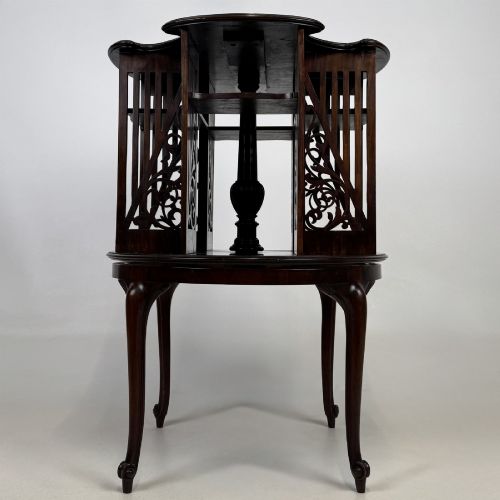
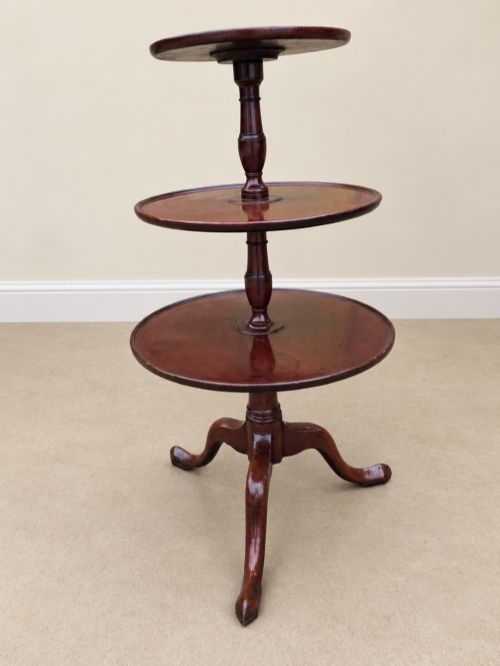
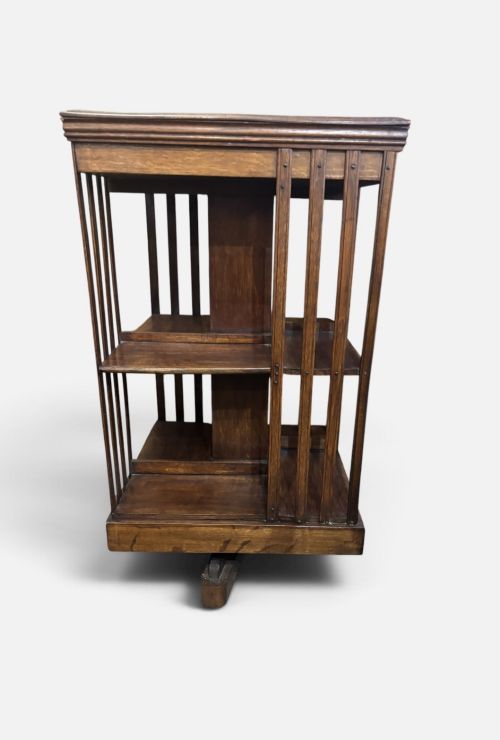
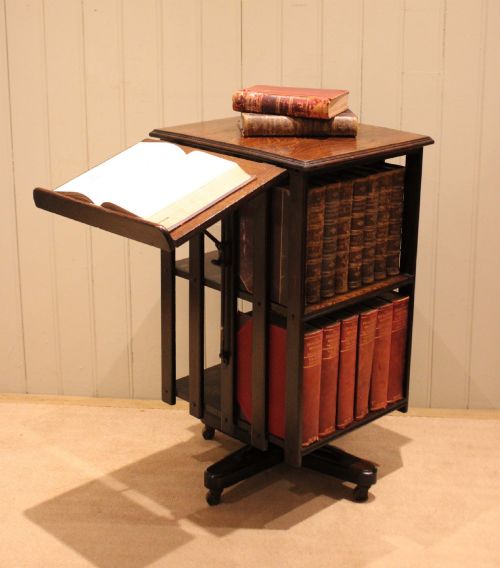
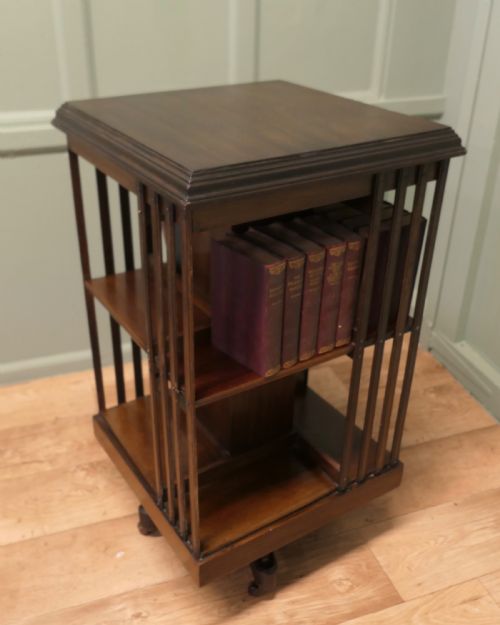
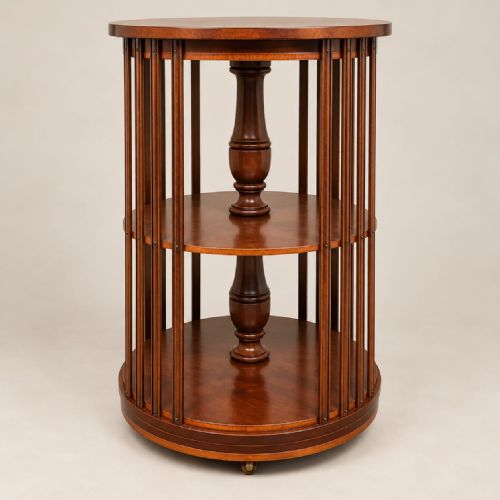
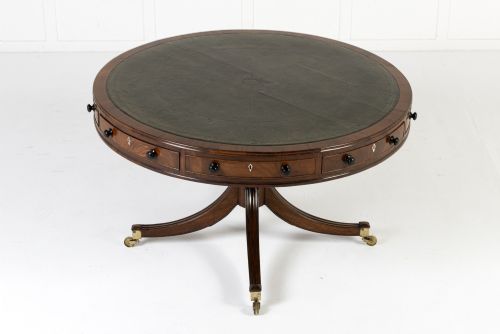
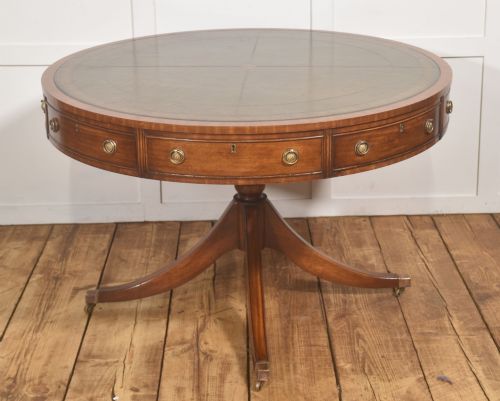
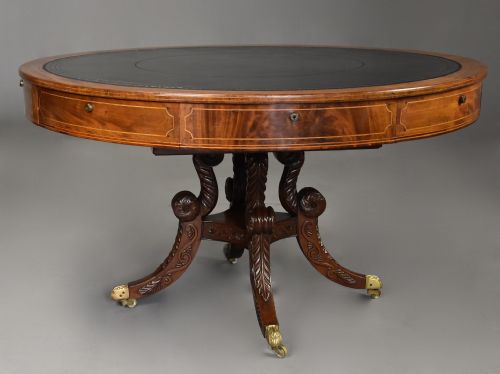
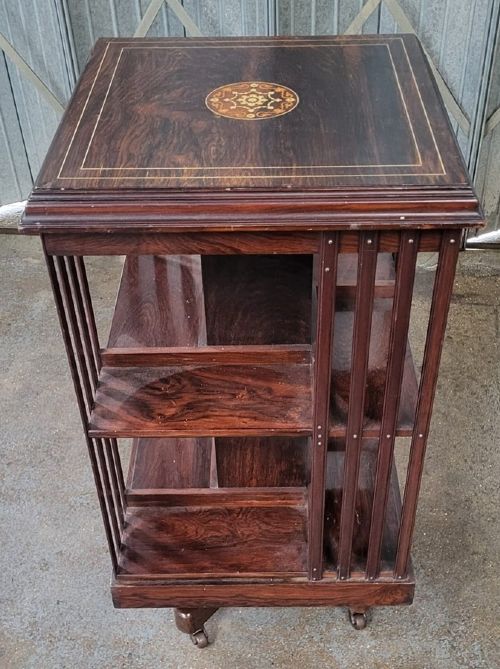
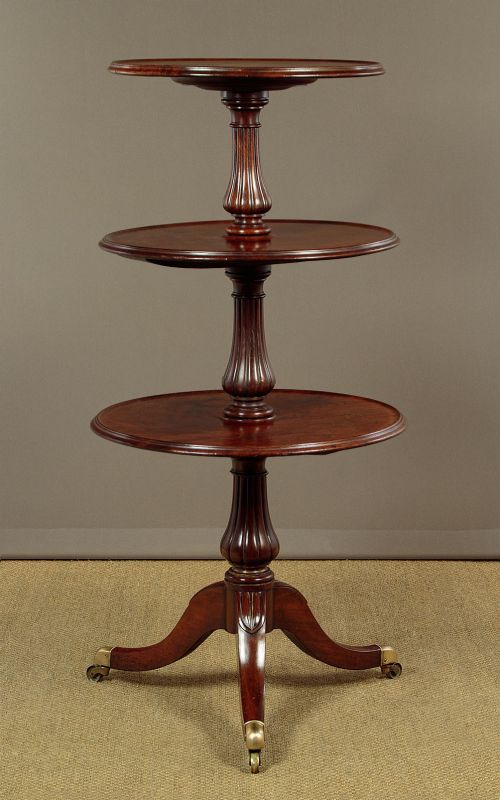
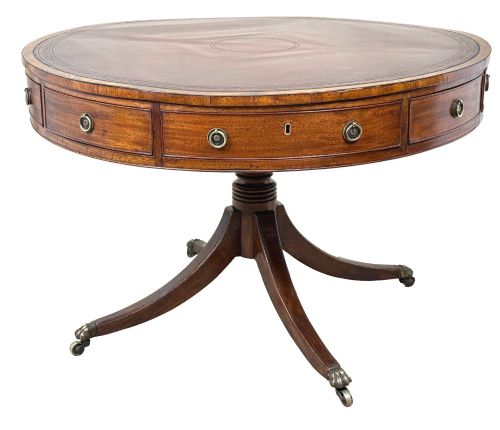
An antique revolving table spans several distinct forms designed for utility and ease of access in the library, drawing room, or dining space. You find revolving bookcases, drum tables, dumb waiters, and occasional tables that turn on central pivots or clever mechanisms.
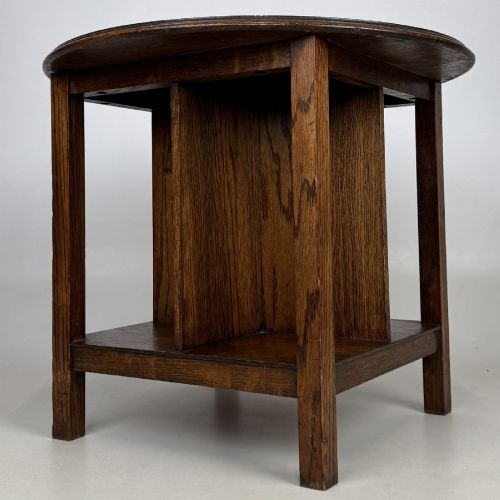
The pieces appearing on this page stretch from the Georgian and Regency eras through the Victorian period and into Edwardian times. Mahogany is the predominant wood, accompanied by rosewood, walnut, and oak in various finishes.
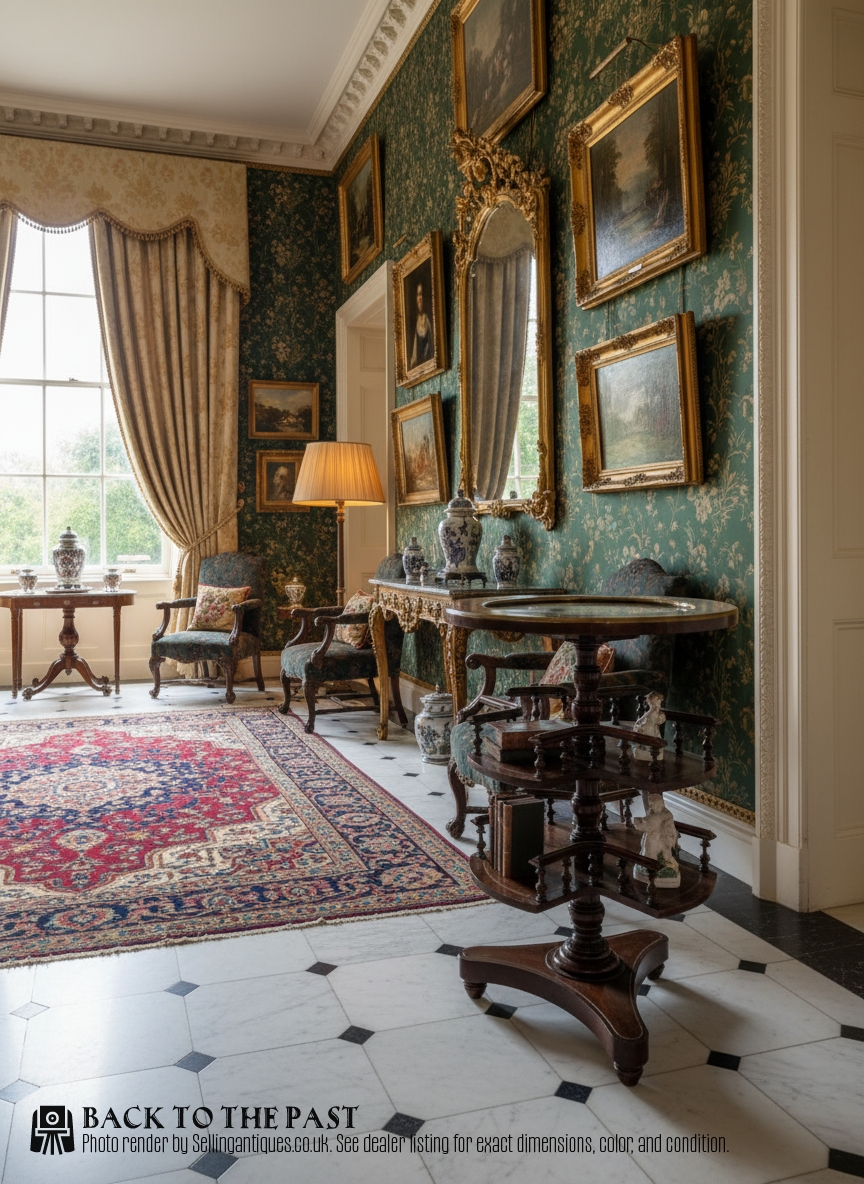
Bookcases and drum tables dominate the selection, offering functional rotation whether standing on the floor or resting upon a table top. These items reflect the domestic requirements of their respective periods, combining mechanical ingenuity with cabinet-making skill.
Materials and Construction
Makers utilised solid timbers and veneers, predominantly mahogany, rosewood, and oak, often enhanced with satinwood inlay, marquetry, or leather inserts. The structural integrity relies on steady pillar supports, tripod bases, and hidden internal pivots that permit smooth rotation without wobble.
Brass fittings, castors, and iron components frequently feature in the mechanism or base, ensuring durability during daily use. Surface finishes include polished wood grains, flame mahogany figures, and burr walnut patterns that showcase the natural qualities of the timber.
Antique Revolving Table Retail Price Guide 2026
Typical asking prices for revolving table among the pieces listed under this phrase on Sellingantiques today, from the lower quarter to the upper quarter. They describe what is for sale here now, not the wider market.
Several items double as piano stools, proving that Victorian households expected their furniture to spin, adjust, and multitask continuously.
Evaluating the Pieces
The standard of a revolving table rests on the precision of its turning mechanism and the stability of its base. A superior piece rotates evenly without catching or listing to one side, maintaining balance whether loaded with books or left bare.
Heals
The Antique Revolving Table Glossary
- Drum Table
- A circular library table with a deep top resembling a drum, frequently fitted with drawers and standing on a central pillar with tripod feet. It often incorporates a revolving mechanism.
- Dumb Waiter
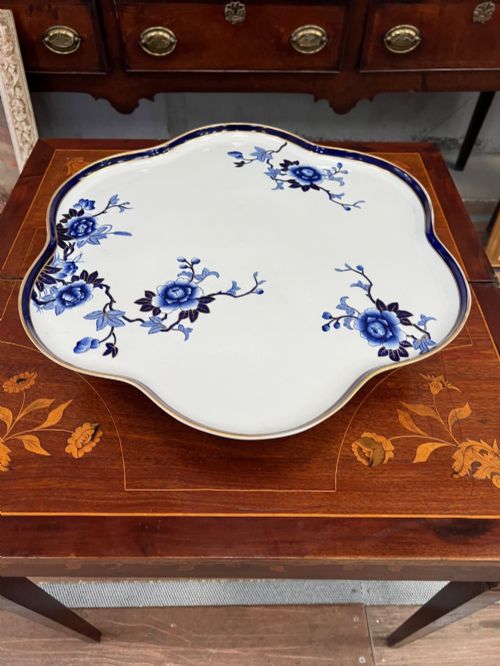
- A tiered shelving stand, often rotating, used in dining rooms to hold dishes or serving items without requiring servant attendance. Georgian and Victorian examples show tiered circular trays.
- Bird Cage
- A pivot mechanism placed beneath the top of a tripod table that allows the surface to tilt and rotate simultaneously. This construction saves space when the table is not in use.
- Marquetry
- The art of applying pieces of veneer to a structure to form decorative patterns and pictures. Dutch examples from the Georgian period frequently employ this floral technique.
- Lazy Susan
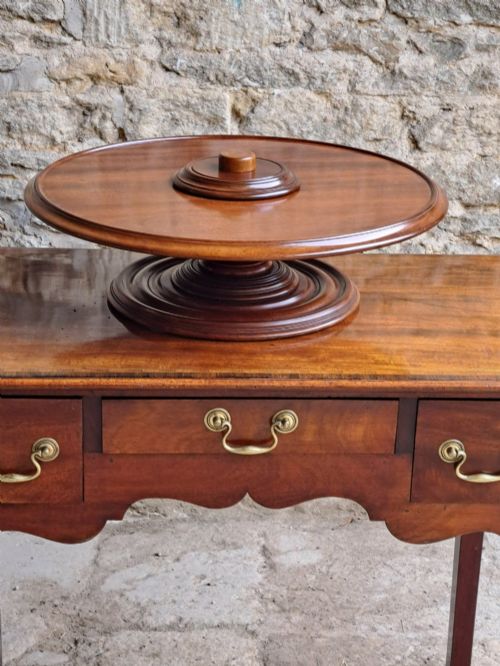
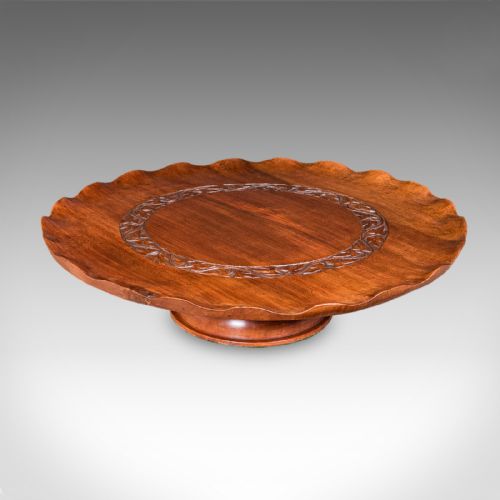
- A revolving tray placed on a table or built into furniture to assist in moving food or condiments easily between diners. Early versions appear in oak during the nineteenth century.
Antique Revolving Table: Frequently Asked Questions
What is an antique revolving table used for?
These tables served various practical functions in historic homes, from holding heavy reference books in a library to serving meals or tea.
Drum tables provided a stable surface for writing and storage, while smaller table-top bookcases kept daily reading material close to hand.
How do I date an antique revolving table?
Dating relies on observing the timber types, secondary woods, construction methods, and stylistic cues present in the piece. Georgian and Regency pieces tend to show heavier pillar supports and premium mahogany, whereas Edwardian versions often feature lighter inlaid satinwood and simpler mechanisms.
Examining the fixings, screw types, and overall wear helps narrow down whether a piece originates from the early nineteenth century or the late Victorian era.
How do I maintain the revolving mechanism?
Keep the internal pivot clean and free from dust accumulation by occasionally wiping accessible parts with a dry cloth. Avoid applying heavy modern lubricants unless necessary, as traditional pivots often require only gentle care to maintain their smooth rotation.
Ensure the piece rests on a level floor to prevent uneven strain on the central column and turning tracks.
Where should I place a revolving table in my home?
A revolving bookcase or drum table works well beside an armchair or freestanding in the middle of a study where 360-degree access is useful. Their compact footprints allow them to fit into corners or beside seating without obstructing walkways.
Allow enough clearance around the piece so that the rotating top or shelves can turn fully without hitting nearby walls or furniture.