

Antique Religious Wall Portrait
An antique religious wall portrait brings centuries of devotion, masterly oil technique and sacred figures into domestic spaces.
Antique Religious Wall Portrait
An antique religious wall portrait encompasses centuries of devotional art, ranging from intimate depictions of saints to large narrative canvases. When searching this phrase, collectors encounter regional European schools, from Italian Baroque workshops to Spanish and Central European compositions.
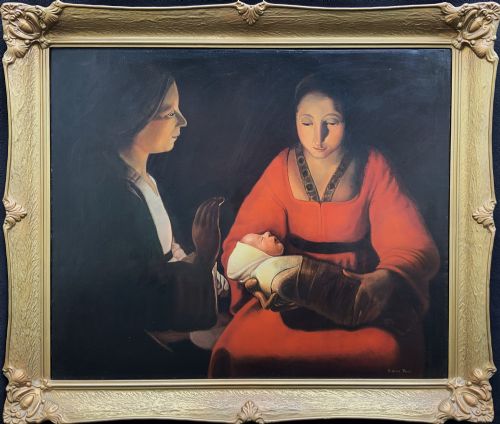
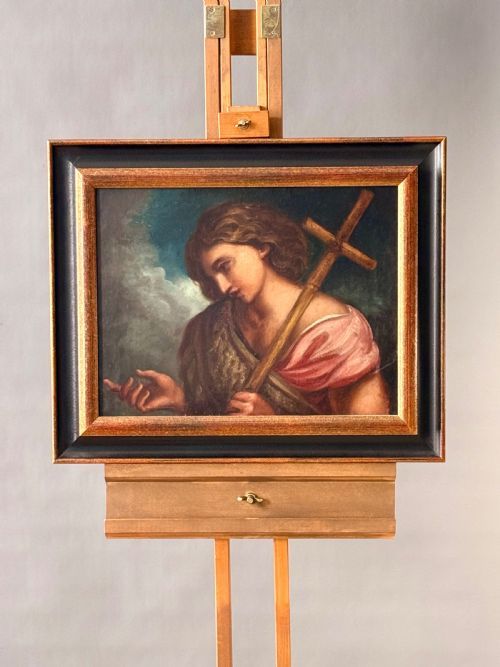
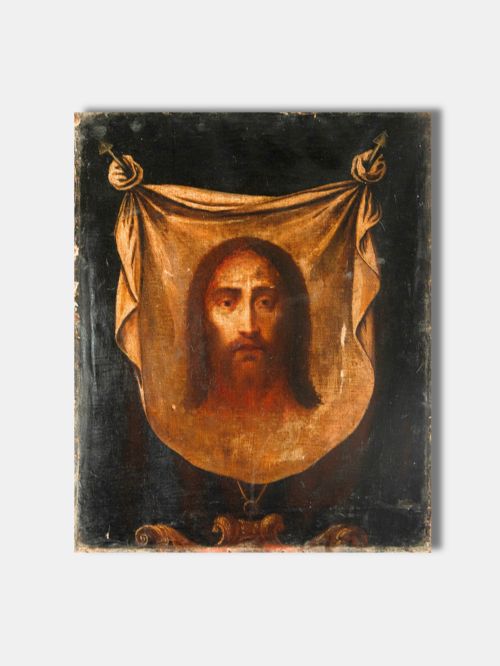
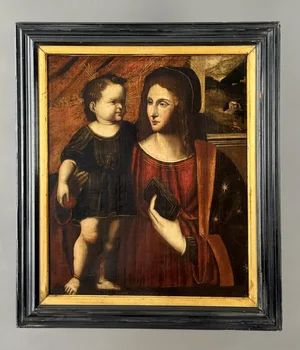
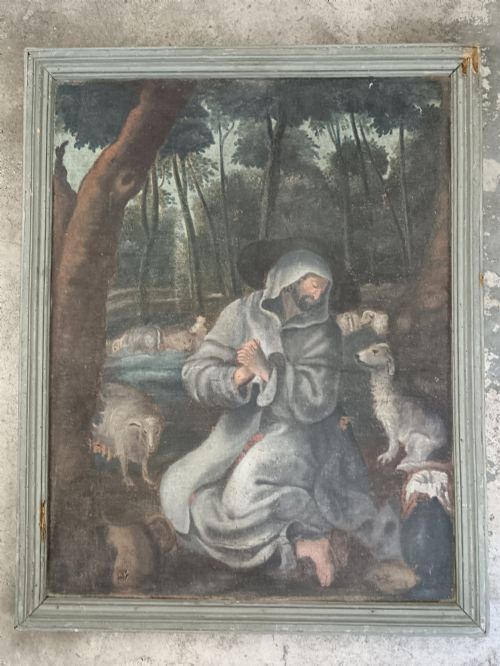
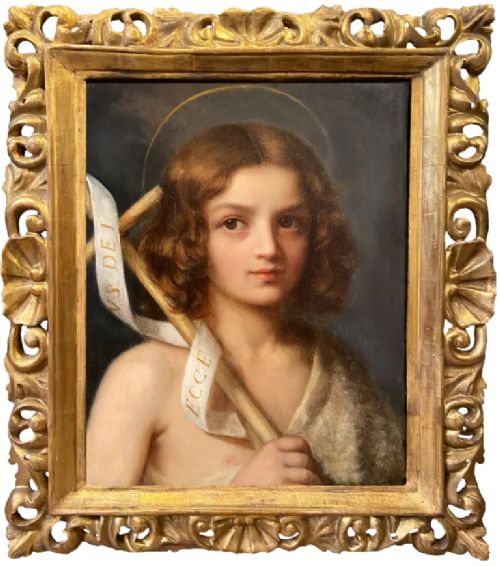
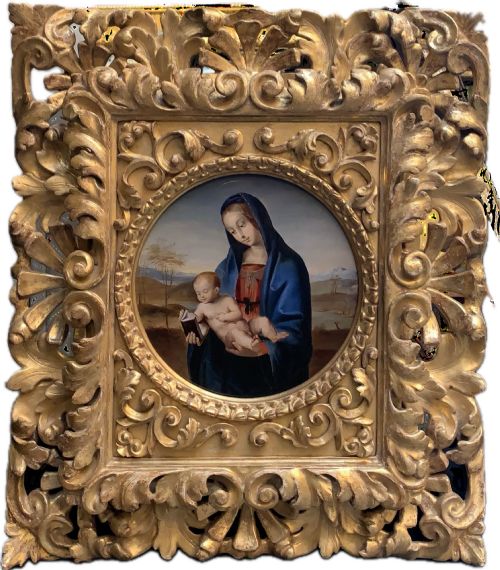
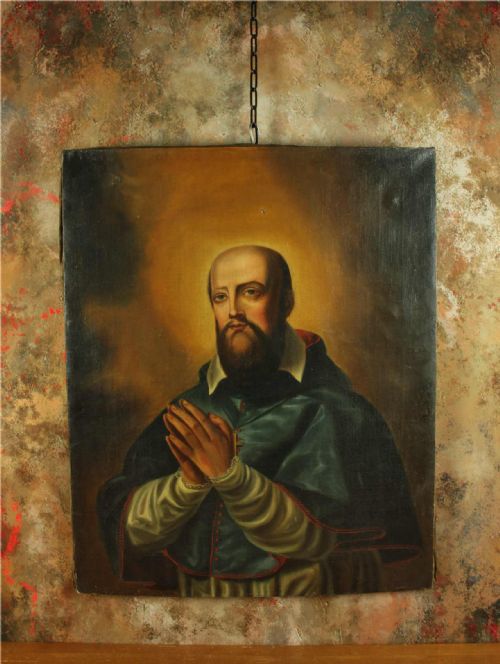
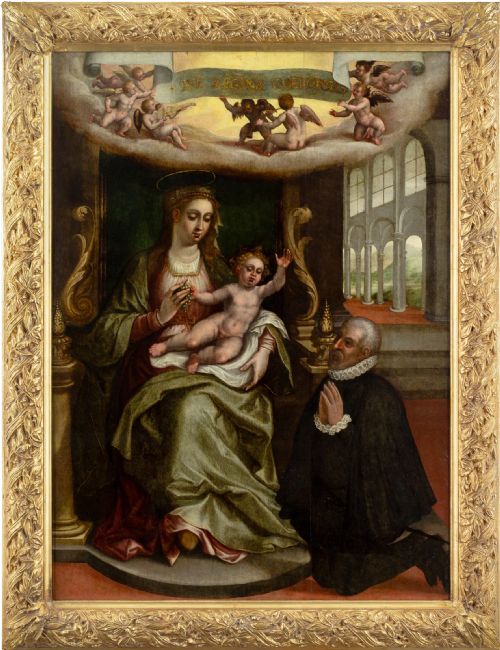
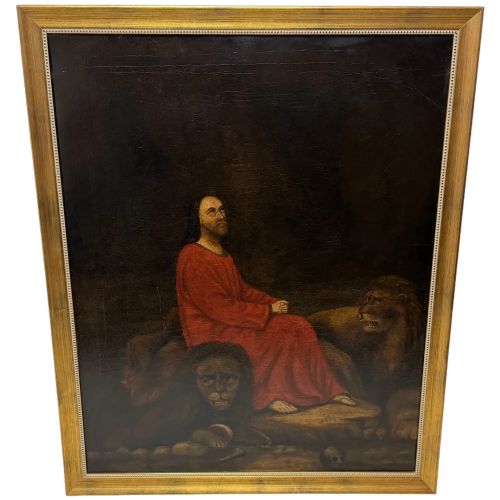
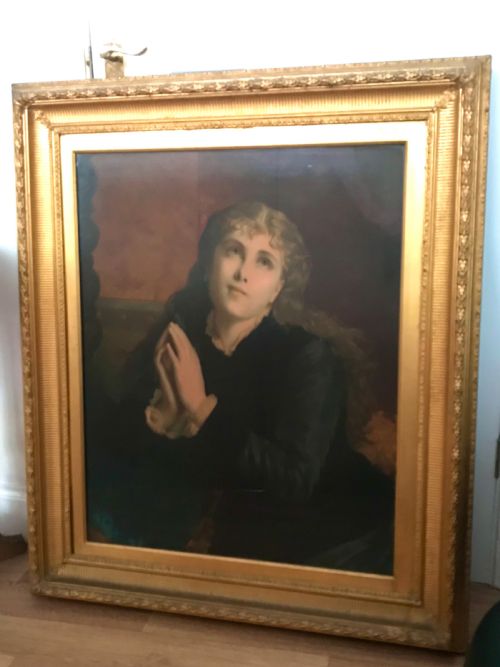
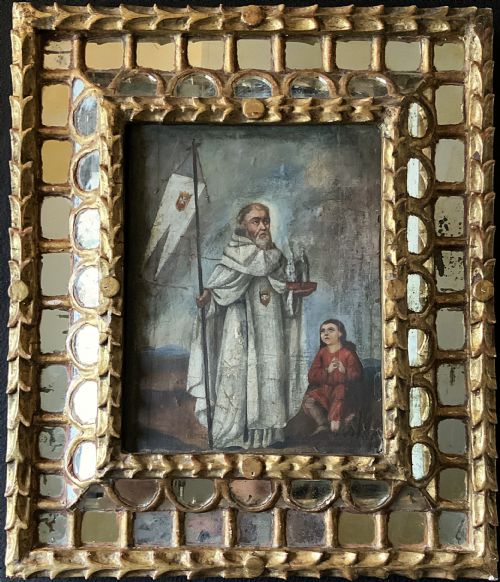
The most common versions on this page are oil paintings on canvas executed by followers or regional schools working after Renaissance and Baroque masters. These works frequently depict figures such as the Virgin and Child, Saint John the Baptist and various canonised saints.
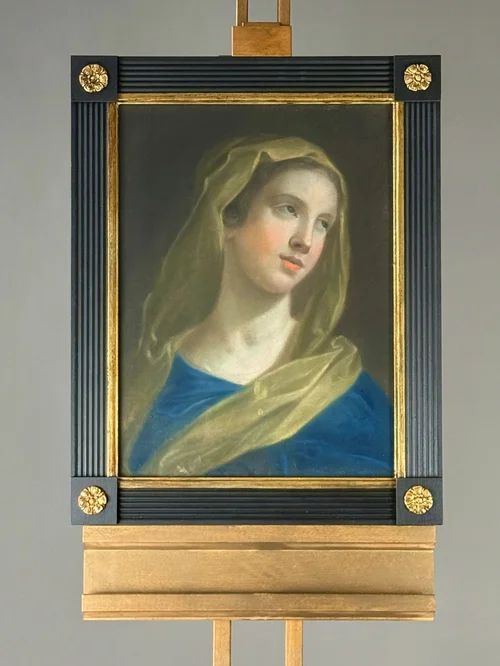
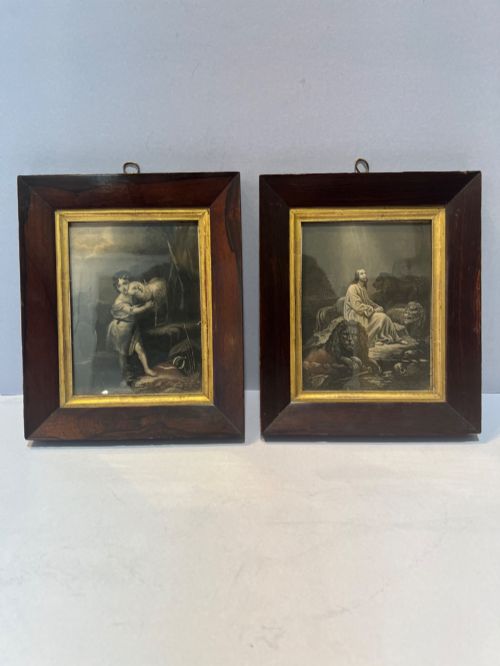
Alongside canvas works, the selection includes pastels, reverse glass pictures and limoges enamel plaques framed for wall display. These pieces reflect diverse expressions of faith across the seventeenth, eighteenth and nineteenth centuries.
Materials and technique
The physical construction of these works relies heavily on oil paint applied to woven canvas substrates stretched over wooden frames. Pigments were layered to build depth in drapery and flesh tones, occasionally revealing pentimenti where artists altered compositions during painting.
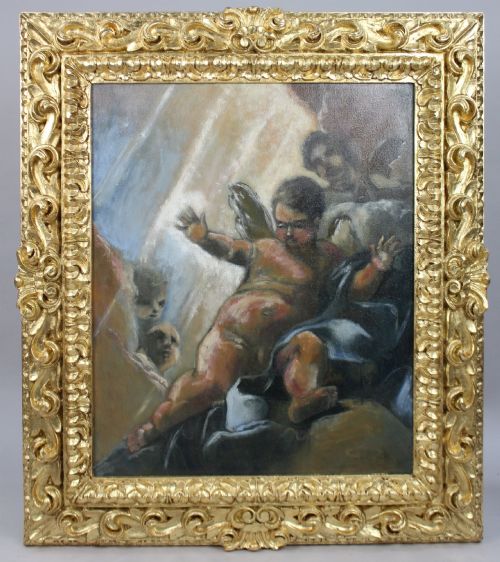
Frames play an integral structural and aesthetic role, frequently formed from carved giltwood or gesso decorated with gold leaf. These heavy wooden surrounds protect the canvas edges and complement the ornate visual language of the paintings within.
Substrates recorded in the inventory include canvas, wood panels, copper and specialised items like Limoges enamel plaques.
Distinctions in craftsmanship
Quality in these portraits rests on the fidelity of the brushwork and the expressive capability of the regional school or follower. Superior examples demonstrate confident handling of light, shadow and anatomical proportion, whereas lesser studio copies display rigid lines and flat application.
The integrity of the original support and the survival of contemporary or period-appropriate giltwood framing significantly influence the overall standard of a piece. Depth of pigment and minimal modern intervention preserve the historical authenticity valued by collectors.
Georges de La Tour·Benedetto Luti·Bernardino Luini·Miguel Barroso·Francesco Solimena·Costantino Frixione·Gaspar de Figueroa·Antonio Allegri Correggio·Scipione Pulzone·Raffaello Sanzio Raphael·Pompeo Batoni·Murillo·Girolamo Dai Libri·Ernst Stierhof
The Antique Religious Wall Portrait Glossary
- Oil on Canvas
- Pigments mixed with a drying oil applied to a woven fabric support. This combination allowed artists to blend colours smoothly and achieve rich tonal contrasts.
- Giltwood
- Timber carved and coated with a thin layer of gold leaf or gold paint. It provides a reflective, ornate border suited to ecclesiastical and devotional art.
- Pentimento
- An alteration in a painting evidenced by visible traces of previous strokes underneath the final layer. This occurrence reveals the evolving creative process of the artist.
- Gesso
- A paint mixture consisting of a binder mixed with chalk, gypsum or pigment. It served as a smooth preparation base for wooden panels and frames before gilding.
- Old Master
- A European artist of high skill working before the nineteenth century. The term also describes paintings produced by these significant historical figures or their direct workshops.
Antique Religious Wall Portrait: Frequently Asked Questions
What is an antique religious wall portrait?
These works are historical devotional paintings or panels created to adorn domestic or ecclesiastical interiors with sacred imagery.
They typically depict saints, biblical narratives or holy figures rendered in oil, pastel or enamel.
How can I tell a 17th-century painting from a 19th-century copy?
Examination of the canvas weave, stretcher construction and pigment composition helps determine the chronological origin of the work.
Earlier pieces often display hand-woven supports and organic craquelure, while later copies reflect nineteenth-century revivalist techniques.
Where were these devotional portraits originally displayed?
Many originated in private chapels, monastic foundations or domestic shrines across Catholic Europe and colonial territories.
Wealthy families commissioned them for personal prayer, while smaller regional works served local devotional practices.
How should I care for an antique oil painting on canvas?
These delicate works require stable indoor humidity and protection from direct sunlight to prevent pigment degradation and canvas warping.
Dusting should be performed gently with a soft, dry brush without applying liquid cleaners to the painted surface.