


Antique Religious Panel
These antique religious panel examples bring centuries of devotional craft into modern interiors through carved wood, painted canvas, and sacred iconography.
Antique Religious Panel
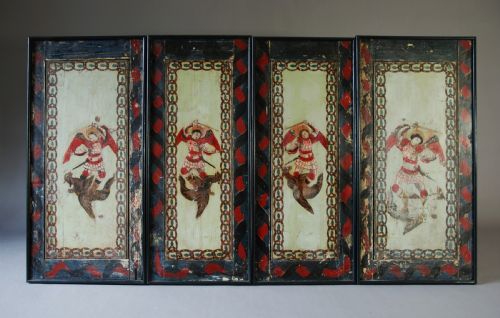
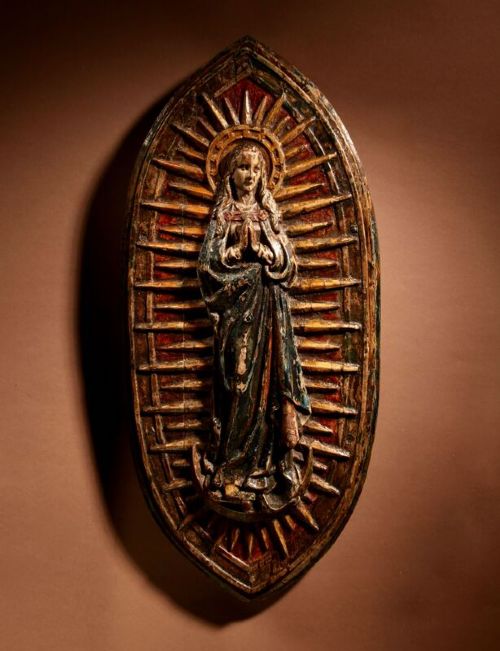
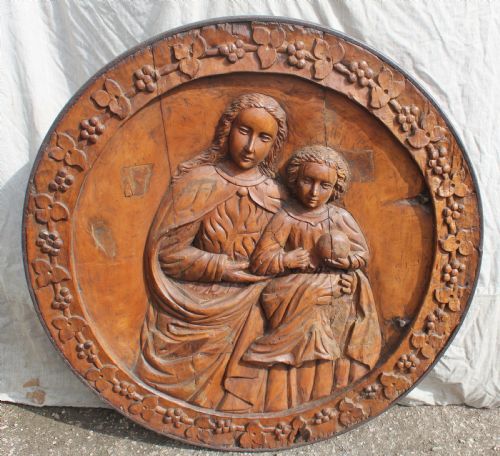
An antique religious panel encompasses wall art, wall reliefs, sculptures, and painted plaques created for private devotion and ecclesiastical settings. These pieces span from medieval church fragments to later domestic icons, reflecting diverse European traditions.
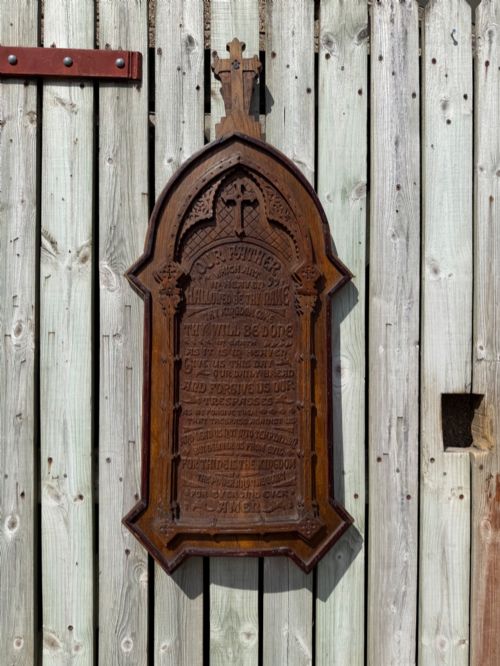
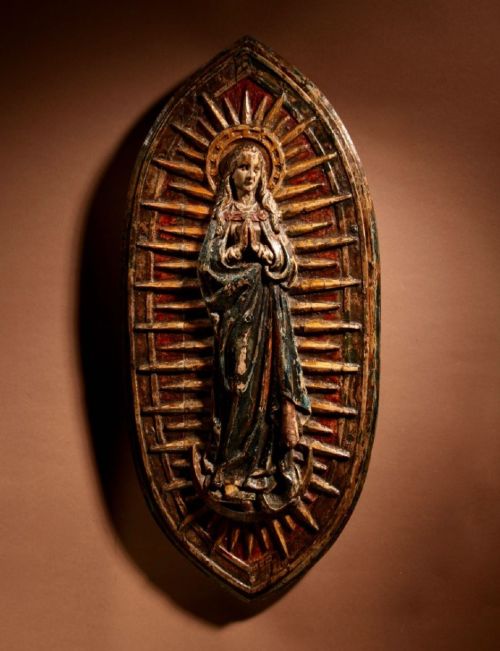
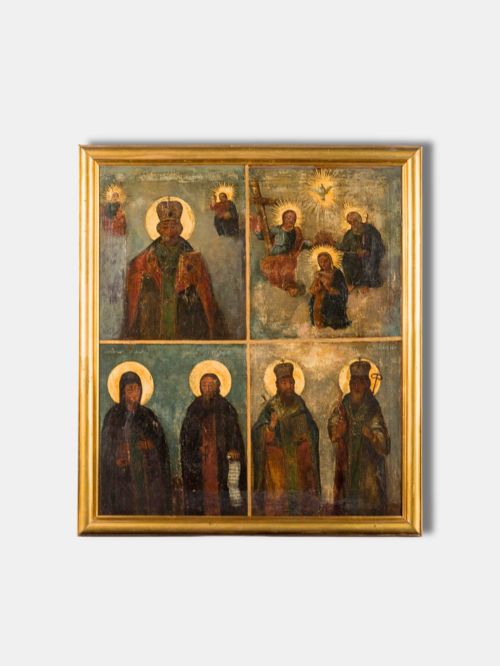
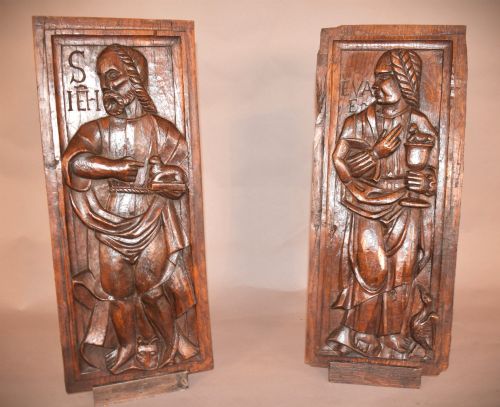
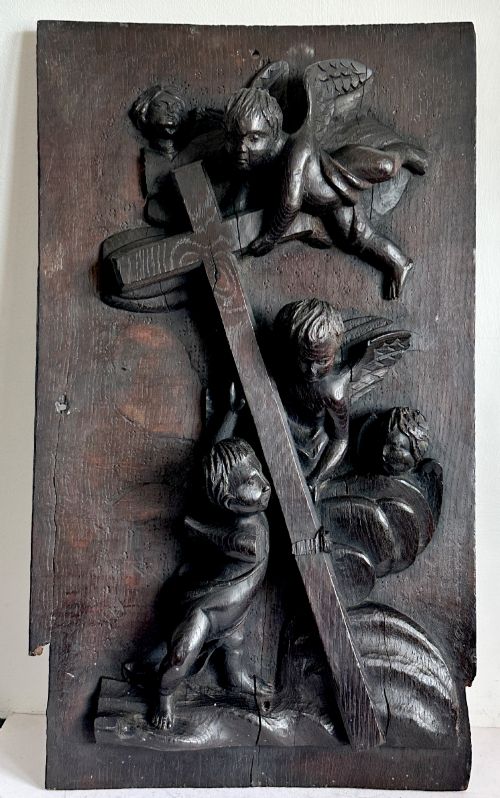
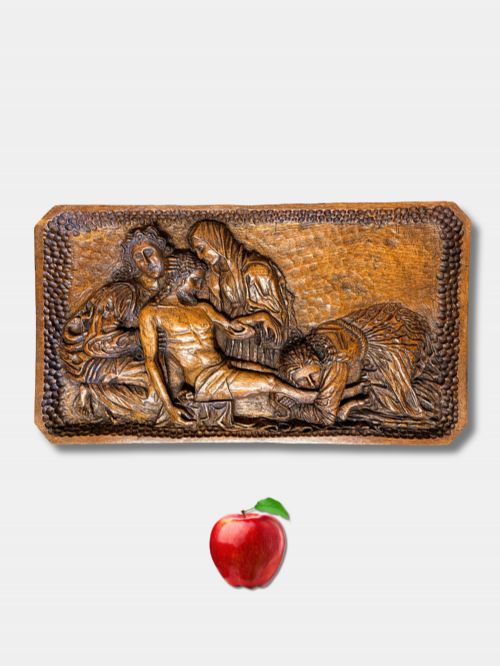
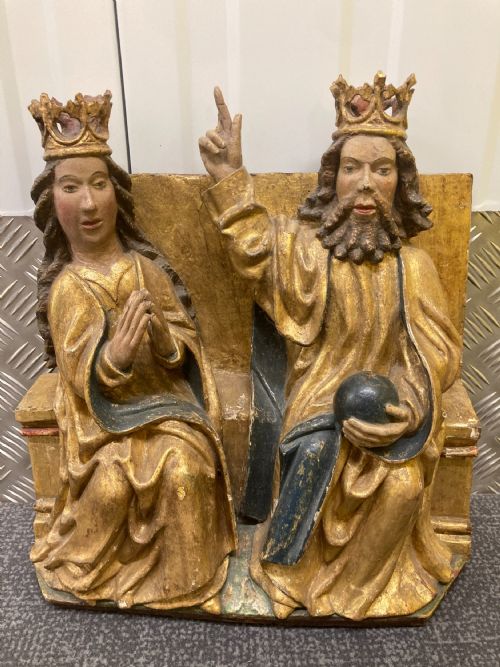
Buyers frequently encounter carved oak and pine panels depicting biblical scenes, alongside tempera and gold leaf Russian Orthodox icons. The selection ranges from naive pine depictions to intricate seventeenth-century Flemish or German baroque woodcarvings.
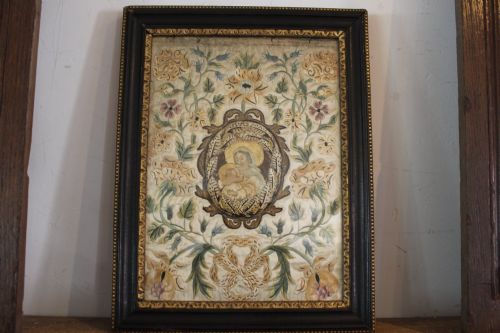
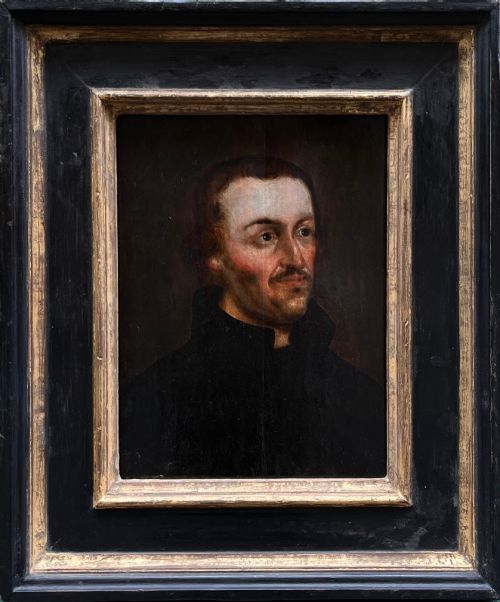
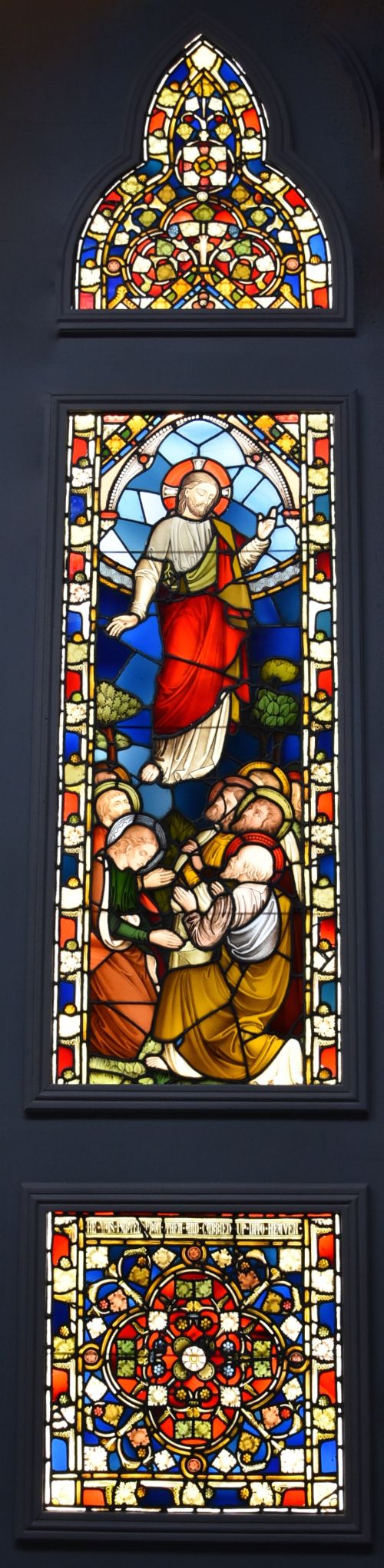
Originating across England, France, Italy, Germany, and Russia, these works include oil paintings on panel, silk embroideries, and stained glass triptychs. Each format preserves a distinct expression of faith and regional craftsmanship.
Materials and Techniques
Makers primarily utilised solid timber such as oak, pine, chestnut, and walnut, shaping them through deep relief carving and sculptural joinery. Wood surfaces were frequently enhanced with polychrome paint, gilding, or left as natural carved grain.
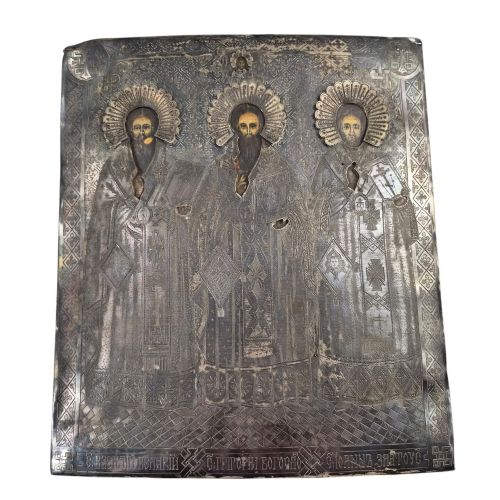
Icon painters and canvas artists applied tempera and oil paints, often incorporating gold leaf backgrounds to signify sacred light and divine presence. Other surviving examples employ delicate needlework in silk or enamel on metal plaques.
Structural methods involve framed wooden boards, stretched canvases, and heavy stone or cast elements designed for architectural display. The interplay of carved depth and applied pigment defines the physical presence of these works.
Listings feature oak, pine, and chestnut panels alongside tempera on canvas and gold leaf Russian icons.
Execution and Condition
The preservation of original surface finishes, including period gilding, polychrome paint, and natural patination, distinguishes exceptional works from heavily restored examples. Intact panel construction without excessive warping indicates careful historical care.
Heinrich Grünbaum·Volga Masters
The Antique Religious Panel Glossary
- Polychrome
- Painted in several colours, this technique decorated medieval and baroque wood carvings to bring figures to life. Surviving traces indicate original devotional aesthetics.
- Tempera
- A permanent, fast-drying painting medium consisting of coloured pigment mixed with a water-soluble binder, commonly egg yolk. It provides the smooth, matte surface seen on early icons.
- Riza
- A metal cover protecting a sacred icon, frequently stamped in silver or gold. This protective shield leaves only the faces and hands of holy figures visible.
- Triptych
- A picture or relief carving on three hinged or folded panels. This format historically decorated church altars and allowed for portable private prayer.
- Giltwood
- Wood that has been thinly coated with gold leaf or gold paint. It reflects candlelight within dark architectural spaces.
Antique Religious Panel: Frequently Asked Questions
What are antique religious panels?
These pieces are historical works of art created for worship, originating as altarpieces, church wall reliefs, and domestic icons.
They capture centuries of sacred storytelling through carved timber, painted canvas, and metalwork.
How were these panels used historically?
Communities and individuals used them to focus prayer, decorate church interiors, and mark significant biblical narratives.
Many served as central elements in altarpieces or functioned as portable icons for domestic devotion.
How do I hang a heavy wooden panel?
Wall-mounted wood and stone carvings require secure fixings anchored directly into structural wall supports due to their substantial weight.
Professional installation ensures the safe display of dense materials like oak and carved stone without damaging the antique fabric.
How do I identify the period of a panel?
Dating relies on stylistic clues, tool marks left by carvers, and the composition of underlying woods or pigments.
Comparing regional carving conventions from the sixteenth through the nineteenth centuries helps establish a reliable timeframe.