
Antique Regency Artwork
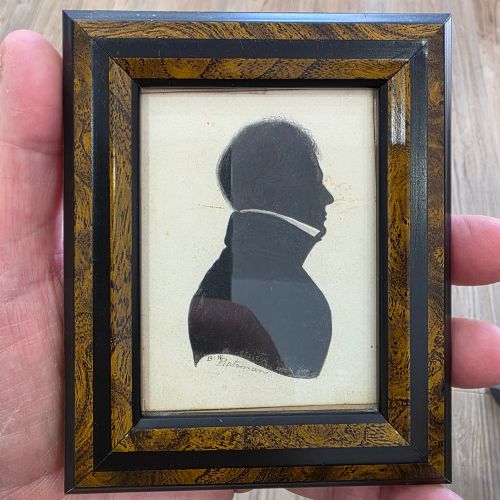
Antique regency artwork encompasses oil paintings, watercolours and cut paper silhouettes from the early nineteenth century designed to bring period character to a room.
Antique Regency Artwork
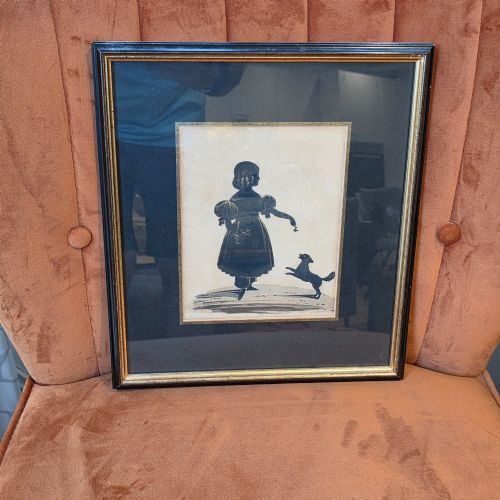
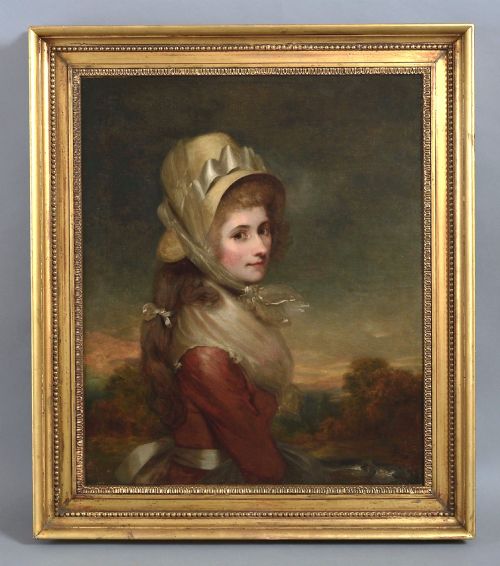
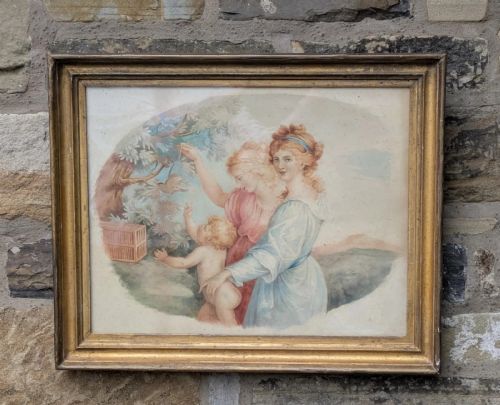
When searching for antique regency artwork, buyers encounter framed oil paintings on canvas and panel, delicate watercolours, and detailed cut paper silhouettes. These pieces span the late eighteenth century through to the mid nineteenth century, reflecting Georgian and Regency tastes.
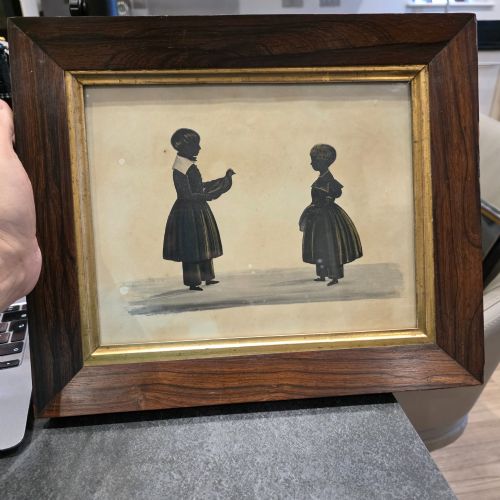
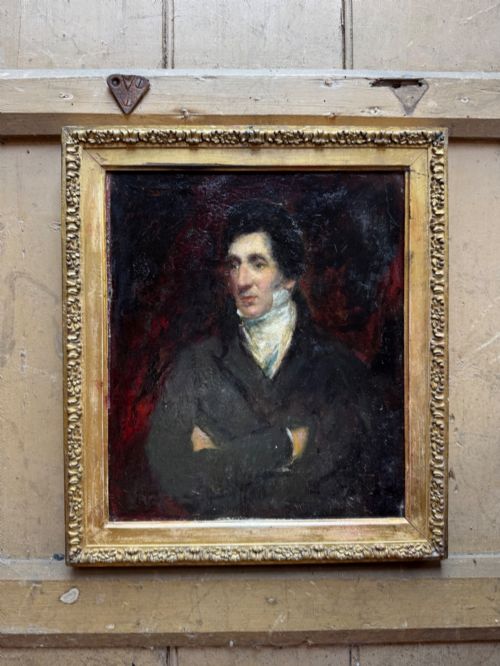
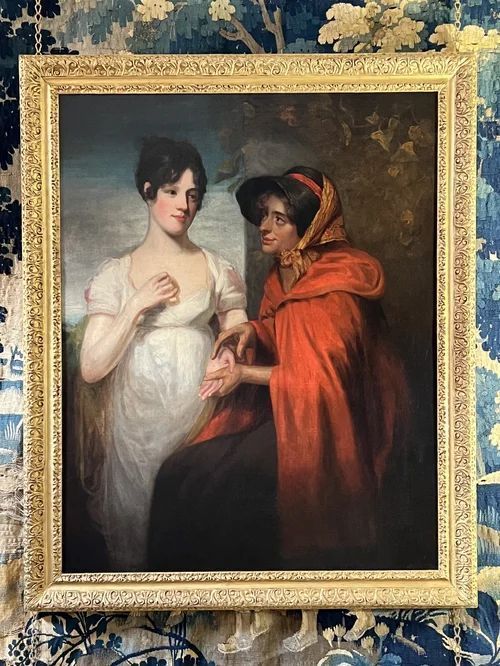
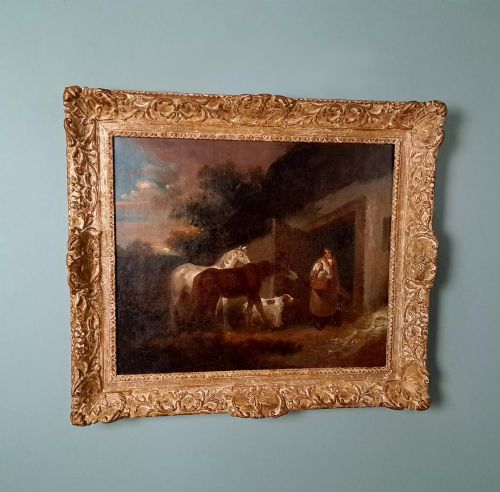
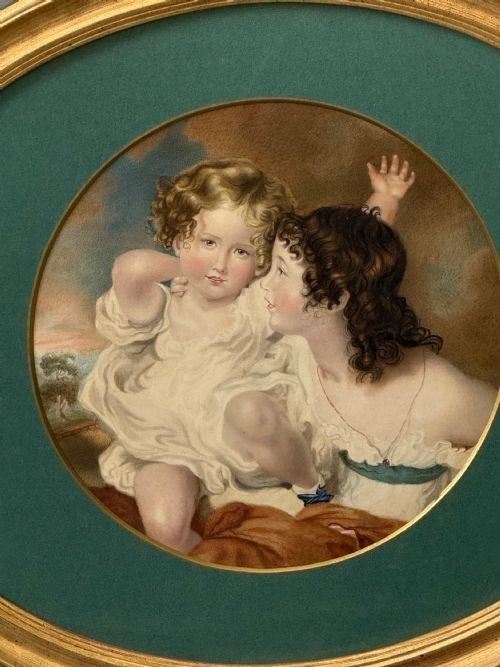
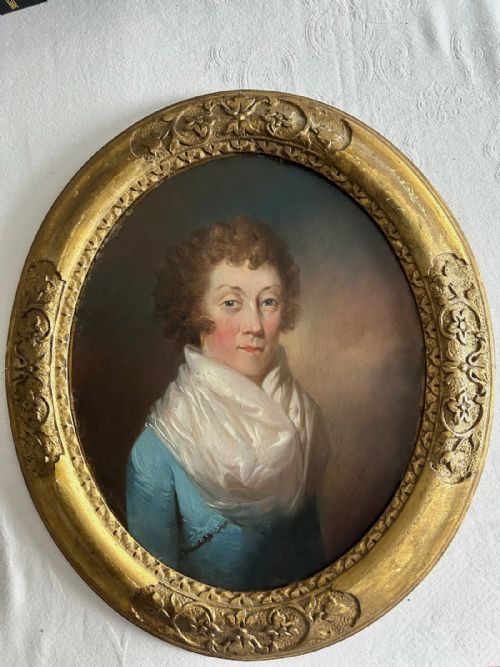
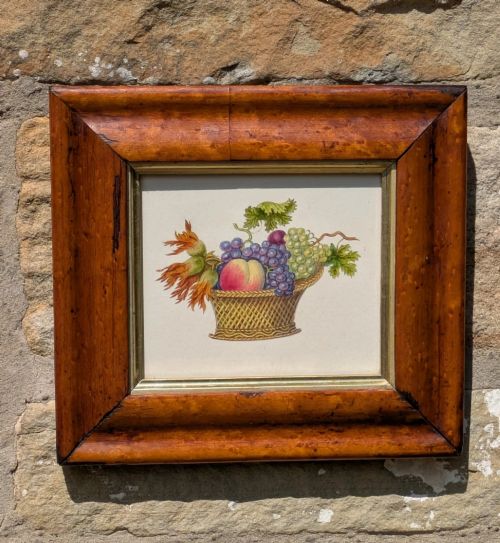
Portraits of individuals and children dominate the selection, alongside classical scenes, botanical studies, and animal subjects. Collectors frequently find works attributed to named British artists and provincial schools from the 1800s.
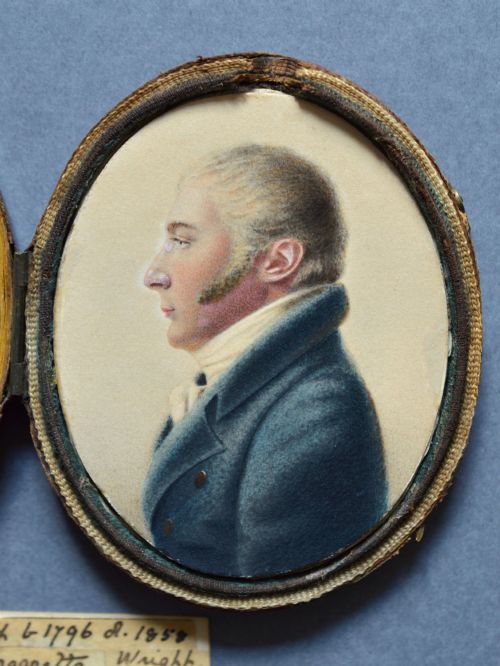
The objects appear in original frames of giltwood or rosewood, preserving the aesthetic context of the period. Wall art and miniature portraits offer distinct ways to introduce period interiors to domestic spaces.
Materials and techniques
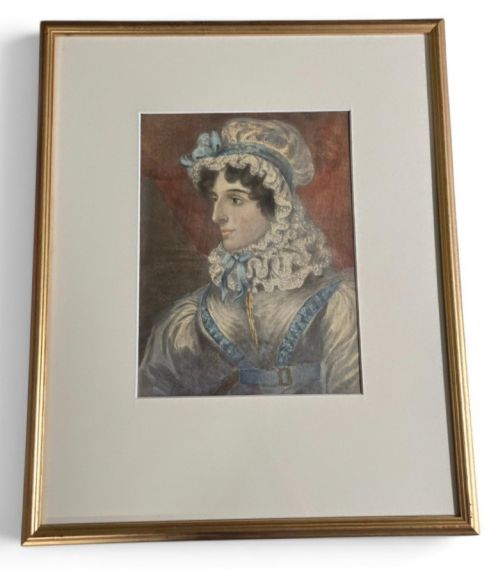
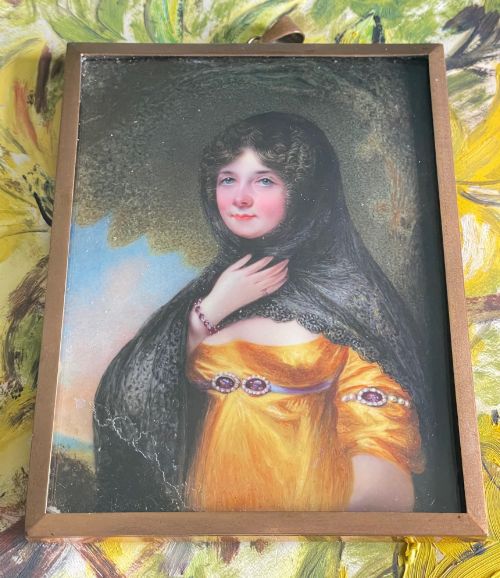
Makers utilised oil paint on canvas or wood panel for substantial portraits and genre scenes, applying pigment to achieve depth in fabric and flesh tones. Watercolours and ink on paper captured finer details in botanical studies and miniature silhouettes.
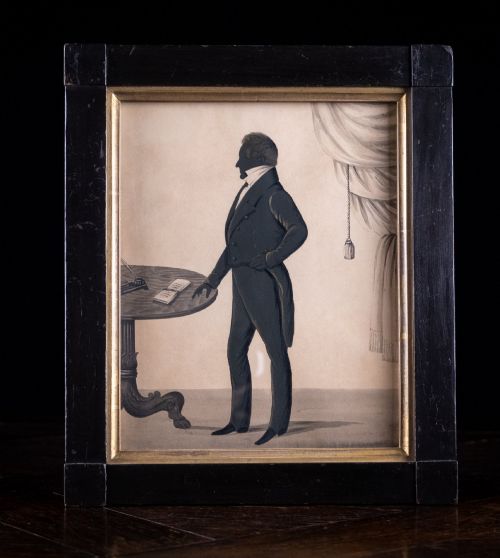
Silhouettes combined cut paper with watercolour highlights, sometimes set against gilded backgrounds or enclosed within rosewood frames. Gold leaf was applied to wooden mouldings to create luminous frames for both paintings and works on paper.
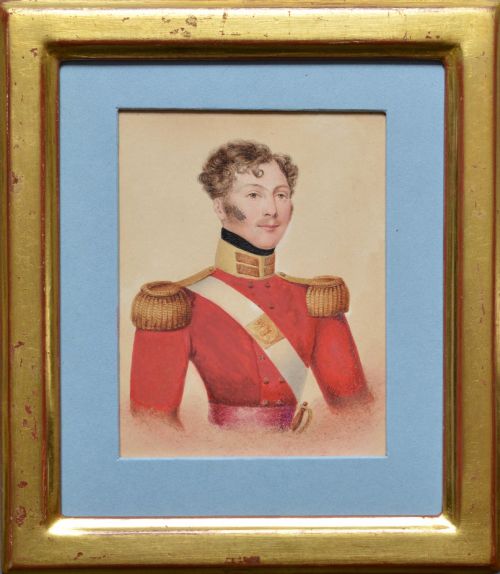
The selection includes portraits of military officers, children and actors alongside botanical and genre scenes.
Distinctions in quality
The refinement of brushwork and the anatomical accuracy of the subject separate accomplished portraits from simpler provincial efforts. Hand-cut paper silhouettes show variation in the precision of the knife work and the subtlety of the painted additions.
Original framing contributes significantly to the integrity of a piece, with period giltwood and rosewood mouldings holding more distinction than later replacements. The provenance and legible signatures of recorded artists elevate the standing of individual works.
William James Hubard·Joseph Clover·Sir Martin Archer Shee·John Opie·William Joseph Shayer Senior·Horace Hone·Sir Thomas Lawrence·Alfred Lyndon Grace·Augustin Edouart·Sir William Beechey·Margaret Sarah Carpenter·John Russell·Samuel De Wilde·Adam Buck
The Antique Regency Artwork Glossary
- Silhouette
- A profile portrait cut from black paper or painted on card, often enhanced with gold leaf highlights. This form gained popularity during the late eighteenth and early nineteenth centuries.
- Giltwood
- Timber carved and coated with gold leaf or gold paint. It provides a reflective, ornate border for mirrors and oil paintings.
- Genre painting
- Artwork depicting scenes from everyday life, such as domestic interiors or children playing. These works record the social habits of the period.
- Miniature portrait
- A small-scale painting executed on ivory, vellum or card. They were frequently commissioned as personal tokens of affection.
- Neoclassical
- A style of art and architecture inspired by the classical art of ancient Greece and Rome. It emphasises restraint, proportion and classical motifs.
Antique Regency Artwork: Frequently Asked Questions
How do I hang antique oil paintings?
Support heavy oil paintings securely using appropriate wall fixings that match the weight of the canvas and its wooden frame. Position them away from direct sunlight and strong heat sources to protect the canvas and pigments.
Ensure the wall space allows the piece to hang level without tilting forward. Period frames benefit from stable indoor humidity to prevent the wood and gesso from cracking.
What subjects are common in regency art?
Portraits of officers, ladies and children form the largest group of subjects in this category. Botanical studies, birds and classical narrative scenes also appear frequently.
Artists of the period recorded contemporary figures and domestic pastimes with precision. These works reflect the social interests and aesthetic values of Georgian society.
How do I identify a period frame?
Period frames feature construction methods and materials specific to the nineteenth century, such as hand-carved giltwood or polished rosewood. Close inspection reveals corner joins and gesso application consistent with historical workshop practices.
Later replacements often display modern fixings or machine-made mouldings. Original frames complement the artwork and show age-appropriate wear to the surface.