


Antique Red Lacquer
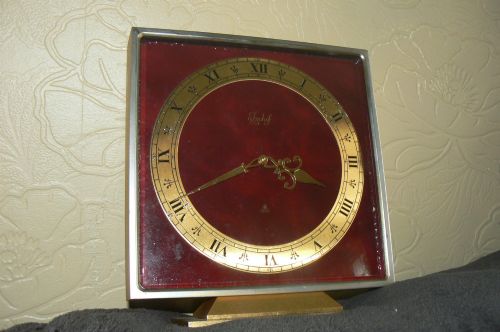
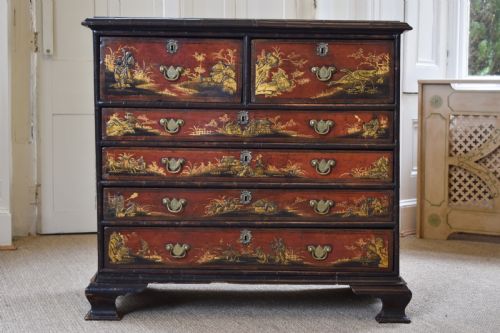
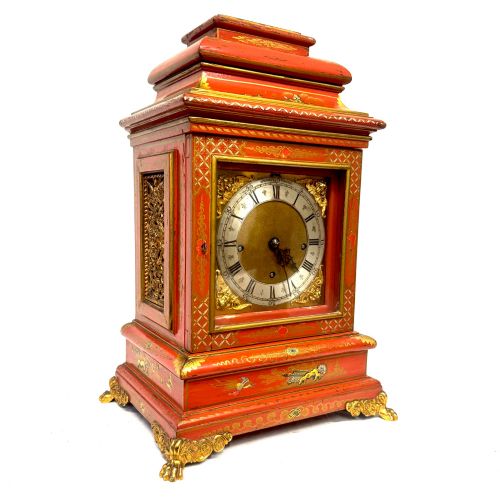
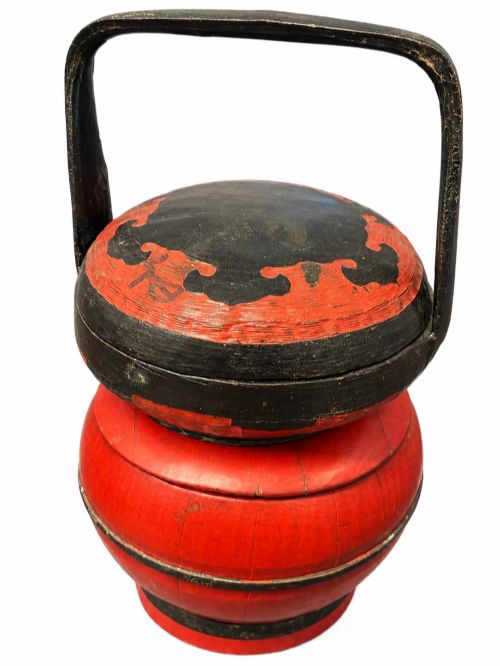
These antique red lacquer pieces bring deep colour, gilt detailing and polished surfaces into a room.
Antique Red Lacquer
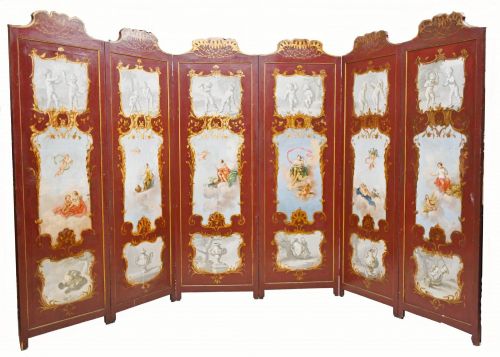
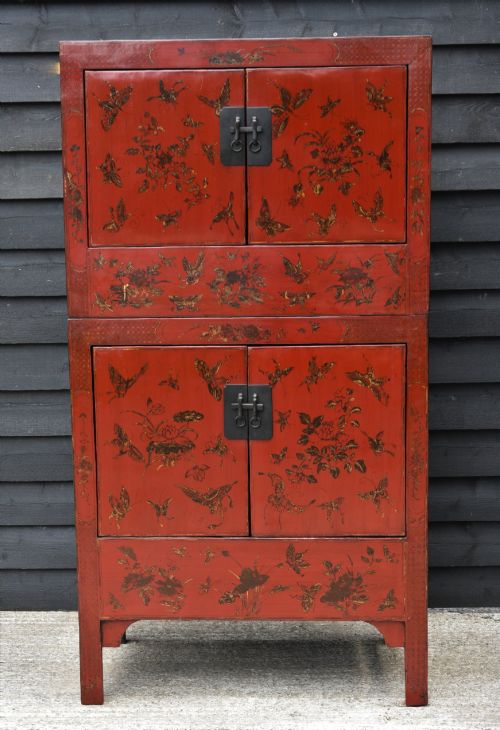
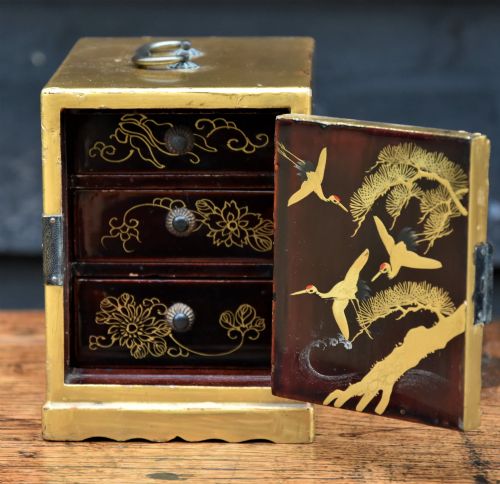
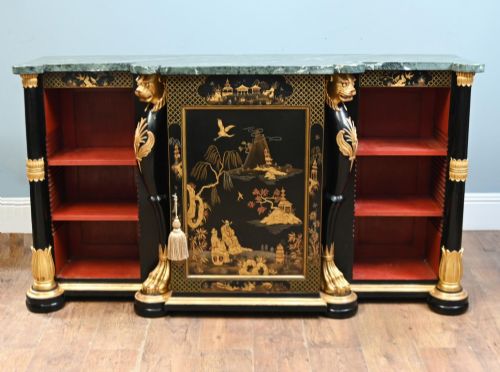
When you search for antique red lacquer, you encounter an array of furnishings ranging from large wedding cabinets and blanket boxes to smaller items like jewellery boxes and table lamps. The pieces span several origins and traditions, predominantly drawing on Chinese, Japanese, and Chinoiserie aesthetics.
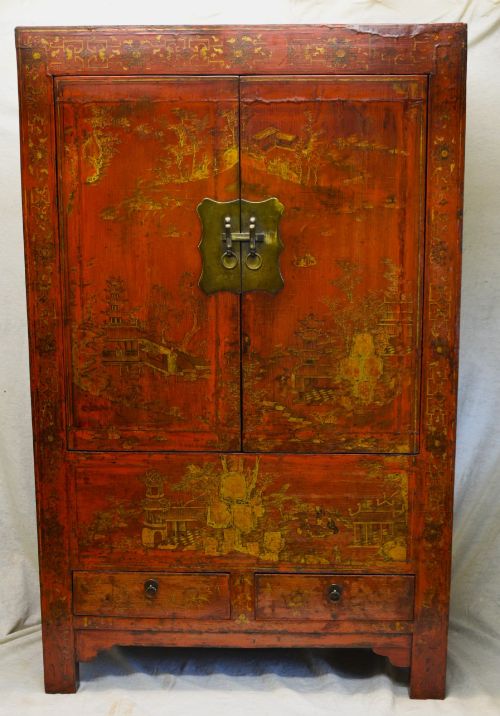
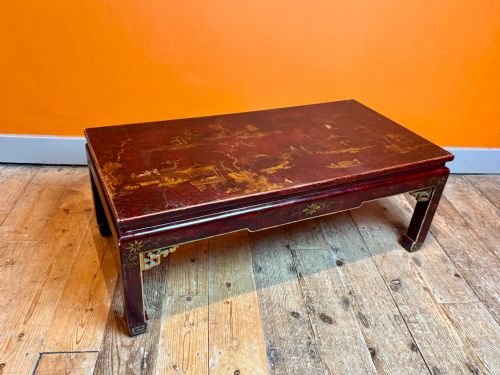
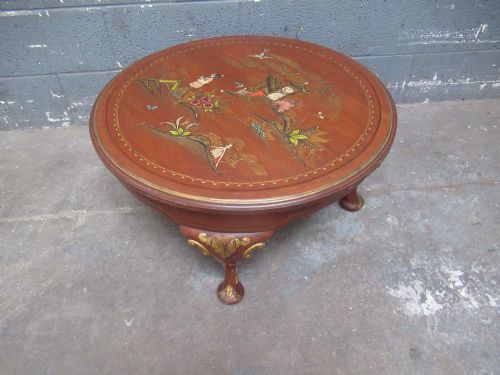
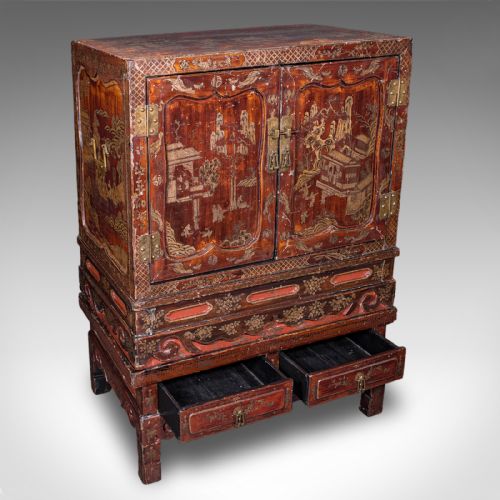
Marriage cabinets, low tables, and side chairs form the most common versions of antique red lacquer on this page. These functional items showcase deep red and crimson tones, often complemented by hand-painted details or gilt ornamentation.
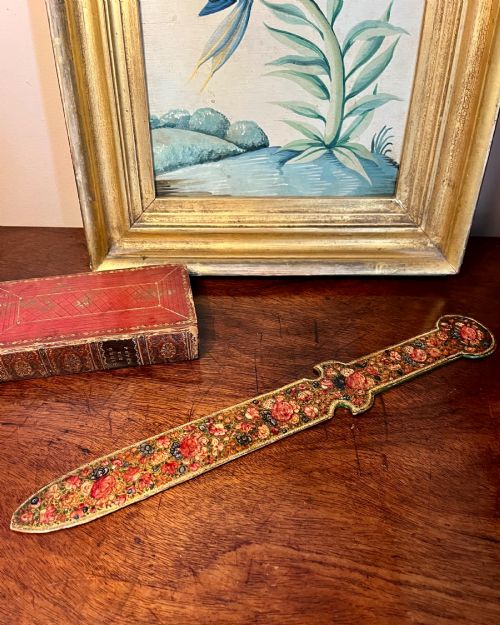
The selection extends to specific regional pieces such as Burmese figures, Kashmiri papier-mâché items, and English Chinoiserie adaptations from the Victorian and Edwardian eras. Each object reflects how diverse workshops interpreted traditional red finishes over successive centuries.
Materials and construction
Wood serves as the primary structural foundation for these objects, with elm frequently utilised in Chinese cabinets alongside various hardwoods and softwoods. Lacquer is then applied in successive layers to create a durable, glossy surface that can be hand-painted or carved.
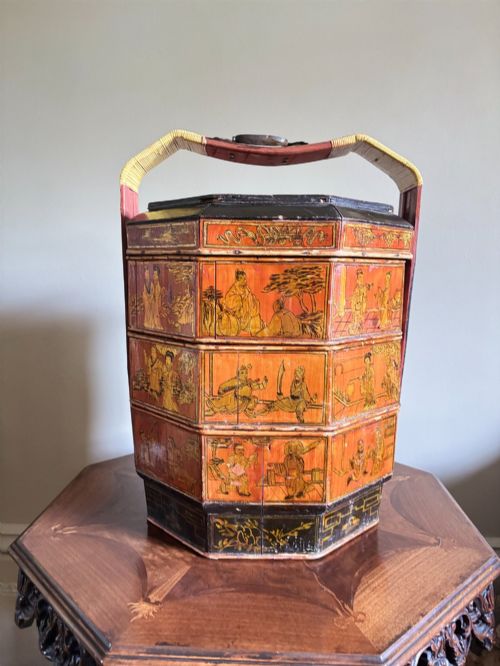
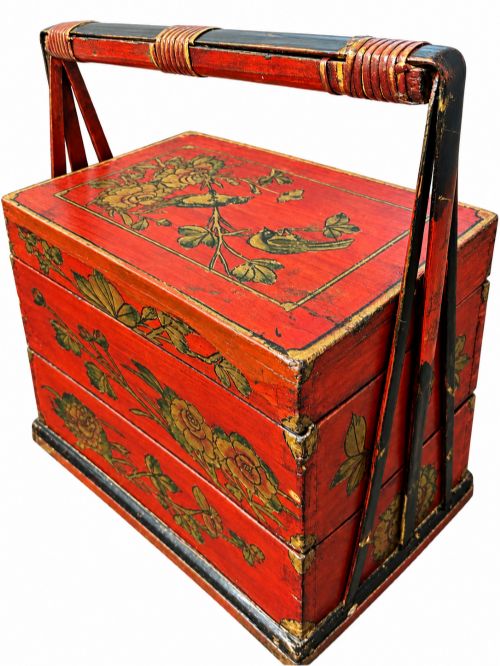
Gold leaf and gilt details frequently accent the red lacquer, catching the light on panels, tables, and storage chests. Brass hardware, including hinges and decorative plates, completes the construction of functional cabinets and trunks.
Antique Red Lacquer Retail Price Guide 2026
Typical asking prices for red lacquer among the pieces listed under this phrase on Sellingantiques today, from the lower quarter to the upper quarter. They describe what is for sale here now, not the wider market.
Among the storage items, a set of four small sake cups hides miniature lacquered craftsmanship from the Japanese Meiji period.
Distinguishing quality
Quality rests on the depth of the lacquer surface and the precision of the hand-painted or carved ornamentation. Superior pieces retain their original red finish with minimal disturbance to the underlying wood and gilt accents.
The integrity of the structural joinery, particularly in large items like marriage cabinets and blanket boxes, separates workshop standards. Well-preserved original hardware and untroubled surface patination indicate careful historical upkeep.
The Antique Red Lacquer Glossary
- Chinoiserie
- European artistic styles reflecting Chinese motifs and techniques, popular in furniture and decorative objects.
- Lacquer
- A durable resin finish applied to wooden objects, drying to a smooth, hard surface that takes colour and gilding well.
- Gilt
- A thin layer of gold applied to wood or metal surfaces to provide decorative highlights.
- Elm
- A sturdy timber frequently utilised in traditional Chinese cabinet making for its strength and grain.
- Kodansu
- A small Japanese cabinet or storage box fitted with internal drawers.
Antique Red Lacquer: Frequently Asked Questions
Where should I place a red lacquer cabinet?
These large storage pieces suit principal living areas or hallways where their rich colour stands against neutral walls.
Keep them away from direct sunlight and excessive heat sources to protect the delicate lacquer finish from drying or cracking.
How do I clean antique lacquer furniture?
Dust the surface regularly with a soft, dry cloth to prevent particulate accumulation on the glossy coating.
Avoid using water, chemical solvents, or commercial polishes, as moisture damages traditional lacquer layers.
What is a marriage cabinet?
These large Chinese cupboards served as traditional dowry furniture, storing garments and household linens for newlyweds.
They often feature striking red lacquer finishes and brass mounting plates on the front doors.
How do I identify Chinoiserie pieces?
Chinoiserie items combine European furniture forms with painted or lacquered Oriental motifs like landscapes and figures.
They date primarily from the Georgian era through the early twentieth century.