


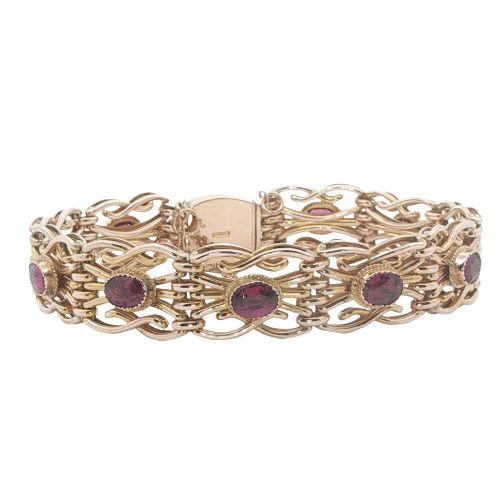
Antique Red Jewellery
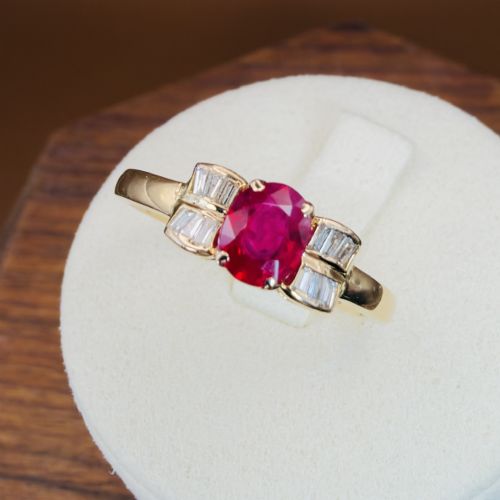
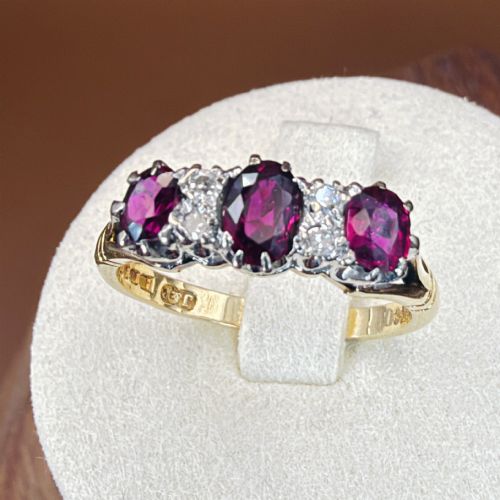
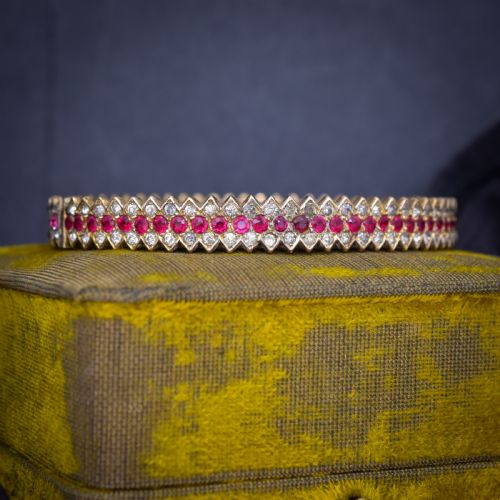
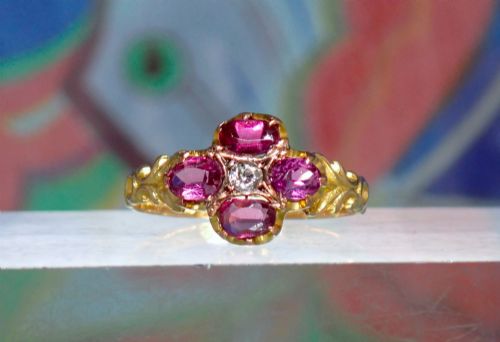
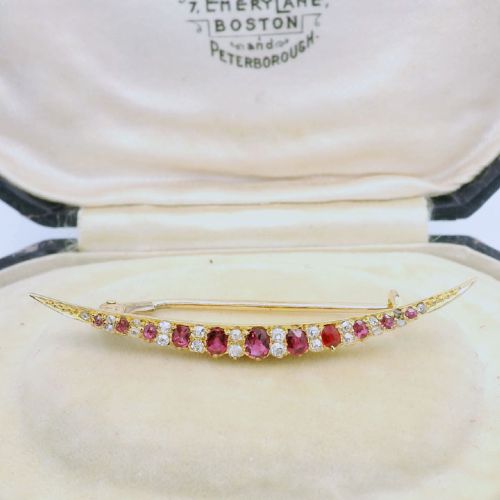
When you search for antique red jewellery, you encounter a diverse assemblage of rings, brooches, and bracelets fashioned from garnet, ruby, and carnelian across the Victorian, Edwardian, and Art Deco periods.
Antique Red Jewellery
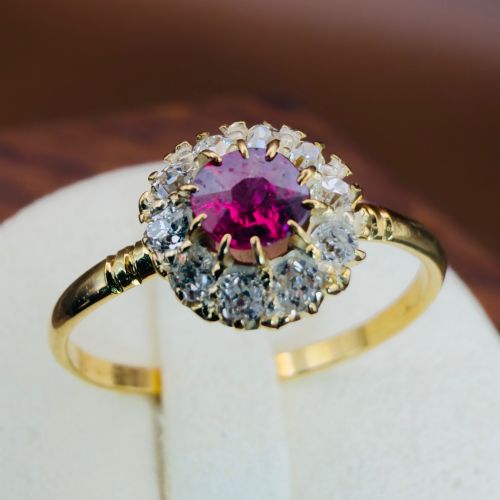
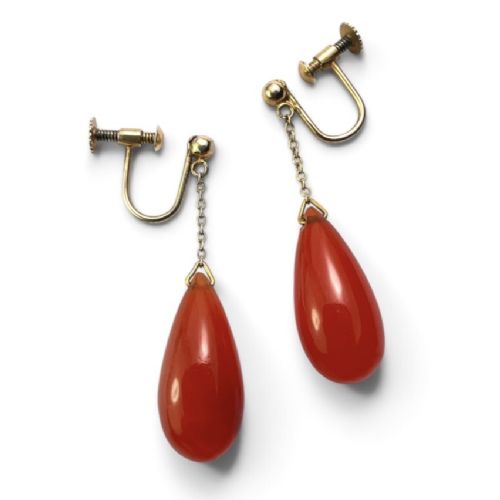
The category of antique red jewellery encompasses everything from cluster rings set with rubies and diamonds to garnet flower brooches and carved carnelian intaglios. Buyers searching this phrase will find a high concentration of rings alongside drop earrings, bangles, and pendants originating from the nineteenth and twentieth centuries.
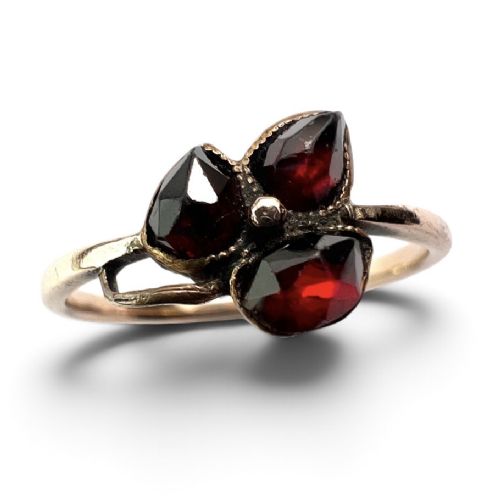
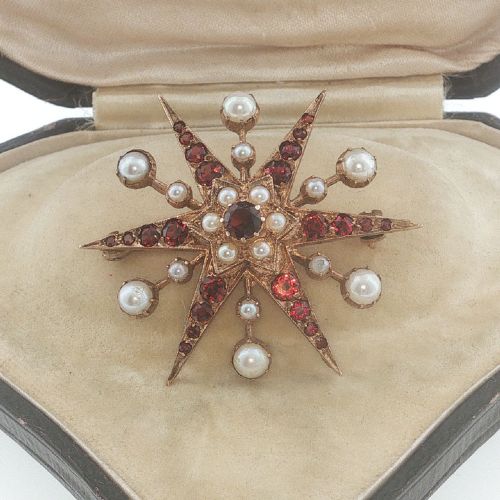
Victorian and Edwardian iterations frequently employ deep red almandine garnets mounted in yellow or rose gold, often taking the form of starburst or cluster configurations. Later twentieth-century examples lean towards platinum and white gold settings housing brighter rubies paired with old-cut diamonds.
Alongside wearable adornments, the broader category includes decorative containers intended to house them, such as Victorian walnut jewellery caskets, French bronze boxes, and glass caskets lined in velvet. These storage pieces share the deep red colour palette through interior linings or cranberry glass bodies.
Materials and construction
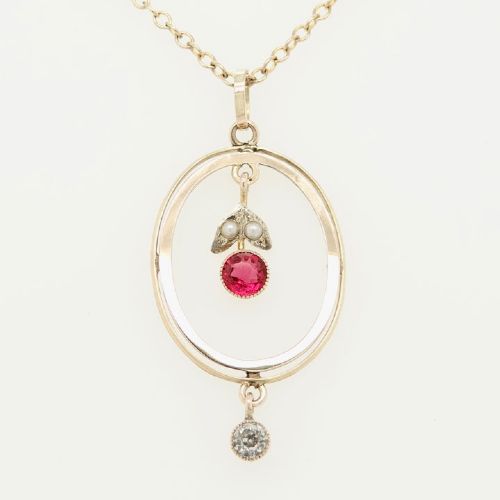
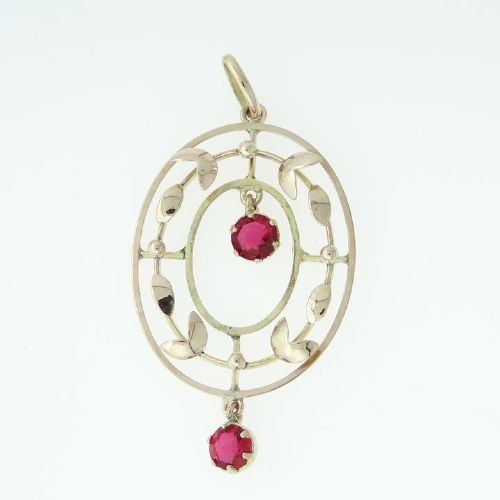
Goldsmiths utilised varying purities of gold, including 9ct, 15ct, and 18ct, alongside platinum and sterling silver to fabricate the structural mounts for these red stones. Stones such as rubies, garnets, and spinels were secured using claw settings, star settings, or flush mountings, frequently accompanied by supporting diamonds and seed pearls.
Lapidaries shaped the red gemstones into oval cuts, old cuts, and cabochons to maximise light reflection and depth of colour. Decorative elements relied on hand engraving, repoussé work in Etruscan Revival styles, and precise stone arrangement to form floral clusters and crescent motifs.
Listings feature yellow gold, rose gold, and platinum settings housing rubies, garnets, diamonds, and carnelian across multiple eras.
Assessing quality in red pieces
Quality reveals itself in the saturation and clarity of the red stones, whether natural unheated rubies from Burma or deep almandine garnets. The precision of the metalwork, from the hand-cut facets of old-cut diamonds to the intricacy of gold starburst settings, distinguishes standard workshop output from finer pieces.
The structural integrity of the mounting and the preservation of original components, such as secure hinge backs on earrings and original clasps on bracelets, dictate the standard of survival. In storage pieces, the condition of the red velvet interiors and the figuration of the walnut or coromandel veneers mark the upper tier of manufacture.
Toulmin and Gale·Waring and Gillow·Moser
The Antique Red Jewellery Glossary
- Almandine Garnet
- A dense variety of garnet known for its deep red to brownish-red hue. It appears frequently in Victorian cluster rings and rose gold bracelets.
- Starburst
- A design motif where stones radiate outwards from a central point to mimic a star. This layout is common in Edwardian and late Victorian rings and brooches.
- Old Cut
- A hand-faceted diamond cut predating modern brilliant standards, characterised by a smaller table and higher crown. It is typical of pieces produced during the Victorian and Edwardian eras.
- Intaglio
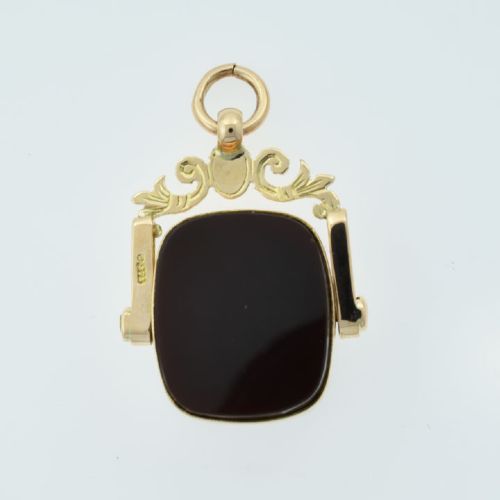
- A gem or stone carved into relief by incising the design into the surface, allowing it to act as a seal. Carnelian was a favoured medium for this technique.
- Paste
- Hand-cut and polished lead glass utilised to imitate precious gemstones. It appears in Georgian and Art Deco jewellery for decorative coloured settings.
Antique Red Jewellery: Frequently Asked Questions
How do I care for antique red jewellery?
Store pieces individually in lined compartments or velvet boxes to prevent softer red stones like garnet from scratching against harder diamonds. Clean them gently with a soft cloth, avoiding harsh ultrasonic cleaners that can damage fragile seed pearls or foil-backed settings.
Inspect claw settings periodically to ensure stones remain secure within their gold or platinum mounts. Keep organic materials away from prolonged moisture and direct heat to preserve their historical integrity.
What is the difference between Victorian and Edwardian red jewellery?
Victorian red jewellery tends to feature heavier gold weights, often in 9ct, 15ct, or yellow and rose tones, with deep almandine garnets and rich Etruscan Revival detailing. The overall aesthetic is solid, ornate, and grounded in symbolic floral or sentimental motifs.
Edwardian pieces shift towards lighter platinum and yellow gold settings, favouring delicate openwork, milgrain edges, and brighter rubies paired with sparkling old-cut diamonds. The transition reflects a move from heavy romanticism to lighter, lace-like geometric grace.
Are these rubies natural or synthetic?
The listings contain a mix of natural stones, including unheated Burmese rubies, alongside synthetic or simulated red stones and paste glass. Period pieces from the late nineteenth and early twentieth centuries often house natural rubies or almandine garnets.
Mid-century items occasionally incorporate synthetic or bead-backed stones created through industrial advancements in gemstone production. Documentation or certification usually confirms the origin and treatment status of high-value rubies.
How can I date an antique red ring?
Dating relies on examining the metal purity hallmarks, the cut of the gemstones, and the overall manufacturing style. For instance, gypsy settings and starburst engravings point towards the late nineteenth and early twentieth centuries.
Comparing the structural basket, band thickness, and prong style against known period examples helps narrow down the decade of production. Hallmarks stamped inside the band often provide assay office marks and specific date ciphers.