


Antique Rectangular Hall Table
An antique rectangular hall table brings immediate architectural presence to an entranceway, offering a practical surface crafted in periods from the sixteenth century to the twentieth.
Antique Rectangular Hall Table
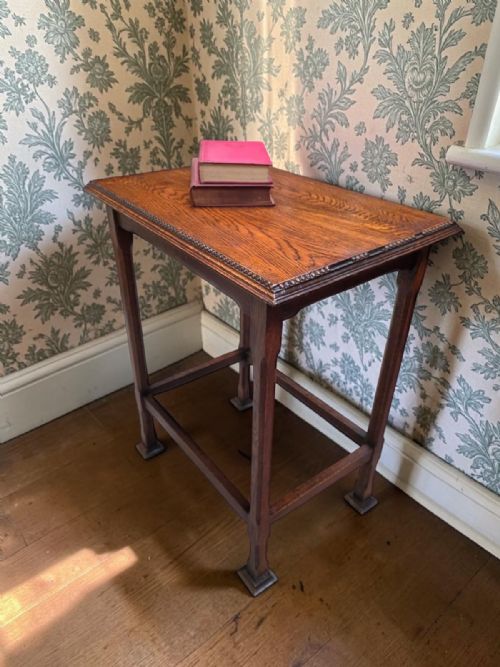
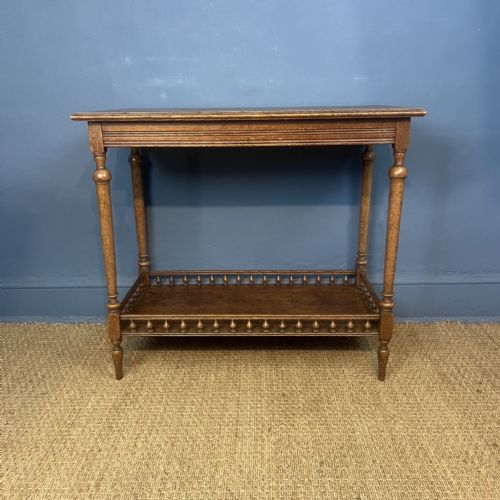
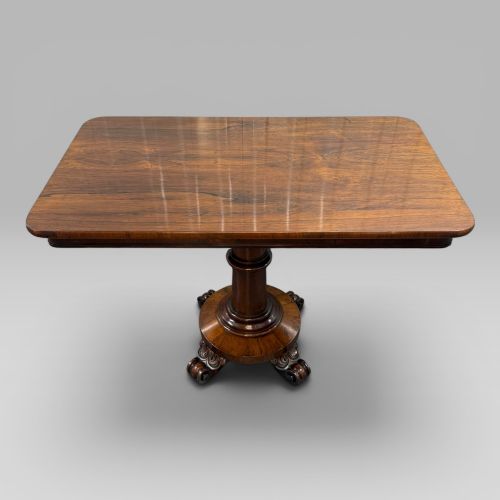
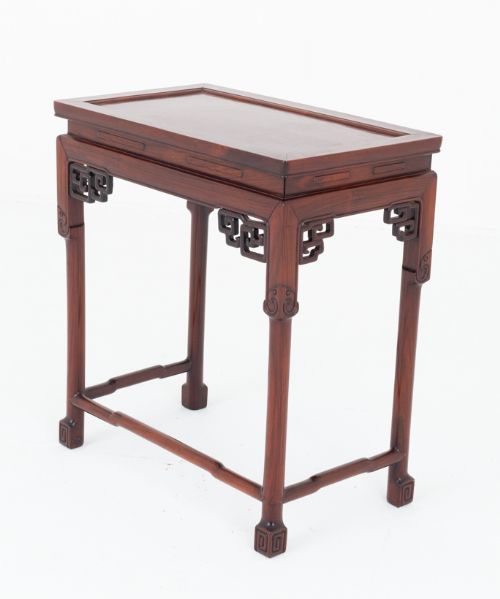
An antique rectangular hall table encompasses forms described across listings as side tables, centre tables, console tables, and occasional tables. These pieces serve functional placement in narrow spaces or grand entryways depending on their proportions.
The selection ranges across multiple eras, including Edwardian, Victorian, Georgian, William IV, and Regency periods. Pieces demonstrate diverse historical influences such as the Aesthetic Movement, Chippendale, and Italian Renaissance Revival.
Makers and origins span British traditions alongside continental examples, featuring occasional Chinese elm construction or Italian bone inlay. Buyers frequently encounter oak, mahogany, and walnut iterations suitable for domestic hallways.
How they were made
Construction relies heavily on traditional timber selection, utilising solid or veneered oak, walnut, mahogany, and rosewood. Cabinetmakers additionally employed specialised decorative elements like burr oak, pollard oak, and elm.
Surface ornamentation incorporates meticulous techniques including bone inlay, satinwood crossbanding, and rich polish. Structural forms vary from simple two-tier occasional frames to substantial console and pier tables.
Listings feature timbers including oak, walnut, mahogany, rosewood, bone, burr oak, pollard oak, and elm across various periods.
What varies in quality
Distinction in quality rests upon the selection of timber figure, such as the depth achieved in burr and pollard oak or figured mahogany. Finer examples display superior timber matching and sophisticated crossbanding.
The integrity of decorative details, including precise bone inlay and cabinetwork assembly, separates standard production from exceptional pieces. Proportions and historical styling define the visual weight of each piece in a hall setting.
James Winter & Sons
The Antique Rectangular Hall Table Glossary
- Crossbanding
- A border technique where thin strips of veneer are laid perpendicular to the grain of the main surface. This provides a decorative frame to tabletops.
- Console table
- A table designed to be fixed against a wall, frequently supported by brackets or console legs. They occupy minimal depth in narrow spaces.
- Burr oak
- Wood taken from the growth excrescences on an oak tree, revealing highly swirled grain patterns. It provides dense and decorative figuring for tabletops.
- Satinwood
- A lustrous timber originating from the tropics, utilised for pale contrasting inlay work. It contrasts sharply with darker woods like mahogany.
Antique Rectangular Hall Table: Frequently Asked Questions
What defines a hall table?
A hall table is a narrow rectangular surface designed for placement in corridors and entranceways. These tables provide a designated drop-off point while fitting into restricted spatial footprints.
Historical examples encompass side, console, and occasional tables constructed during the Georgian, Victorian, and Edwardian eras.
How do I choose the right wood?
Wood selection depends on the existing interior palette and the historical period of the home. Oak and elm offer robust, textured surfaces with visible grain, while mahogany and walnut provide smoother, darker formality.
Exotic woods like rosewood and burr oak introduce heightened decorative contrast through striking natural figuring.
Where should I place a console table?
Console tables sit flush against a wall in hallways, reception rooms, or landings. Their shallow depth prevents obstruction in high-traffic transit areas.
Pairing a console with a wall-hanging mirror creates a traditional entryway focal point.
How do I date an antique table?
Dating relies on identifying the prevailing style, construction methods, and timber choices characteristic of specific eras. Georgian and Regency pieces exhibit different structural joints and leg profiles compared to later Victorian or Edwardian iterations.
Documented makers or specific stylistic movements like the Aesthetic Movement provide further chronological markers.