



Antique Reclining Lounger
An antique reclining lounger offers deep comfort through adjustable seating, spanning campaign styles, planters chairs and steamer deck chairs.
Antique Reclining Lounger
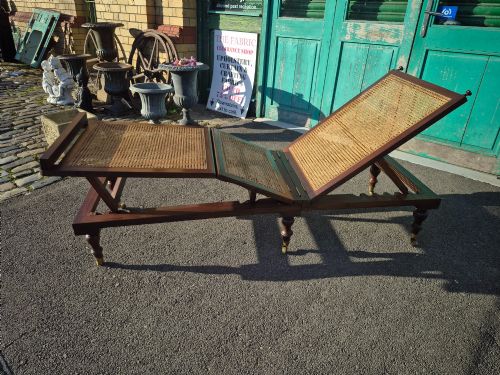
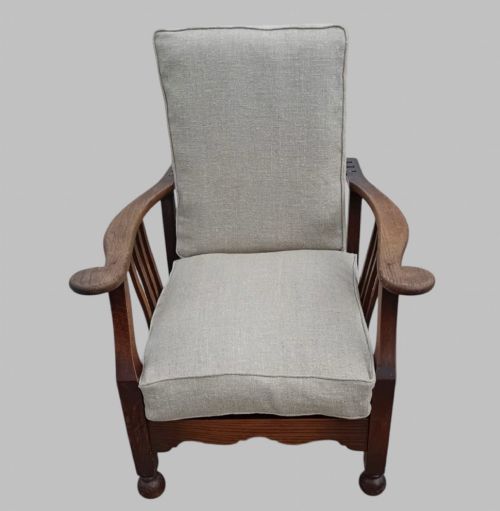
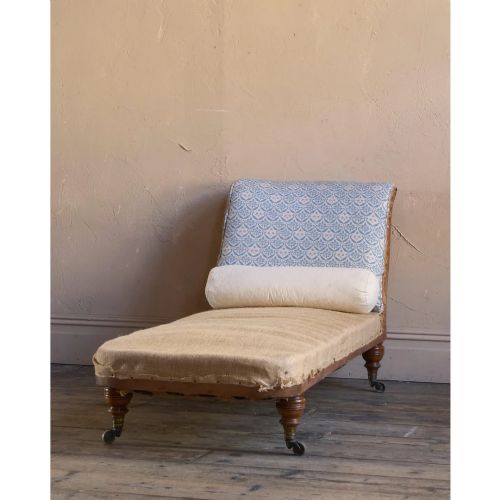
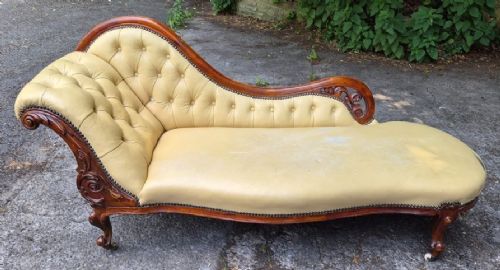
When you search for an antique reclining lounger, you encounter an array of adjustable seating designed for relaxation across the nineteenth and early twentieth centuries. These pieces encompass daybeds, chaise longues, plantation chairs and steamer deck chairs from periods such as the Regency, Victorian, Edwardian and Arts and Crafts eras.
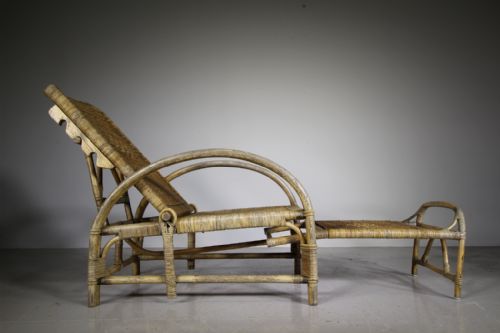
The selection on this page shows forms ranging from heavy mahogany and rosewood frames to lighter cane, rattan, wicker and bamboo constructions. Origins span English workshops, colonial contexts and French design, reflecting diverse approaches to leisure and seating comfort.
Buyers meet variations such as folding wooden steamer chairs, upholstered Victorian library armchairs with reclining mechanisms, and Anglo-Indian plantation chairs with extended footrests. Each style serves the fundamental purpose of adjustable lounging while displaying the distinct aesthetic of its period.
How they were made
Cabinet makers utilised dense timbers like mahogany, walnut, rosewood, oak and teak to build sturdy frames that could withstand adjustable mechanisms and heavy use. Turned wooden components, carved details and folding hinges demonstrate the technical proficiency applied to these chairs and daybeds.
Weavers employed natural materials such as cane, rattan, wicker and bamboo to create flexible seating and backrests, particularly suited to colonial and garden environments. Other pieces utilised brass hardware, leather upholstery and woven fabric to finish the reclining structures.
Listings feature woods such as mahogany, rosewood, oak, walnut and teak, alongside natural woven materials like cane, rattan, wicker and bamboo.
What varies in quality
The calibre of timber selection and the precision of joinery separate standard examples from finer pieces, especially where folding mechanisms or adjustable backrests are concerned. Solid hardwoods and intact original cane work indicate superior initial construction.
The integrity of the hardware, the retention of original leather or upholstery materials, and the presence of maker stamps or labels distinguish notable workshops from anonymous production.
Howard and Sons·Angraves of Leicester·Robert Daws
The Antique Reclining Lounger Glossary
- Planters chair
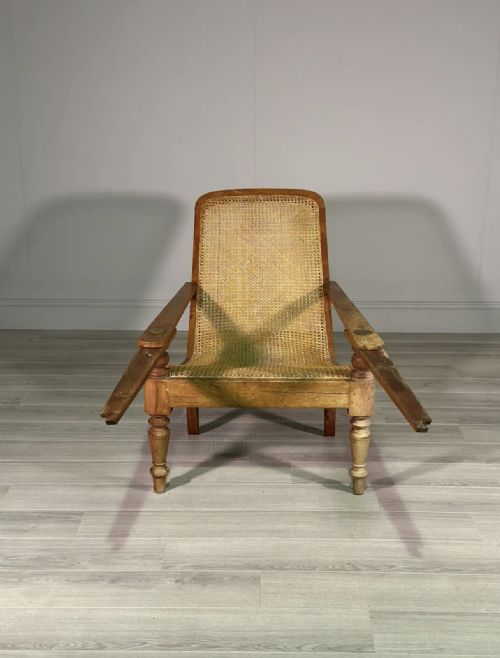
- A type of lounger featuring extended, flat arms designed for resting legs, commonly associated with colonial and Anglo-Indian contexts.
- Steamer deck chair
- A folding wooden chair with an adjustable back and footrest, originally utilised on ocean liners and verandas.
- Campaign style
- Furniture constructed to be easily dismantled and transported, often featuring brass corners and folding frames.
Antique Reclining Lounger: Frequently Asked Questions
How do reclining mechanisms work on these chairs?
Many early reclining loungers utilise adjustable wooden ratchets or pivoting backrests that lock into specific notches on the arms or frame. Others rely on folding hinges that allow the entire structure to tilt or collapse flat.
These systems require manual adjustment before seating, offering multiple angles for sitting up or lying back.
What is the difference between a plantation chair and a steamer chair?
Plantation chairs typically feature fixed wooden frames with wide, flat arms designed for resting legs, often originating from colonial environments. They emphasise heavy hardwoods like teak and rosewood.
Steamer chairs are usually lighter folding chairs made from walnut or teak with integrated footrests, originally designed for portability on ships and decks.
Can these loungers be used outdoors?
While wicker, cane, bamboo and certain teak loungers were historically designed for gardens, verandas or deck use, antique pieces require careful protection from moisture and changing temperatures. Modern placement typically suits indoor or sheltered conservatory settings to preserve the aged wood and natural weaves.
Exposing fragile nineteenth-century leather, fabric or dried plant fibres to damp conditions can cause degradation.
How do I identify a Victorian reclining chair?
Victorian loungers frequently display carved mahogany or walnut frames, deep buttoned leather upholstery, and robust mechanical adjustments for library or drawing room use. They often carry the substantial weight characteristic of mid to late nineteenth-century cabinet making.
Stylistic cues include turned legs, scroll arms, and patent reclining mechanisms associated with that era.