

Antique Reading Table Lamp
An antique reading table lamp brings focused illumination and period character to a desk or side table, spanning styles from Victorian brass columns to Art Deco designs.
Antique Reading Table Lamp
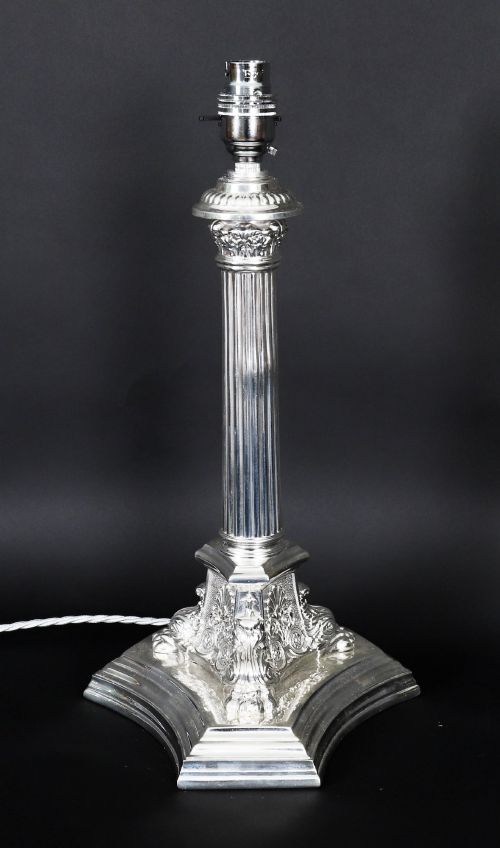
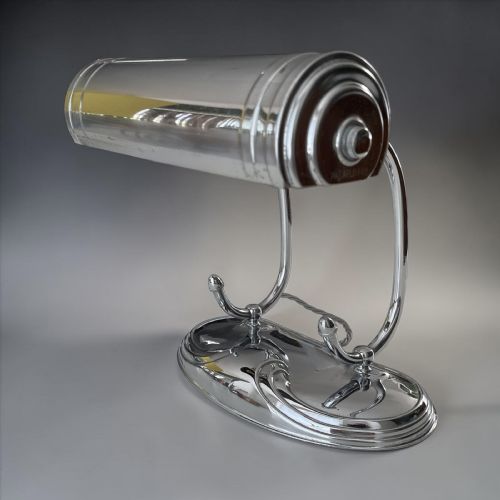
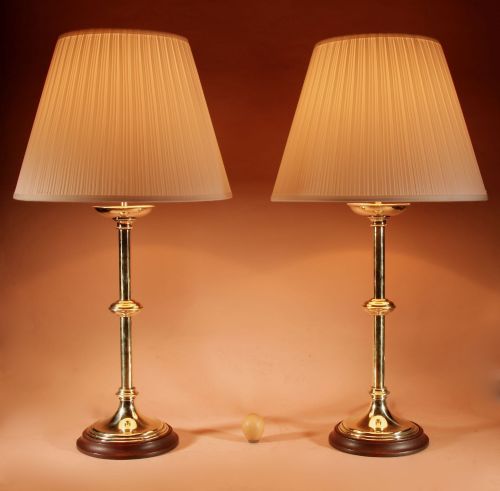
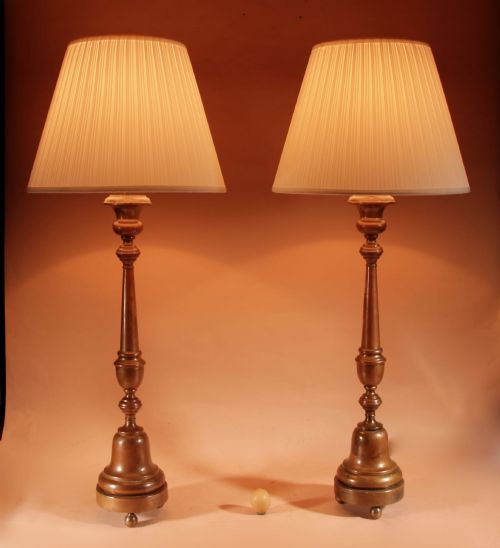
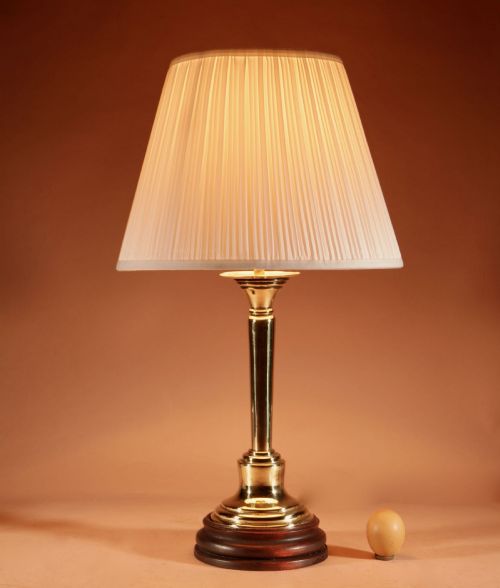
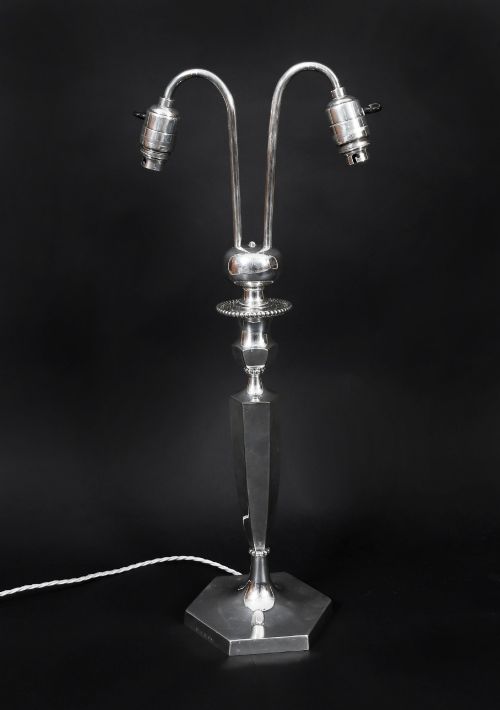
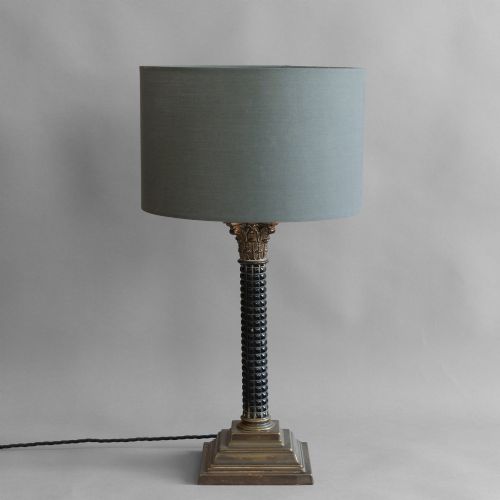
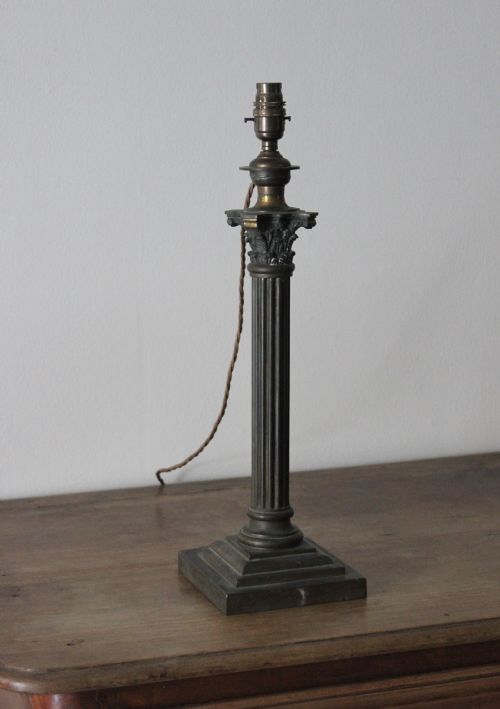
When searching for an antique reading table lamp, buyers encounter pieces primarily from the nineteenth century, Edwardian era, and the nineteen-twenties and thirties. The forms range from classical silver-plated Corinthian columns and brass desk lamps to Arts and Crafts designs and streamlined Art Deco creations.
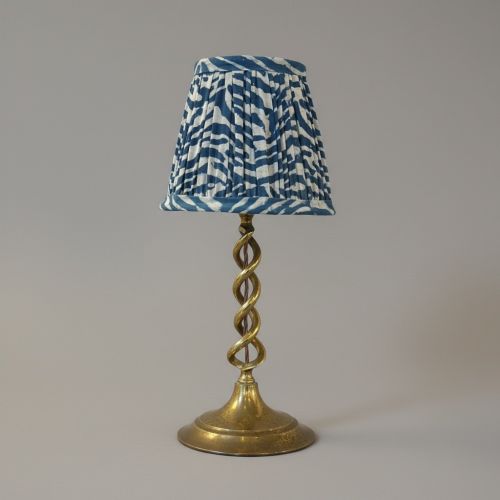
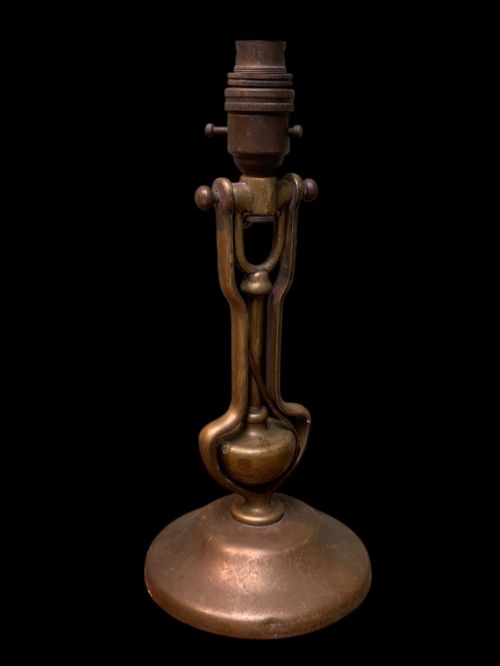
Most examples originate from the Victorian and Edwardian periods, frequently executed in brass or silver plate, often adapted from earlier lighting forms or constructed specifically for task illumination. These lamps frequently integrate adjustable arms, heavy cast bases, or weighted ship gimbals to direct light precisely where required for reading.
How they were made
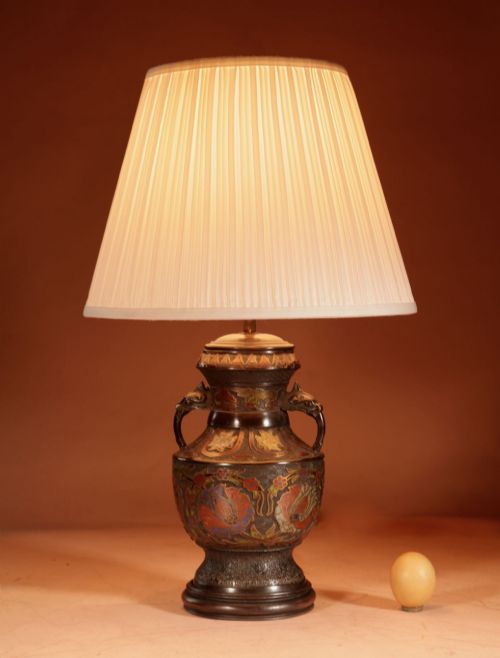
The materials recorded in these pieces rely heavily on cast and spun brass, patinated bronze, silver plate over copper, and occasionally oak, walnut, or porcelain. Metal components were turned on lathes, cast in sand moulds, and hand-finished with champlevé enamel, or patinated to achieve deep surface tones.
Makers utilised electrical wiring housed discreetly within columns or stems, though many earlier versions began life as oil lamps or candle lamps before later conversion to electricity. Structural integrity depends on threaded brass rods securing heavy weighted bases to ensure stability when fitted with fabric shades.
Antique Reading Table Lamp Retail Price Guide 2026
Typical asking prices for reading table lamp among the pieces listed under this phrase on Sellingantiques today, from the lower quarter to the upper quarter. They describe what is for sale here now, not the wider market.
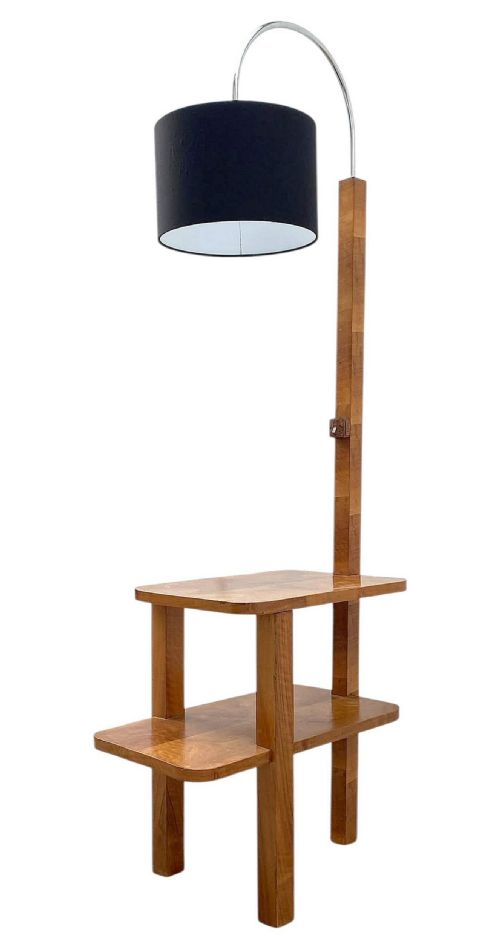
The inventory spans the Victorian and Edwardian eras through to the Art Deco period, incorporating desk lamps, floor lamps, and reading lights.
What varies in quality
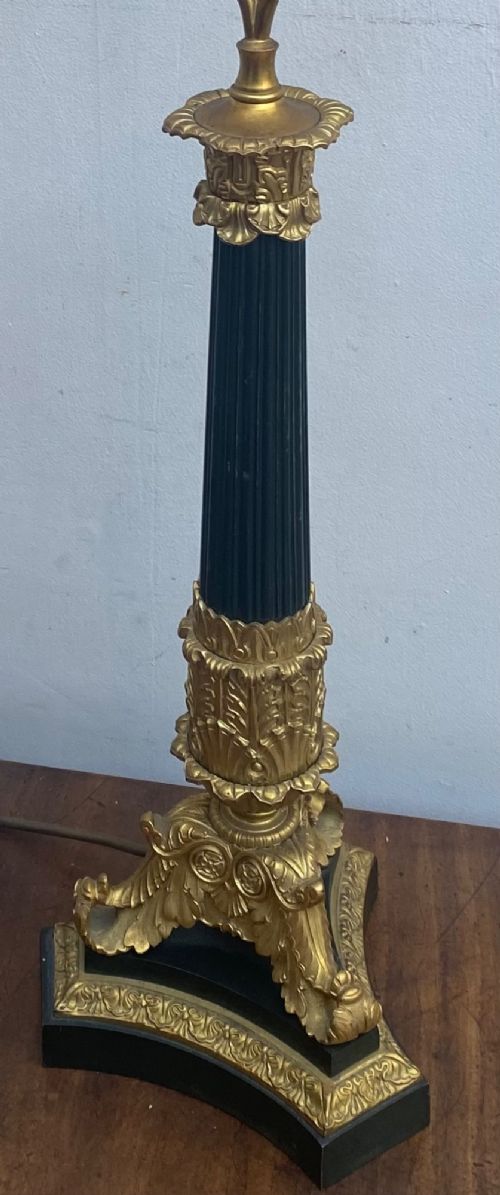
Quality in an antique reading table lamp rests on the weight of the casting and the crispness of decorative details such as fluted columns, acanthus leaves, or geometric Art Deco planes. Heavy gauge brass and substantial silver plating distinguish superior workshop output from lighter commercial production.
The integrity of mechanical joints, such as adjustable twin arms or gimbal mounts, dictates the durability and usability of the piece. Well-preserved original surface patination and maker stamps add considerable distinction to the surviving work.
Walker & Hall·Elkington·W.A.S. Benson·Eileen Grey
The Antique Reading Table Lamp Glossary
- Corinthian column
- A classical architectural column form featuring ornate acanthus leaf capitals, frequently utilised for tall Victorian and Edwardian metal table lamps.
- Silver plate
- A thin layer of silver fused to a base metal such as copper or brass, common in high-end nineteenth-century lighting.
- Gimbal
- A pivoting ring mounting that allows a lamp to remain level on a surface despite movement, often found on marine or ship reading lamps.
- Champlevé
- An enamelling technique where troughs are carved into a metal surface and filled with vitreous enamel before firing.
- Bakelite
- An early synthetic thermosetting plastic frequently employed for switches, bases, and body components on Art Deco desk lamps.
Antique Reading Table Lamp: Frequently Asked Questions
How do I choose the right height?
Consider the surface where the lamp will sit and the height of surrounding furniture to ensure the light source sits comfortably above eye level for reading.
Larger Corinthian column lamps suit wide desks, while compact brass or Art Deco desk lamps fit restricted spaces.
Were these lamps originally electric?
Many surviving examples began as oil lamps, gas fixtures, or candlestick holders before receiving professional conversion to electricity during the twentieth century.
Rewired specimens retain their antique metalwork while meeting modern safety standards for domestic use.
How do I distinguish Victorian from Art Deco?
Victorian lamps favour classical revival motifs like Corinthian columns, heavy brass castings, and ornate ornamentation.
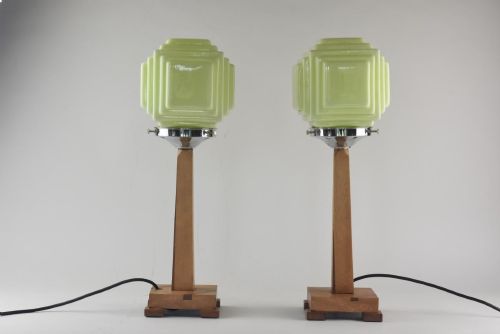
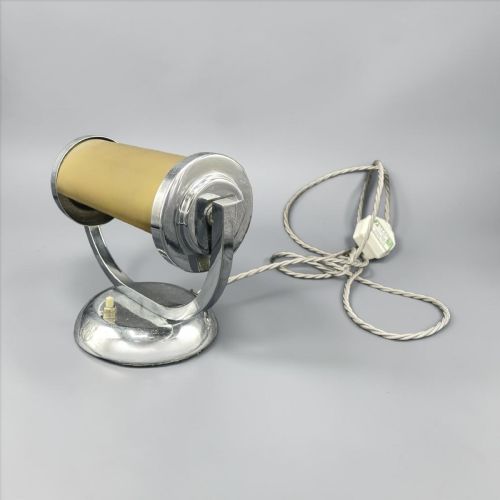
Art Deco pieces embrace streamlined geometric planes, Bakelite components, and simplified forms originating from the nineteen-twenties and thirties.
Can I use modern bulbs?
Most antique lamps accept standard modern bayonet or screw bulbs provided the internal lampholder matches contemporary fittings.
Low-heat LED bulbs protect fragile historic components like old fabric shades or delicate wiring.