
Antique Reading Light Table
An antique reading light table provides targeted illumination and surface space, bringing period craftsmanship directly to your study or desk.
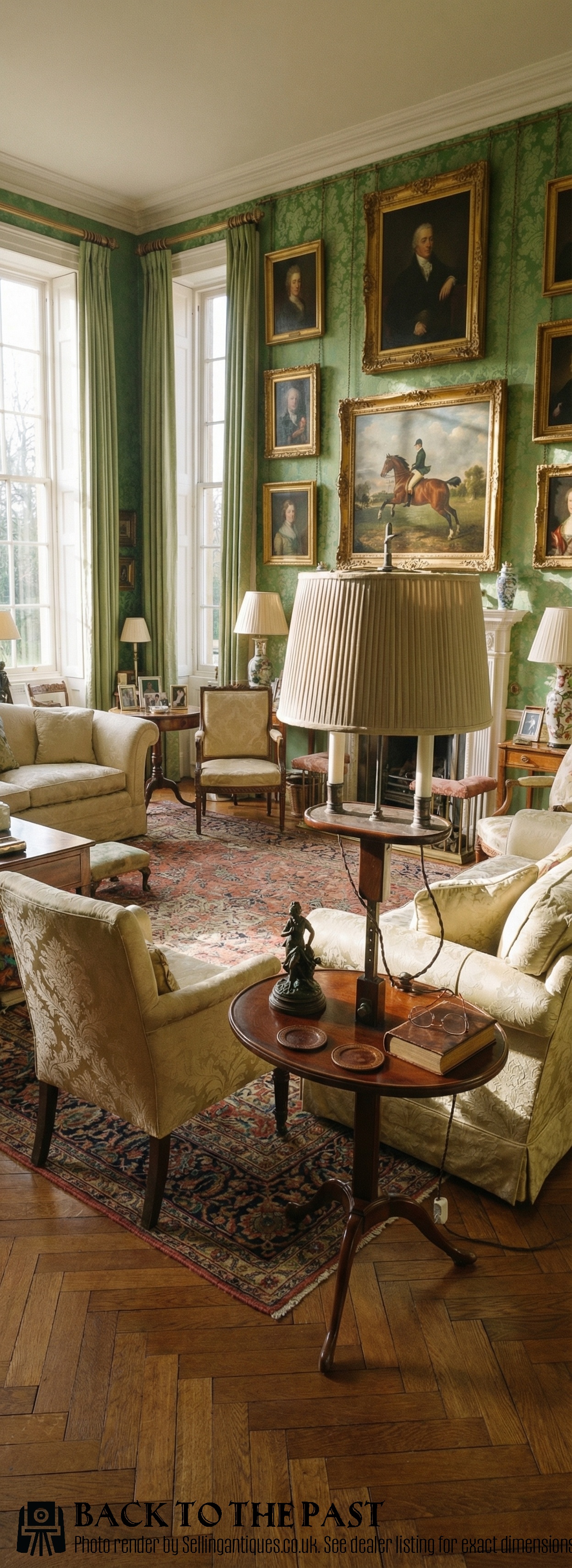
Antique Reading Light Table
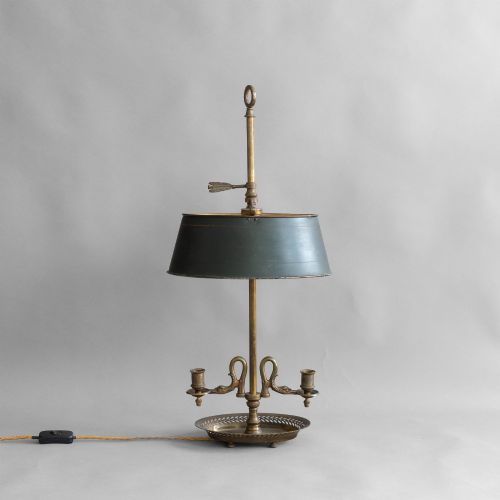
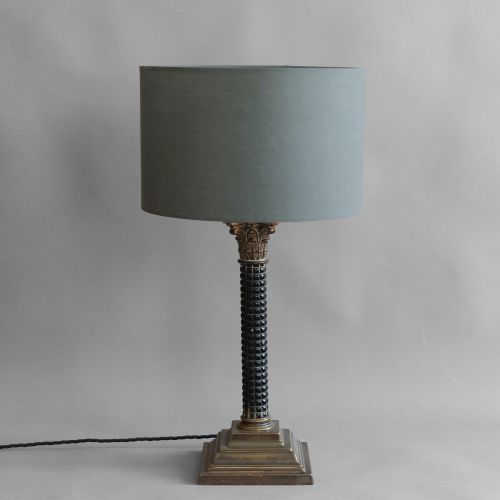
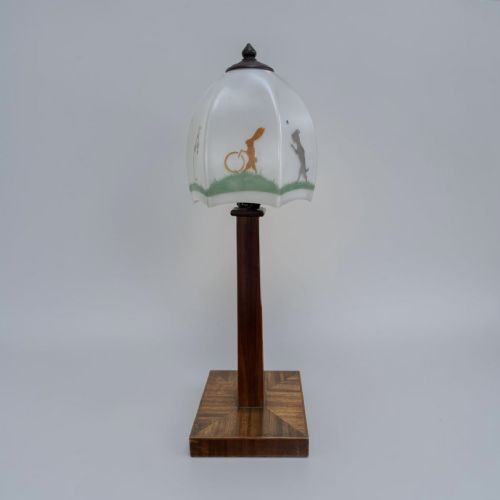
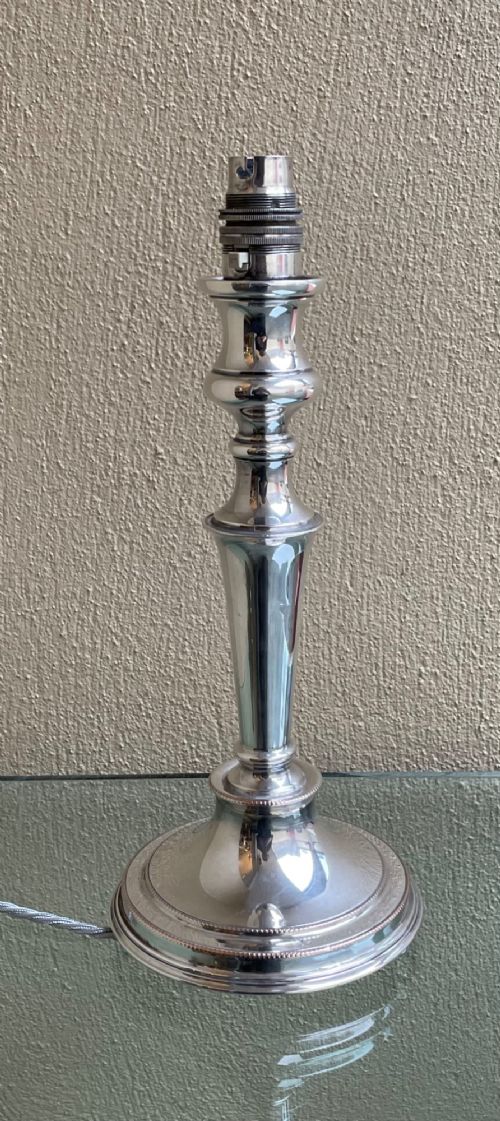
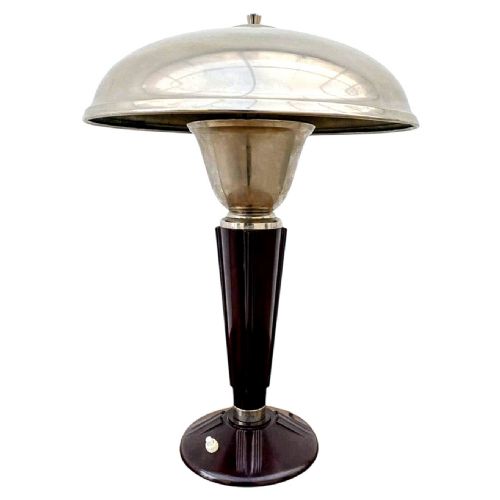
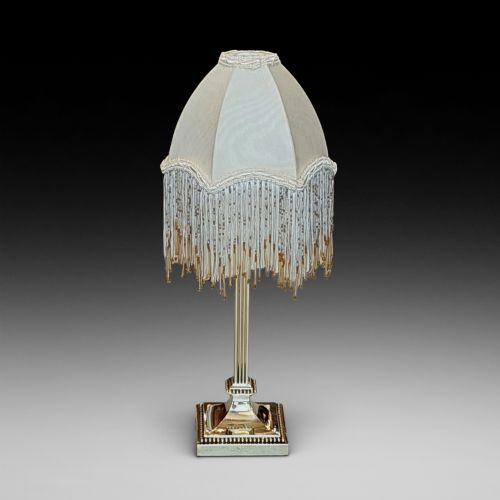
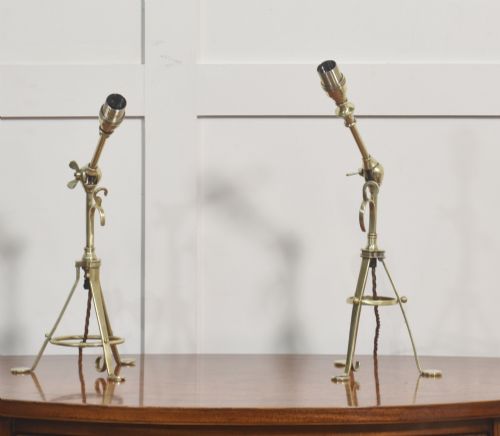
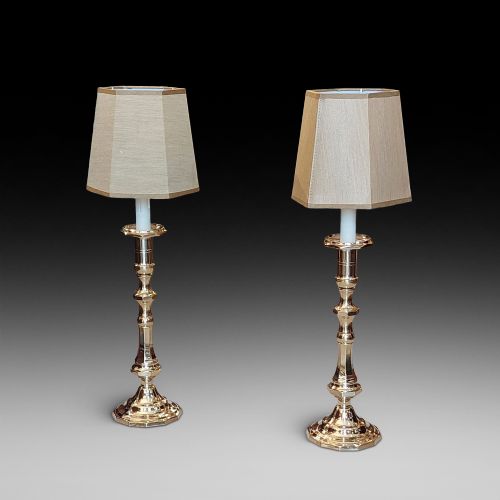
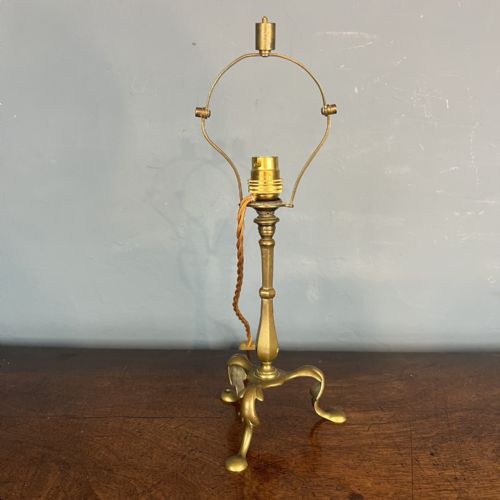
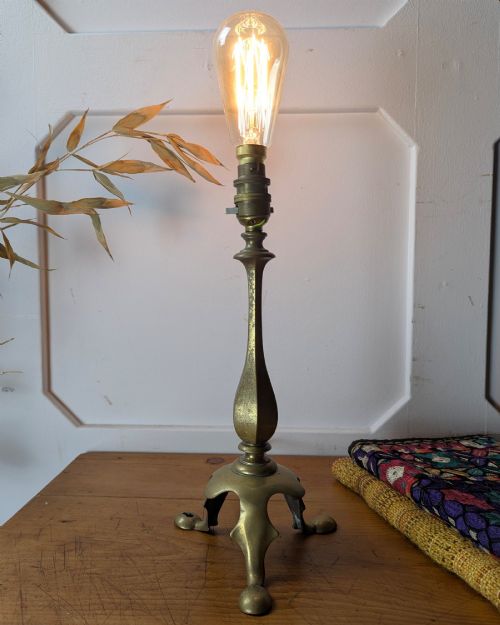
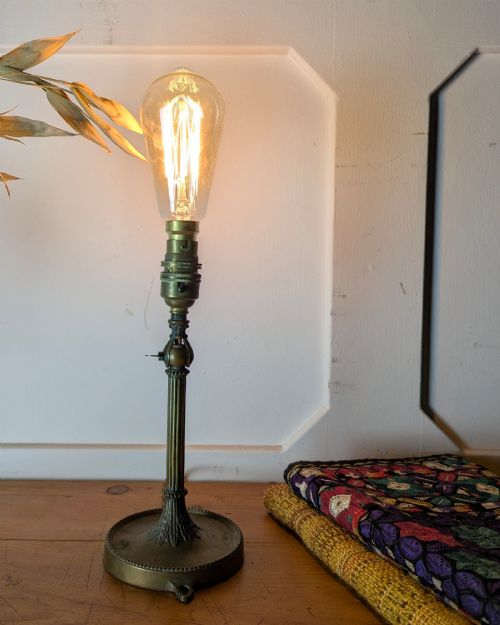
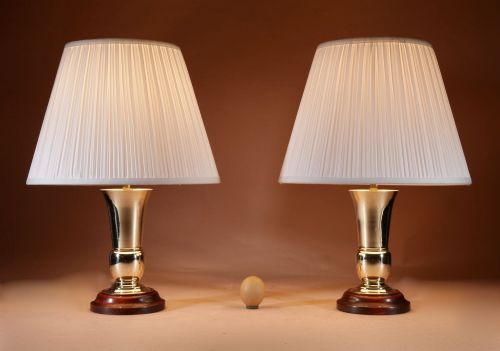
When you search for an antique reading light table, you encounter a specialised form designed to hold a lamp alongside a functional surface. The pieces on this page draw from Victorian, Edwardian, and Art Deco periods, encompassing various table lamps, desk lamps, and standard lamp bases with integrated tables.
Materials span polished brass, silver plate, gilt bronze, and wood, often paired with fabric or glass shades. Originating from workshops in Britain and France, these items reflect the lighting needs of the late nineteenth and early twentieth centuries.
Construction and materials
Metalworking dominates the construction of these pieces, with heavy use of cast brass, silver plate, and gilt bronze for structural columns, bases, and adjustable arms. Wood serves primarily for the integrated table components, while glass and fabric complete the shades.
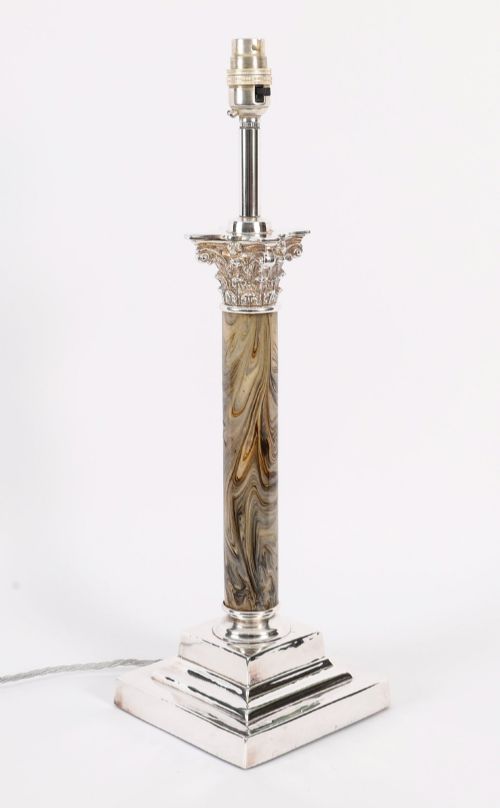
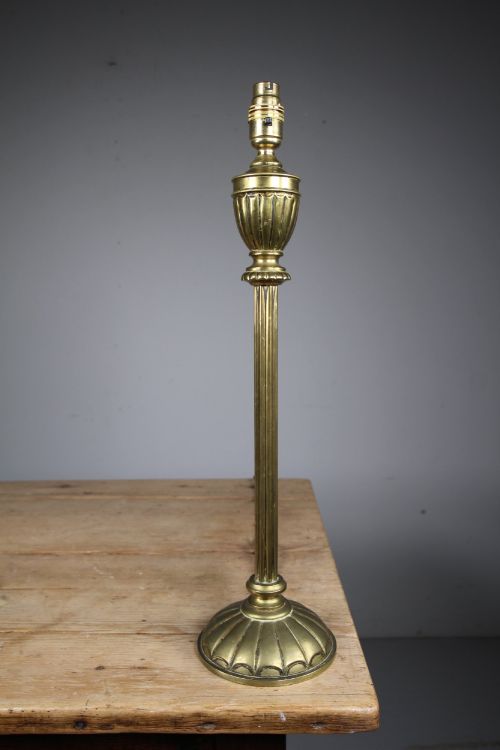
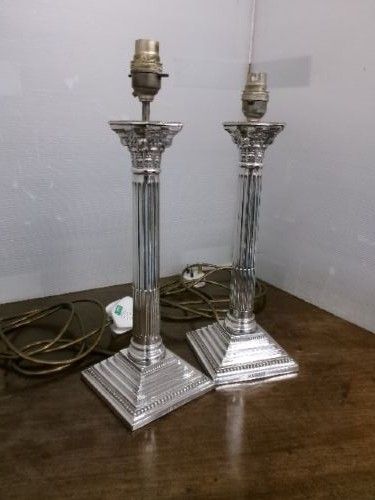
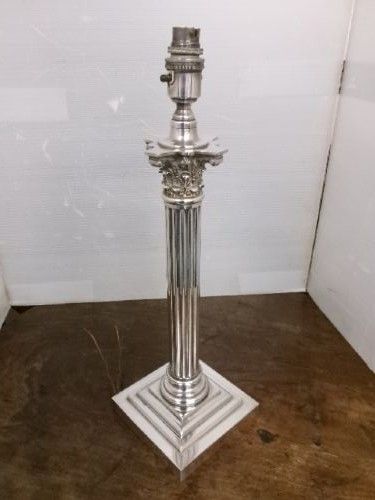
Makers utilised casting, reeding, and plating techniques to achieve classical revival motifs such as Corinthian columns, alongside cleaner geometric lines seen in later Arts and Crafts and Art Deco designs.
Listings feature items spanning the nineteenth century, Edwardian era, and Art Deco period, constructed primarily from brass, bronze, and wood.
Judging quality and finish
Quality rests upon the weight and precision of the cast metal components and the integrity of the plating or patination. Superior examples display crisp architectural detailing on columns and capitals, alongside robust joints on adjustable reading arms.
The refinement of secondary materials, such as finely turned wooden bases or well-fitted glass elements, separates standard production items from more ambitious workshops.
W.A.S. Benson·Eileen Grey
The Antique Reading Light Table Glossary
- Corinthian column
- A classical architectural column form featuring ornate acanthus leaf capitals, frequently adapted for Victorian and Edwardian lamp bases.
- Ormolu
- Gilded bronze, widely utilised in French decorative arts during the nineteenth century to impart a rich golden finish to lamp mounts.
- Pullman lamp
- A compact, often adjustable lighting fixture originally designed for restricted spaces on railway carriages and later adapted for domestic desks.
- Reflector
- A polished metal or mirrored surface positioned behind a candle or bulb to direct and intensify the output of illumination.
- Student lamp
- A nineteenth-century adjustable desk lamp featuring a vertical stem and a burner or bulb positioned for focused task work.
Antique Reading Light Table: Frequently Asked Questions
How do I date an antique reading light table?
Dating relies on stylistic clues, such as heavy Victorian Corinthian detailing versus the geometric simplicity of Art Deco pieces. Material choices and manufacturing marks also help narrow the decade of production.
Evidence from this page shows pieces spanning the nineteenth century through the nineteen-thirties, reflecting shifts in domestic interior design.
Are these tables suitable for modern reading use?
Many surviving desk lamps and standard lamp combinations function well for contemporary reading tasks, provided the electrical components meet current safety standards. Adjustable arms allow you to direct light precisely where needed.
Several examples record rewiring to ensure compatibility with modern household circuits.
What materials were commonly used?
Brass remains the predominant metal across these pieces, appearing alongside silver plate, gilt bronze, and patinated bronze. Wood provides the structural base for combined table formats.
Supplementary elements include glass shades, fabric covers, and occasional marble or onyx accents.
How do I distinguish between French and English styles?
French pieces often incorporate gilt bronze, ormolu, and Neoclassical or Empire revival motifs, reflecting continental tastes. English production frequently favours solid brass Corinthian columns and Arts and Crafts simplicity.
Both traditions appear regularly within this category.