


Antique Reading Glass
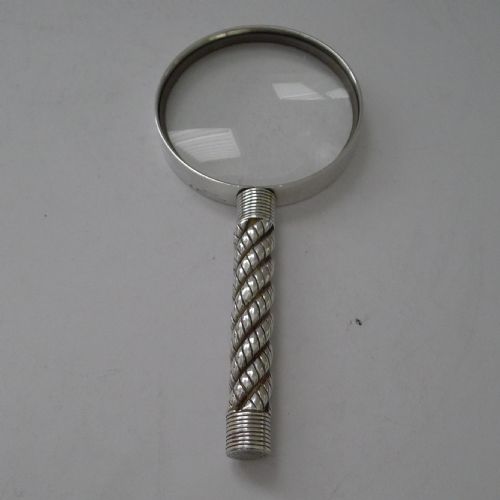
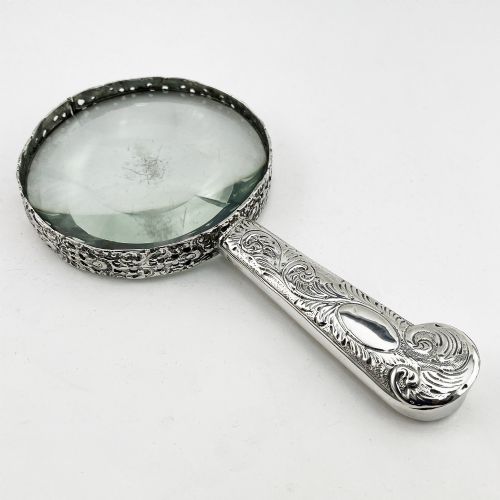
These antique reading glass pieces are optical aids and desk accessories that bring period craftsmanship to your study.
The Nature of Antique Reading Glass
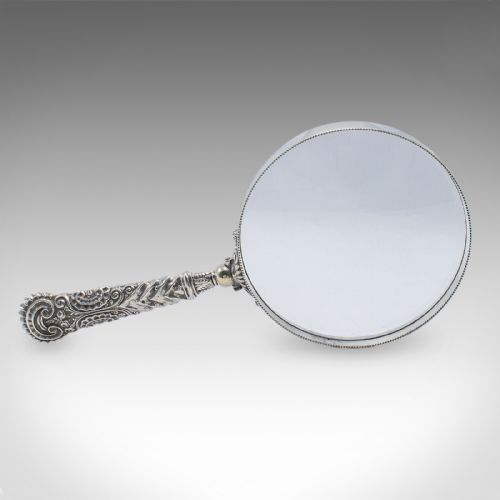
An antique reading glass serves as both a practical optical aid and a refined desk accessory. When you search for an antique reading glass, you are looking at items designed for the library, study or writing table.
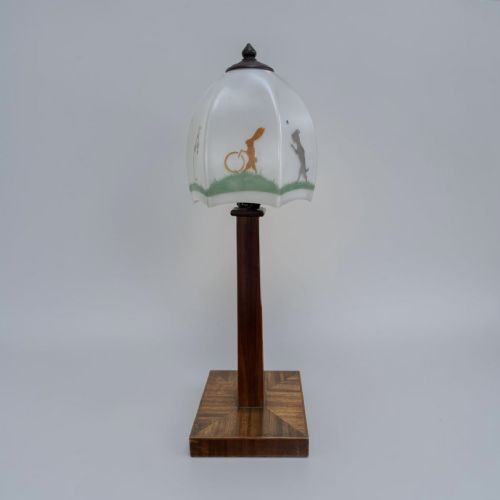
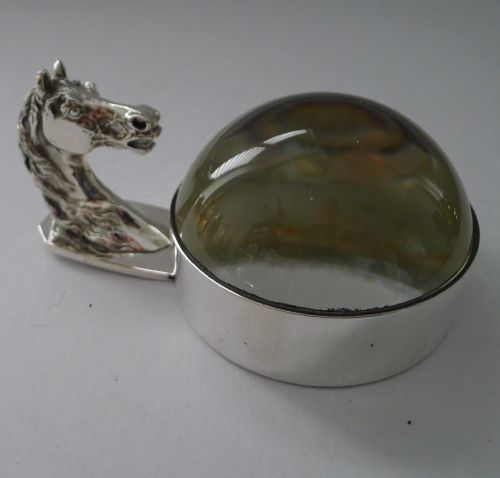
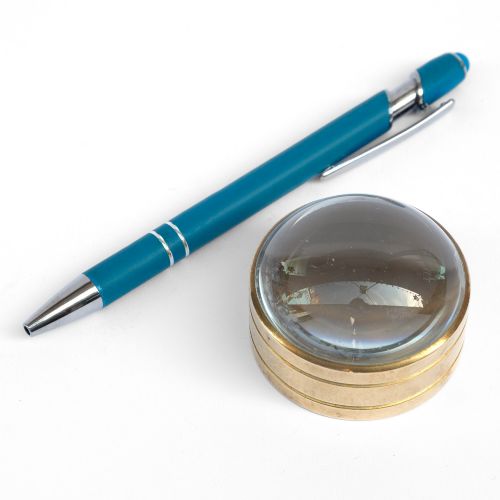
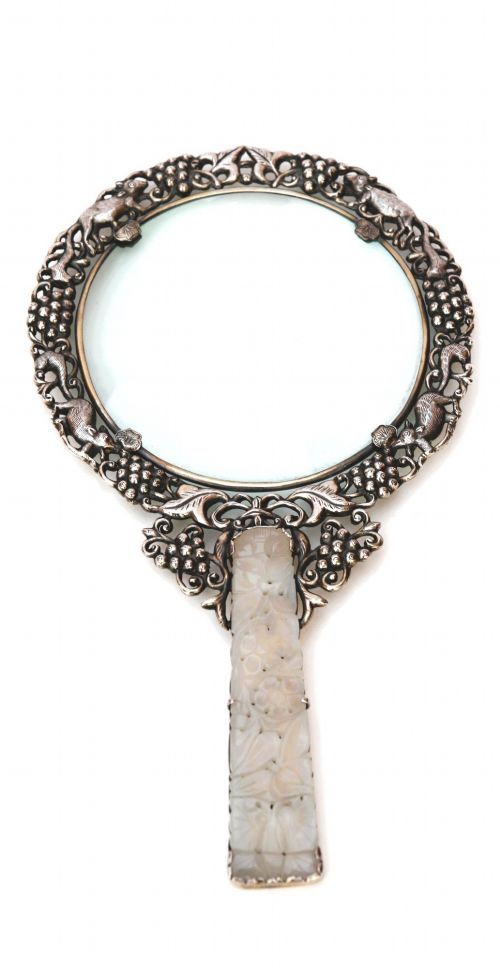
The pieces on this page span several distinct periods including the Victorian era, the Edwardian period, and the early twentieth century. You will encounter forms ranging from hand-held magnifiers to heavy desk items that double as paperweights.
Materials and styles vary across the inventory, drawing on English craftsmanship from the nineteenth and early twentieth centuries. These objects reflect the writing habits and reading practices of earlier generations.
Materials and Construction
Makers utilised a combination of optical glass and durable metals such as brass, silver plate, and sterling silver. Handles were frequently fashioned from dense timbers like ebony and rosewood, offering a solid grip.
Metal components were cast, polished, or plated, while wooden handles were turned and fitted securely to the mountings. The integration of glass with metal and wood demonstrates traditional assembly methods of the period.
Retail Price Guide 2026
Typical UK retail prices for reading glass, calculated from the Sellingantiques database of over a million retail prices indexed since 2003. This retail price guide relies exclusively on Sellingantiques data; no external sources or auction records are used, so the figures do not describe the wider market.
The listings on this site combine glass and metal with traditional timbers like rosewood and ebony across Victorian and Edwardian periods.
Distinctions in Quality
Quality in these pieces rests upon the clarity and weight of the glass lens alongside the integrity of its mount. Higher grade examples feature heavier precious metal or dense hardwood handles that maintain balance in the hand.
The refinement of the metalwork and the precision of the fit between the lens frame and the handle separate standard library aids from finer bespoke items. Maker involvement, where identifiable, also influences the character of the piece.
P H Vogel & Co.
The Antique Reading Glass Glossary
- Sterling silver
- A silver alloy containing 92.5 percent pure silver by mass, frequently used for the handles and mounts of Edwardian magnifiers.
- Silver plate
- A thin layer of silver applied to a base metal core, common in Victorian library aids and desk accessories.
- Rosewood
- A heavy, dense tropical timber with a dark grain, utilised for hand-held magnifier handles in the nineteenth century.
- Paperweight
- A heavy decorative object placed on loose papers to prevent them from blowing away, a dual function seen in large desk magnifiers.
- Library aid
- A functional nineteenth-century desk accessory designed to assist with reading small print or examining fine details.
Frequently Asked Questions
How do I date an antique reading glass?
Dating relies on the style of the mounting, the materials used, and any hallmarks present on the silver components.
Specific periods such as the Victorian or Edwardian eras exhibit distinct design characteristics in their handles and frames.
Were these used at a desk?
Many examples served as library aids or desk accessories for examining small text and fine prints.
Larger versions also functioned as paperweights while remaining close at hand for daily reading.
What woods were used for handles?
Turned hardwoods such as ebony and rosewood provided durability and a comfortable grip for daily use.
These timbers appear frequently on nineteenth-century specimens.
How do I care for a silver handle?
Sterling silver and silver plate require gentle cleaning with a soft cloth to preserve the finish.
Avoid harsh abrasives that might damage the metal or scratch the glass lens.