

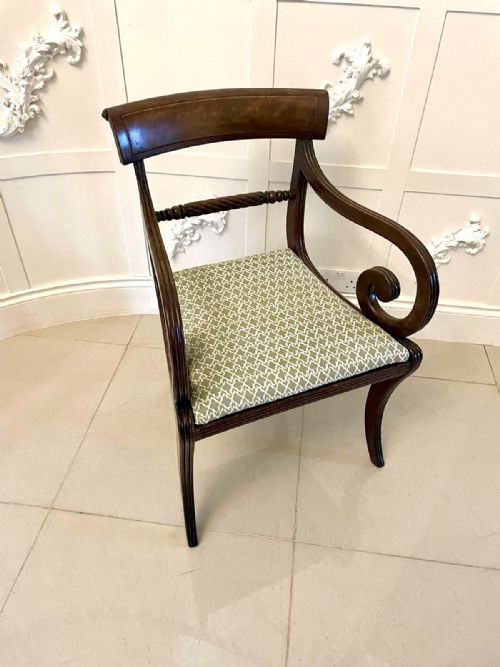
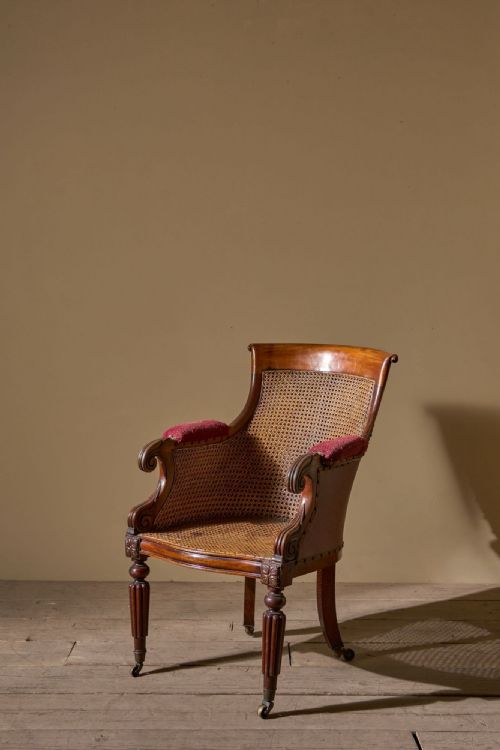
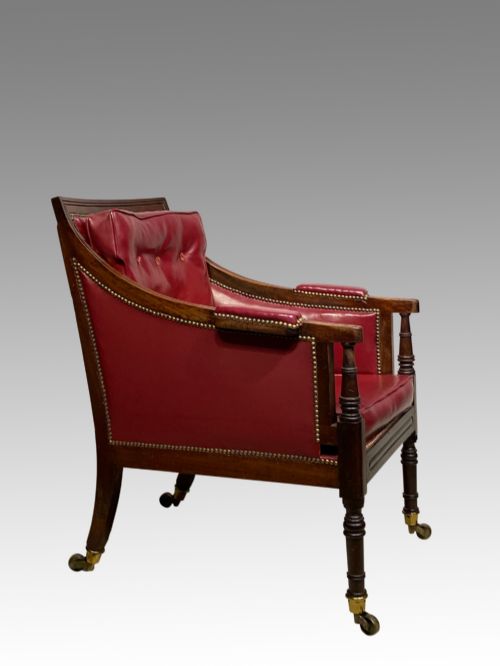
Antique Reading Desk Chair
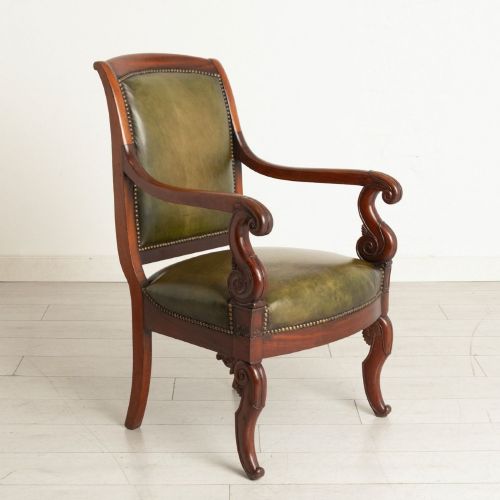
An antique reading desk chair brings heavy mahogany, supple leather, and quiet utility to a private study.
Antique Reading Desk Chair
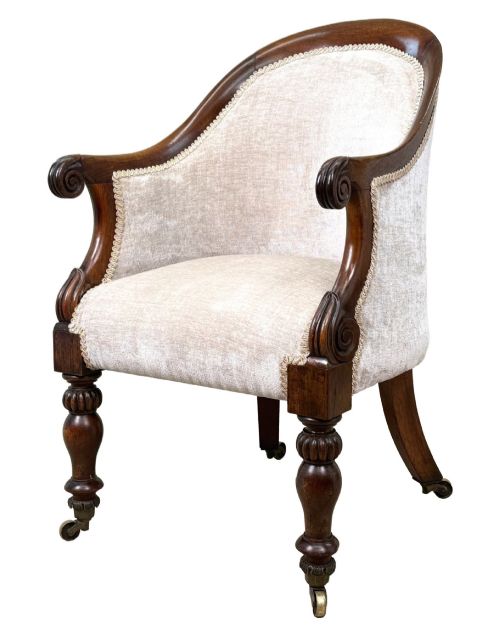
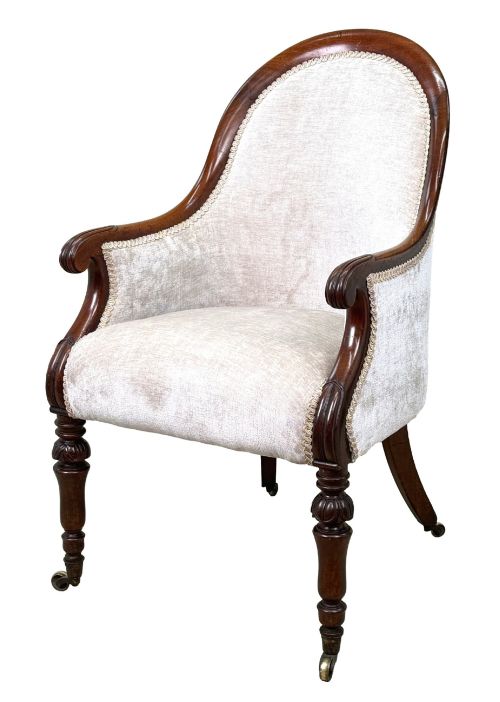
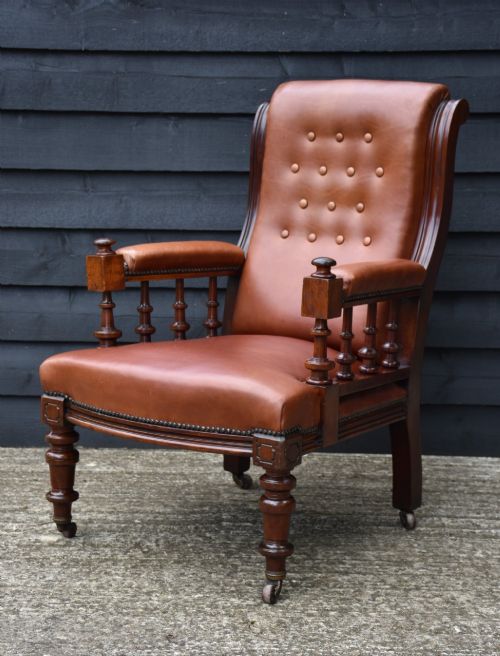
When you search for an antique reading desk chair, you enter a domain of sturdy library armchairs, upholstered tub seats, and cane-backed variants designed for long hours of study. These pieces span the Georgian, Regency, Victorian, and Edwardian periods, crossing into early twentieth-century revivals.
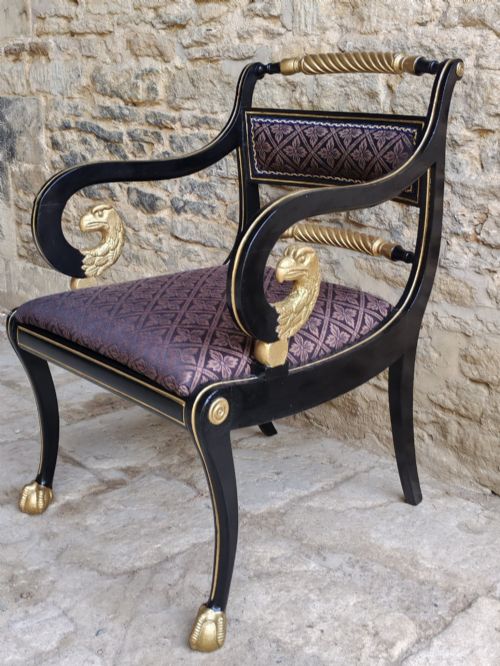
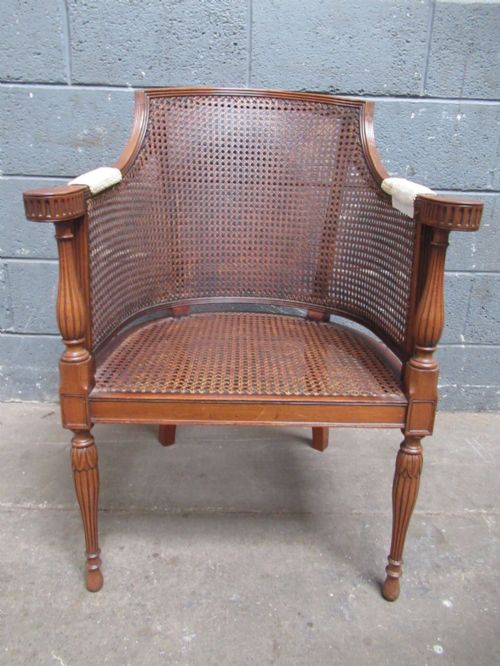
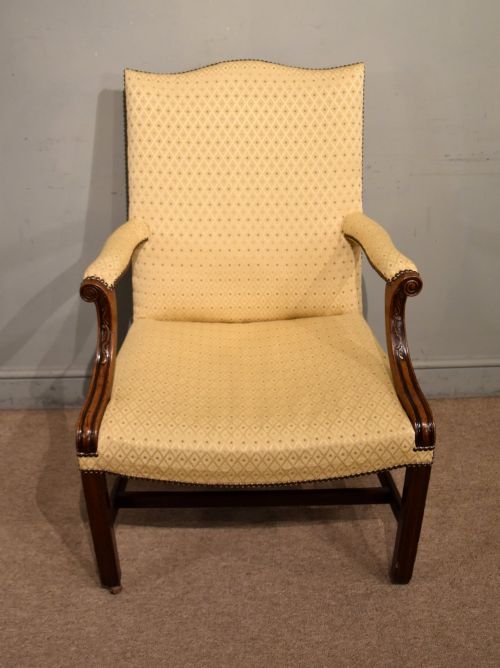
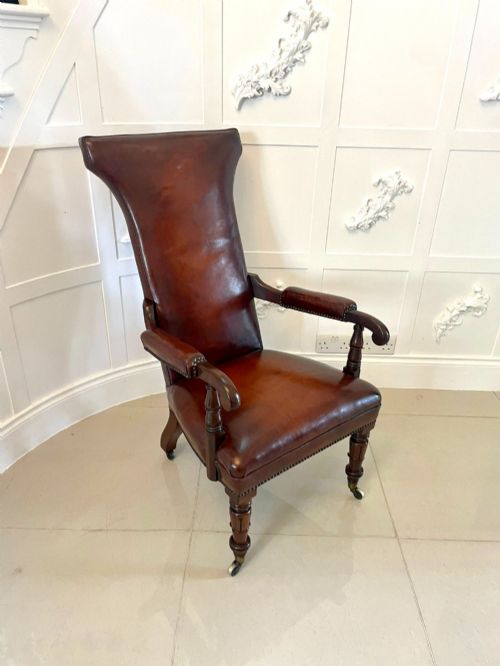
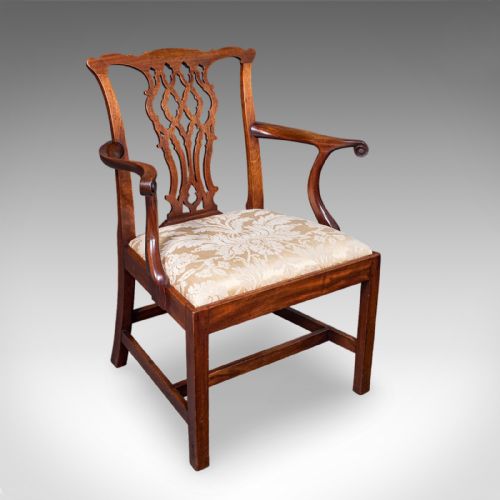
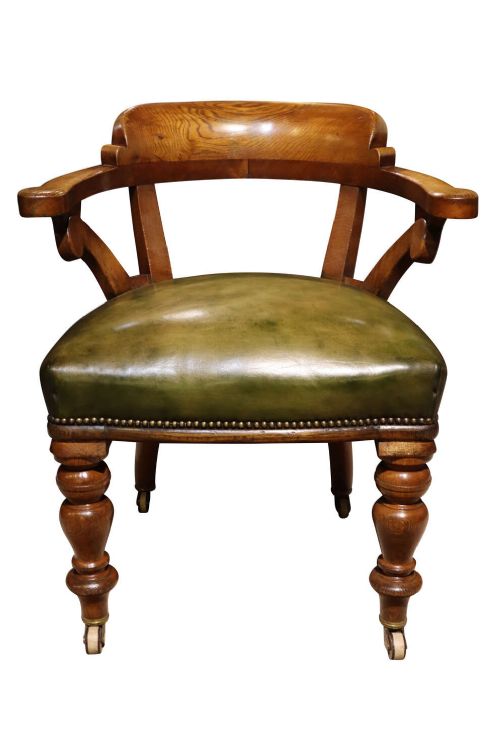
You are most likely to meet mahogany frames fitted with leather hides, alongside walnut, oak, and elm constructions. The forms range from open armchairs and Gainsborough chairs to elbow seats and specialised reading chairs outfitted with integrated stands.
Origins remain firmly rooted in English cabinet-making traditions, moving from eighteenth-century workshops through nineteenth-century country houses and commercial establishments. Each iteration serves the dual purpose of desk work and comfortable seating for bound volumes.
Judging quality
The distinction between standard examples and top-tier pieces rests on timber selection, carving depth, and the integrity of the original framing. Dense, highly figured mahogany and richly patinated leather command greater respect than plain, later timber replacements.
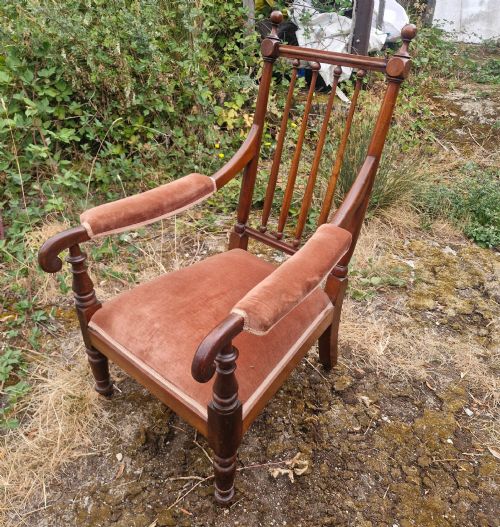
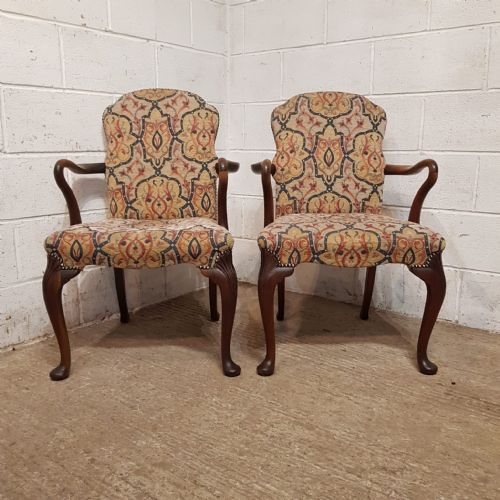
Listings feature mahogany, walnut, oak, and elm frames, paired with leather, cane, and velvet upholstery across multiple nineteenth-century periods.
C. Hindley & Sons
The Antique Reading Desk Chair Glossary
- Gainsborough chair
- A wide, upholstered armchair with open padded arms, originating in the mid-eighteenth century for domestic libraries and writing rooms.
- Bergère
- An enclosed upholstered armchair with a wooden frame where the sides and back are frequently filled with woven cane.
- Tub chair
- An armchair featuring a continuous curved back and arm rail forming a rounded enclosure, often set low for library use.
- Elbow chair
- A traditional term for an armchair, typically used to describe seating placed at a desk or around a dining table.
- Cane
- Woven rattan strips utilised for seat panels and backrests to provide flexible, breathable support.
Antique Reading Desk Chair: Frequently Asked Questions
How do I distinguish a genuine Georgian library chair from a later revival?
Examine the timber shrinkage, hand-cut joinery marks beneath the seat rails, and the natural wear patterns on the internal framing. Later revivals often display standardised machine-cut components and uniform secondary woods.
Inspect the leather upholstery method and the underside webbing to confirm whether materials align with eighteenth-century or nineteenth-century workshop practices.
What is the difference between a desk chair and a library reading chair?
Desk chairs typically prioritize mobility and upright posture, sometimes featuring swivel mechanisms or spider-web wooden backs suited for writing at a bureau. Library reading chairs focus on padded comfort, utilising enclosed tub shapes, upholstered leather, or attached book rests.
Both forms overlap frequently in antique inventories, as heavy mahogany elbow chairs served interchangeably in private studies and writing rooms.
How should I care for the leather upholstery on an antique chair?
Maintain antique leather by applying neutral animal fats or specialised conservation waxes sparingly to prevent the hide from drying and cracking. Avoid modern chemical cleaners that strip the historical hand-dyed finish.
Keep the chair away from direct heat sources and strong sunlight to preserve the suppleness of the leather and the original wood polish.
Did all antique reading chairs include book stands?
Specialised reading chairs featured built-in pivoting stands or adjustable arms designed to hold folios and newspapers. Many standard library and desk chairs omitted these mechanisms, functioning simply as comfortable upholstered seats for reading.
Chairs with integrated stands represent a distinct subset intended specifically for prolonged study without a separate table.