
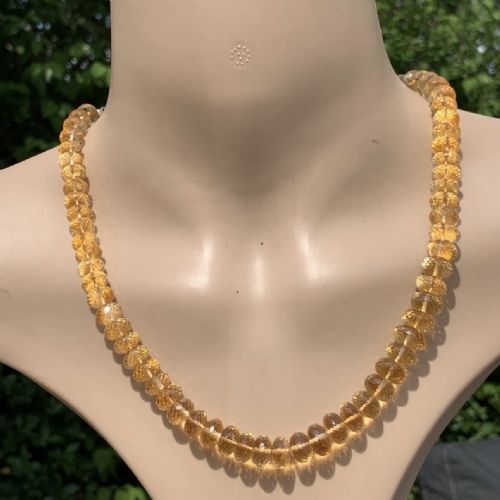


Antique Quartz Jewellery
Antique quartz jewellery spans clear rock crystal, golden citrine, purple amethyst, and pink rose quartz set across Victorian, Edwardian, and Art Deco designs.
Antique Quartz Jewellery
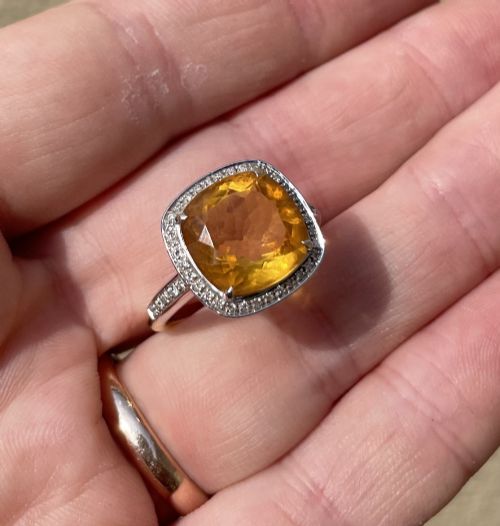
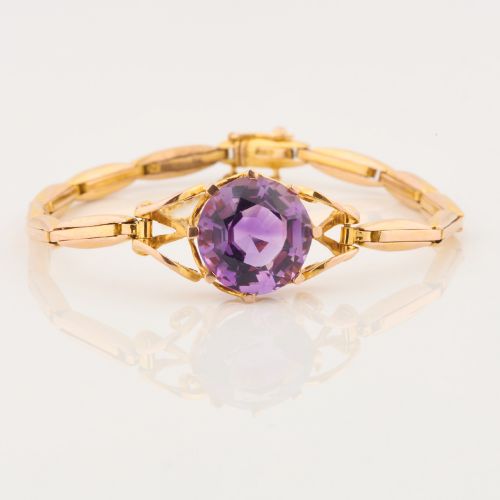
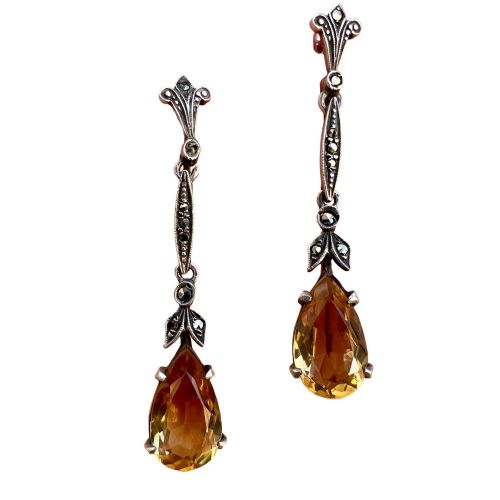
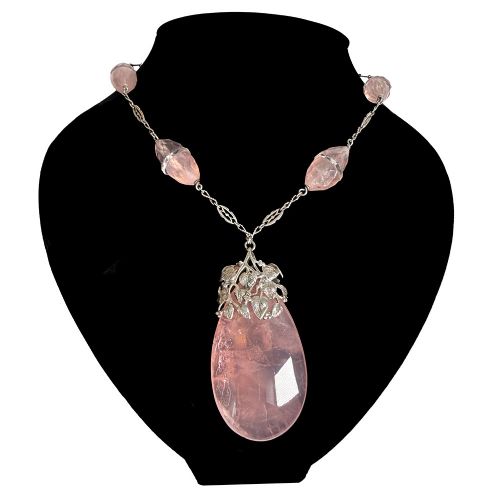
When you search for antique quartz jewellery, you encounter a diverse range of pieces featuring quartz varieties such as citrine, rock crystal, rose quartz, and amethyst. These gems appear in rings, pendants, earrings, necklaces, bracelets, and brooches spanning from the Victorian era through the Edwardian period and into the Art Deco style.
How they were made
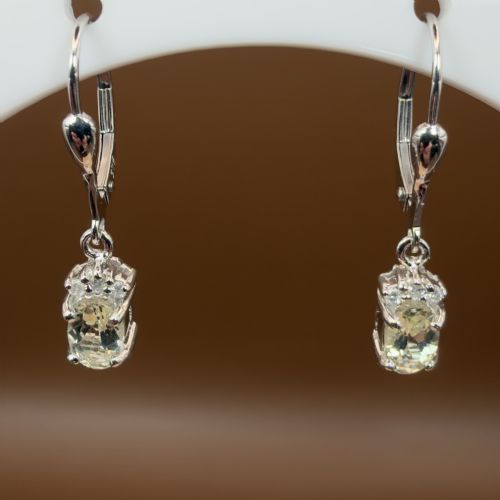
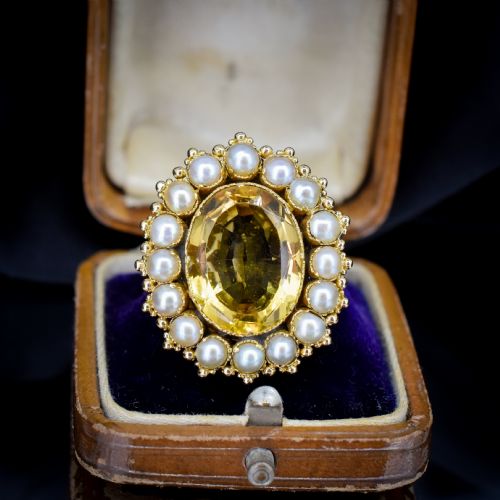
Makers set quartz stones into precious metals including 9ct gold, 15ct gold, 18ct gold, and silver. Techniques incorporate intricate metalwork such as halo clusters, intaglio cutting, and marcasite detailing.
Pieces frequently combine quartz with complementary materials like pearls, diamonds, paste stones, agate, and black onyx to enhance the visual impact of the central quartz crystal.
What varies in quality
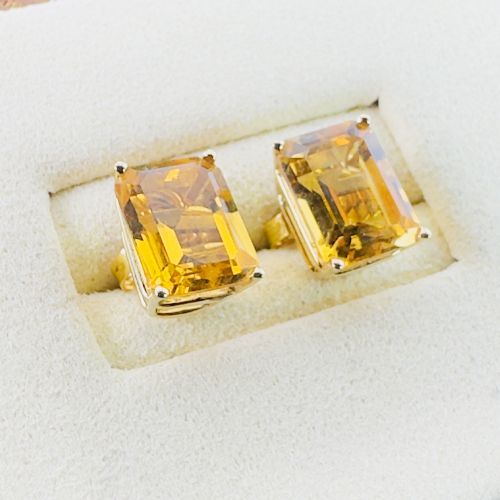
Quality in antique quartz jewellery rests upon the clarity and cut of the quartz crystal itself, alongside the sophistication of the metal setting. Pieces featuring emerald-cut citrines or clean rock crystal demonstrate distinct craftsmanship compared to simpler designs.
The provenance and attribution to known makers elevate a piece, as seen in Arts and Crafts works attributed to specific designers, reflecting superior workshop standards.
Amy Sandheim·George Hunt
The Antique Quartz Jewellery Glossary
- Citrine
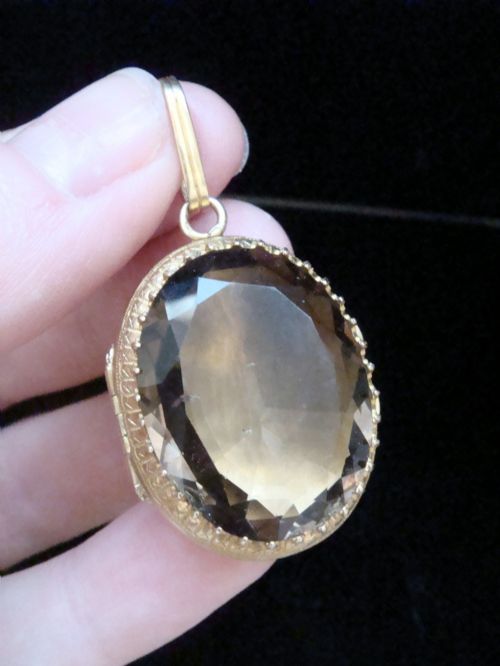
- A yellow to orange variety of quartz used extensively in Victorian and Art Deco rings and pendants. This transparent quartz provides warm golden tones to antique pieces.
- Rock Crystal
- Colourless transparent quartz favoured for clear beads, intaglios, and geometric Art Deco drops. It mimics diamond while offering a distinct glassy lustre.
- Intaglio
- A gem or seal carved into the surface so the design sits beneath the plane. This technique appears on rock crystal fob seals and pendants.
- Sautoir
- A long necklace, often featuring beads or pendants, popular during the Art Deco period. These pieces frequently incorporate silver, rose quartz, and rock crystal.
Antique Quartz Jewellery: Frequently Asked Questions
How do I style antique quartz jewellery?
Pair yellow gold citrine rings or silver rock crystal pendants with simple modern attire to let the historic metalwork and natural stone stand out without competition.
Mixing Victorian Scottish pieces with clean Art Deco drops creates a layered, textured look that highlights the varied eras of quartz jewellery.
Is rock crystal real quartz?
Rock crystal is indeed the completely colourless, transparent variety of pure quartz. Artisans historically carved it into clear beads, intaglios, and geometric components.
Victorian and Art Deco designers valued rock crystal for its luminous transparency and ability to reflect light similarly to diamond.
What is Victorian Scottish Revival jewellery?
This regional style draws inspiration from Scottish heritage, often incorporating silver, citrine, and agate into brooches, bracelets, and pins. The aesthetic reflects mid-nineteenth-century romanticism.
Makers utilised local stones alongside quartz varieties to create substantial pieces with distinct regional character.
How can I date an Art Deco quartz ring?
Art Deco pieces typically feature geometric lines, emerald-cut stones like citrine, and white gold or platinum settings. The design focuses on symmetry and clean architectural forms.
Examining the cut of the quartz and the construction of the metal band helps distinguish these 1920s examples from earlier Victorian work.