
Antique Provincial Storage
These pieces of antique provincial storage offer honest utility and regional character, grounding a room with solid timbers and time-worn drawers.
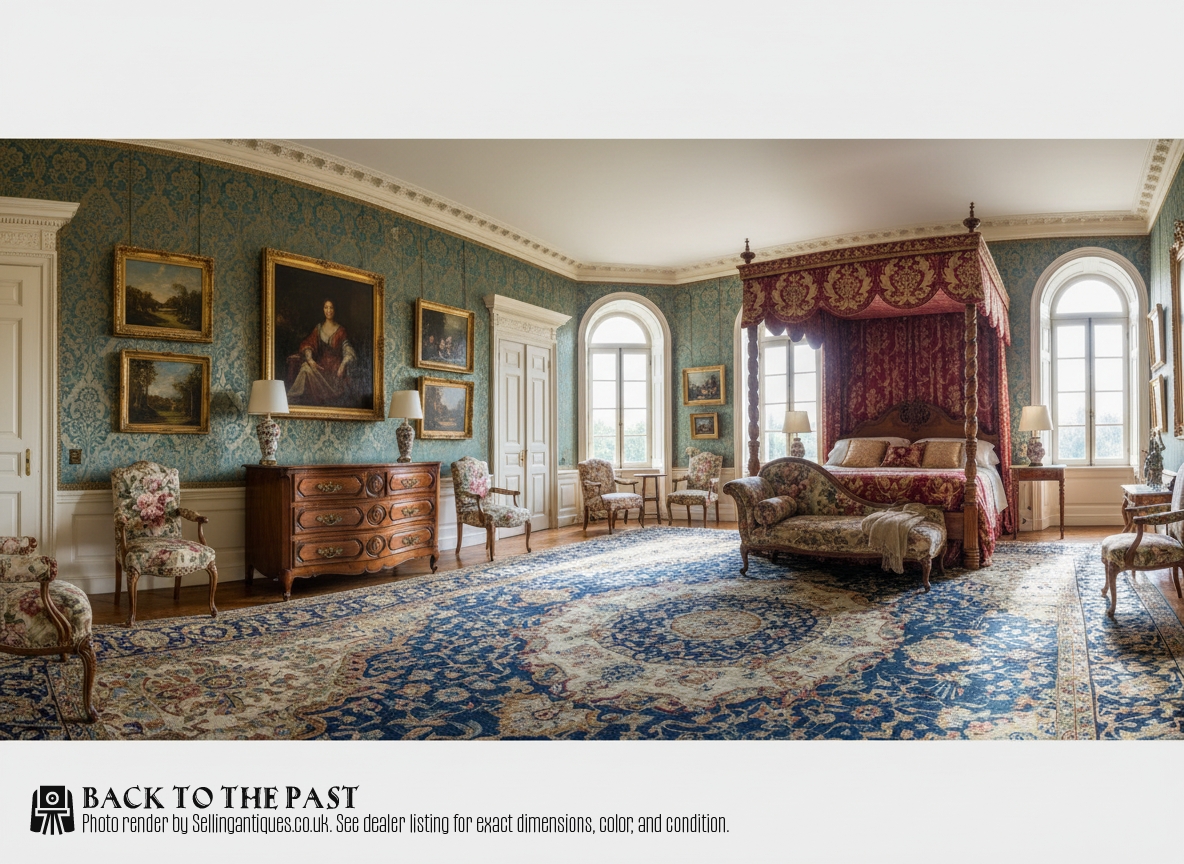
Antique Provincial Storage
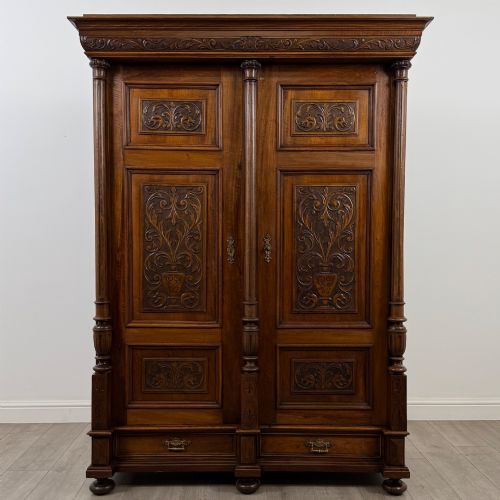
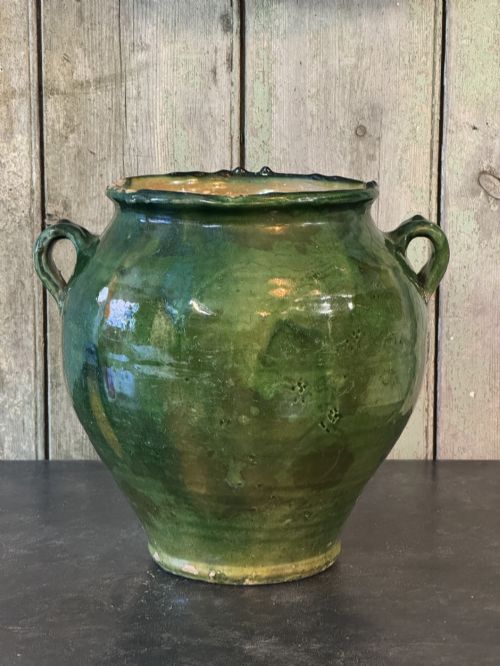
When you search for antique provincial storage, you encounter practical furniture built outside major metropolitan workshops to serve rural homes and provincial houses. The selection relies heavily on regional European pieces, predominantly French, alongside Swedish, Italian, and English examples designed for domestic organisation.
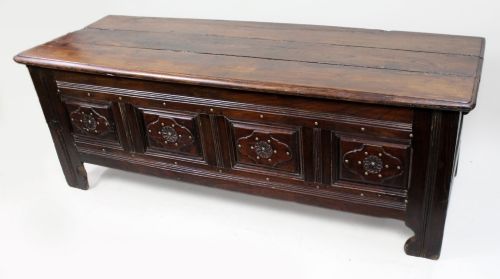
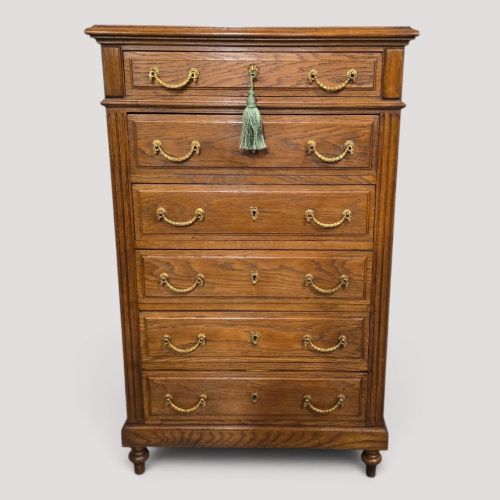
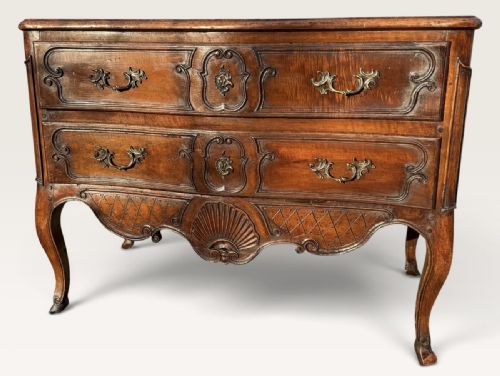
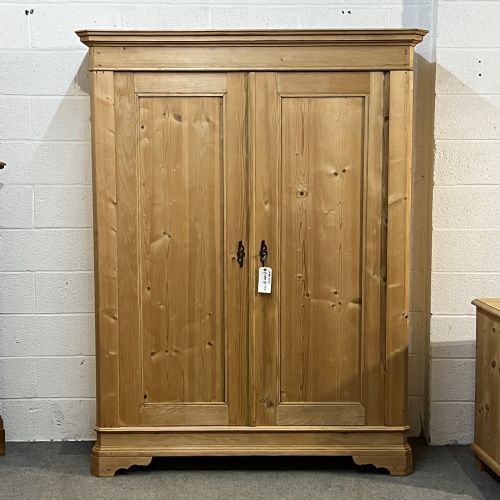
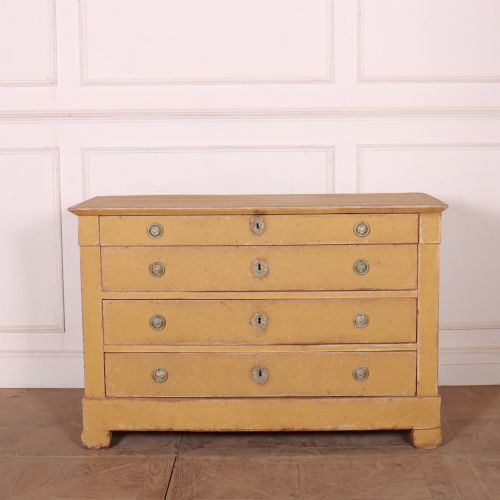
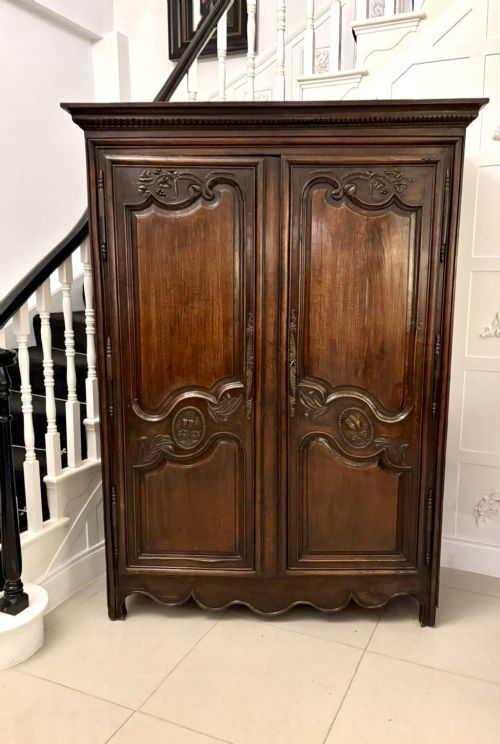
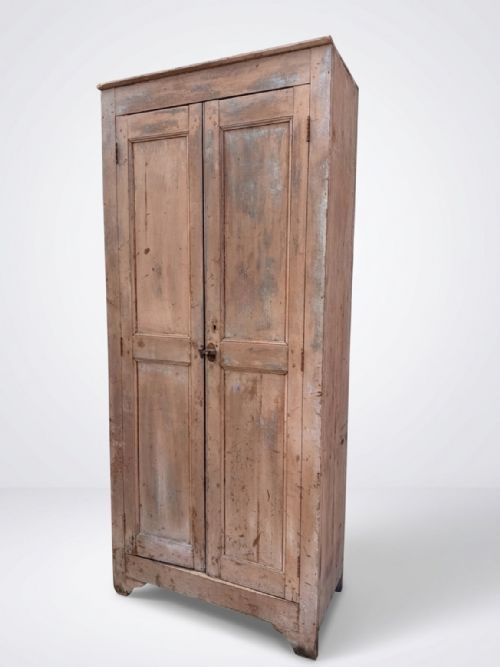
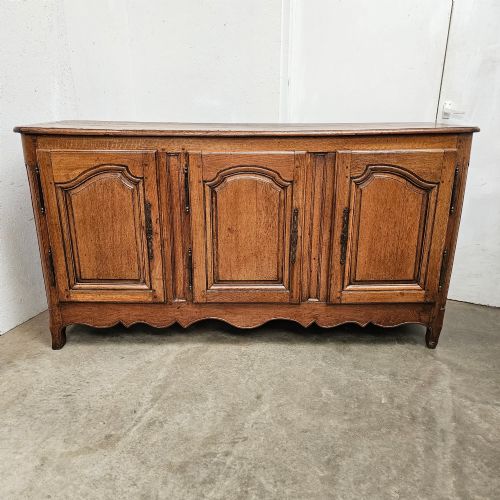
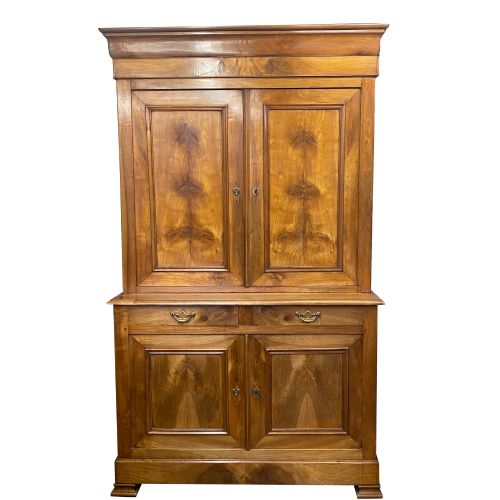
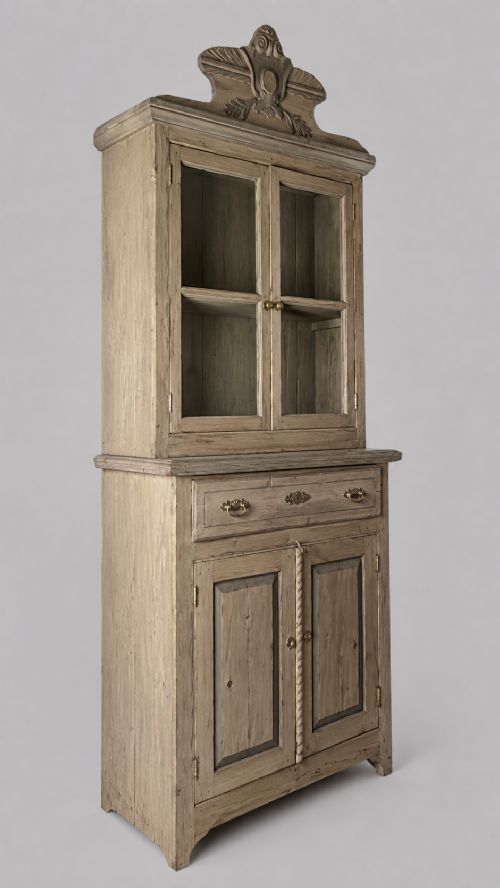
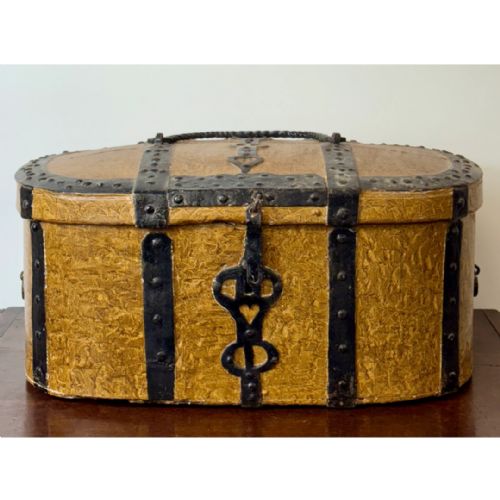
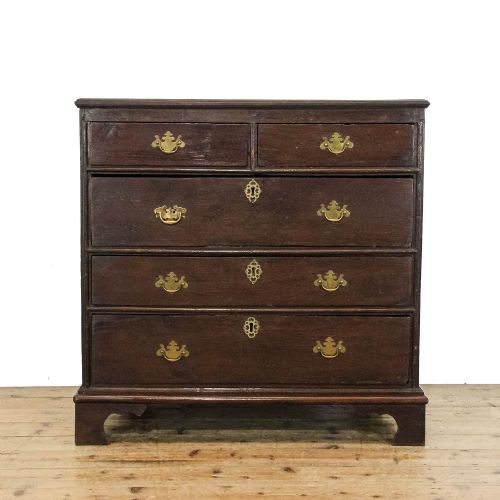
The dominant forms on this page include robust oak coffers, walnut commodes, tall pine wardrobes, and cherrywood housekeepers' cupboards. These items served everyday domestic needs for families, storing everything from linens and grain to provisions and clothing.
Dated pieces span from the late seventeenth century through the nineteenth century, capturing shifts from rustic folk art trunks to refined Louis XV and Louis XVI style commodes. Buyers meet pieces shaped by local traditions, utilising native timbers rather than imported exotic woods.
Materials and construction methods
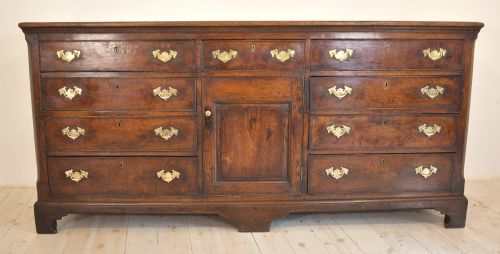
Makers constructed these storage pieces from accessible regional timbers including solid oak, walnut, cherrywood, and pine. Iron and brass fittings such as hinges, handles, and escutcheons secured doors and drawers while adding utilitarian detail.
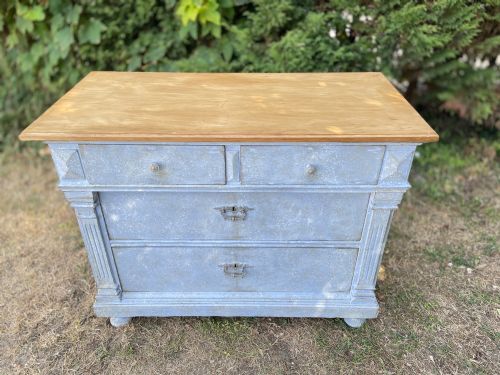
Surfaces often display painted finishes, ranging from distressed painted pine on jam cupboards to decorative marquetry and parquetry on walnut commodes. Carpenters relied on traditional joinery techniques suited to heavy timbers, ensuring durability across centuries of daily domestic use.
Distinctions in quality
Quality rests primarily on the integrity of the timber, the crispness of regional carving, and the survival of original surface finishes like early paint or polished patination. Pieces retaining their original brass hardware, working locks, and structural stability sit at the higher end of the range.
Simpler pine or fruitwood cupboards contrast with sophisticated walnut commodes featuring serpentine fronts, bombe shapes, or intricate diamond-point panels. The balance between utilitarian robustness and refined provincial style dictates the standing of each individual piece.
The Antique Provincial Storage Glossary
- Commode
- A low chest of drawers or cabinet originating in France, often featuring decorative wood veneers or painted surfaces. These pieces frequently served bedrooms and reception rooms.
- Coffer
- A heavy wooden chest with a hinged lid used primarily for storage of valuables, linens, or dry goods. Early examples display robust joins and simple regional construction.
- Enfilade
- A long sideboard or buffet featuring multiple doors, designed for dining rooms and large provincial kitchens. They provide extensive surface and interior storage space.
- Confiturier
- A small French cupboard traditionally used to store jars of confit or preserves. They are typically single-door pine or fruitwood cabinets built for compact provincial spaces.
- Parquetry
- A geometric mosaic woodwork pattern used for decorative surfaces on commodes and cabinets. Artisans arranged contrasting wood veneers to create textural visual interest.
Antique Provincial Storage: Frequently Asked Questions
How do I identify provincial furniture?
Provincial furniture is distinguished by its use of native regional timbers like local oak, cherrywood, or pine rather than exotic imported woods. Construction methods reflect local vernacular traditions rather than metropolitan court styles.
Details often show simpler hand-carved motifs or practical painted finishes intended for rural homes rather than grand palaces. These pieces prioritise functional domestic utility over high-fashion ornamentation.
What rooms suit a provincial cupboard?
Large cupboards and armoires function well in bedrooms or hallways to provide substantial enclosed clothing storage. Smaller confituriers and bedside cabinets fit easily into sitting rooms or smaller dressing spaces.
Kitchens and dining rooms benefit from enfilades and pantry cupboards which hold tableware and provisions. Their neutral patinated wood and painted surfaces complement both traditional and modern interior schemes.
Are painted finishes original on these?
Many provincial pieces retain early or period painted surfaces, particularly Scandinavian and French pine items. These coatings often show natural wear and weathering accumulated over generations of domestic use.
Inspect the paint layers under good light to determine if the surface is contemporary to the piece or a later decorative addition. Original paint significantly enhances the character and historical integrity of regional furniture.
How do I care for old timber?
Keep wooden storage pieces away from direct heat sources and dramatic humidity fluctuations to prevent warping or splitting. Regular dusting with a soft, dry cloth maintains the surface without the buildup of modern silicones.
Occasional applications of traditional beeswax nourish dry antique woods like oak and walnut. This preserves the natural patina developed through centuries of handling.