
Antique Provincial Dresser
An antique provincial dresser provides substantial regional storage, bringing solid timber construction and practical utility into a room.
Antique Provincial Dresser
An antique provincial dresser encompasses robust storage furniture created outside metropolitan centres, primarily across eighteenth and nineteenth century France and Britain.
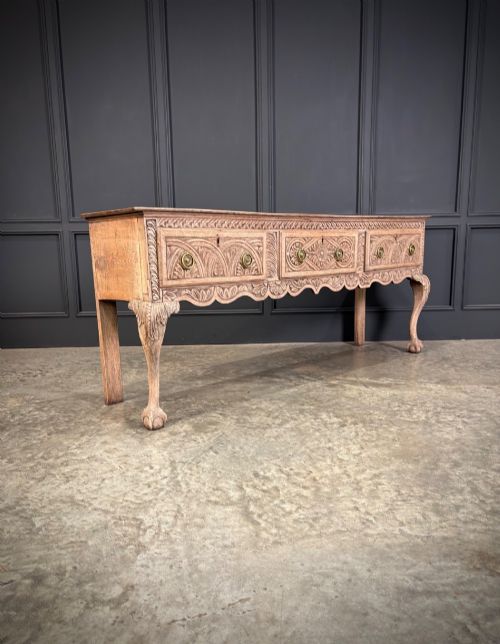
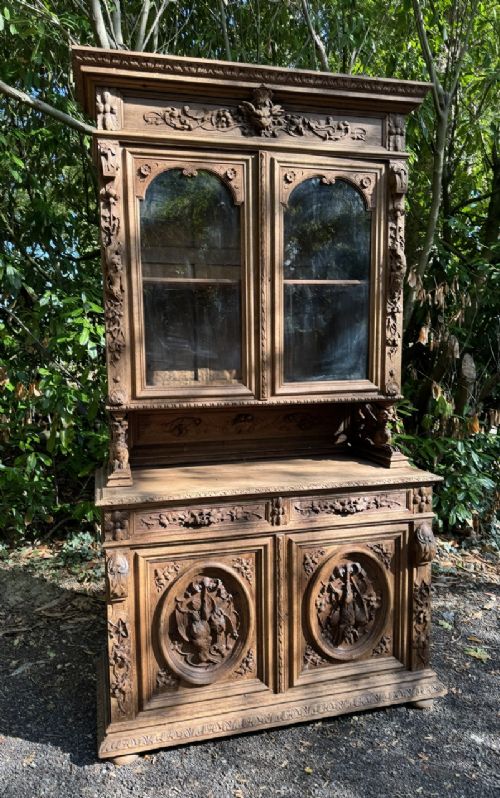
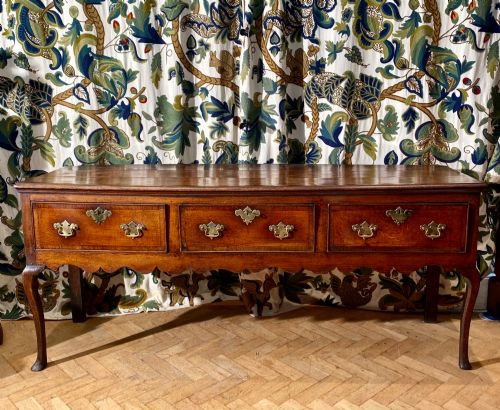
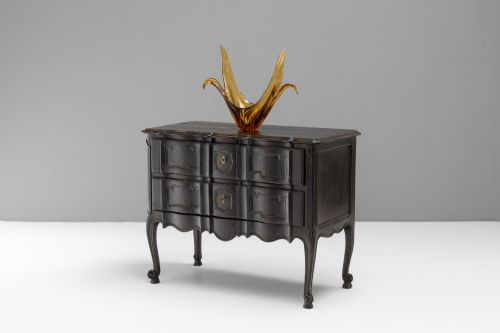
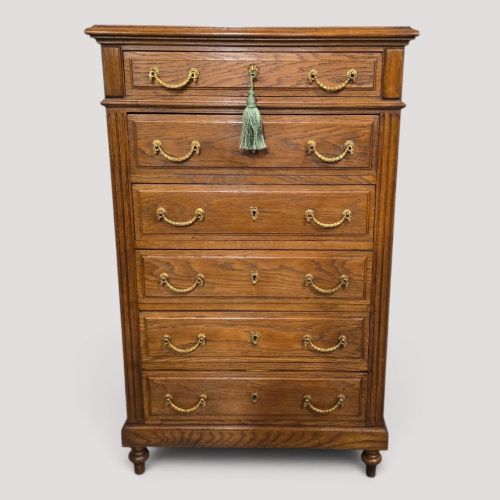
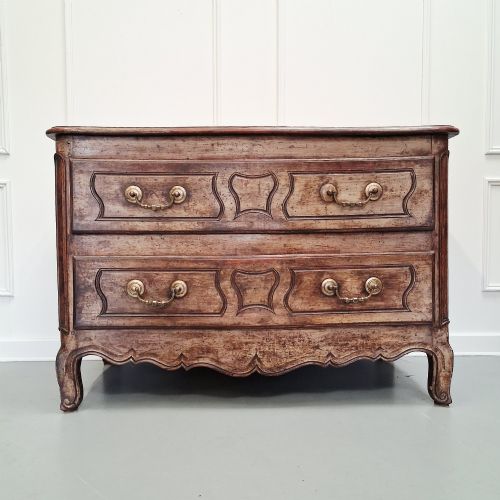
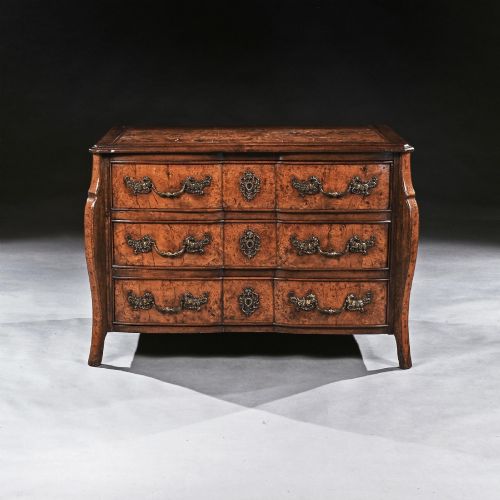
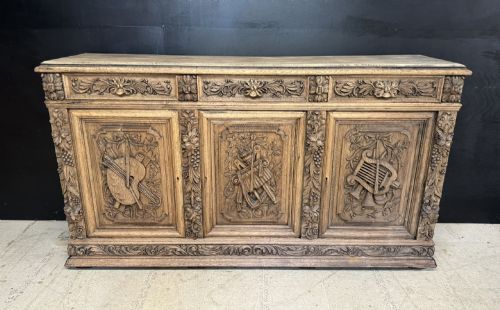
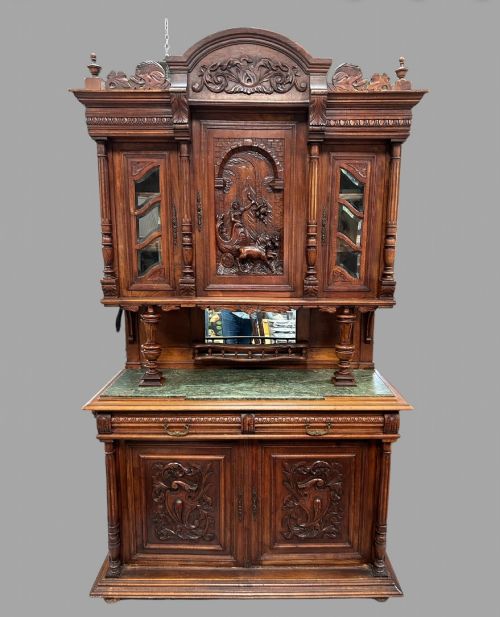
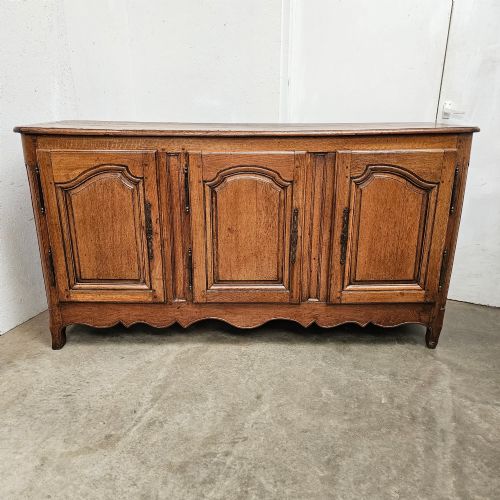
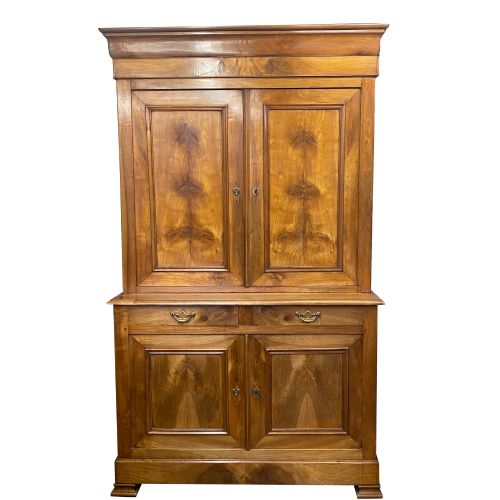
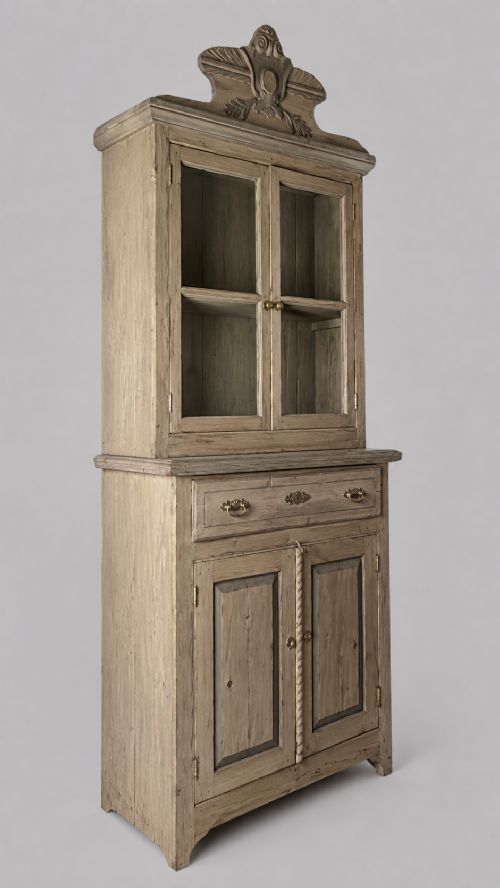
The pieces appearing here include oak dresser bases, cherrywood commodes, walnut cupboards, and tall housekeeper units designed for heavy domestic service.
Buyers encounter solid oak, walnut, cherry, and painted pine forms originating from regional workshops rather than court workshops.
Materials and Construction
Local timbers such as oak, elm, walnut, and fruitwood dictate the fundamental structure of these regional cabinets.
Joinery relies on pegged mortise and tenon frames, hand-cut dovetails within drawer boxes, and applied brass or iron hardware.
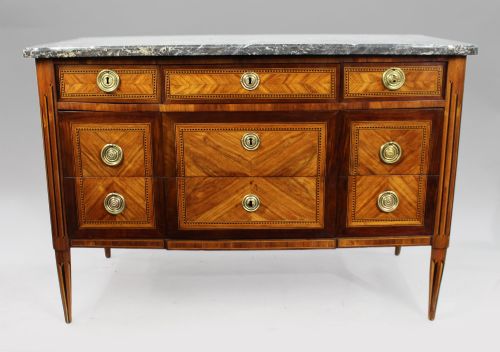
Surfaces often show natural wax finishes, painted treatments, or marble tops fitted to later nineteenth century commodes.
Listings feature eighteenth and nineteenth century periods using oak, walnut, cherry wood, elm, pine, and marble.
Assessing Quality
Quality rests upon timber selection, timber thickness, and the retention of original boards in tops, backs, and drawer bottoms.
Regional carving shows varying skill levels, distinguishing simple village carpentry from ambitious provincial cabinetmaking.
The Antique Provincial Dresser Glossary
- Commode
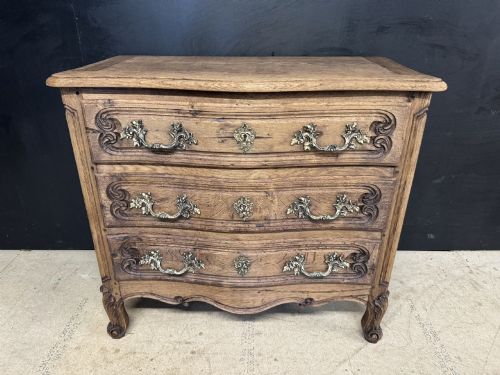
- A low chest of drawers or cabinet standing on legs, common in French provincial interiors. These pieces typically feature deep drawers and substantial top surfaces.
- Enfilade
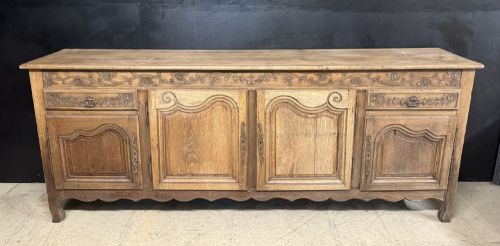
- A long sideboard or buffet featuring multiple doors, designed for serving food in large dining spaces. This form organises substantial interior shelving behind panelled doors.
- Deux Corps
- A tall two-part cupboard stacking an upper cabinet section upon a deeper lower base. This architectural form provides maximum vertical storage in farmhouse kitchens.
- Parquetry
- Geometric wood inlay patterns applied to drawer fronts or cabinet tops. Artisans arranged contrasting timbers like kingwood to create subtle decorative surfaces.
- Pot Board
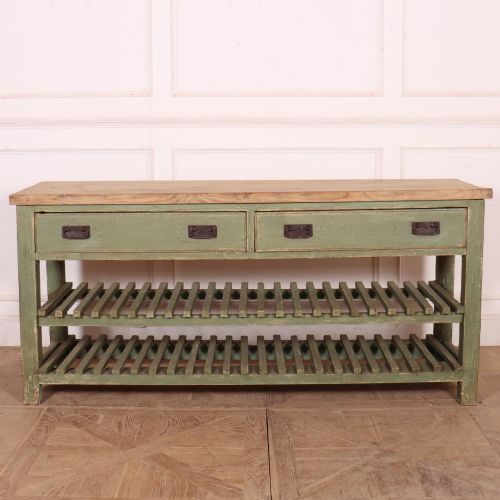
- A lower slatted or solid shelf built into the base of an oak dresser. This lower platform originally held heavy pots and kitchen crocks off damp floors.
Antique Provincial Dresser: Frequently Asked Questions
What is a provincial dresser?
A provincial dresser is a regional storage piece built from local timbers by country craftsmen rather than city guild members. These items served practical storage needs in farmhouses, kitchens, and large halls.
They appear in various formats including drawer bases, tall cupboards, and commodes. Each piece reflects the specific timber available in its region of origin.
How do I date an old dresser?
Dating relies on examining construction methods, timber species, and hardware styles. Hand-sawn boards, pegged joinery, and early dovetailing generally point towards eighteenth century production.
Later nineteenth century examples often incorporate machine-cut elements, painted finishes, or fitted marble slabs. Comparing the secondary woods inside drawer boxes confirms the period of manufacture.
Where were these dressers made?
Most pieces originate from regional French departments, alongside British examples from regions like Lancashire and oak-rich provinces. Country workshops produced furniture suited to local domestic habits.
Craftsmen utilised nearby forests, resulting in provincial oak, cherry, walnut, elm, or fruitwood furniture. These origins explain the diverse regional variations found across the collection.
How do I care for antique timber?
Maintain antique wood furniture by placing pieces away from direct heat sources and sudden humidity changes. Regular application of a traditional beeswax feed preserves the dry timber surface.
Avoid synthetic polishes and damp cloths that damage aged patinas. Gentle dusting keeps the wood grain clear without harming the historical finish.