



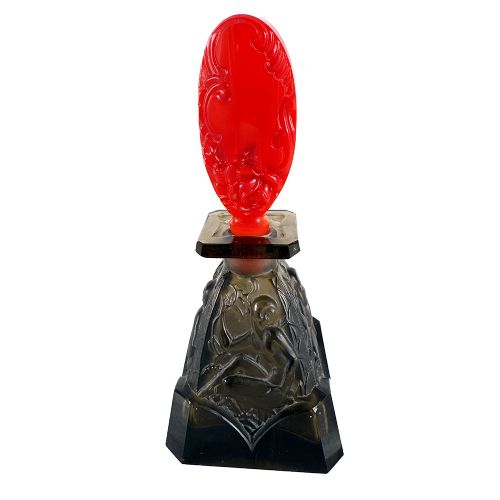

Antique Pressed Glass
Antique pressed glass brings mechanised clarity and tactile relief to domestic interiors through shaped metal moulds.
Antique Pressed Glass
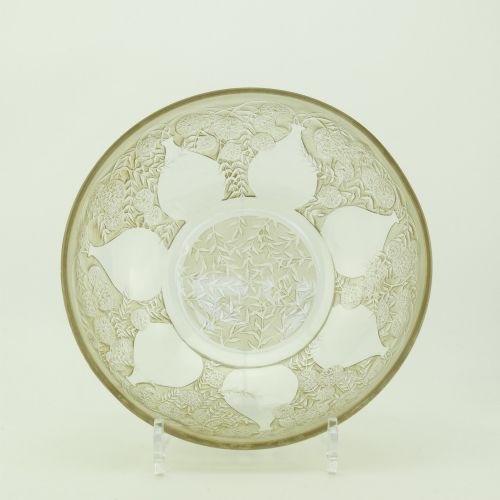
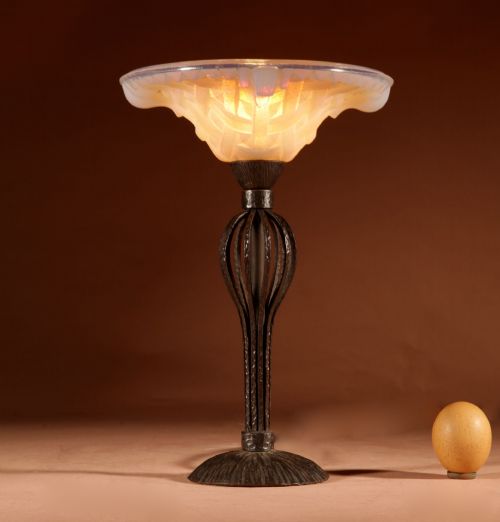
When you search for antique pressed glass, you encounter vessels and decorative objects shaped by molten metal machinery rather than free-blowing. The items appearing here range from small scent bottles and scent flasks to large bowls and ceiling lights.
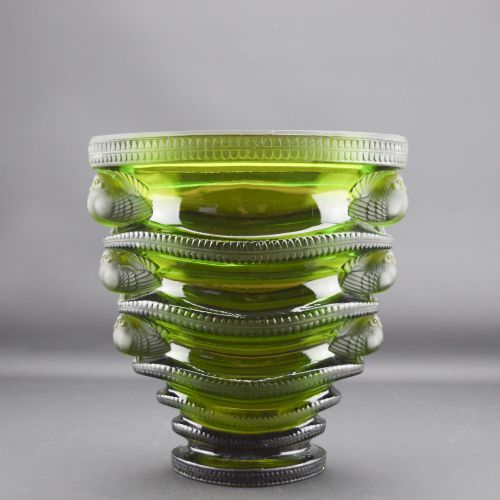
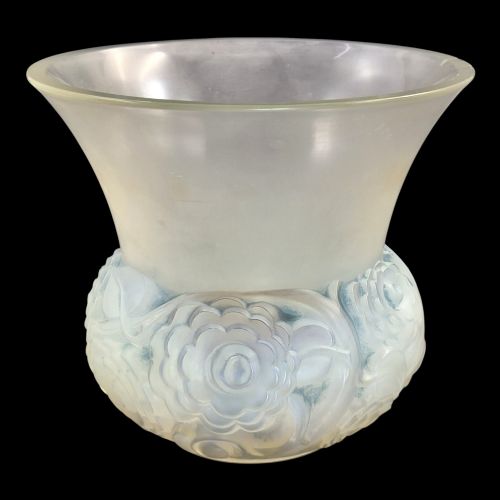
The material takes many forms across the nineteenth and twentieth centuries, including clear glass, frosted surfaces, and heavily tinted opalescent bodies. Victorian tablewares sit alongside Art Deco lighting panels and modernist French scent bottles.
Vessels span utilitarian household objects like celery vases and cake stands to purely decorative paperweights and framed cameos. Each piece relies on machine pressure to force hot material into a patterned iron or brass matrix.
How they were made
Maker operations utilised heavy metal plungers to force molten batch material into articulated iron or steel moulds. This mechanical compression captured sharp exterior relief while leaving the interior smooth or indented.
Makers introduced chemical additives to achieve specific optical properties, creating milk-white opalescence, deep amber tones, and frosted satin finishes. Acid etching or staining often highlighted the raised motifs after the initial pressing process cooled.
A tiny glass sparrow sits frozen on a heavy socle base, watching over nineteenth-century desks as a paperweight.
What varies in quality
Differentiation across items rests on the crispness of the moulded relief and the complexity of the original design. Sharply defined botanical or figurative motifs indicate superior mould maintenance and precise temperature control during production.
The optical purity of the material itself dictates overall desirability, separating dull grey metal from clear or vividly reactive opalescent glass. Masterworks demonstrate deliberate control over colour saturation, staining, and surface polish.
Rene Lalique·Jean Gauthier·David Davidson
The Antique Pressed Glass Glossary
- Pressed glass
- Glassware formed by pressing molten metal into a metal mould using a mechanical plunger. This technique allowed factories to produce patterned tableware rapidly.
- Opalescent glass
- Glass containing specific mineral agents that scatter light, creating a milky blue or amber glow at the edges. It appears frequently in twentieth-century decorative pieces.
- Satin glass
- Glass treated with acid to produce a velvety, non-reflective surface texture. This finish diffuses light softly across decorative bowls and lamp shades.
- Plafonnier
- A ceiling-mounted bowl light fixture held by metal mounts. These fittings illuminate pressed glass reliefs from below.
- Mould seam
- A raised line left on the glass surface where parts of the metal mould met during compression. Its presence confirms the mechanical pressing process.
Antique Pressed Glass: Frequently Asked Questions
How do I clean antique pressed glass?
Wash pieces gently in warm soapy water using a soft cloth to protect vulnerable raised surfaces. Avoid harsh abrasives and sudden temperature changes that might stress the old material.
Dry each item thoroughly with a lint-free towel to prevent water spots from forming on clear or frosted panels.
Can I use these bowls for food?
Many Victorian and Edwardian table items served functional purposes like serving cakes, celery, or fruit. However, early manufacturing methods sometimes introduced lead or other compounds into the batch.
Assess the interior condition for heavy scratching or chemical degradation before using historical tableware with acidic foods.
Why do some pieces change colour in light?
Makers added specific minerals such as bone ash or arsenic to the molten batch to create opalescent light-reactive qualities. These agents scatter shorter light wavelengths, producing distinct blue or amber glows.
Sunlight exposure can alter vulnerable chemical balances over long periods, making storage placement an important consideration for collectors.
How do I spot a reproduction?
Examine the sharpness of the pattern and the weight of the material against known period standards. Modern reproductions often feature softer relief and different base wear patterns.
Look closely at the mould seams and surface finish to determine whether the object matches historical manufacturing techniques.