

Antique Potting Table
An antique potting table brings working garden history inside or onto the terrace, offering a durable surface for planting tasks.
Antique Potting Table
An antique potting table serves as a functional workspace designed originally for greenhouses, orangeries and potting sheds. These practical garden benches provide sturdy surfaces for tending plants, handling soil and organising horticultural tools.
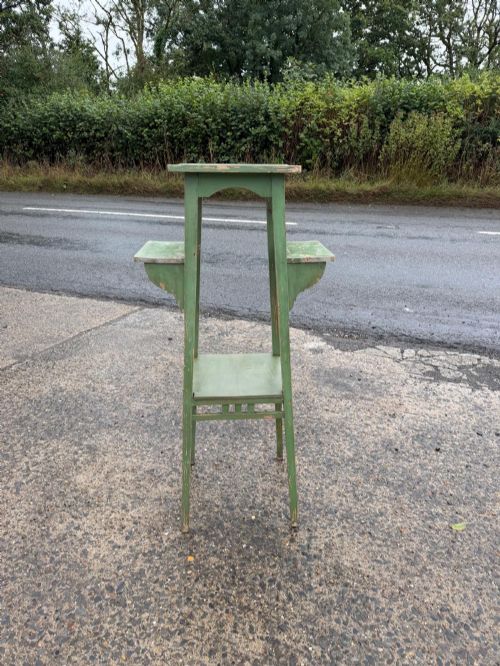
The archive shows pieces constructed from pine with original paint finishes and granite combined with cast iron. These utility pieces reflect nineteenth century working garden traditions.
Buyers searching for an antique potting table will find examples built for utility, often retaining traces of historical paint and weather-worn surfaces from active use in Victorian and later glasshouses.
How they were made
Makers utilised heavy timber such as pine alongside durable stone like granite and structural metal such as cast iron to withstand damp greenhouse environments.
Surfaces frequently show layers of original paint applied to protect the wood from moisture during everyday horticultural tasks.
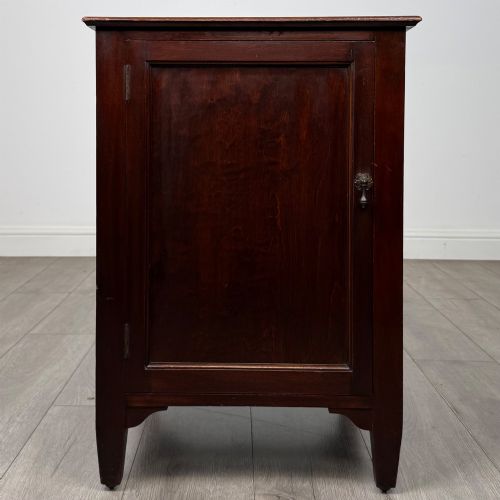
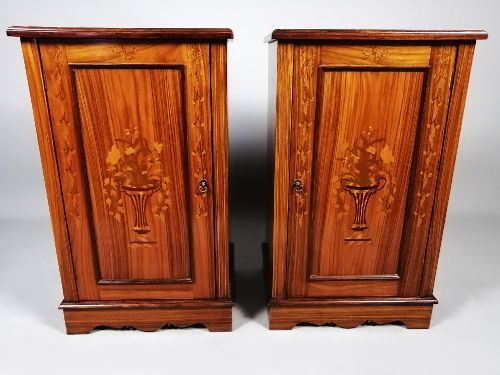
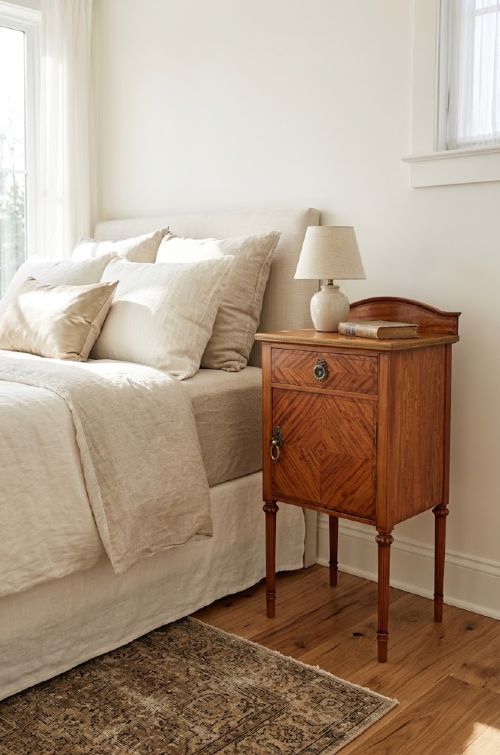
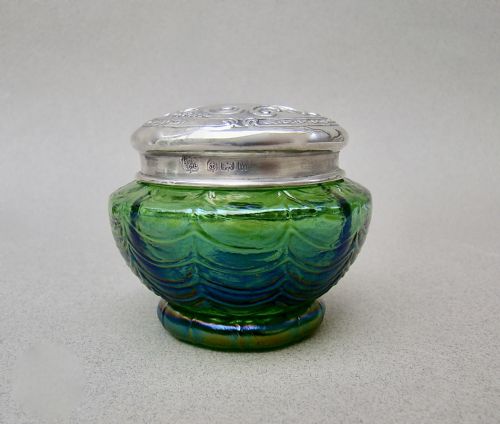
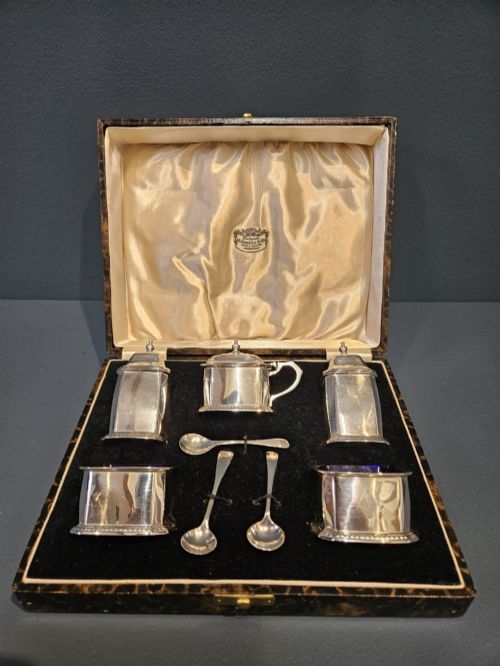
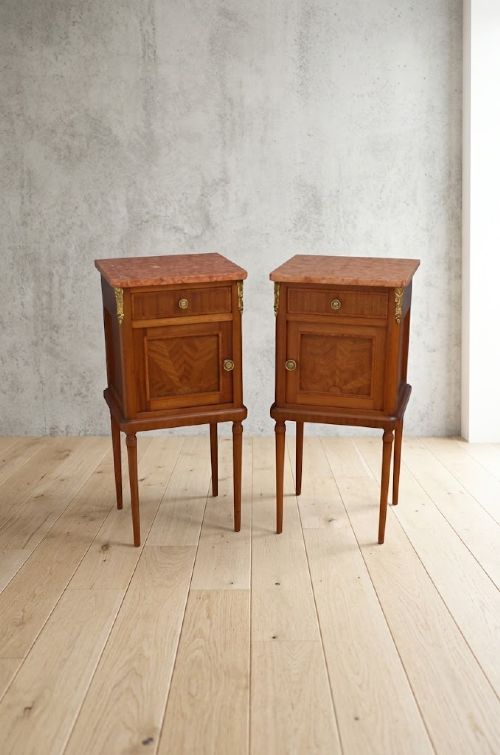
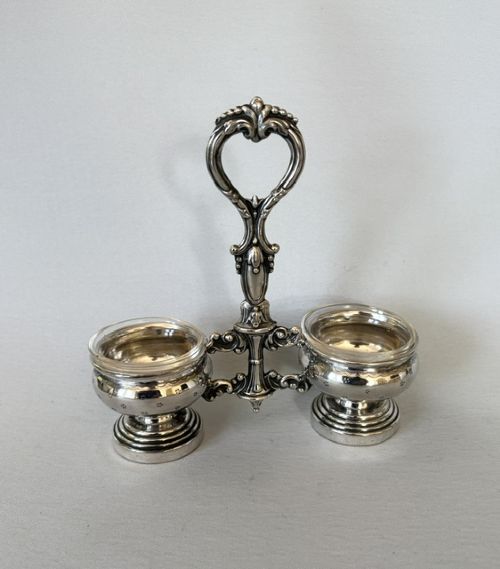
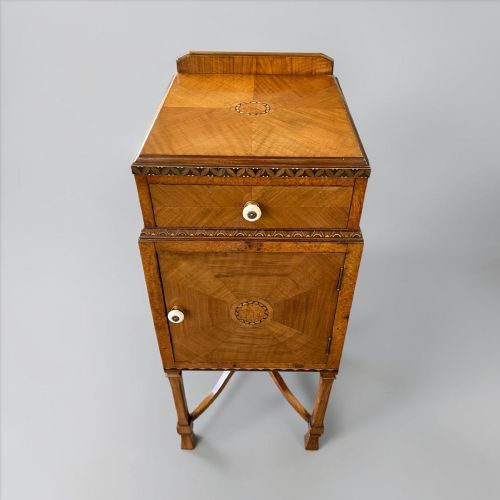
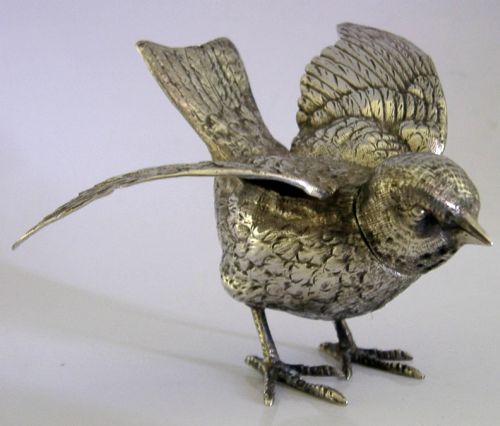
Listings in this archive combine utilitarian nineteenth century pine and granite potting tables with refined Edwardian satinwood bedside cabinets and Victorian silver cruet sets.
What varies in quality
Quality rests in the survival of original working surfaces and untouched paint layers rather than decorative refinement. The integrity of the structural timber and the retention of authentic utilitarian character determine the standing of each piece.
A. J. Pepper & Co·Goldsmith & Silversmith's·Ollivant & Botsford·Henry Clifford Davis·Alfred Marston·Maple & Co
The Antique Potting Table Glossary
- Potting table
- A dedicated workbench utilised in greenhouses and sheds for planting and garden maintenance. These utility items often feature durable wooden or stone surfaces.
- Original paint
- Historic colour coatings applied to furniture that remain largely unaltered over time. Collectors value authentic remnants of early surface finishes.
- Pine
- A softwood commonly utilised in utilitarian and garden furniture due to its availability and workability. Nineteenth century examples frequently employ this timber for potting tables.
- Cast iron
- A strong alloy utilised for structural supports and frames. In garden contexts, this material provides stability against heavy use and damp conditions.
Antique Potting Table: Frequently Asked Questions
Where were potting tables used?
These tables stood inside Victorian greenhouses, orangeries and dedicated potting sheds to assist gardeners with daily plant cultivation.
Today, buyers place them on covered patios or inside homes as decorative garden-themed consoles.
Are potting tables waterproof?
Historical potting tables were built from utilitarian materials like pine and granite to handle damp soil and regular watering during daily use.
Modern owners often apply protective oils if keeping them exposed to continuous outdoor weather.
How do I clean an old potting table?
Cleaning requires a soft brush or dry cloth to remove dust while preserving the fragile historic paint layers and aged timber texture.
Harsh chemical detergents should be avoided to prevent stripping the original surface patination.
Can I use an antique potting table outside?
While originally built for damp greenhouse environments, historic timbers remain vulnerable to prolonged exposure to heavy rain and frost.
Placing the table under a sheltered veranda or inside an orangery helps protect the antique wood.