
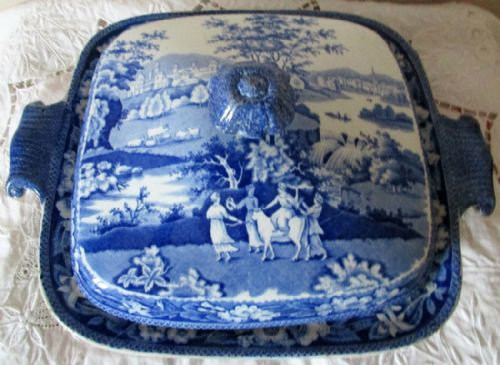


Antique Pottery Tureen Cover
An antique pottery tureen cover brings domestic history to the table, offering a surviving shard of grand dining from past centuries.
Antique Pottery Tureen Cover
When you search for an antique pottery tureen cover, you are looking at lids made to top soup, sauce, or vegetable tureens and serving dishes. These pieces originate mainly from the Georgian and Victorian eras, alongside select 18th century examples from Spain.
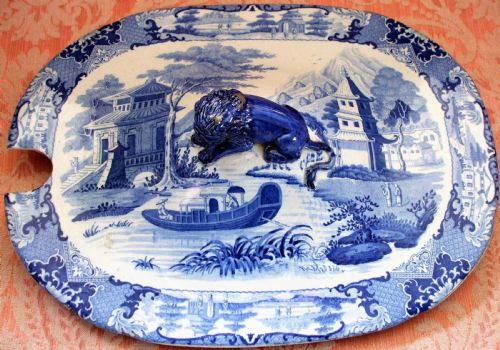
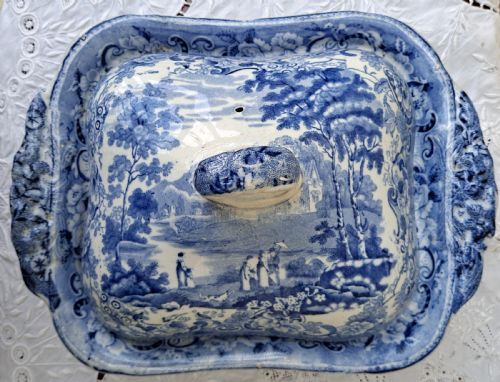
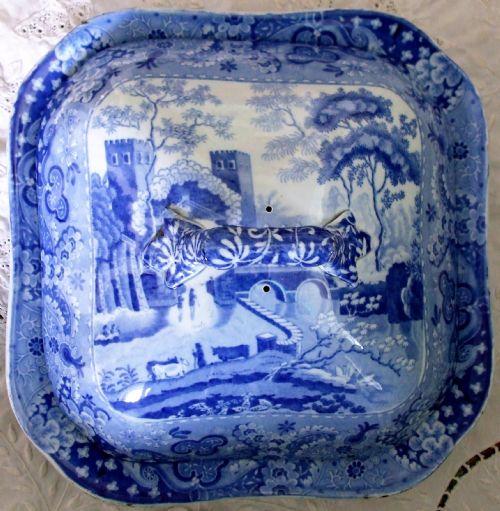
You are most likely to meet blue and white transfer printed earthenware covers on this page, often featuring scenic patterns like castle, elephant, or rural views. Pearlware and tin-glazed earthenware also appear among the selections.
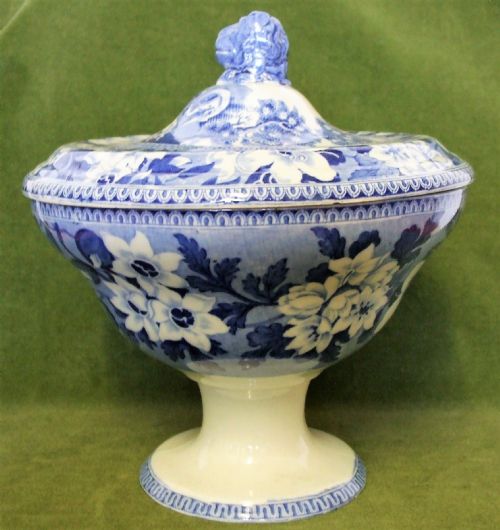
Many items survive as complete tureens with their covers, while others present standalone covers or paired serving vessels. The forms range from standard vegetable serving dishes to novelty shapes such as partridge or cabbage designs.
Materials and production methods
Potters utilised earthenware, pearlware, and ceramic bodies, often applying tin-glaze or lead glaze to seal the porous clay. Faience techniques appear in continental European pieces.
Listings feature 19th century and Georgian periods prominently, alongside 18th century examples in earthenware, pearlware, and tin-glazed ceramic.
Assessing quality in ceramic covers
The clarity and crispness of the transfer print separate standard utility wares from finer productions. Smudged lines or blurred blue tones indicate a hurried application at the pottery.
The complexity of the form dictates distinction, moving from simple round vegetable covers to moulded animal figures like partridges, lions, and hens. Hand-painted polychrome details demand higher skill than standard monochrome prints.
Robert Hamilton·James Wallace & Co·J. & R. Clews·John Rogers & Son·John and Richard Riley·Ridgways·Turner·Masons
The Antique Pottery Tureen Cover Glossary
- Pearlware
- A refined earthenware developed in the late 18th century featuring a bluish glaze that pooled in recesses to create a whiter appearance than creamware. It formed the base for many transfer printed pieces.
- Transfer printing
- A decoration technique where an engraved copper plate applied an inked design onto tissue paper, which was then pressed onto the ceramic surface before glazing and firing. This allowed complex scenes to be reproduced efficiently.
- Tin-glazed earthenware
- Pottery covered with a glaze containing tin oxide, which produced an opaque white surface suitable for painting. It is commonly associated with faience and majolica traditions.
- Faience
- European tin-glazed earthenware, often decorated with colourful painted designs. Pieces from this tradition frequently include figurative and botanical motifs.
- Lead glaze
- A transparent coating applied to earthenware bodies and fired to provide a glossy finish. It protects the porous clay beneath from moisture and staining.
Antique Pottery Tureen Cover: Frequently Asked Questions
What is a tureen cover used for?
A tureen cover sat atop a large serving vessel to keep soups, sauces, or vegetables warm at the dining table. It prevented heat loss and protected the contents between servings.
Today, these covers are often collected as independent decorative items or paired with surviving bases to complete historic table sets.
How do I date an antique tureen cover?
Dating relies on identifying the ceramic body, such as distinguishing pearlware from later Victorian earthenware. Maker marks, pattern names, and transfer printing styles also provide clues to the period of production.
Stylistic evidence from the 18th and 19th centuries helps narrow down the decade when the pottery was fired.
Are these covers waterproof?
Most antique pottery covers utilise glazed earthenware or pearlware, which sealed the porous clay body. However, hairline fractures or crazing in the glaze can develop over centuries of use.
It is wise to treat older ceramic pieces with care and avoid submerging them in water for extended periods.
How should I display a tureen cover?
Covers can be displayed on plate racks, shelves, or mounted securely on walls to showcase their transfer printed patterns. Pairing a loose cover with a matching base creates a cohesive display.
Ensure the support structure is stable and can bear the weight of the ceramic piece.