


Antique Potboard Sideboard
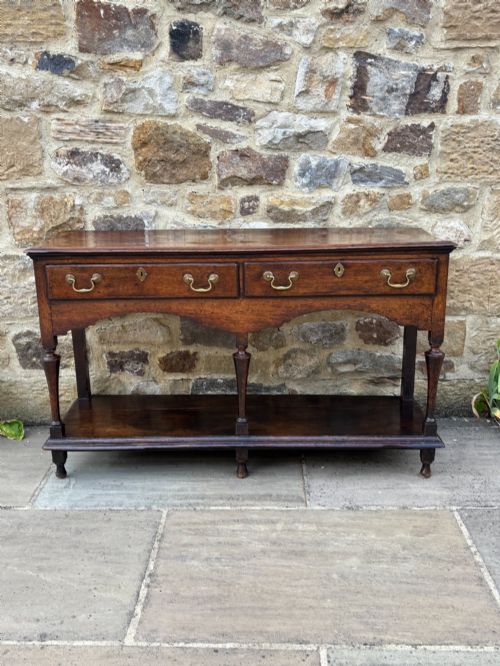
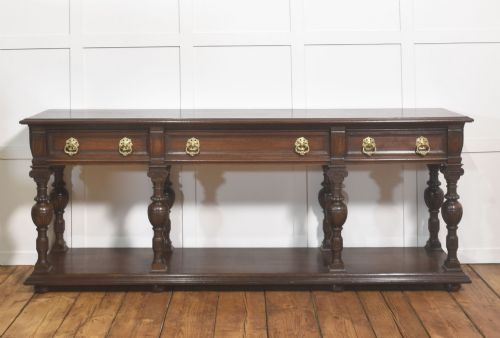
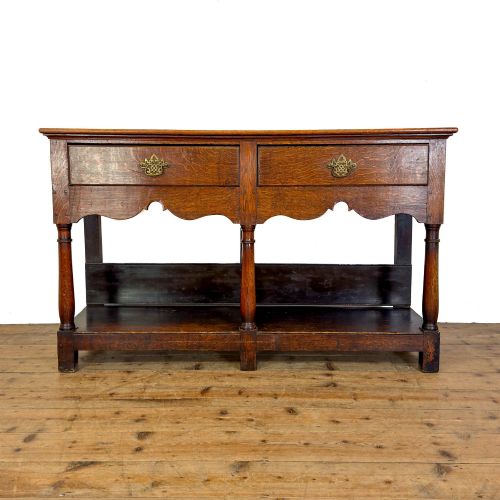
An antique potboard sideboard provides sturdy lower storage with an open slatted base, bringing centuries of regional craftsmanship into a modern dining room or kitchen.
Antique Potboard Sideboard
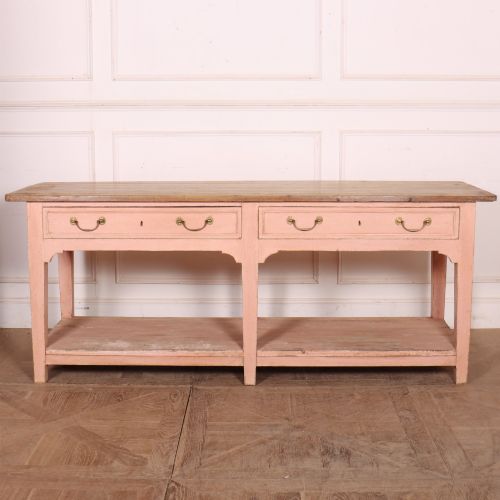
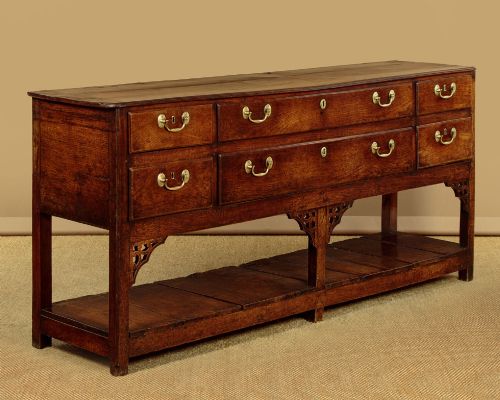
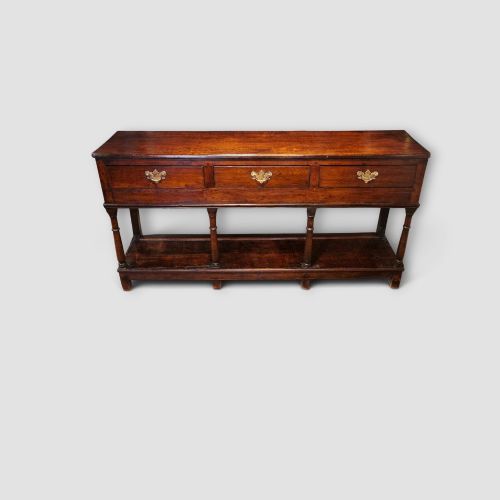
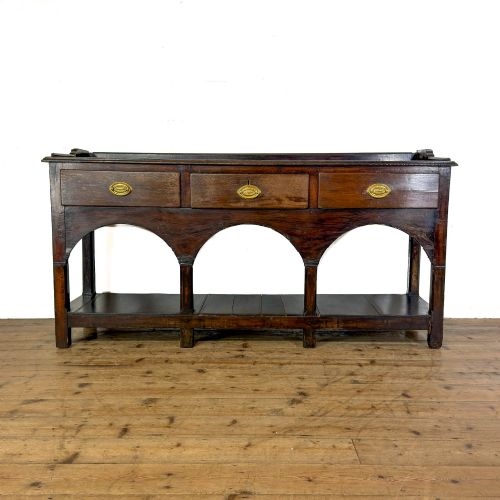
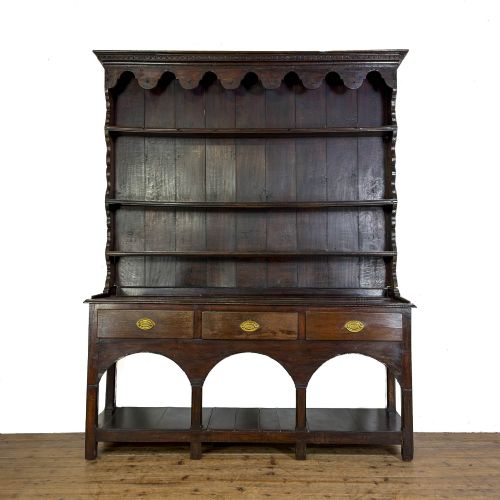
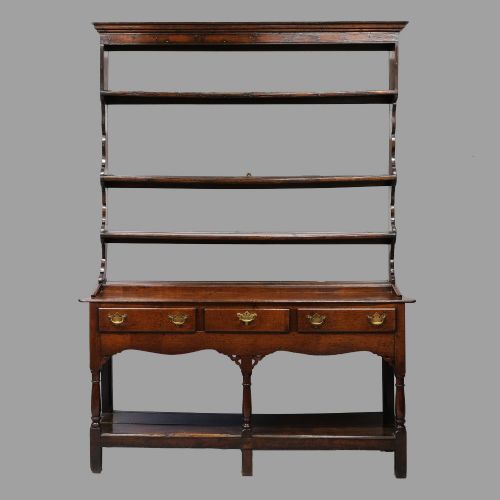
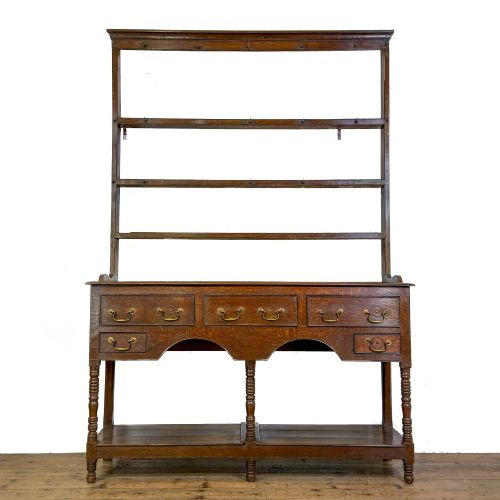
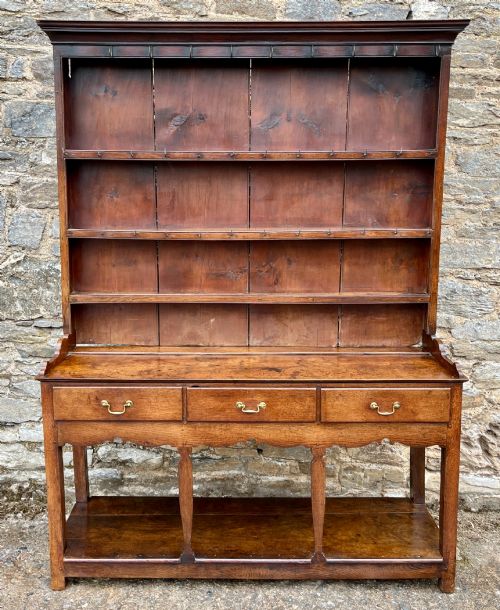
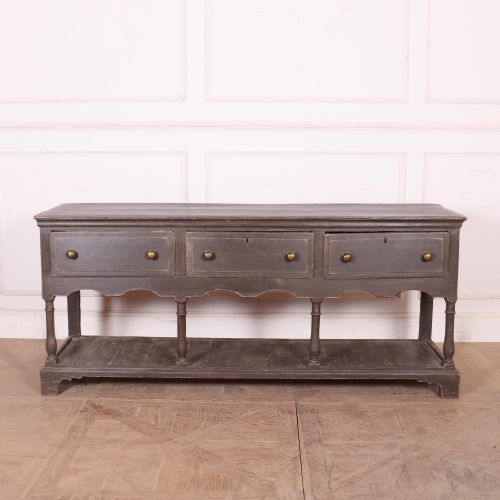
An antique potboard sideboard is fundamentally a heavy timber base featuring a lower shelf, historically designed to hold pots, pans, and heavy kitchenware off damp floors. Buyers searching this phrase will find solid working furniture originating primarily from English and Welsh country houses, farmhouses, and regional workshops.
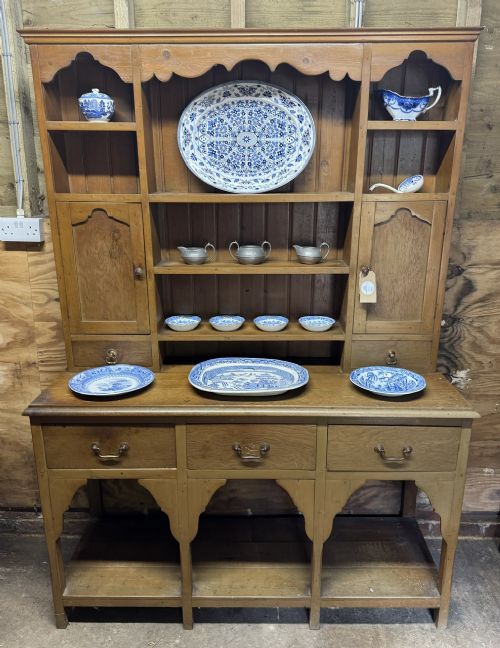
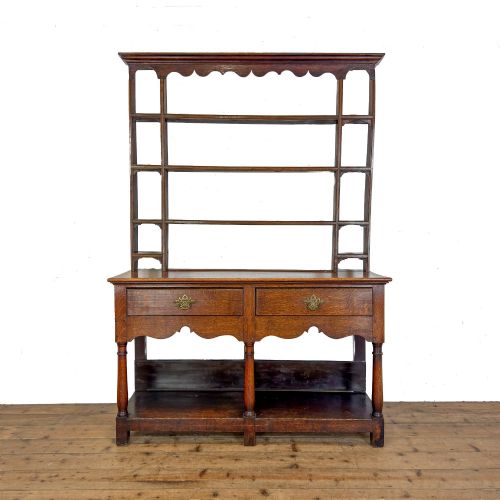
Regional variations appear frequently, including examples from South Wales, Montgomery, and Carmarthenshire, alongside Scottish farmhouse pieces and English country variants. Some items retain their upper plate racks, while others present purely as low serving tables or sideboard bases.
Materials and Construction Methods
These pieces rely heavily on native hardwoods, predominantly solid oak supplemented occasionally by elm, pine, and painted timber. Carpenters constructed the main frames using traditional pegged joinery and sturdy planking designed to bear considerable weight.
Surfaces frequently display hand-planed finishes, iron or brass hardware on the drawers, and aged patinas accumulated over generations of domestic use. Certain items incorporate carved detailing or painted finishes applied during the Georgian era and later revival periods.
Materials recorded across the inventory include solid oak, elm, pine, brass, iron, and painted timber.
Assessing Quality and Character
Quality in these pieces rests upon the integrity of the original timber, the crispness of any hand-cut drawer dovetails, and the survival of an authentic surface patina. Superior examples maintain their original potboards, backboards, and period handles without extensive modern timber replacement.
Proportions also dictate distinction, as smaller scaled bases and items with unusual drawer configurations command specific interest. The balance between sturdy utilitarian construction and refined regional styling separates standard utility pieces from exceptional country furniture.
The Antique Potboard Sideboard Glossary
- Potboard
- The lower slatted or planked shelf fitted between the legs of a dresser base or sideboard. It sits close to the floor and was originally designated for heavy cookware.
- Dresser Base
- A freestanding table with drawers across the upper section, functioning as a sideboard when separated from its plate rack. These form the primary body of potboard furniture.
- George III Period
- The era spanning the mid to late 18th and early 19th centuries, characterised by restrained classical proportions in English and Welsh cabinetmaking. Pieces from this time often exhibit fine timber selection.
- Vernacular Furniture
- Domestic items built by local craftsmen using regional traditions and readily available materials rather than following metropolitan fashion. Welsh and country English pieces embody this approach.
- Patina
- The deep surface sheen and colour developed by aged wood through decades of handling, polishing, and environmental exposure. Original patinas are highly valued by collectors.
Antique Potboard Sideboard: Frequently Asked Questions
What is a potboard sideboard?
A potboard sideboard is a sturdy wooden base featuring drawers above and an open lower shelf known as a potboard. They originate primarily from 18th and 19th-century country workshops.
These versatile items served as primary food preparation and storage surfaces in traditional kitchens before transitioning into dining room sideboards.
How do I tell an 18th-century piece from a later copy?
Examination of the timber movement, hand-cut joinery, and the presence of genuine wear patterns helps distinguish older pieces. 18th-century examples display authentic patination and construction methods suited to vernacular furniture.
Later 19th-century and 1920s revival items often show standardised machine tooling or different surface treatments compared to early George III originals.
Where were most potboard dressers made?
The majority of these pieces originate from rural English counties and various regions of Wales, such as Carmarthenshire and South Wales. Local craftsmen utilised native woods like oak and elm.
Regional characteristics often appear in the drawer layouts, moulding profiles, and the treatment of the lower potboard tiers.
Can I use an antique potboard base in a modern kitchen?
These pieces integrate naturally into contemporary spaces, offering practical surface area and low shelf storage for dishes or baskets. Their solid construction makes them durable for daily use.
Placing them in a dining room or kitchen provides an anchor of historic character while serving as a functional sideboard.