
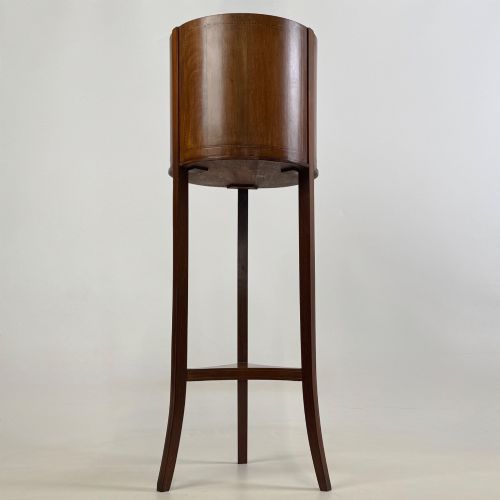
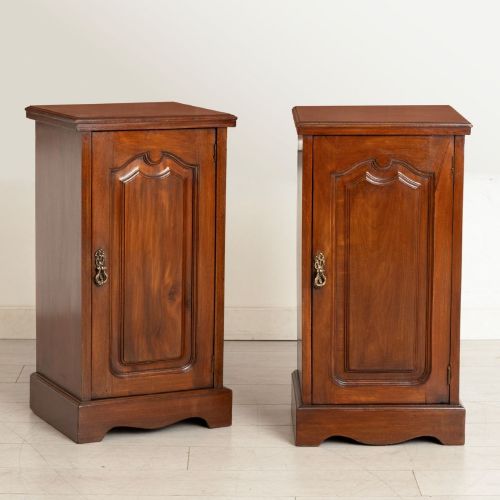
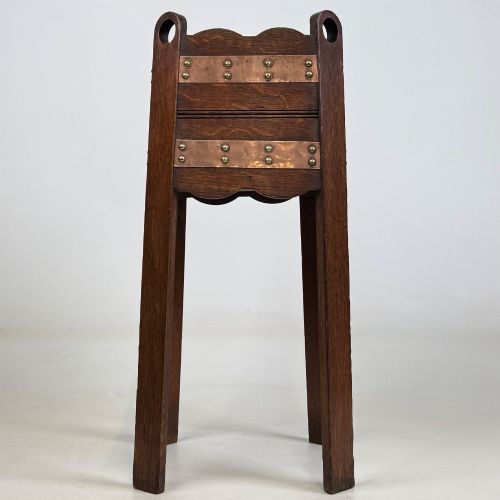
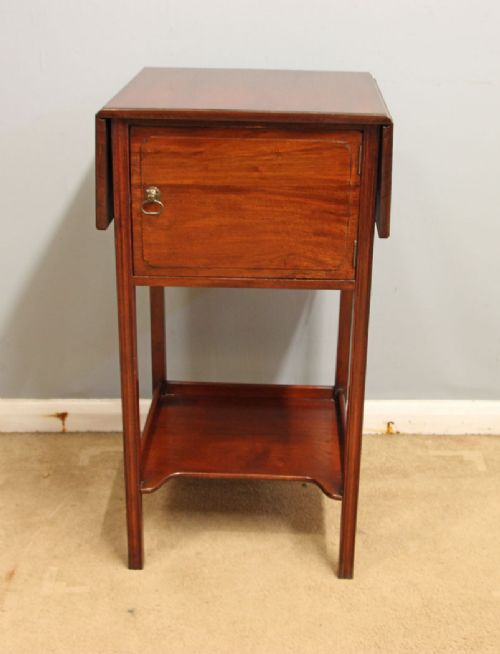

Antique Pot Stands
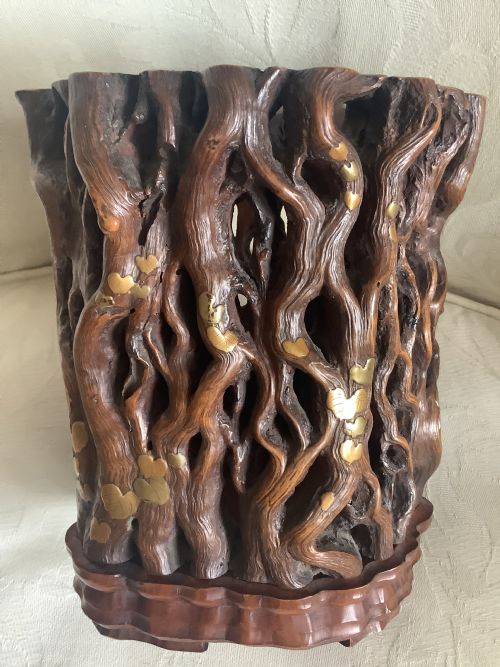
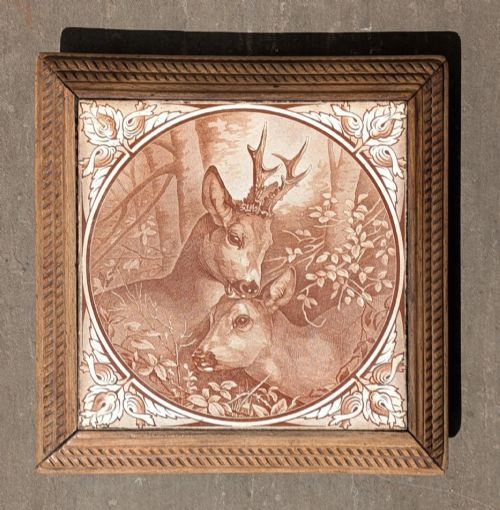
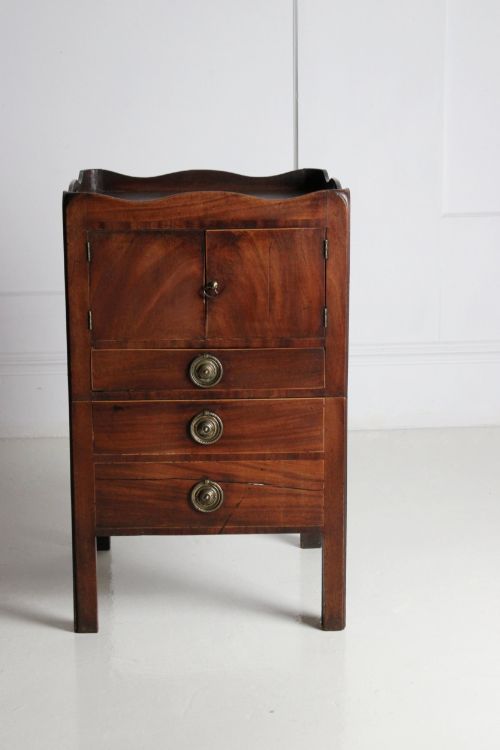
These antique pot stands encompass everything from Georgian mahogany night stands and Victorian bedside cupboards to carved hardwood display pieces.
Antique Pot Stands
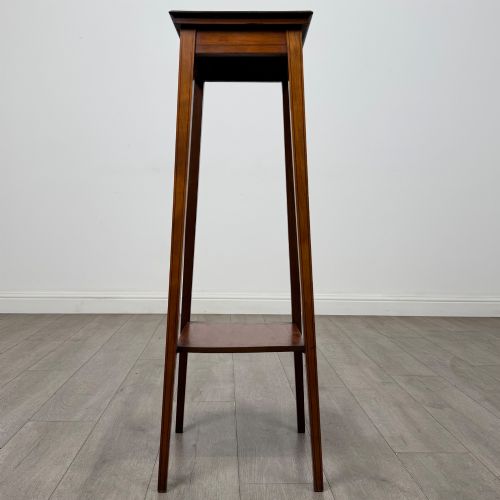
When you search for antique pot stands, you encounter a diverse group of domestic furnishings designed to hold plants, pots, and chamber items. The most common forms on this page include mahogany bedside cabinets and plant stands originating from the Victorian and Edwardian eras.
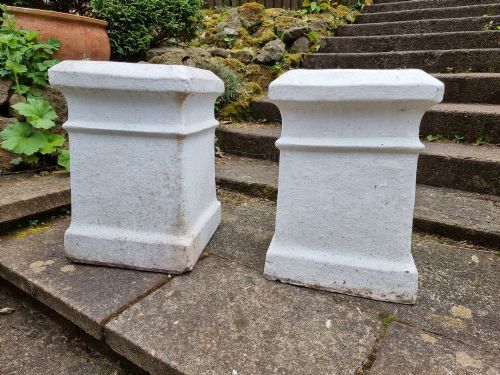
The selection also spans Georgian pot cupboards, Chinese hardwood display stands featuring marble inset tops, and various Arts and Crafts oak designs. These pieces range from functional bedroom cabinetry to decorative plant supports and jardiniere pedestals.
Makers and retailers such as Liberty of London and Harrods occasionally appear alongside unmarked pieces reflecting Qing Dynasty, Art Deco, and regional English craftsmanship.
How they were made
Cabinet makers utilised dense timbers such as mahogany, oak, walnut, and exotic hardwoods, frequently shaping them with turned legs, panelled doors, and inlaid veneers. Structural integrity relied on traditional joinery techniques suitable for supporting heavy ceramic pots and stone surfaces.
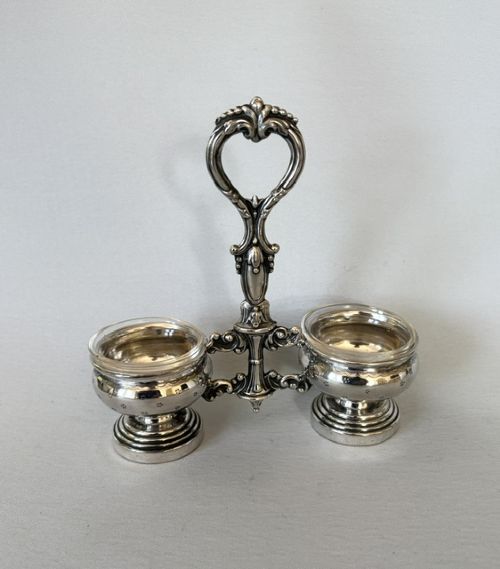
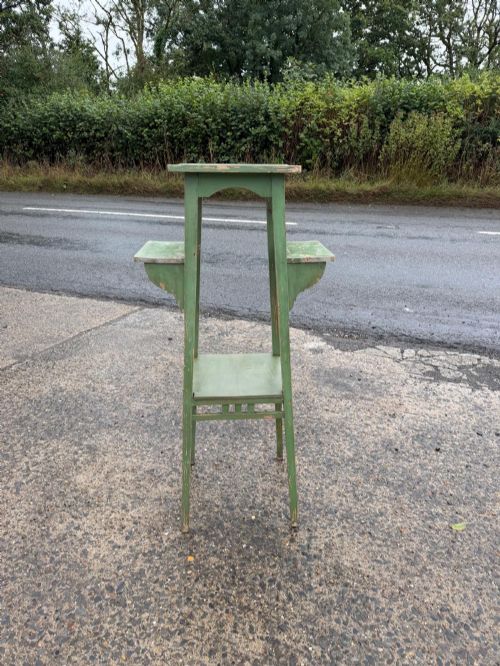
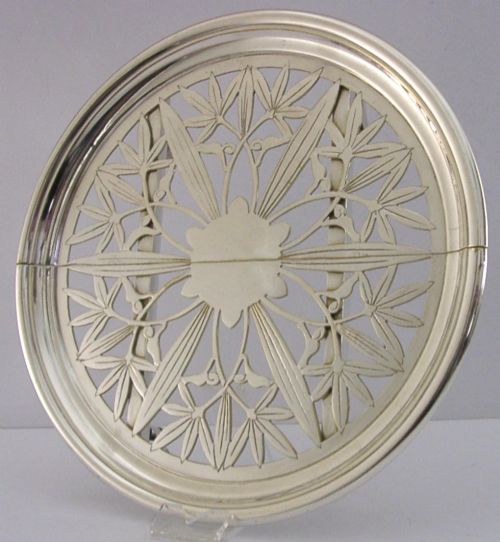
Alternative materials include cast iron, brass, copper, and silver plate, often paired with cut glass, marble, or glazed tiles. Surface finishes range from original painted coatings and polished wood grains to hand-carved decorative motifs.
Listings include cast iron planters shaped like marine shrimp and intricate Chinese hardwood stands featuring marble insets.
What varies in quality
Quality reveals itself in the selection of timber figures, such as flame mahogany or burr walnut, and the precision of hand-carved details. Pieces with integrated marble tops or original hardware command closer attention for their material authenticity.
Construction methods also dictate standard, where dovetailed drawers, solid backboards, and stable joinery separate utilitarian items from finer decorative furnishings.
William Soutter and Sons·Christofle·Liberty of London
The Antique Pot Stands Glossary
- Jardiniere stand
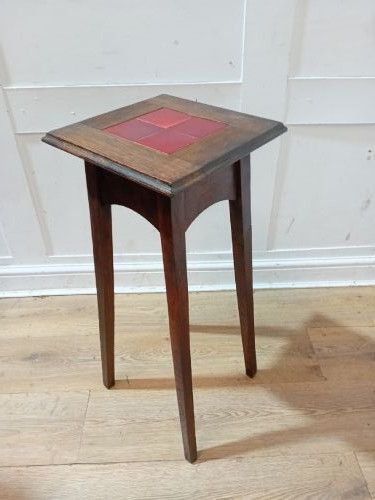
- A tall pedestal or table specifically designed to support a plant pot or flower bowl. These holders appear frequently in Edwardian and Arts and Crafts styles.
- Pot cupboard
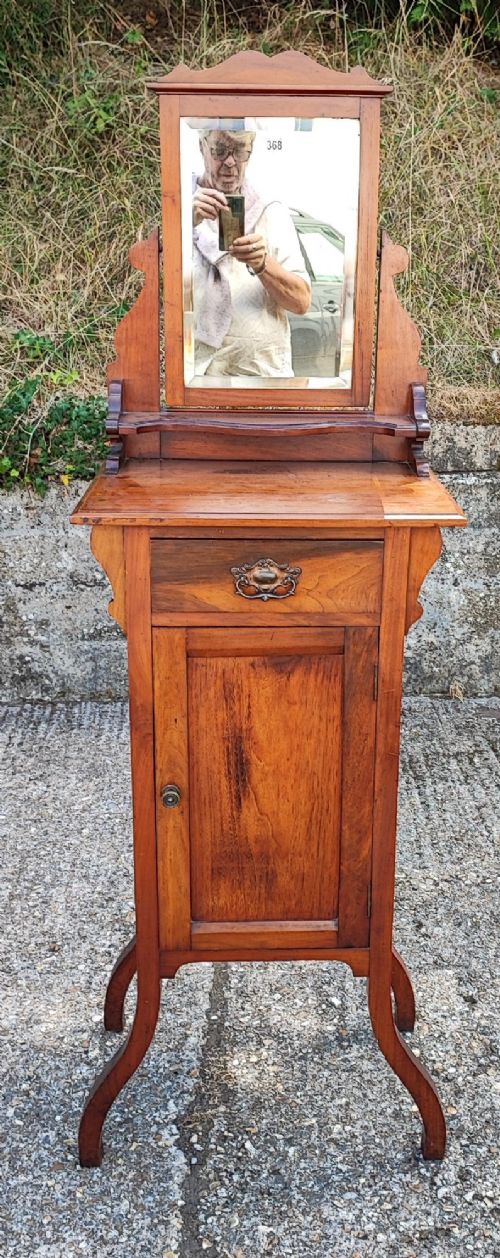
- A enclosed bedside cabinet, often Georgian or Victorian in origin, originally built to house a chamber pot. They typically feature a panelled door and an enclosed top surface.
- Hardwood
- A dense timber classification including species like zitan, rosewood, and mahogany used in Chinese and English furniture making. These heavy woods resist wear and support substantial weight.
- Marble inset
- A slab of polished stone fitted directly into the top surface of a stand or table. This feature provided a durable, water-resistant area for resting damp flower pots.
Antique Pot Stands: Frequently Asked Questions
What is an antique pot stand used for?
These furnishings were originally built to hold indoor plants, botanical jardiniere bowls, or bedroom chamber pots.
Over time, many of these stands transitioned into general display tables for lamps, decorative objects, and bedside storage.
How do I date an antique pot stand?
Dating relies on identifying the prevailing timber choices, construction methods, and stylistic periods such as Georgian, Victorian, or Edwardian.
Secondary clues include the presence of original paint, brass hardware, and retail stamps from historic stores.
Are bedside cabinets considered pot stands?
Many Victorian and Georgian bedside cabinets share the alternative historical classification of pot cupboards.
These enclosed wooden stands served identical domestic purposes before evolving into standard bedside storage tables.
How do I care for wooden plant stands?
Protecting timber surfaces from moisture requires using waterproof saucers underneath heavy plant pots to prevent water rings.
Regular dusting and occasional application of appropriate wood wax maintain the finish without damaging antique polishes.