






Antique Postal Scales
Antique postal scales measure correspondence weight precisely, combining utilitarian brass mechanics with decorative wood bases.
Antique Postal Scales
Antique postal scales serve to weigh letters and parcels for correct postage allocation in homes and offices. The examples found here span the Victorian and Edwardian periods up to the early twentieth century.
Most pieces pair a polished brass balance mechanism with a wooden base made from mahogany, walnut, oak or hardwood. Alternative luxury versions incorporate decorative materials such as malachite, boulle, coromandel and solid silver.
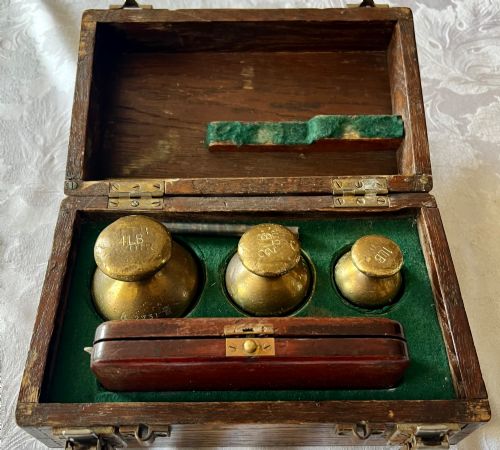
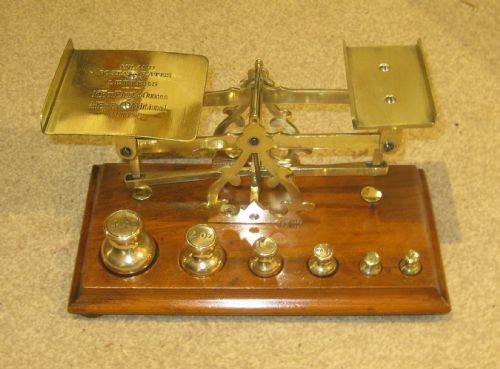
Buyers encounter simple brass platforms alongside elaborate sets complete with original graduated weights. Certain specialised formats include candlestick combinations and folding pocket configurations.
Materials and construction
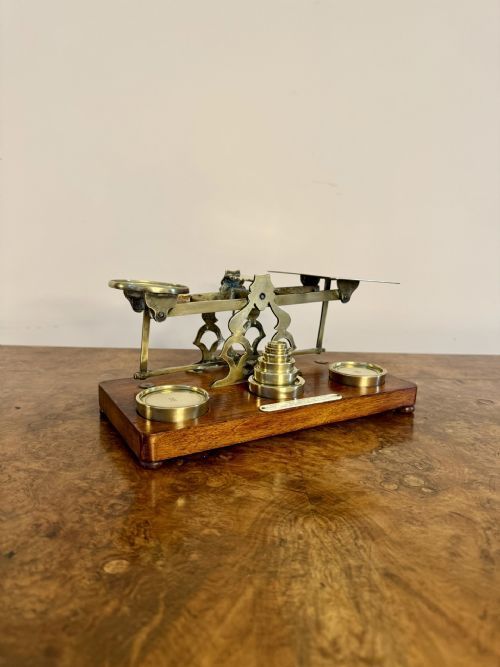
Maker workshops cast brass balance arms, pans and calibrated weights, often polishing the metal to a bright finish. Wooden bases employ mahogany, walnut and oak, frequently shaped with moulded edges or waisted profiles.
Makers integrate decorative inlays like boullework and mount panels of malachite or silver onto the wooden chassis. Stamped registration numbers, maker signatures and fitted compartments for weights complete the assembly.
Antique Postal Scales Retail Price Guide 2026
Typical asking prices for postal scales among the pieces listed under this phrase on Sellingantiques today, from the lower quarter to the upper quarter. They describe what is for sale here now, not the wider market.
Listings feature items from the Victorian and Edwardian eras, incorporating brass, mahogany, walnut, oak, malachite and silver.
Distinctions in standard
Quality separates through the presence of matching original weights and the crispness of maker signatures such as S. Mordan and Co. Finely figured timbers like burl walnut or coromandel elevate a piece above standard mahogany or plain brass.
Intricate detailing, including decorative boullework, malachite panels or solid silver construction, distinguishes superior examples. The precision of the brass balance mechanism and the retention of factory markings indicate higher craftsmanship.
S Mordan·Ratcliff Birmingham·Avery·John Heath·Perry And Co·Leuchars Of London
The Antique Postal Scales Glossary
- Waisted weights
- Cylindrical brass weights shaped with a narrow centre for easy gripping. These items sit in matching wooden base slots.
- Boulle
- An elaborate marquetry technique using brass and tortoiseshell inlaid into dark wood. This method decorates luxury desk accessories.
- Candlestick scales
- A dual-purpose domestic object combining a lighting device with a postal weighing mechanism. These pieces save desk space.
- Mauchline
- Scottish wooden souvenir items decorated with photographic transfers or tartanware patterns. These apply to small desk scales.
Antique Postal Scales: Frequently Asked Questions
How do postal scales work?
These balances operate on a lever arm principle where letters rest on one pan against calibrated brass weights on the other. The pointer indicates equilibrium to determine postal charges.
Most antique models accommodate letters up to a few pounds, matching historical postal weight tiers. The mechanism relies on precise pivot points to ensure accurate measurement.
Are original weights important?
Original weights matching the manufacturer and base significantly enhance historical integrity. Sets often include graduated brass cylinders or waisted pieces designed to fit dedicated wooden recesses.
Finding a complete set remains desirable for collectors, though many sets survive with matched replacement weights from the period.
How do I date an antique scale?
Stylistic clues like Victorian mahogany bases or Edwardian oak platforms provide initial chronological boundaries. Maker marks and registration numbers stamped into the brass allow precise archival dating.
Design shifts from plain brass utilitarian models to decorative inlaid woods also help separate mid nineteenth century examples from later pieces.
What wood types appear most?
Mahogany and walnut dominate the surviving examples, often paired with polished brass pans. Oak appears in sturdy Edwardian designs.
More luxurious models utilise exotic timbers like coromandel alongside decorative surfaces such as malachite and boullework.