



Antique Post Light
An antique post light brings character to a garden, driveway or gateway using genuine period metalwork and glass.
Antique Post Light
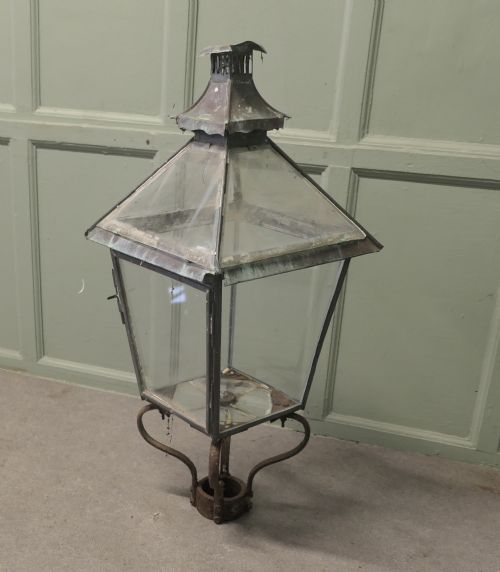
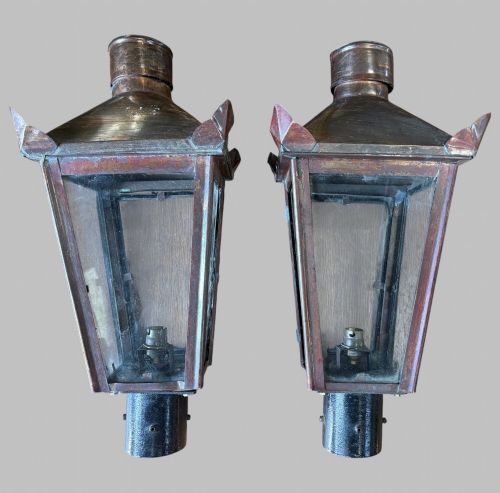
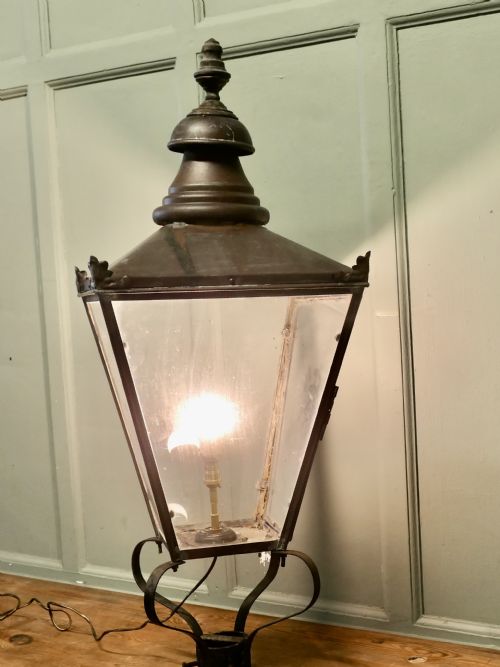
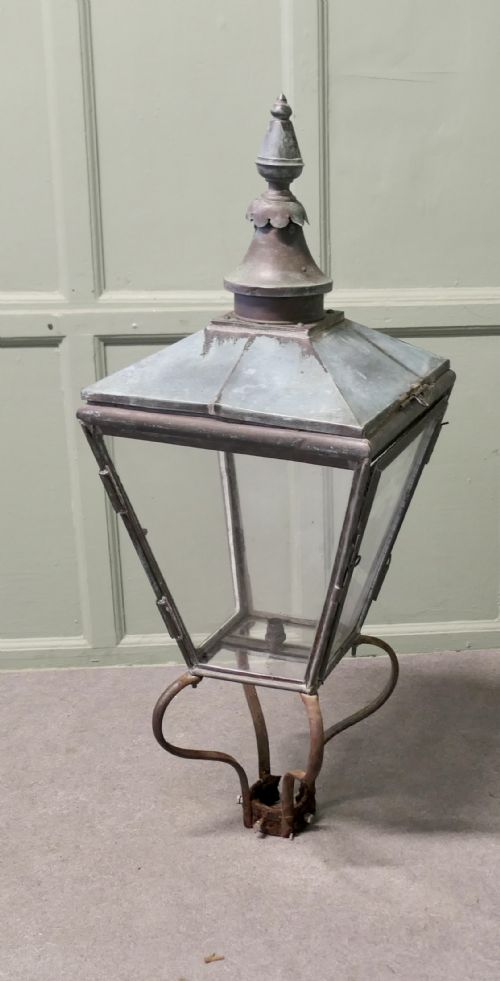
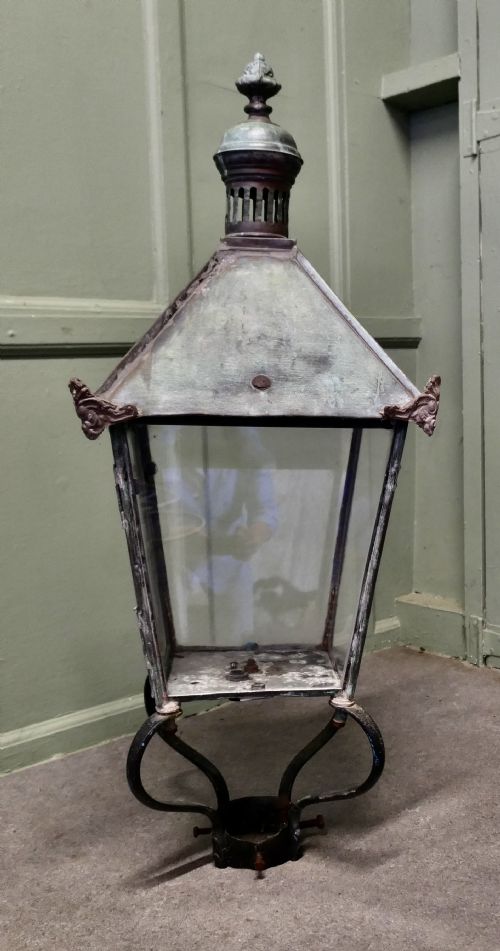
When you search for an antique post light, you encounter lanterns and lamp posts built for outdoor illumination during the Victorian, Edwardian and early twentieth-century periods. These fixtures served street lighting, gate post positioning and courtyard illumination, employing robust metals designed to withstand the weather.
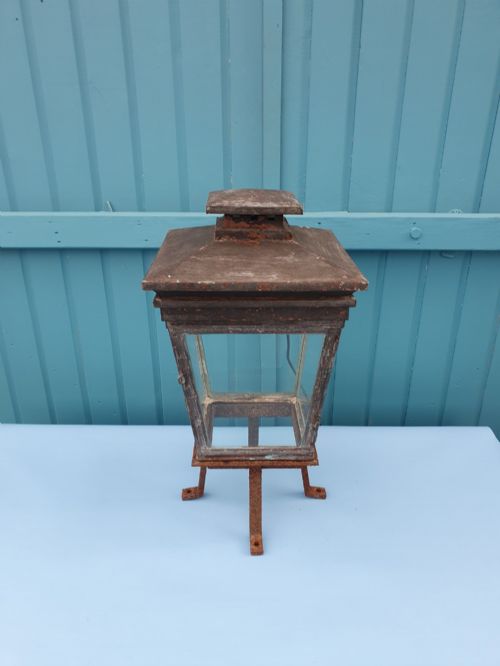
The most common versions on this page are copper and iron lanterns from the nineteenth century alongside later twentieth-century examples. Many pieces originally burned gas before being converted for modern electrical use.
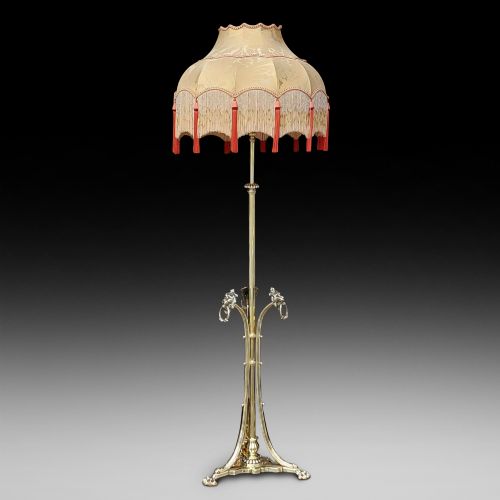
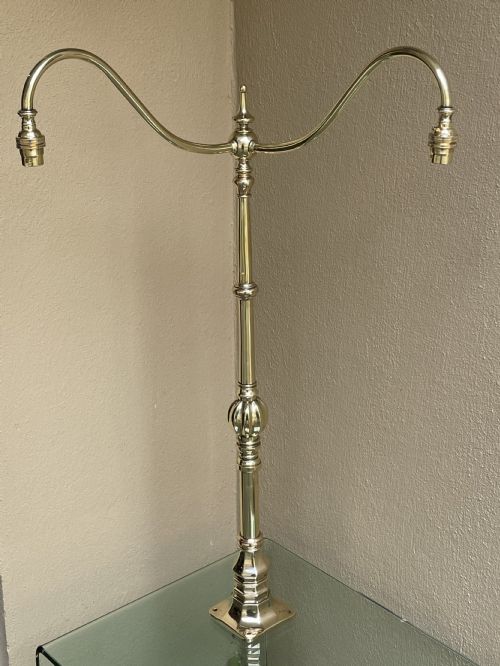
Beyond exterior street lamps, related standard lamps and floor lamps appear under this broader grouping. These indoor and outdoor pieces share similar proportions and upright architectural forms.
Assessing quality in period lighting
Quality rests upon the weight of the metal and the integrity of the construction. Heavier gauge copper and substantial cast iron indicate higher manufacturing standards suited for demanding outdoor locations.
The fineness of detailing, such as hand-riveted joints, custom bracket work and decorative collars, separates standard utility lamps from finer examples. Preserved maker plates or distinct regional foundry designs also elevate a piece.
Some street lamps survived decades of municipal weather before finding a second life lighting domestic gardens.
Foster and Pullen Bradford·Revo Tipton·Messenger
The Antique Post Light Glossary
- Gas conversion
- The alteration of an antique gas-burning lantern to accommodate modern electrical wiring and fittings. This process preserves the exterior appearance while allowing contemporary use.
- Newel post lamp
- A decorative light fixture mounted directly to the top of a stair balustrade or gateway post. These indoor and outdoor lamps provide functional illumination at entry points.
- Standard lamp
- An upright floor-standing lamp base designed to hold a light fitting or shade. In older pieces, these often feature carved wood, brass or adjustable mechanisms.
- Swan neck
- A curved metal mounting bracket resembling a swan's neck used to suspend a street lantern away from a wall or pole. This shape directs light outward over a wider area.
- Wrought iron
- Iron heated and worked by hand into durable architectural forms. It offers greater flexibility and fibrous strength than cast iron.
Antique Post Light: Frequently Asked Questions
Can antique post lights be used outside?
Many of these pieces were originally manufactured as outdoor street lamps, gate post lights or courtyard lanterns. Their copper and iron construction suits them for exterior placement once properly wired.
Buyers should inspect the specific weatherproofing and mounting capabilities of individual lanterns to ensure they meet modern installation needs.
How do I mount a post light?
Post lights generally require a sturdy vertical support such as a stone pier, wooden post or metal column. Many include collars or base flanges designed to secure directly onto these structures.
Professional installation is recommended to anchor heavy iron and copper assemblies safely and connect electrical components.
Were these lights always electric?
Most nineteenth-century and early twentieth-century street lanterns burned gas before municipal electrification. Many surviving examples show evidence of conversion from gas burners to standard electrical lamp holders.
This historical adaptation is standard for antique outdoor lighting and preserves the original metalwork while providing modern illumination.
How do I date an antique lantern?
Dating relies on material combinations, manufacturing techniques and stylistic cues associated with the Victorian, Edwardian and 1930s periods. Heavier hand-riveted copper construction often points to the nineteenth century.
Maker stamps, foundry marks and documented street furniture designs also help narrow down the exact decade of manufacture.